Pula Fish Market: A Visitor's Guide to Gradska Tržnica
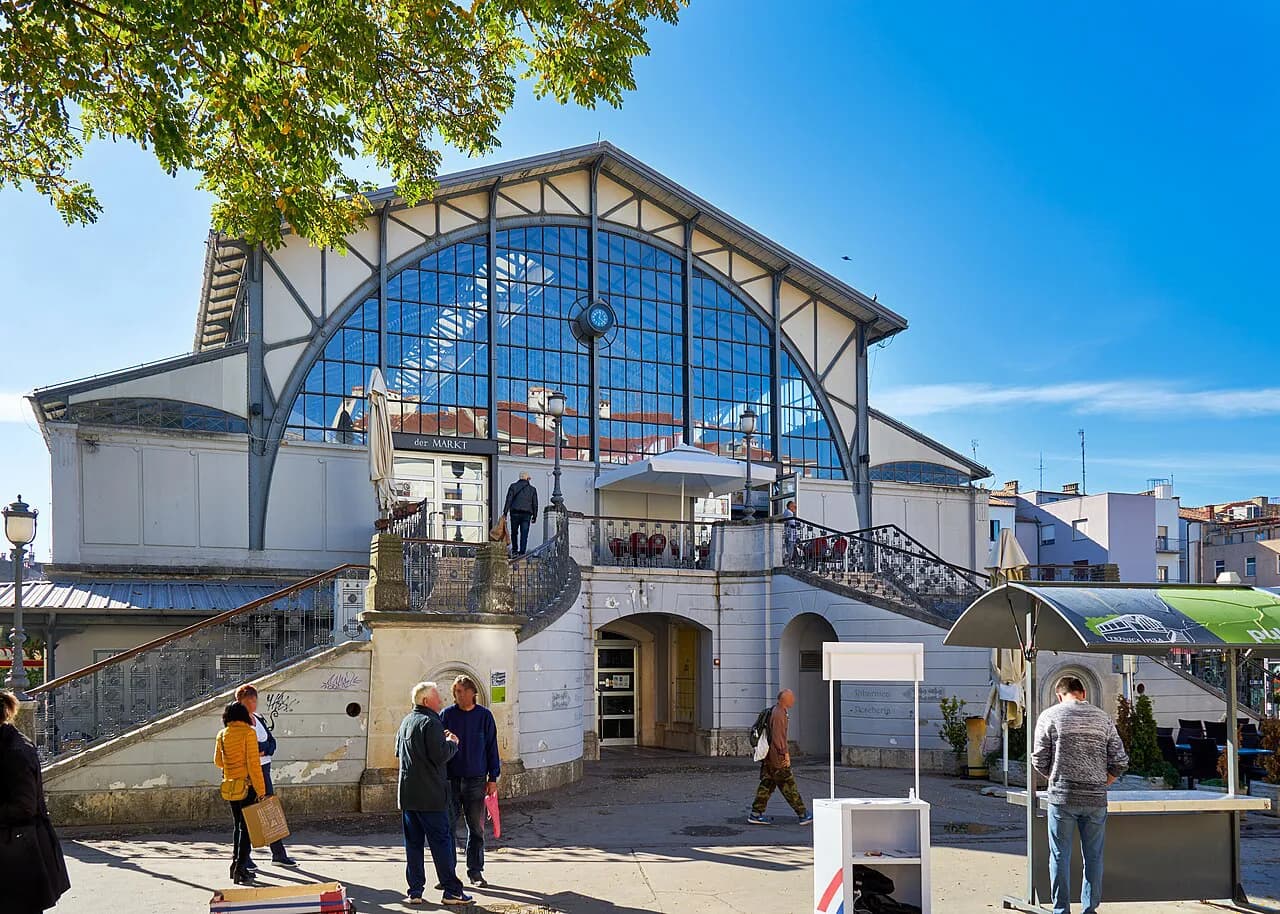
Pula's fish market sits inside the Gradska tržnica in the historic centre, where a covered fish hall and open-air stalls sell the day's Adriatic catch.
On this page
Pula's fish market is the covered fish hall inside the Gradska tržnica, the city market in the historic centre, and it is where you go for fresh Adriatic seafood rather than a sit-down meal. The Gradska tržnica brings together that covered fish market and open-air stalls selling seasonal produce, so one stop covers both the fish counter and the rest of a self-catering shop. This guide explains which part of the market to head for and how to fit the trip into a morning in the old town.
What the Pula fish market is and where it sits
Gradska tržnica is the city market in Pula's historic centre, and its fish market is a covered hall alongside open-air produce stalls. It is a working city market rather than an attraction, and because it sits in the centre you can walk to it from the old-town streets without planning a separate excursion.
Pula sits at the southern tip of Istria, and the market draws on the Adriatic just beyond the city. That geography is the reason to come: fish landed on this coast reaches the counter quickly, and the stalls reflect what is in season locally. Treat the market as a morning errand inside the old town, not a half-day outing in itself.
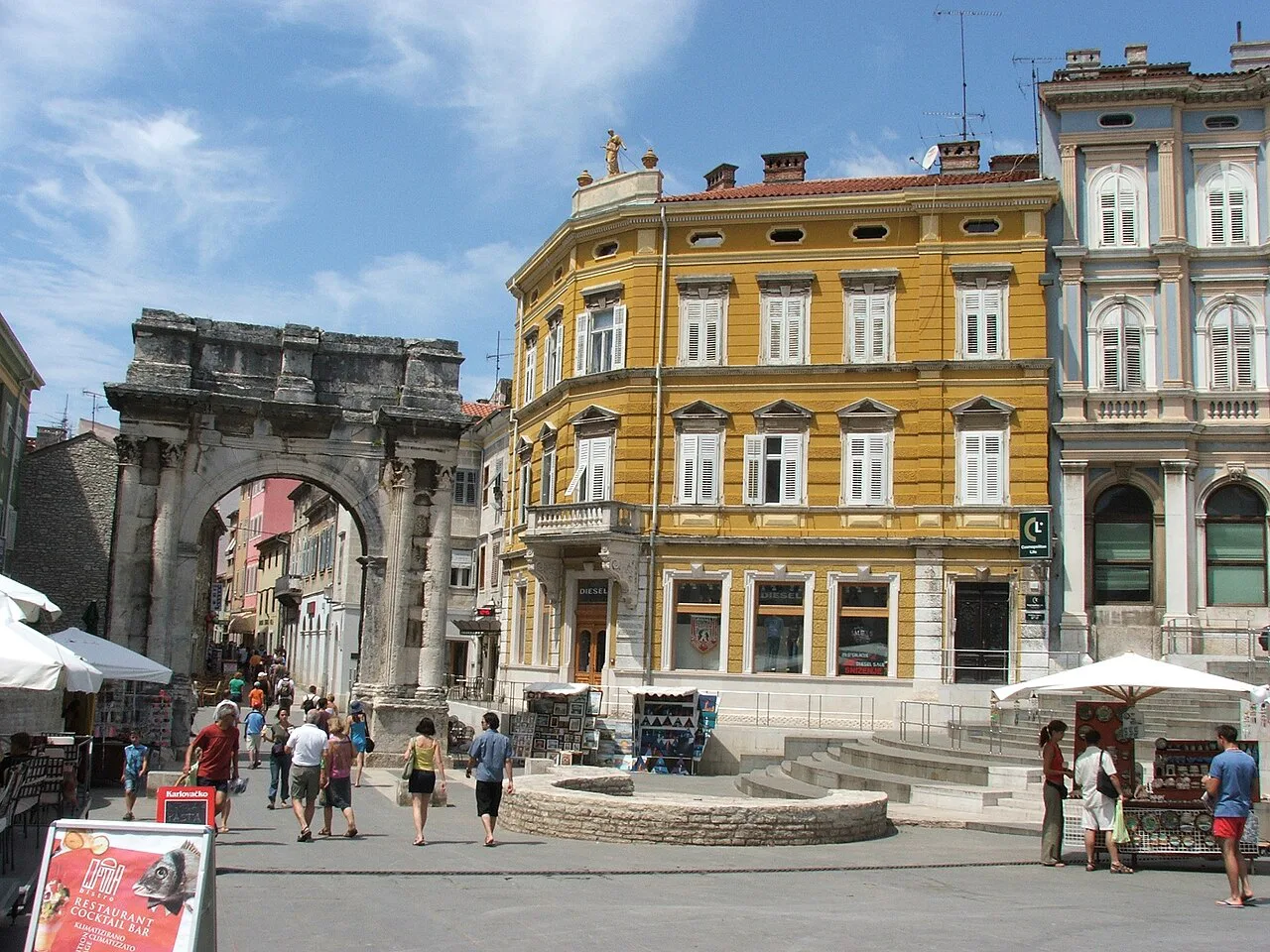
How Gradska tržnica works: covered fish market and open-air stalls
The market brings together a covered fish market and open-air stalls around it. The covered section is where the fish is sold, while the outdoor stalls carry seasonal fruit, vegetables and other produce; if fish is what you want, head for the covered fish market first.
It is a working market, so expect a practical, businesslike atmosphere rather than a leisurely browse. Bring a bag and, if you are stocking up for a flat or a picnic, the combination of fish from the covered market and produce from the open-air stalls covers most of a shop in one visit.
What is sold: fresh Adriatic seafood and seasonal produce
The market combines a covered fish market with open-air stalls selling seasonal fruit and vegetables. The fish on offer is fresh Adriatic seafood, and what you find depends on the time of year rather than a fixed list. That seasonality is part of the appeal: you are buying what the coast and the surrounding Istrian countryside are giving that week.
Expect a working wet-fish counter under the market roof rather than a restaurant-style display: fish laid out plainly for sale, chosen according to what looks and smells fresh on the day.
For anything the market does not cover, the town's shops pick up the rest; our guide to supermarkets in Pula maps out where to fill the gaps in a self-catering kitchen.
Fish sold whole and by weight: how buying at the counter works
Fish at a Croatian market is normally sold whole, so one large fish may be more than you need for two people while two smaller ones give you more control over portion size. Point at the fish you want and confirm the price before it is weighed.
Have a rough idea of what you want before you reach the counter, since deciding on the spot slows things down for the people behind you. Ask how payment works at the stall before the fish is weighed.
Whole fish rewards simple cooking: grilled over heat with olive oil, lemon and salt, or baked with potatoes. As a rough guide, one fish per person makes a main course, and you can ask the vendor's advice on size if you are unsure.
When to visit the Pula fish market
Go in the morning: a working fish market is busiest early and the catch is on display then, while arriving later means choosing from a reduced selection. Build the visit into a morning walk through the centre rather than making the market a separate trip.
Pair the market with coffee nearby afterwards; our guide to Coffee in Pula covers where to sit once you have finished shopping.
If you want breakfast before the market, plan it as a separate stop in the old town so you arrive at the fish hall with time to spare; our picks for the best breakfast in Pula fit neatly before a market run.
How the fish market fits into a morning in Pula's old town
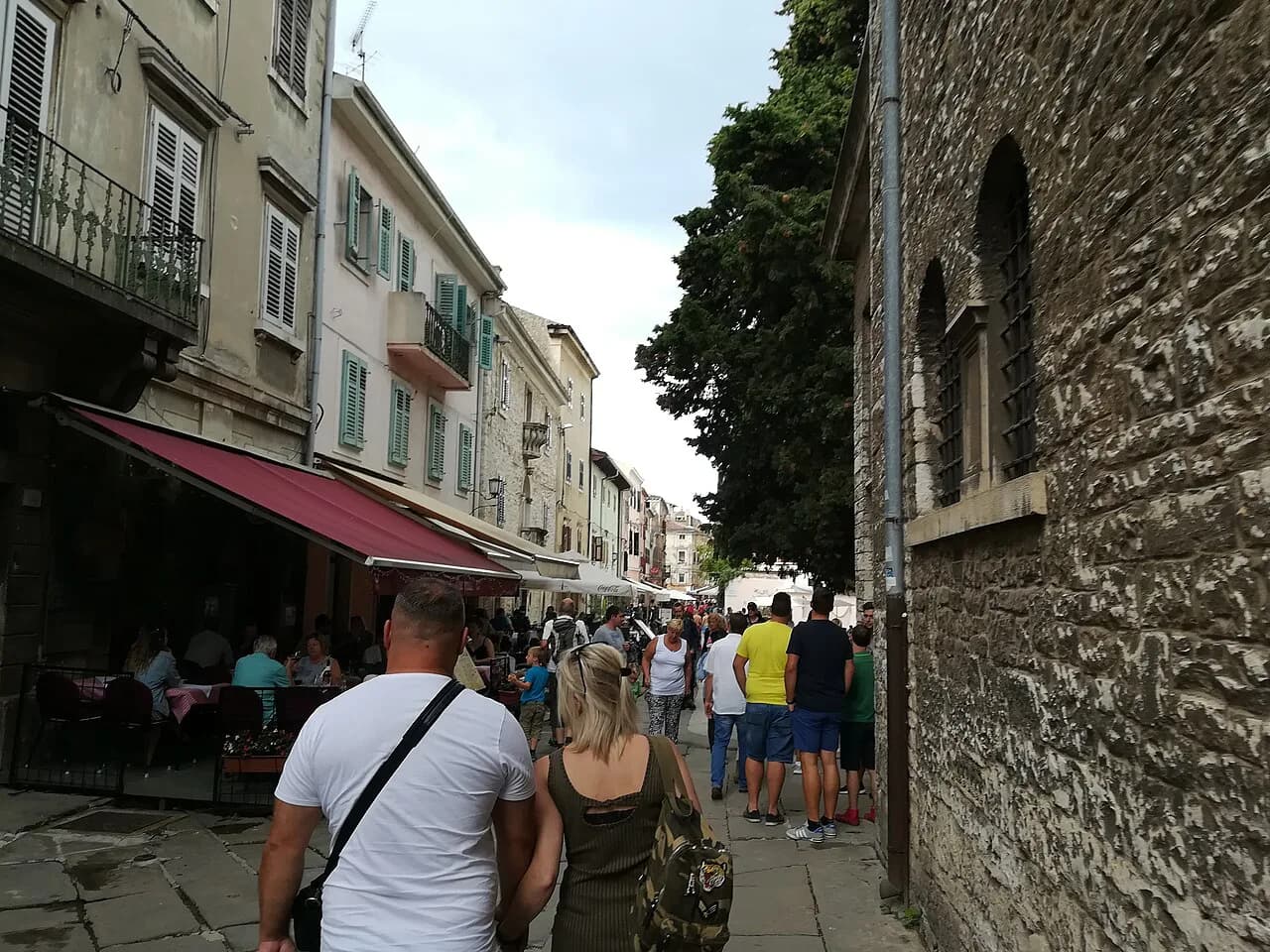
The Gradska tržnica sits in the historic centre, so the market works as one stop on a morning loop rather than a destination in its own right. Walk in, buy fish and produce, then carry on through the old-town streets or back to your kitchen.
If you are staying somewhere without a kitchen, use the market to see what the city eats rather than as a shopping trip, then eat seafood in a konoba later with a sharper eye for what is fresh. Our guide to the Pula market covers the wider market beyond the fish hall for anyone who wants the full picture.
A bakery stop on the way back rounds out the morning shop, and our guide to bakeries in Pula points you to somewhere for bread to go with the fish.
Is the Pula fish market worth a morning stop?
Yes, if you are self-catering or want to see how a Croatian city market works; the covered fish market plus open-air produce stalls give you a real shop without taking up a big chunk of the morning. Skip it if you are after a sit-down seafood lunch and head for a konoba instead. Either way, go in the morning and expect fish to be sold whole.
Explore more Pula guides
Frequently Asked Questions
Can I buy fish and have it cleaned at the market?
There is no confirmed cleaning or gutting service at the Gradska tržnica fish market in the sources available, so do not count on it; if you need the fish prepared, buy it earlier and plan to clean and gut it yourself back in the kitchen.
How much fish should I buy per person?
As a rough guide, one whole fish per person makes a main course. Ask the vendor's advice on size if you are unsure, since fish is normally sold whole.
When is the best time to visit the Pula fish market?
Go in the morning. A working fish market is busiest early, when the day's catch is on display, and the selection is reduced later in the day.
Sources
Notes on eating well in Croatia
Optional updates to our food guides.
You might also like


Continue reading
More guides you'll find useful