
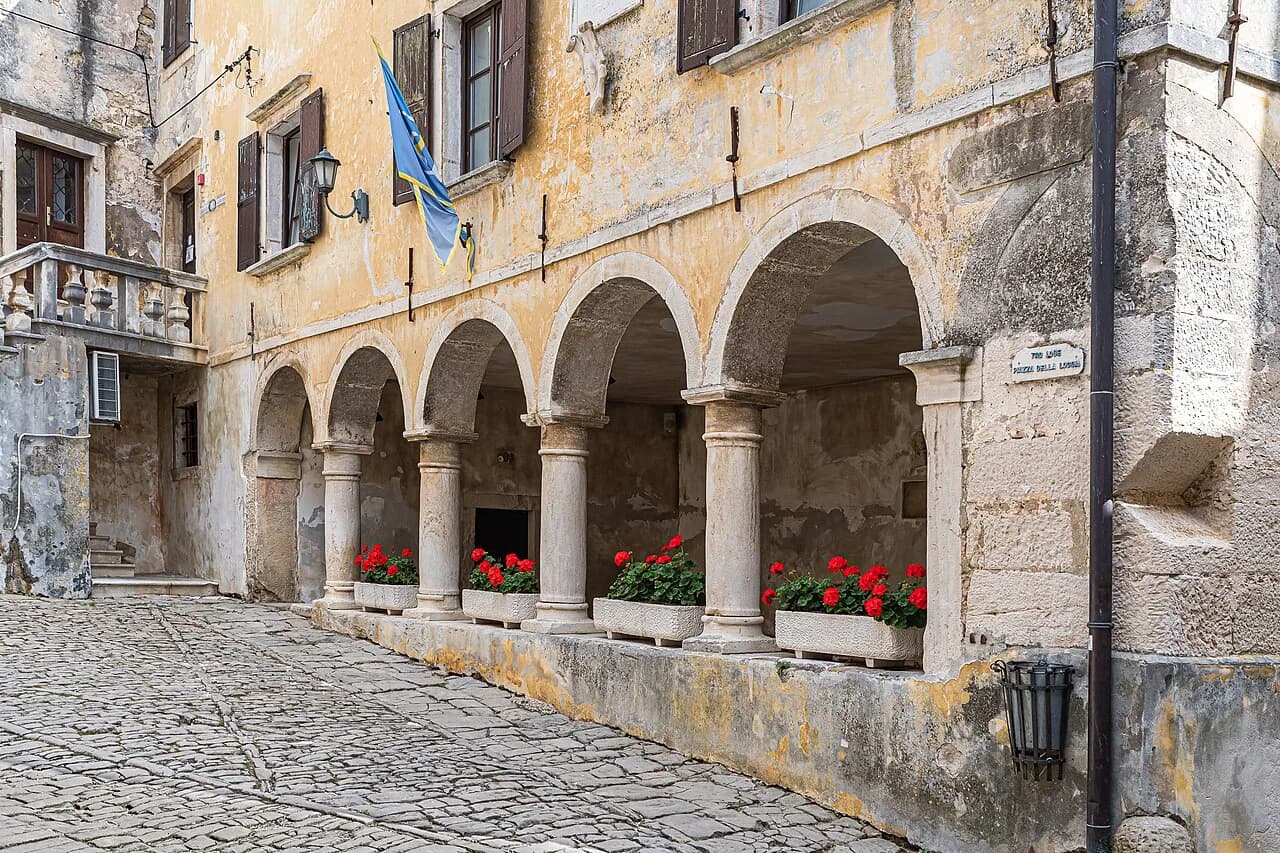
Grožnjan Restaurants: Where to Eat in Istria's Hill Town
Eating out in Grožnjan: a small Istrian hill town with limited tables, what to order from pršut to pasta, and why booking ahead matters in high season.
On this page
Eating out in Grožnjan is a small-scale affair: this is a hill town in Istria with a handful of tables rather than a restaurant strip, so a good meal depends more on knowing what to order and when to book than on working through a long shortlist. This guide covers the dishes that define the tables here, how Istrian pršut is made, and the practical side of euros, cards and the walk up through the old town.
What eating out in Grožnjan is like
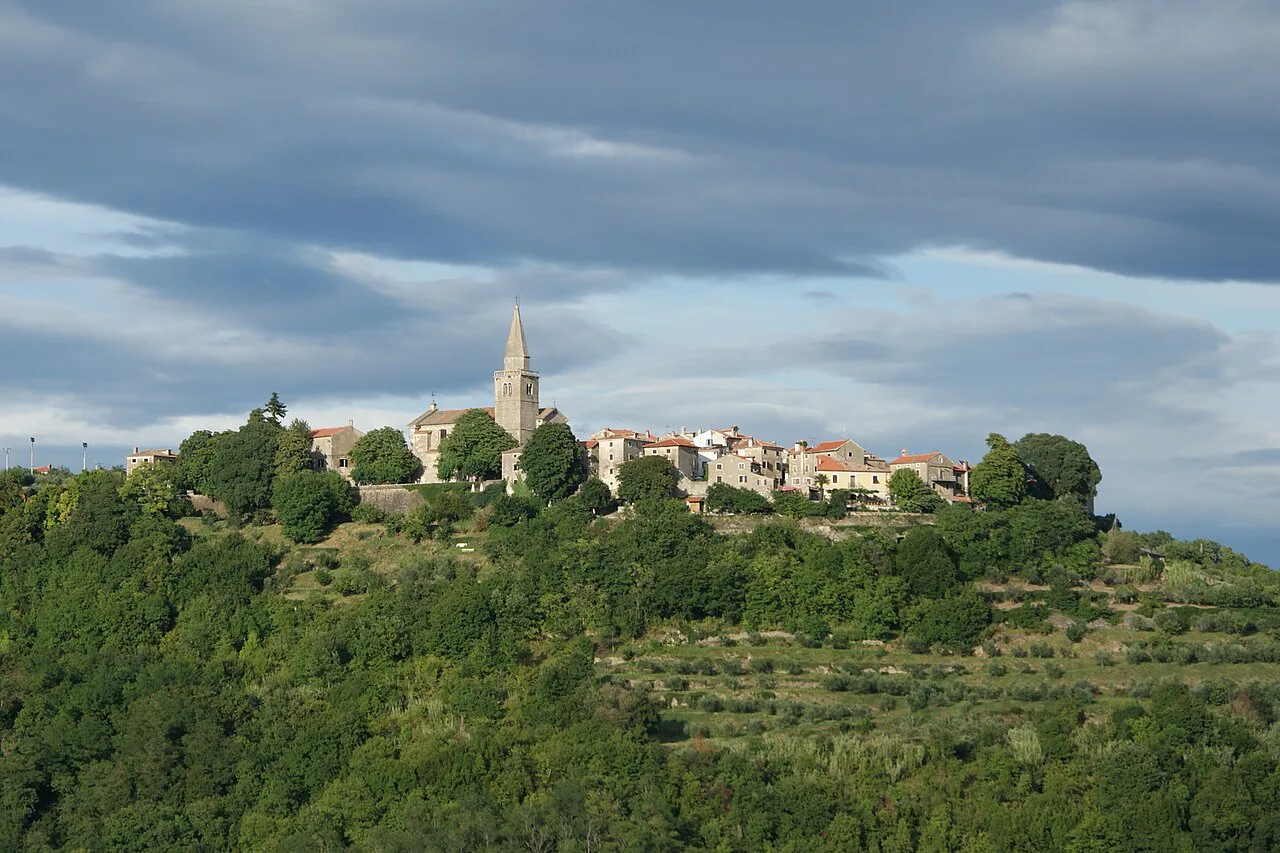
Grožnjan sits inland in Istria, away from the coastal towns where restaurant rows line the waterfront, and its size keeps the eating scene compact. Expect a small number of tables spread across the old town rather than a long choice of venues, which changes how you plan a meal: you pick a time, walk up, and settle in rather than compare ten menus. Treat the town as a place for a slow lunch or an evening meal built around Istrian ingredients.
Because covers are limited, the sensible approach is to identify one or two places on the day you arrive and reserve rather than assume you can walk in at peak hour. For the wider regional picture, from hill towns to coastal konobas, our guide to Istria Restaurants sets out how the different areas compare. Neighbouring Motovun Restaurants are a useful comparison if you are deciding where to base a meal in the hill country.
Start with Istrian pršut, cheese and olives
The opening move at an Istrian table is pršut, the dry-cured ham of the region, served thinly sliced with homemade cow's or sheep's cheese and olives. It is a light, salty start that suits a warm afternoon, and it tells you something about the kitchen: the ham is the region's calling card rather than an afterthought. Order a shared plate for the table and let the cooked dishes follow.
Istrian pršut is a protected food, and its quality is promoted across the region and beyond, so the plate in front of you carries a fair amount of work behind it. The Poreč tourist board calls it the pride of Istrians, served to guests alongside local cheese and olives, which is exactly how you will meet it in Grožnjan. If the ham is the centrepiece of your meal, keep the rest of the order simple so it stays that way.
How Istrian pršut is made
Knowing the process explains the price and the taste. An Istrian ham is first dried in the bura wind for at least six months, covered in salt, pepper, garlic and other natural aromas. After that it moves into a closed, dark room for a further six to eight months, so a single leg takes roughly a year to fourteen months of curing before it reaches a plate.
Main dishes and the Istrian larder
After the ham, look for cooked dishes built on the Istrian larder: pasta, local produce and the kind of hill-country cooking that suits a town set back from the sea. Coastal Kvarner kitchens lean on scampi, oily fish and shellfish, but inland Istria is more about cured meat, cheese, olive oil and simple starch, so a pasta or a slow-cooked meat dish is the natural main. Ask what is made with local ingredients and let that steer your choice rather than a long menu.
Booking and timing in high season
In July and August, a town with a handful of tables fills quickly, and the walk up through the old town can end at a full dining room if you turn up without a plan. Ring or email ahead for the evening you want, and if you are set on a particular place, book it before you arrive in Istria rather than on the day. Lunch is often the easier meal to secure, and it suits the pace of a hill town better than a late dinner.
Practical notes: euros, cards and the walk up
Croatia has used the euro since 2023, so prices on menus are in euros and there is no need to convert from kuna. Carry some cash as a backup, since small family-run places in hill towns do not always take cards, and confirm before you sit down if that matters to you. The old town is reached on foot up through narrow streets, so wear shoes that cope with cobbles and allow time for the climb.
Is Grožnjan worth a meal stop?
Yes, if you want an Istrian meal in a small hill town rather than a coastal restaurant strip, and you are willing to book ahead in summer. Go for the pršut with cheese and olives, follow it with a cooked Istrian main, and treat the short list of tables as part of the appeal rather than a problem.
Explore more Croatia guides
Frequently Asked Questions
What food is Istria known for?
Istria is known for its dry-cured pršut, served with local cheese and olives, and for cooking built on olive oil, pasta and produce from the region. Istrian pršut is a protected food, dried first in the bura wind and then in a dark room for months.
Is Croatia expensive to eat out?
Croatia uses the euro, and prices vary by town and by how close you are to the coast or a main square. In a small inland town such as Grožnjan, menus tend to be shorter and the setting quieter, so compare the dishes on offer.
What is the typical dinner time in Croatia?
Evening meals in Croatia generally start later than in the UK, with many diners sitting down from around eight in the evening. In a small hill town with limited tables, booking a set time is more useful than arriving early and hoping for a walk-in.
Sources
Notes on eating well in Croatia
Optional updates to our food guides.
You might also like



Continue reading
More guides you'll find useful





