
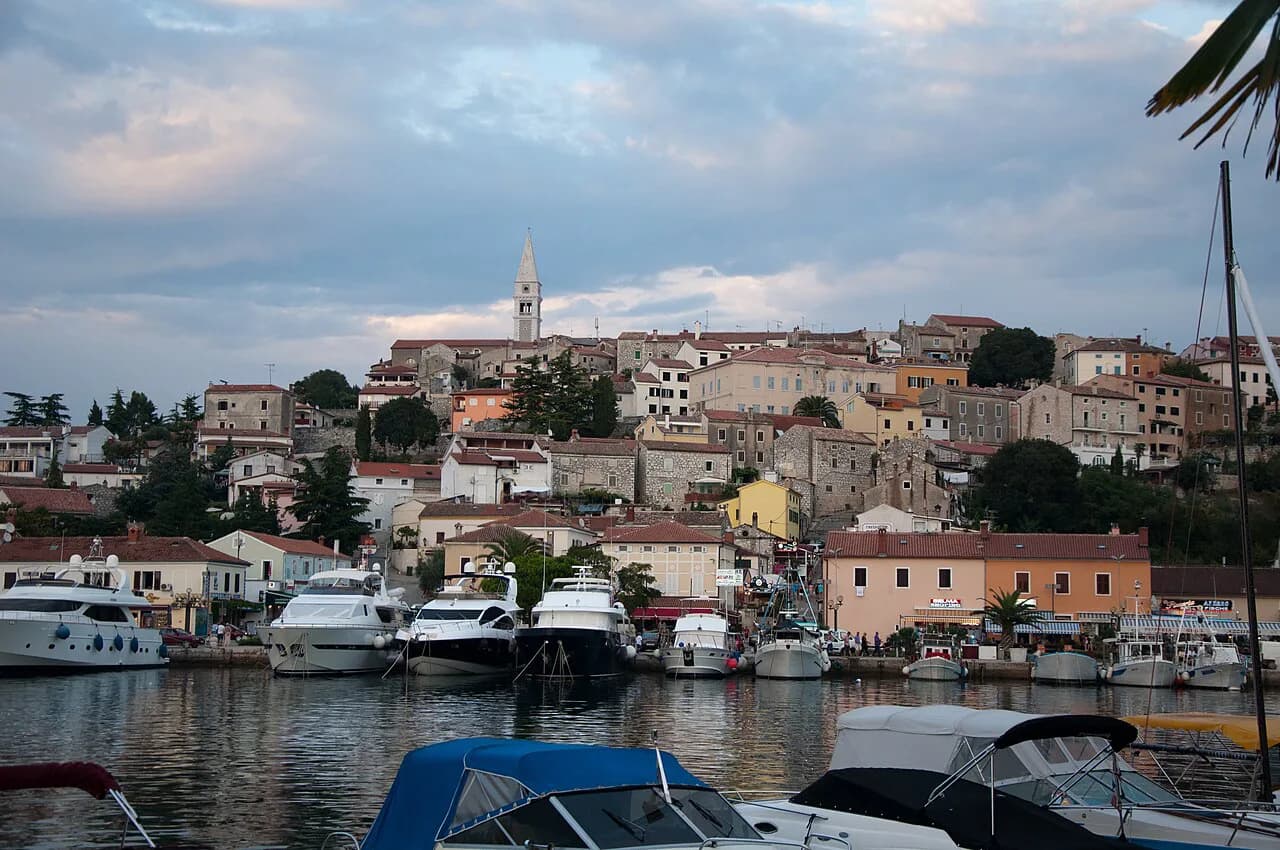
Where to Eat in Vrsar: Restaurants and Konobas
Plan where to eat in Vrsar, from old-town and harbour restaurants to konobas in Flengi, Gradina and Kloštar, with seafood, pod pekom dishes and Istrian pasta.
On this page
Eat in Vrsar's old town and harbour for convenience and sea views, or drive ten minutes inland to Flengi, Gradina and Kloštar for quieter taverns cooking meat and Istrian pasta under a baking lid. The town's restaurants and konobas concentrate around the old town and harbour, and the Vrsar tourist board describes them as cosy places with fish and meat menus built on fresh ingredients, olive oil and Istrian wine.
This guide covers where the eating is, what Istrian cooking puts on the table, and how to choose between a harbour terrace and a village konoba. It works through the areas and dishes rather than a venue list, because the choice here is mostly between a setting and a style of cooking.
Where to eat in Vrsar: the short answer
Stay in the old town and harbour if you want to walk to dinner and eat fish with a view of the water. Head to Flengi, Gradina or Kloštar if you want a slower meal of grilled meat, Istrian pasta and dishes baked under a lid, and you have a car or can arrange a lift back. The tourist board frames it as two experiences: restaurants around the old town and harbour, and village taverns a short drive away.
Either way, the cooking is Istrian rather than generic Adriatic. Expect olive oil used as a seasoning rather than a dip, fish and shellfish near the coast, and inland dishes built on meat, pasta and slow baking.
Eating in Vrsar old town and around the harbour
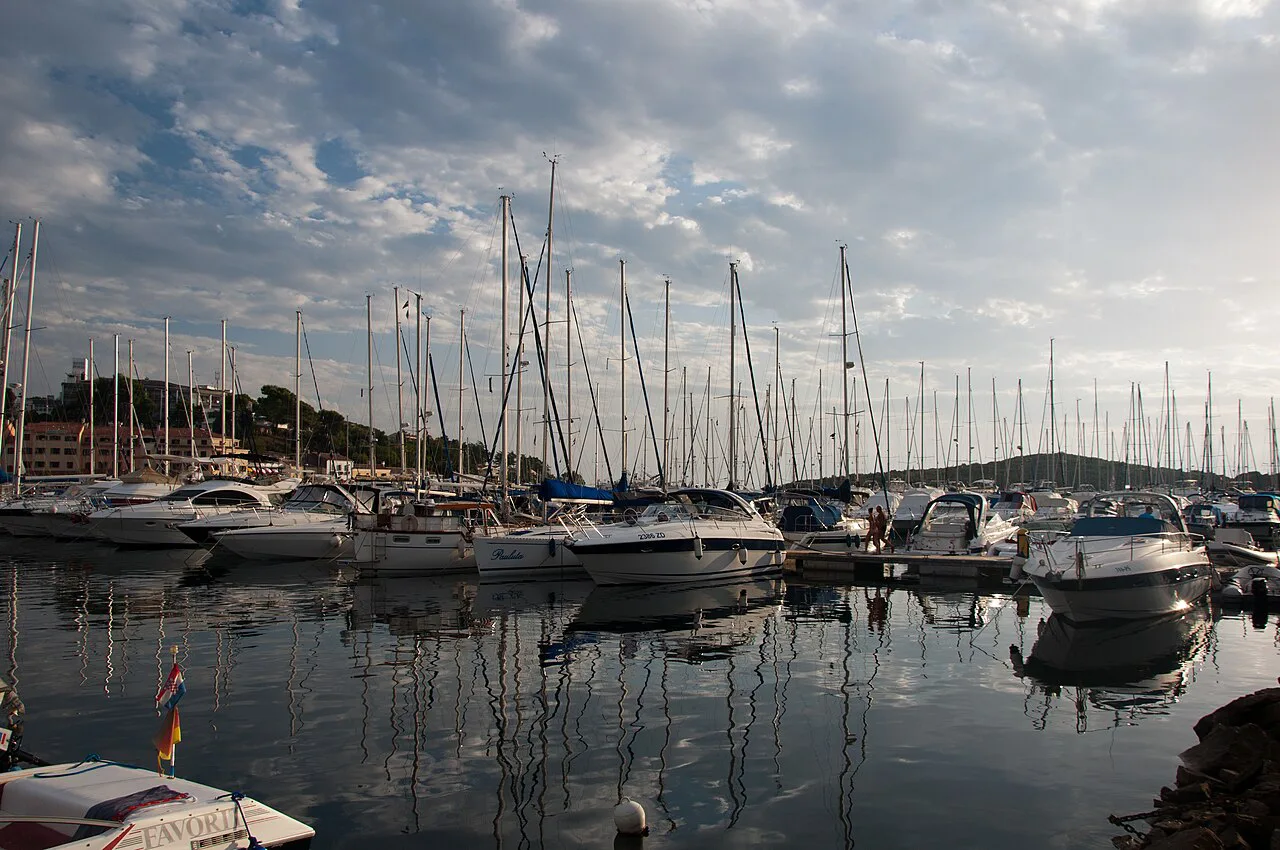
The old town and harbour form the dense, walkable core of Vrsar's eating. Restaurants here sit among the lanes and along the waterfront, which makes the area the obvious first stop if you arrive without a car or want dinner within walking distance of a waterfront stroll.
The tourist board describes the old town and harbour restaurants as cosy places promising a distinctive experience alongside fish and meat menus, selected fresh ingredients, olive oil and Istrian wine. That combination of setting and cooking is the reason to eat here rather than simply the convenience.
For a wider look at the region's eating, from hill towns to coastal kitchens, the guide to Istria restaurants is the place to start; it covers the same olive oil, pršut and pasta repertoire that shapes Vrsar's menus.
What Vrsar restaurants cook: fish, grilled meat and Istrian flavours
Vrsar's menus divide along a line that runs through Istria itself: seafood on one side, meat and pasta on the other. Fish, shellfish and grilled meat all appear, and the cooking leans on fresh ingredients, olive oil and Istrian wine rather than heavy sauces.
Two terms are worth knowing before you sit down. A konoba is a tavern, traditionally a simple, family-run place, and the tourist board uses the word for Vrsar's taverns. Pod pekom means cooked under a baking lid, a technique where ingredients go into a covered dish with hot coals heaped on the lid so the food bakes slowly in its own juices.
Istrian pasta turns up alongside the meat dishes in the village taverns. Menus vary by kitchen, so ask what the pasta of the day is and how it is served.
Konobas in Flengi, Gradina and Kloštar
Flengi, Gradina and Kloštar are the three inland villages about a ten-minute drive from Vrsar. The tourist board describes them as charming taverns in these villages offering a rich selection of meat and Istrian pasta dishes, delicacies prepared under the baking lid and home-made desserts.
This is where pod pekom earns its place on the table. The covered-lid method suits cooler evenings and bigger appetites, and it is the kind of cooking that rewards a leisurely meal rather than a quick stop.
If you are touring inland Istria more broadly, the Motovun restaurants guide covers the hill-town dining that shares this meat-and-pasta approach.
Seafood around Lim Bay
Lim Bay, the long fjord-like inlet on this stretch of coast, is where the tourist board points visitors for fish specialities, shellfish and crabs. That makes the bay a seafood stop in its own right.
If shellfish and crab are what you are after, plan a meal in or near the bay rather than settling for a generic fish plate in town. The difference is worth the short drive.
Meat, pasta and dishes baked under the lid (pod pekom)
Away from the water, Vrsar's eating turns to meat, Istrian pasta and slow baking. The village taverns are the clearest expression of this, with meat dishes and pod pekom specialities forming the core of the menu.
Ordering pod pekom means accepting a wait: the dish is baked slowly under its lid, so it is not a quick plate. Treat it as the centre of a long lunch or dinner rather than a starter before something else.
Desserts and something sweet after dinner
The tourist board lists home-made desserts among the draws of the village taverns, which makes them a reason to linger rather than leave after the main course.
If you want something sweet without a full meal, the tourist board also points to dedicated sweet-tooth options. Ask at your table for where to go near you.
Old-town terrace or village konoba: how to choose
The trade-off is convenience against character. An old-town or harbour table puts you in the middle of Vrsar with local restaurants close by, but it is where dinner is most walkable for visitors. A village konoba in Flengi, Gradina or Kloštar means a short drive and a quieter room, with meat and pod pekom cooking alongside the coastal fish.
Choose the harbour when you want fish, a view and an easy walk home. Choose the villages when you want a long, slow meal built around meat and the baking lid, and you have sorted transport.
Bookings and high-season timing in Vrsar
Vrsar's restaurants cluster in a small old town and harbour, so tables near the water fill first when the town is busy. Book ahead for dinner in high season, especially for a group or a table with a view.
Village taverns are smaller and further apart, so a phone call before you drive out is sensible, particularly for pod pekom dishes that take time to cook. If you are heading further along the coast, the Novigrad restaurants guide covers the next cluster of kitchens north of Vrsar.
Harbour table or village tavern?
For a first evening in Vrsar, take a table in the old town or harbour: it is walkable, it puts you by the water, and the fish and Istrian wine are the point. Save the drive to Flengi, Gradina or Kloštar for a meal where meat, Istrian pasta and pod pekom are the reason you came.
Either way, book in high season, and if pod pekom is on the table, give it the time it needs.
Explore more Croatia guides
Frequently Asked Questions
Is Croatia expensive to eat out?
Croatia uses the euro, and prices vary by region and by whether you eat in a harbour-front restaurant or an inland tavern. Vrsar's tourist board refers to its old-town and harbour restaurants as cosy places, but menu prices vary and change, so check the board outside or the menu before you sit down.
What food is Istria known for?
Istrian cooking is built on olive oil, fresh fish and shellfish near the coast, and meat, Istrian pasta and dishes baked under a lid inland. In Vrsar you will find fish and grilled meat in the old town and harbour, and meat, Istrian pasta and pod pekom in the villages of Flengi, Gradina and Kloštar.
Sources
Notes on eating well in Croatia
Optional updates to our food guides.
You might also like



Continue reading
More guides you'll find useful





