Konobas in Dubrovnik: Where to Eat Traditional Croatian Food
A practical guide to konobas in Dubrovnik: what a konoba is, where the courtyard and harbour tables are, and how to order fish by weight sensibly.
On this page
The konobas worth knowing in Dubrovnik cluster in two places: inside the walls, where courtyards and narrow lanes give you the historic setting, and outside them, where the meal is quieter and less tied to sightseeing. Start with Konoba Jezuite for a courtyard near the southern wall, Taverna Aquarius and Konoba Kenova around the old harbour, Taverna Pupo in the lanes, and Konoba Dubrava for a traditional Croatian meal away from the centre. This guide covers what a konoba is, what to order at each of those places, and how to match the setting to the meal you actually want, with background in the Dubrovnik Food guide and a hands-on option through Dubrovnik Food Tours.
What a konoba is in Dubrovnik
A konoba is the Croatian version of a tavern: a plain, generous place where the cooking is regional rather than international. In Dubrovnik that usually means Dalmatian seafood and grilled meat, served without much ceremony, often in a stone room or a courtyard. The word is used loosely in the city, so a konoba can be a smart old-town address with creative plating or a simple neighbourhood place where the menu barely changes.
The distinction that matters for planning is setting rather than style. Inside the walls you pay for the courtyard, the shade and the walk back to your room; outside them you get a more everyday meal and usually a quieter table. Read the menu before you sit down and you will see quickly which kind of konoba you are in.
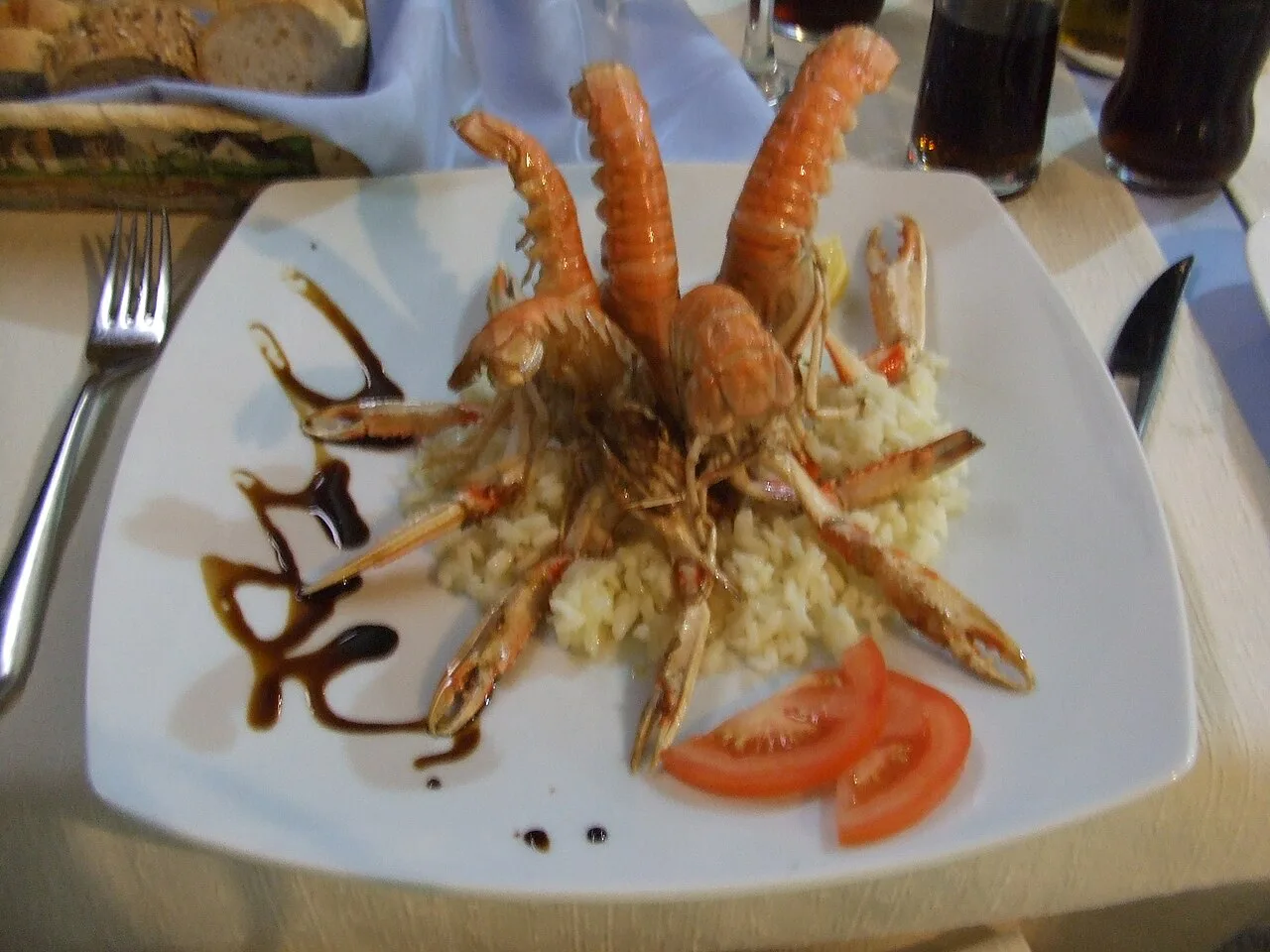
Konoba Jezuite: courtyard tables near the southern city wall
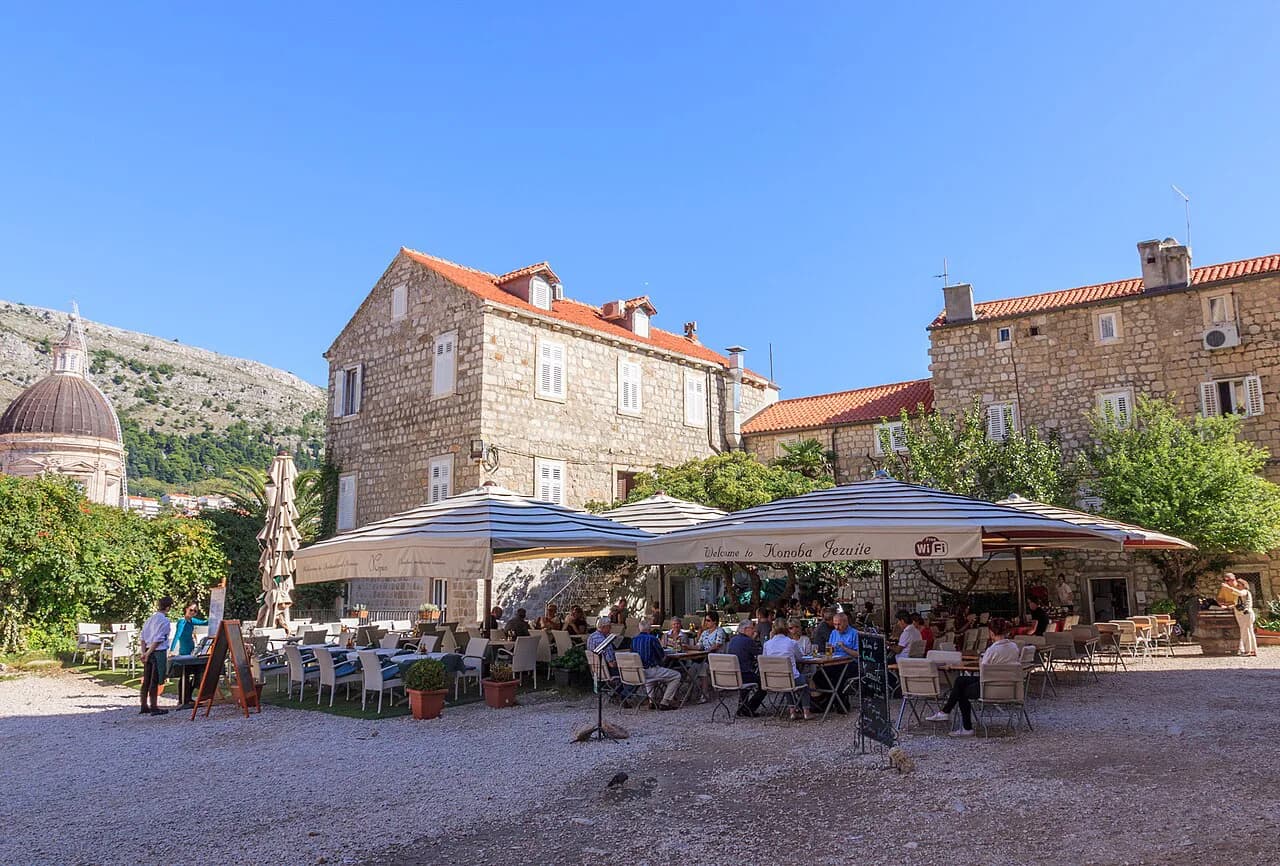
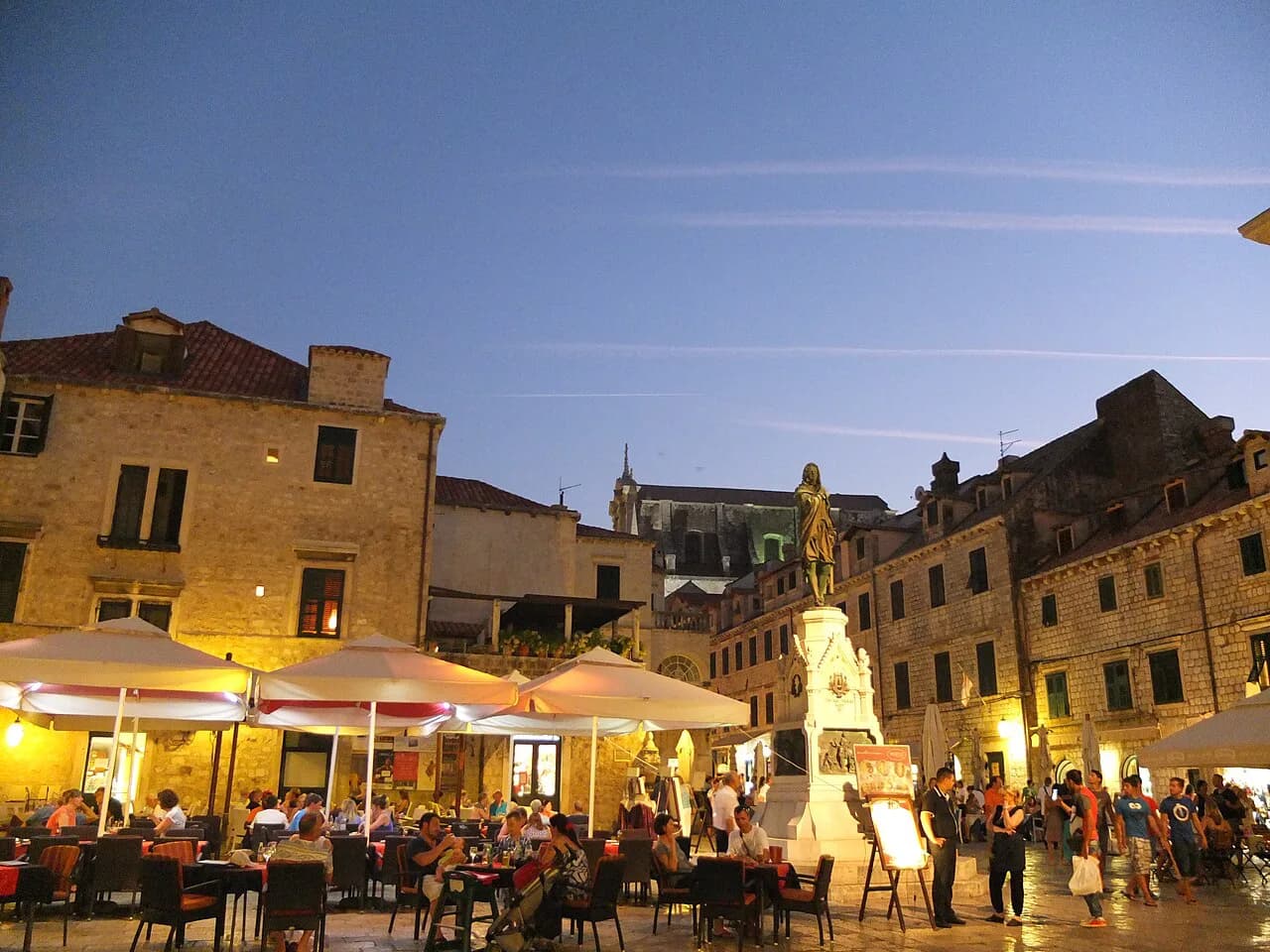
Konoba Jezuite is one of the largest places of its kind in the old town, set in a courtyard under shady trees close to the southern city wall. The kitchen sends out hearty meat dishes alongside antipasti and seafood, with oysters and Croatian-style pasta also on the table, all plated with more care than the courtyard setting suggests. That combination makes it a sensible pick when part of your group wants meat and the rest want fish. The terrace is the reason to come on a warm evening, so ask for a courtyard table when you arrive rather than accepting the first seat offered.
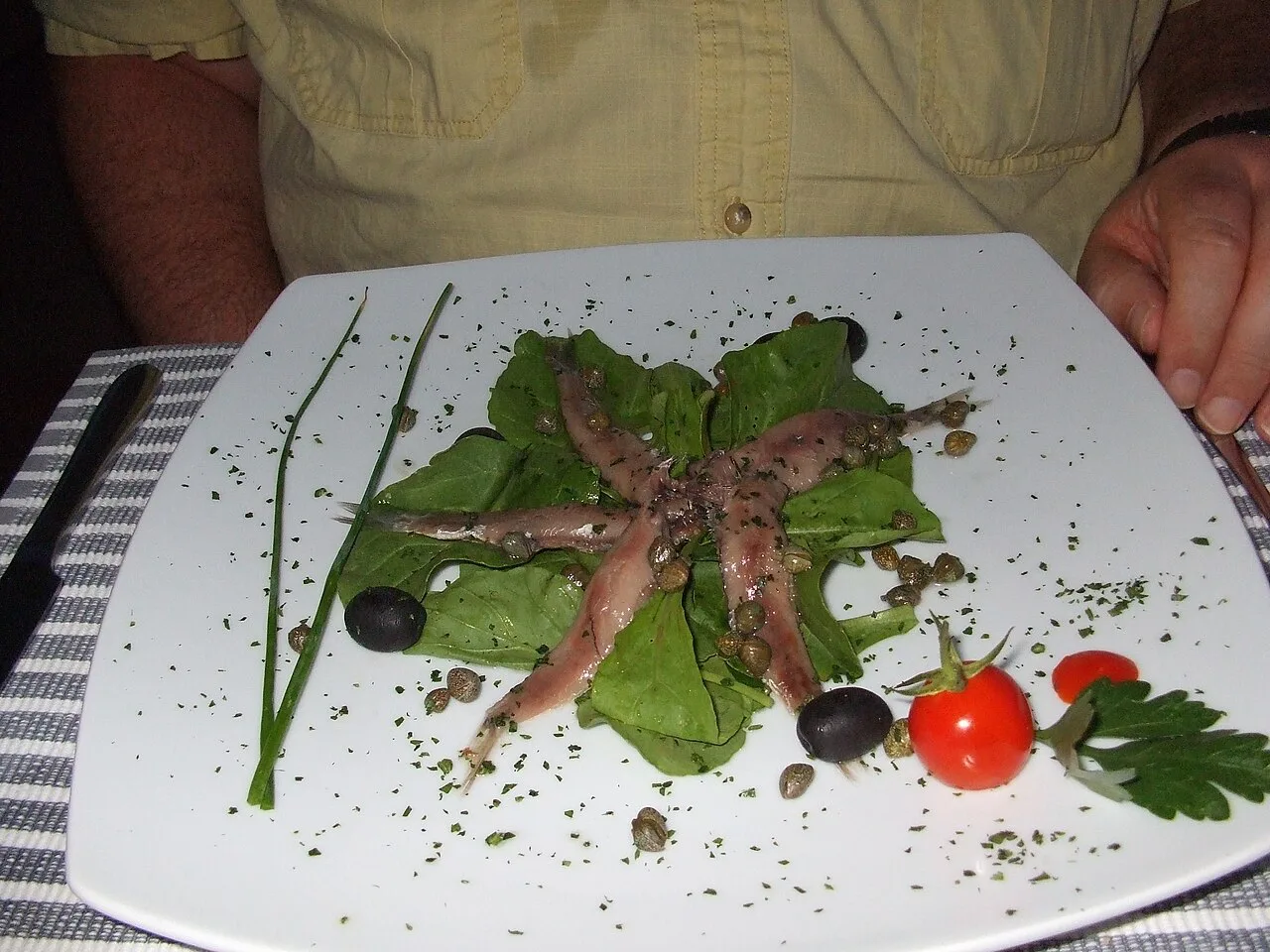
Taverna Aquarius at the old harbour
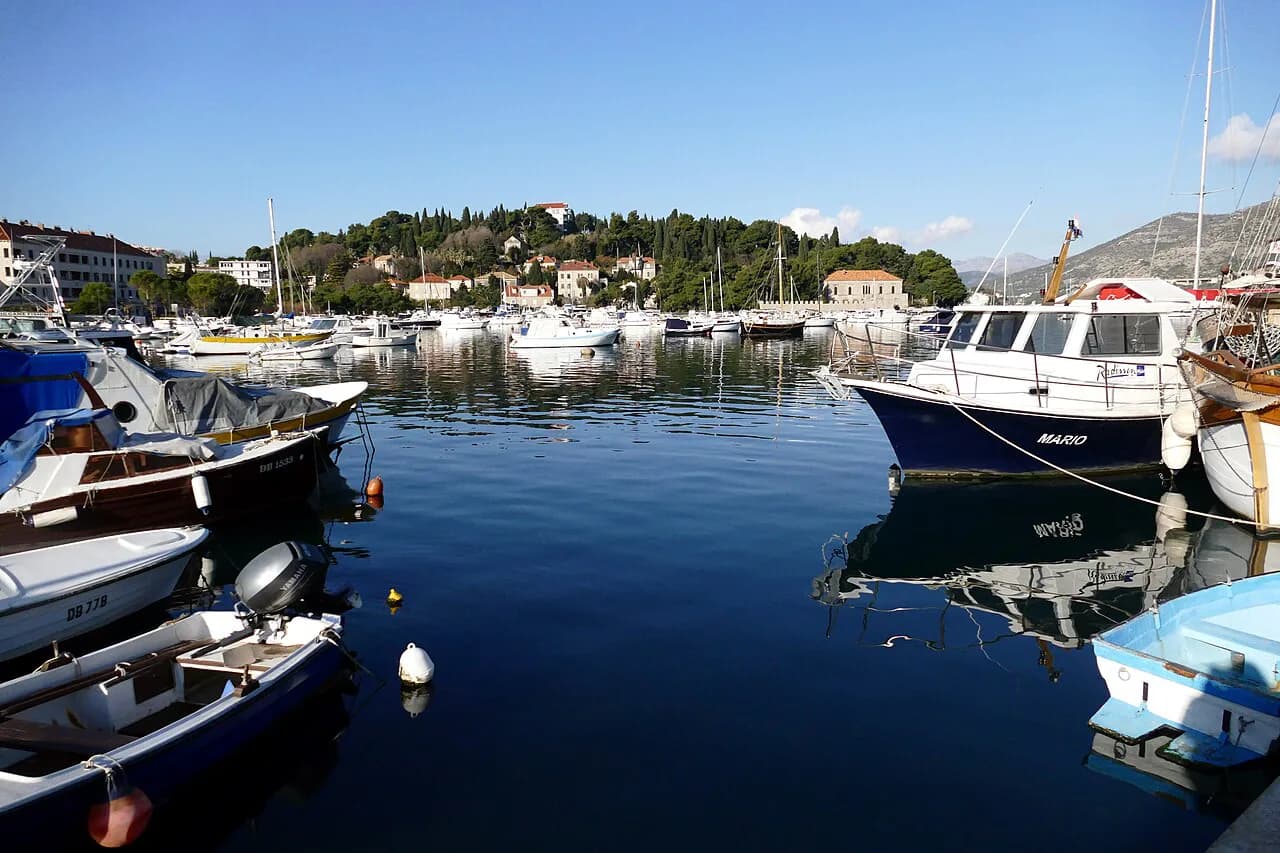
Taverna Aquarius sits directly on the old harbour and puts its weight behind seafood: lobster, fish platters and shellfish dishes, with shark steak and frog's legs also appearing on the menu. If part of the table would rather not eat fish, there are pasta dishes plus vegetable and meat plates in a more rural Dalmatian vein. The harbour position is the draw when you want the water in view rather than a courtyard.
Taverna Pupo in the old-town lanes
Taverna Pupo is a small, snug konoba tucked into the tight lanes of the old town, and it is unusual in serving breakfast as well as a later menu of burgers, grilled fish, pasta and risotto. That spread makes it useful for a mixed group with different appetites. The outdoor tables in the narrow streets are the popular seats; there are some tables inside too, which matters when the weather turns or the lanes are packed. An early breakfast here gets you fed before the busiest sightseeing hours.
Konoba Kenova above the old harbour
Konoba Kenova lies north of the old harbour, up a steep climb from the water, so treat the walk as part of the decision before you set out.
Konoba Dubrava: a traditional Croatian meal away from the Old Town
Konoba Dubrava is the pick when you want a traditional Croatian meal without the old-town backdrop. Going outside the walls changes the rhythm of the day: you eat, you linger, and you come back into the centre afterwards rather than stepping out of your apartment into the crowd. It is also the sensible fallback when every terrace inside the walls is full at peak dinner time.
Old-town courtyard or a table outside the walls
Inside the walls you are buying atmosphere: stone lanes, shaded courtyards and the pleasure of walking home through the old town after dinner. The trade-off is that you are eating where everyone else is, so the busiest hours bring slower service and tables that turn quickly. Outside the walls the meal is calmer and the cooking often more everyday, but you lose the setting and add a walk or a taxi each way.
A practical plan is to book one courtyard dinner inside the walls for the atmosphere and eat your other meals above the harbour or away from the centre, where the focus is the food. If you want a guided introduction to the local cooking before choosing, a Dubrovnik food tour covers the dishes and the ordering conventions in one go.
What to order in a Dubrovnik konoba
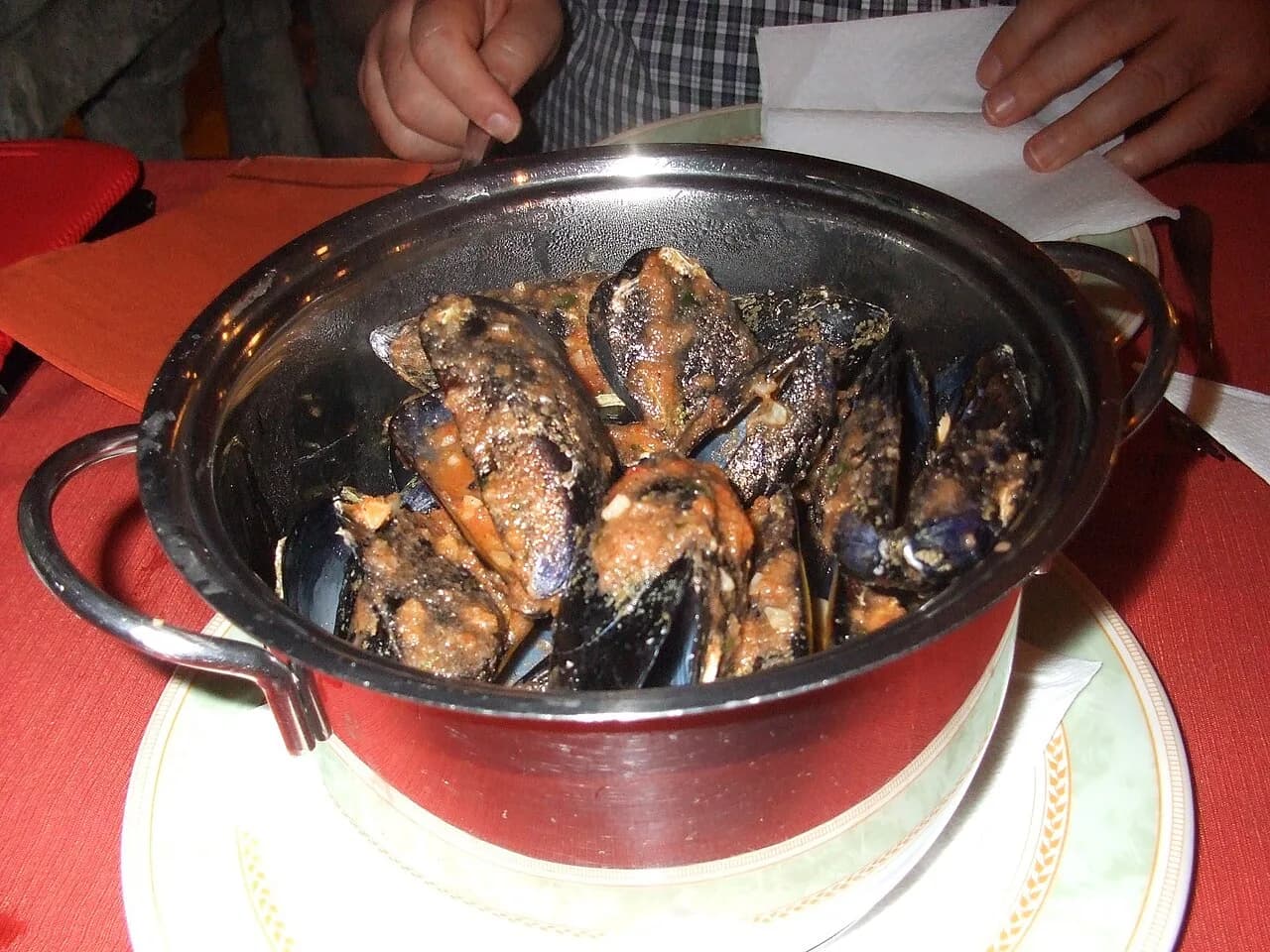
Seafood is the safe centre of the menu: grilled fish, shellfish and fish platters, with oysters appearing at Konoba Jezuite. Meat eaters are well covered too, particularly at Jezuite and Aquarius, where hearty meat dishes and rural Dalmatian plates sit alongside the fish. Pasta and risotto turn up at several of these konobas, which makes them useful for a lighter lunch or for children.
Ask what came in that morning before you settle on a fish dish, and let the answer steer the order rather than choosing from the printed list alone. If you want the wider picture of Dalmatian dishes and how a Dubrovnik menu is put together, the Dubrovnik food guide covers the plates to look for. For something cooked in the local style yourself, a Dubrovnik cooking class is the hands-on version.
Bread, olive oil and a simple vegetable starter are a good way to open a konoba meal without filling up before the fish arrives. If you are eating on a budget, look at street food in Dubrovnik for the meals between sit-down konobas, and save the tavern table for the evening.
How fish is priced by the kilo
Fish in a Croatian konoba is often sold by weight, so the price on the menu may be per kilo and the final cost depends on the size of the fish you are shown. The server brings the fish to the table, you agree the weight, and it is then cleaned and cooked, which means the bill can be far higher than the menu figure suggests if you do not look. Ask for the weight and the total before it goes to the kitchen, and say so plainly if it is more than you intended to spend. This is normal practice rather than haggling, and a good konoba will show you the fish without being asked.
Booking in high season and quieter times to eat
In July and August the old-town konobas fill early, and the courtyard tables at places like Konoba Jezuite are the first to go, so reserve ahead for dinner rather than turning up at eight. Lunch is the better bet for walk-ins, and breakfast at Taverna Pupo sidesteps the busiest sightseeing hours entirely. Outside the walls, Konoba Dubrava takes the pressure off the centre when every terrace inside is full.
Cash or card, and what to expect from the bill
Croatia uses the euro, and card payment is widely accepted in Dubrovnik, but it is still worth carrying some cash for smaller konobas and for anywhere that has a minimum card spend. Check the bill line by line after a fish meal, since the weight you agreed is what should be charged. Tipping is not compulsory; rounding up or leaving around ten per cent for good service is the usual approach.
Which Dubrovnik konoba suits your meal?
Choose Konoba Jezuite for a courtyard dinner near the southern wall, Taverna Aquarius for seafood on the old harbour, and Taverna Pupo for breakfast or a casual plate in the lanes. Konoba Kenova suits a calmer sit-down above the harbour, and Konoba Dubrava gives you a traditional Croatian meal away from the old town. Match the setting to the occasion first, then order the fish by weight with your eyes open.
Explore more Dubrovnik guides
Frequently Asked Questions
What is a konoba in Croatia?
A konoba is a Croatian tavern: a relaxed, regional eating place built around local cooking, usually Dalmatian seafood and grilled meat in Dubrovnik, often served in a stone room or a courtyard. The term covers both simple neighbourhood places and smarter old-town addresses, so judge each one by its menu and setting.
Do you need to book a konoba in Dubrovnik?
For dinner in July and August, yes, particularly for courtyard tables inside the old town, which fill first. Lunch is easier to walk into, and an early breakfast avoids the busiest hours altogether.
How does fish-by-weight ordering work?
The menu price may be per kilo, and the server shows you the fish so you can agree the weight before it is cooked. Ask for the total before it goes to the kitchen, then check that figure on the bill.
Sources
Notes on eating well in Croatia
Optional updates to our food guides.
You might also like
Continue reading
More guides you'll find useful