Oysters in Dubrovnik: Ston Oyster Beds and Where to Eat Them
Dubrovnik's oysters come from the Mali Ston bay on the Pelješac peninsula. Here is what they taste like, how they are farmed and where to eat them.
On this page
The oysters you eat in Dubrovnik are not a Dubrovnik city product: they come from the Mali Ston bay on the Pelješac peninsula, roughly an hour's drive down the coast. That geography is the whole story, because the bay's mix of salt and fresh water is what gives the shellfish their reputation. This guide covers what the oysters are, how they are farmed, where to order them in Dubrovnik and how to eat them at the beds in Ston and Mali Ston.
Two decisions shape a good oyster meal here. The first is whether to stay in the city, where seafood restaurants serve shellfish from the Ston beds, or to make the run south to eat within sight of the water they came from. The second is what to order alongside: a local white such as Pošip is the natural partner, and the same bay also produces mussels that are often the better value. If you are still mapping out meals, our guide to Dubrovnik food covers the wider picture of what to eat in the city.
Why Ston and Mali Ston are the oyster capital of Croatia
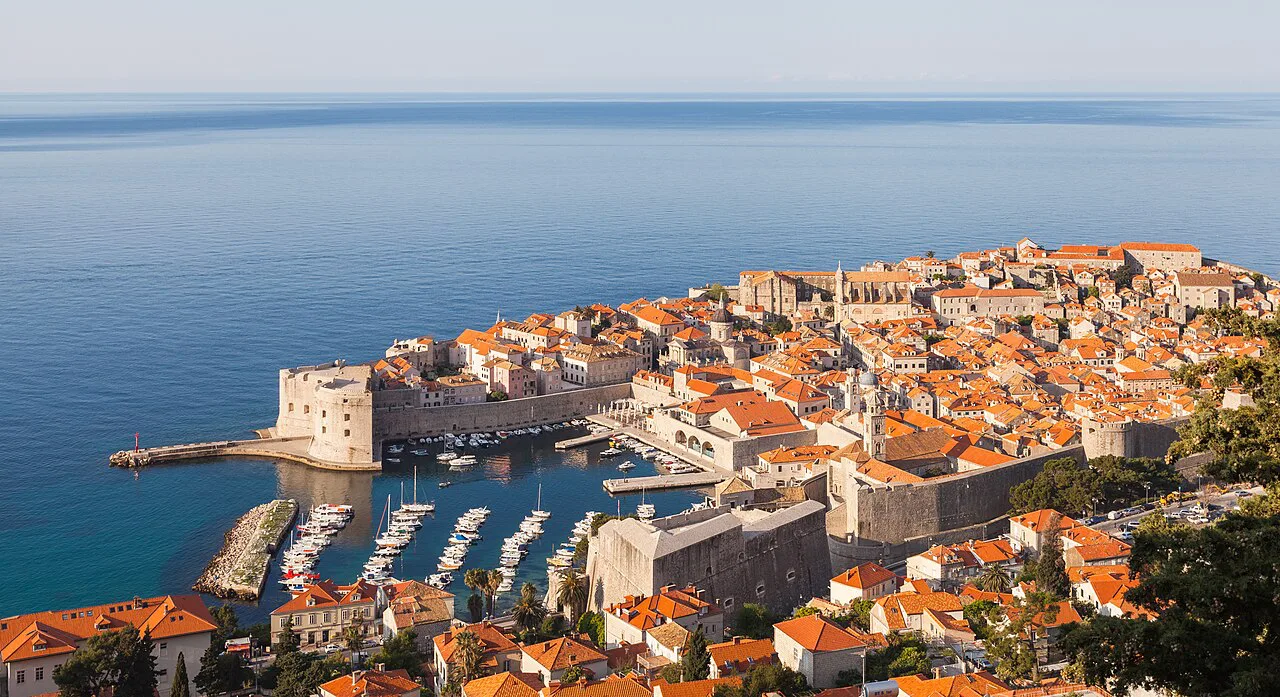
Ston, a small town on the Pelješac peninsula, is known as the oyster capital of Croatia, and the title rests on the Bay of Mali Ston rather than on the town itself. The bay holds a working mix of salt and fresh water and is rich in plankton, the conditions that make oyster farming viable there. The beds have been worked since Roman times, so this is a long-standing local trade rather than a recent restaurant trend.
The practical consequence for a visitor is that Ston's fame is about production, not about a pretty square with terraces. The walls above the town and the small bay at Mali Ston are the backdrop to the beds, and Mali Ston in particular puts you close to the water where the shellfish are grown. If your interest is eating rather than sightseeing, the bay itself is the destination.
How the oysters are farmed in Mali Ston bay
Farming here is manual and slow. Oysters take three to four years to reach harvest size, and growers glue two shells back to back on a large rope so that more food passes through and the shellfish are better protected from predators. Mussels from the same bay are quicker, taking one to two years, and can be grouped in nets rather than handled individually on ropes.
That three-to-four-year grow-out explains a lot about the price of a dozen oysters on a Dubrovnik menu: you are paying for years of rope work in the bay and a short journey up the coast. It also explains why the oysters are served so plainly. Nothing elaborate is needed when the shellfish were in the water shortly before they reached the table.
What Ston oysters taste like and how they are served
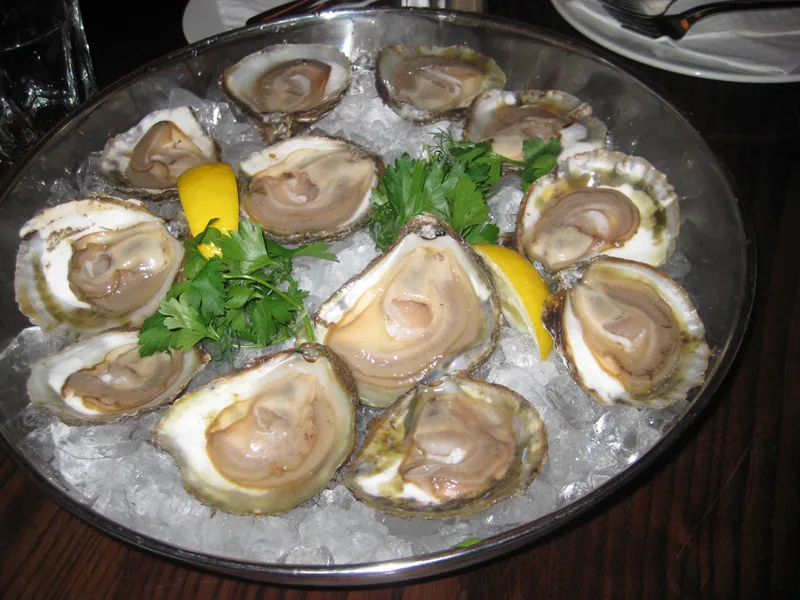
The water in Mali Ston has a salinity that gives the oysters a pronounced briny flavour with a clean, salty finish, the balance of salt and fresh water doing the work. They are at their best raw, with nothing more than a squeeze of lemon, so that the water's character comes through. Order them as a starter and treat them as the reason for the meal rather than a garnish before it.
To drink, a local white works better than anything oaky or heavy. Pošip, the white grape of the Dalmatian coast, goes down easily with a plate of oysters and does not overwhelm them. If you want a red with the rest of the meal, Plavac Mali is the region's prized grape and the obvious choice for fish or grilled meat that follows.
Where to eat oysters in Dubrovnik
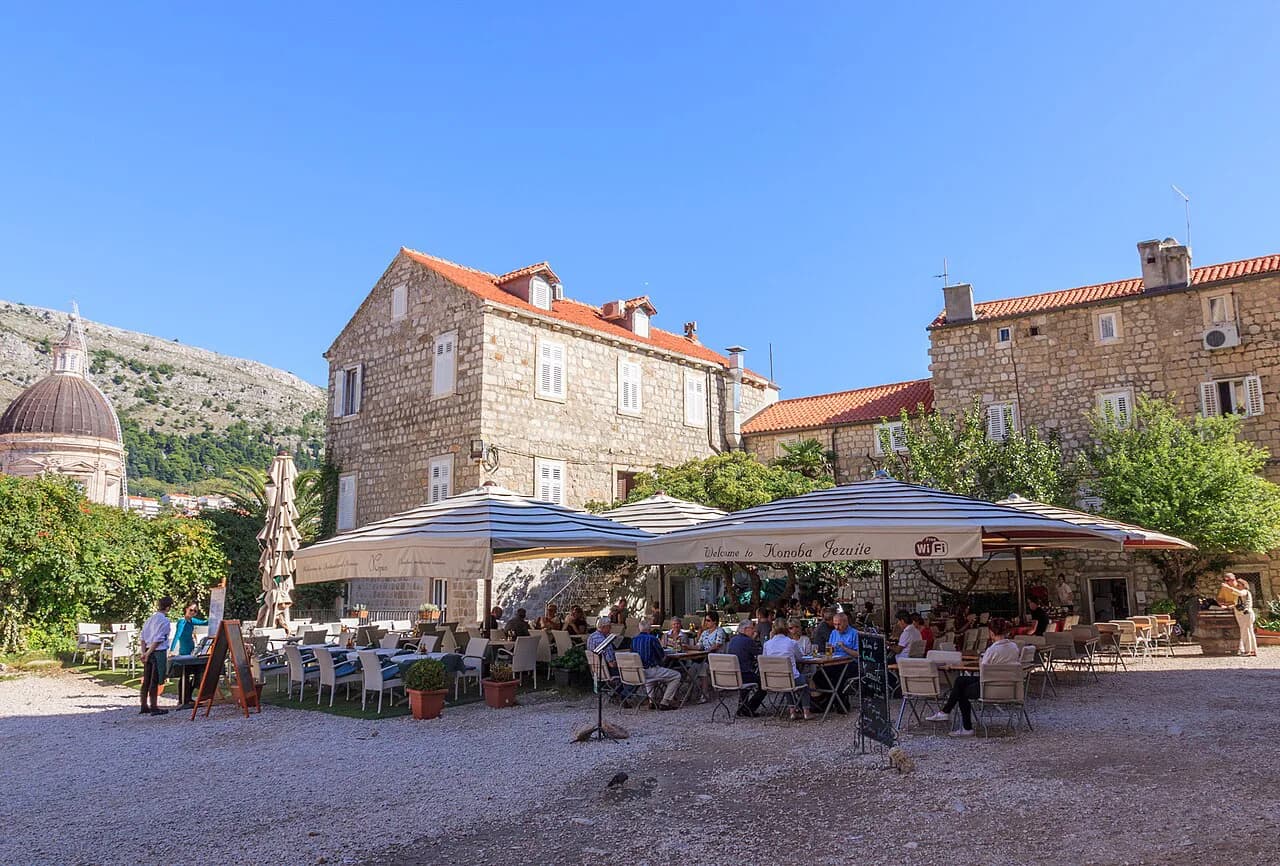
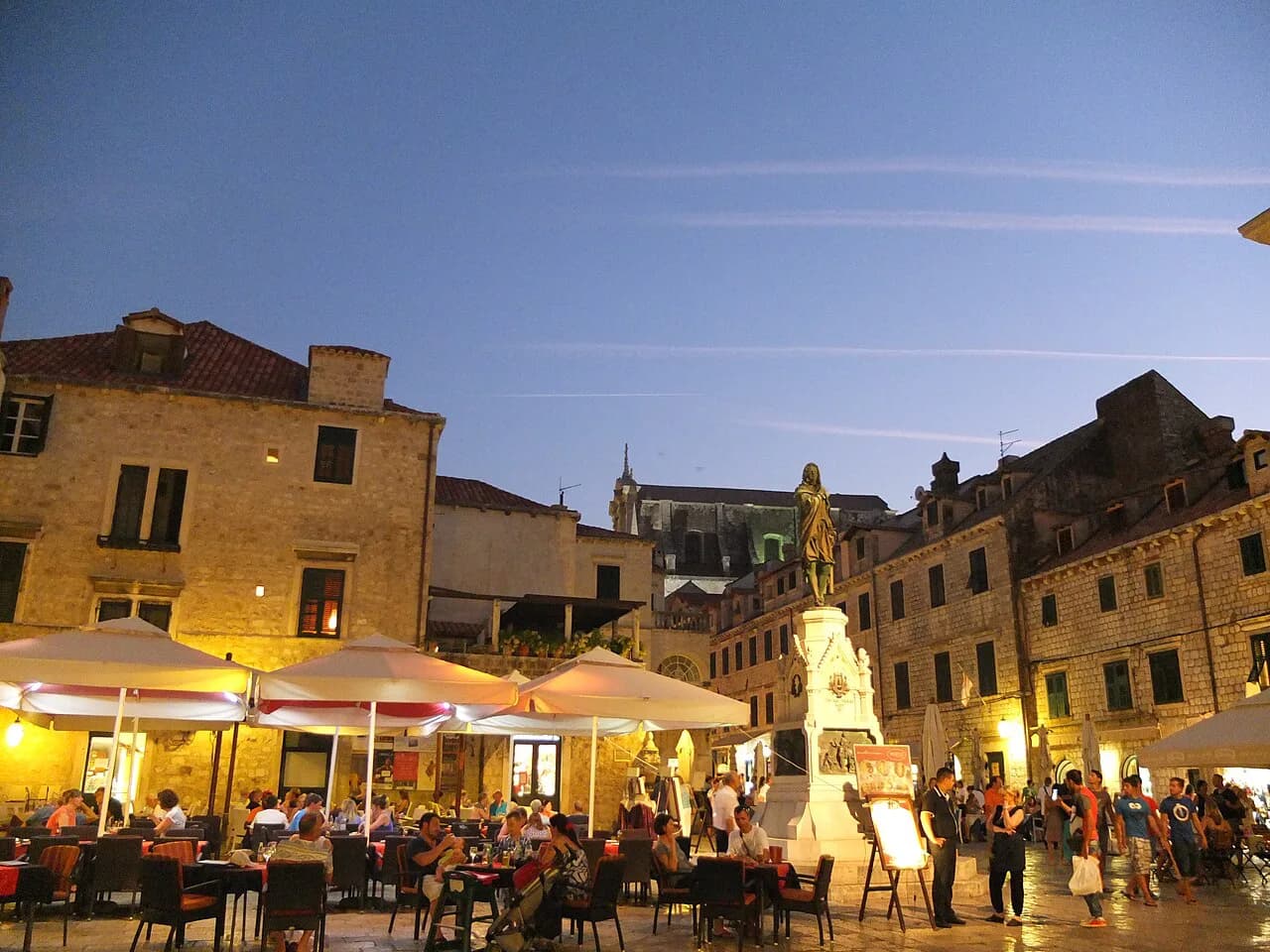
In the city, oysters belong on the seafood menus rather than on the pizza-and-pasta boards aimed at passers-by. Prefer places that specialise in shellfish over all-rounders, since a short seafood menu signals a kitchen that handles raw oysters consistently. The Old Town has the densest cluster of seafood kitchens, but the terraces just off the main stretch tend to charge for the setting as much as the plate.
For a more deliberate meal, our picks among Konobas in Dubrovnik include seafood-led kitchens where a plate of oysters fits naturally into a longer lunch of grilled fish and a bottle of Pošip. A konoba Dubrovnik style usually means a smaller room, a shorter menu and a stronger link to local suppliers, which is exactly the profile you want for raw shellfish.
If you would rather have someone else handle the ordering, a Dubrovnik food tour can put oysters in context alongside other Dalmatian specialities, though tours vary in what they include and where they stop. Read the itinerary before booking so you know whether oysters are actually on the tasting list rather than assumed. Our Dubrovnik Food Tours page sets out the formats available.
Eating at the beds in Ston and Mali Ston
The alternative to a city restaurant is to drive to the bay and eat by the water. In Mali Ston there is a restaurant in the bay, Bota Sare, where you can take a boat out to see how mussels and oysters are harvested, which makes the farming method concrete rather than theoretical. The setting is the point: a small, picturesque bay with the beds a short ride away.
Eating at the source also means the shellfish can reach you within minutes of leaving the water, which is the real argument for the trip. Expect a simple presentation and a short menu built around what the bay produces that day. Wine from the Pelješac peninsula is the natural pairing if you are making an afternoon of it.
Getting to Ston and the Pelješac peninsula from Dubrovnik
Ston sits about an hour's drive from Dubrovnik's old town, along the coast road onto the Pelješac peninsula. The countryside on the way is quiet and open, with small islands and bays on one side and rolling hills on the other, which makes the drive part of the outing rather than dead time. A car gives you the most flexibility, since the beds and the bay restaurants are spread out.
If you would rather not drive, organised excursions run from the city to the oyster farms and the peninsula. These vary in group size, inclusions and whether a meal is part of the price, so compare the detail rather than the headline. Our Dubrovnik Food Tours page sets out the city's food-tour formats if you want the logistics and ordering handled.
What oysters cost and how to order shellfish
Oysters are usually sold by the piece or by the dozen rather than by weight, so the menu price is easy to read and easy to compare between restaurants. Ask how many come in a portion before you order for a table, because a plate of six disappears quickly among three people. The cost reflects the three-to-four-year grow-out in the bay, so expect the price of a plate of Ston oysters to reflect years of rope work rather than a quick crop.
For the wider picture of what a meal in the city costs, including seafood, our Food Prices in Dubrovnik guide sets out the range you should expect across the price bands. It is the sensible cross-check before you commit to a terrace table with a water view.
Booking and the seasonal rhythm of the coast
Dubrovnik's high season compresses the good seafood tables into a few weeks, so book rather than turn up for a weekend dinner in summer. A small konoba with a short menu has fewer covers to fill and fills them faster. Outside the high season, the choice widens and the pace slows, though the city's restaurant scene is always busiest when the cruise crowds are in.
If you are planning a spring or autumn trip, keep your oyster plans flexible. The beds work all year, but the places that serve the shellfish follow the tourist calendar, and a restaurant that is thriving in August can be quiet or shut by late autumn. Aim to eat oysters earlier in your stay so you have room to move the meal if plans change.
Oysters versus mussels from the same bay
Mussels take one to two years to grow rather than three to four, and they can be farmed in nets rather than glued onto ropes, so they are cheaper to produce and usually cheaper on the menu. They are also more forgiving to cook, which is why you see them in wine and garlic broths as often as on ice. For a shared starter before a main course, a bowl of mussels goes further than a plate of oysters.
Order both if you are eating at the bay, since the contrast is the point: the oysters are briny and clean, the mussels softer and sweeter. In the city, pick one and build the meal around it rather than splitting a small portion between the table. Neither needs much more than bread, lemon and a glass of local white.
City table or the bay?
Stay in Dubrovnik if you want oysters as part of a wider meal, with the Old Town on your doorstep and a choice of seafood kitchens within walking distance. Make the drive to Ston and Mali Ston if the shellfish themselves are the reason for the outing and you want to see the beds and eat within sight of the water. Both are legitimate ways to eat the same product from the same bay.
Whichever you choose, order the oysters raw with lemon, drink a local white alongside and, if you are at the bay, add a bowl of mussels for contrast. Book ahead in high season and treat the drive as part of the day out. That is how the Mali Ston oyster makes most sense on a Dubrovnik trip.
Explore more Dubrovnik guides
Frequently Asked Questions
What is the oyster capital of Croatia?
Ston, on the Pelješac peninsula, is known as the oyster capital of Croatia. Its reputation comes from the Bay of Mali Ston, where the mix of salt and fresh water and plankton-rich conditions support oyster farming that has continued since Roman times. The town is about an hour's drive from Dubrovnik.
What is Ston in Croatia famous for?
Ston is famous for two things: its long defensive walls and the oysters grown in the Bay of Mali Ston. The shellfish are harvested from ropes after three to four years and are usually eaten raw with lemon, often alongside a local white wine such as Pošip.
Are the oysters served in Dubrovnik from Dubrovnik?
No. They are grown in the Mali Ston bay on the Pelješac peninsula and brought up the coast to the city's restaurants. Ask where the shellfish come from when you order, and favour places that specialise in seafood over all-rounders.
Sources
Notes on eating well in Croatia
Optional updates to our food guides.
You might also like
Continue reading
More guides you'll find useful