Dubrovnik Cooking Class: What a Dalmatian Cooking Session Involves
A Dubrovnik cooking class means harvesting from a Župa valley garden and cooking Dalmatian recipes. Here is what the session involves and how booking works.
On this page
A Dubrovnik cooking class is a hands-on session where you pick ingredients in a garden and then cook Dalmatian recipes with them, rather than watching a demonstration in a city-centre kitchen. The one running at Mikki's Croatian Kitchen takes up to about three hours at a family kitchen in the Župa valley, roughly 7 km from the Old Town. This guide sets out how the session works, what the garden contributes, how group sizes compare and how the public and private prices weigh up for couples and larger parties.
What a Dubrovnik cooking class involves: harvest, cook, eat
The session is built around a farm-to-table format: you harvest ingredients straight from the garden, cook Dalmatian recipes with your host, then sit down to eat what you have made. The kitchen is a small family operation that grows its own produce in the Župa valley and picks it seasonally, so the ingredients on the day depend on what is ready in the garden. That is the practical difference from a class built on a fixed shopping list: the recipes follow the plot rather than the other way round.
Because the emphasis is on cooking rather than restaurant service, the class suits someone who wants to understand how Dalmatian dishes are put together before eating around the city. If you would rather have someone else do the cooking, a Dubrovnik Food Tours session covers the eating side in a few hours with no chopping involved. Read the garden-to-plate format as the reason to book a class, and a guided tasting as the reason to book a food tour.
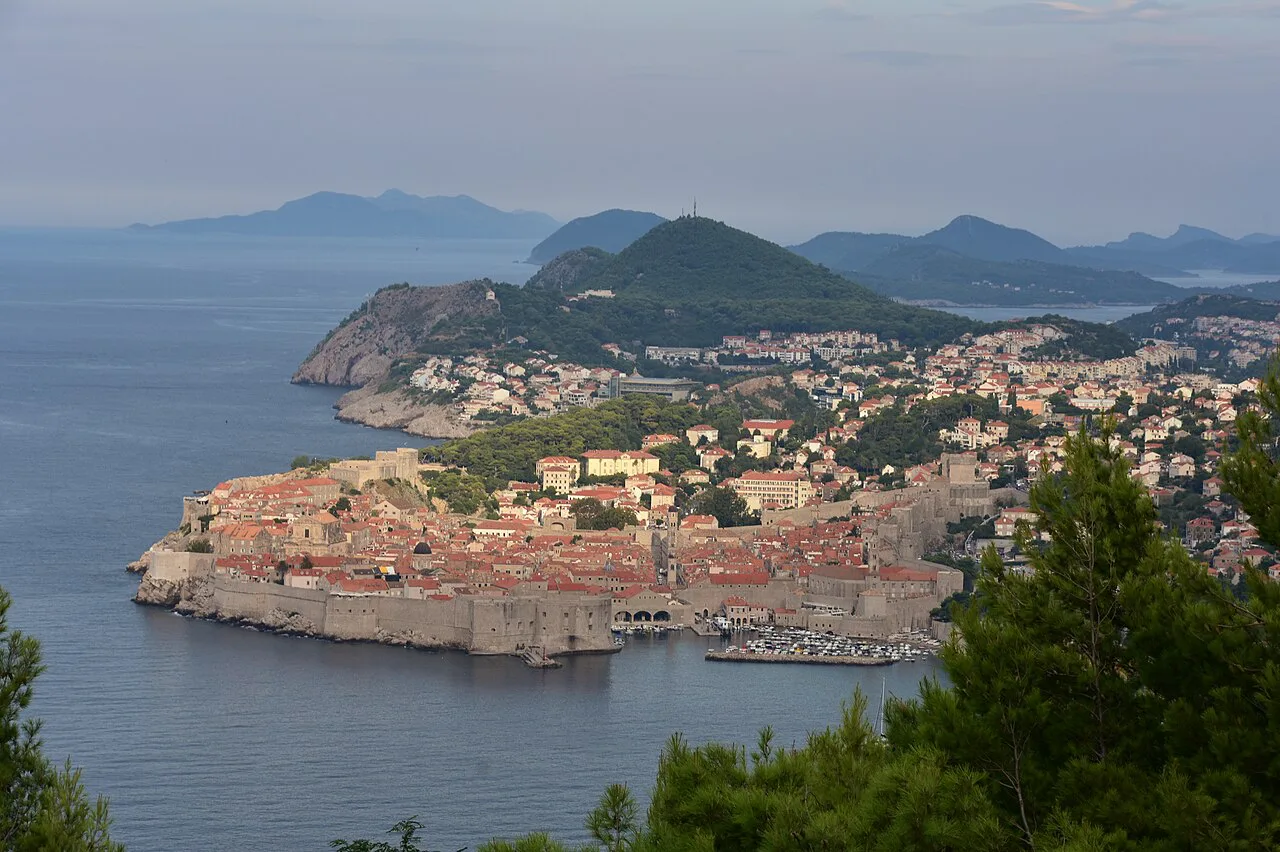
Where it happens: the Župa valley kitchen, 7 km from the Old Town
The kitchen sits in the Župa valley, roughly 7 km from Dubrovnik's Old Town, in a rural setting with an outdoor summer kitchen and a garden. The distance matters when you plan the day: it is a short transfer rather than a walk from the old walls, so build in a taxi or a lift from your accommodation and agree the meeting arrangements when you book. To compare the named places one by one, browse Dubrovnik food landmarks.
The valley location is also what makes the produce side of the class credible, since the herbs, fruit and vegetables come from the ground you are standing on. Guests are invited to wander through the family garden, which is planted with a lemon orchard, and to meet the free-range chickens that keep it clear of pests. If you are weighing this against an Old Town activity, factor in the transfer in both directions before you commit.
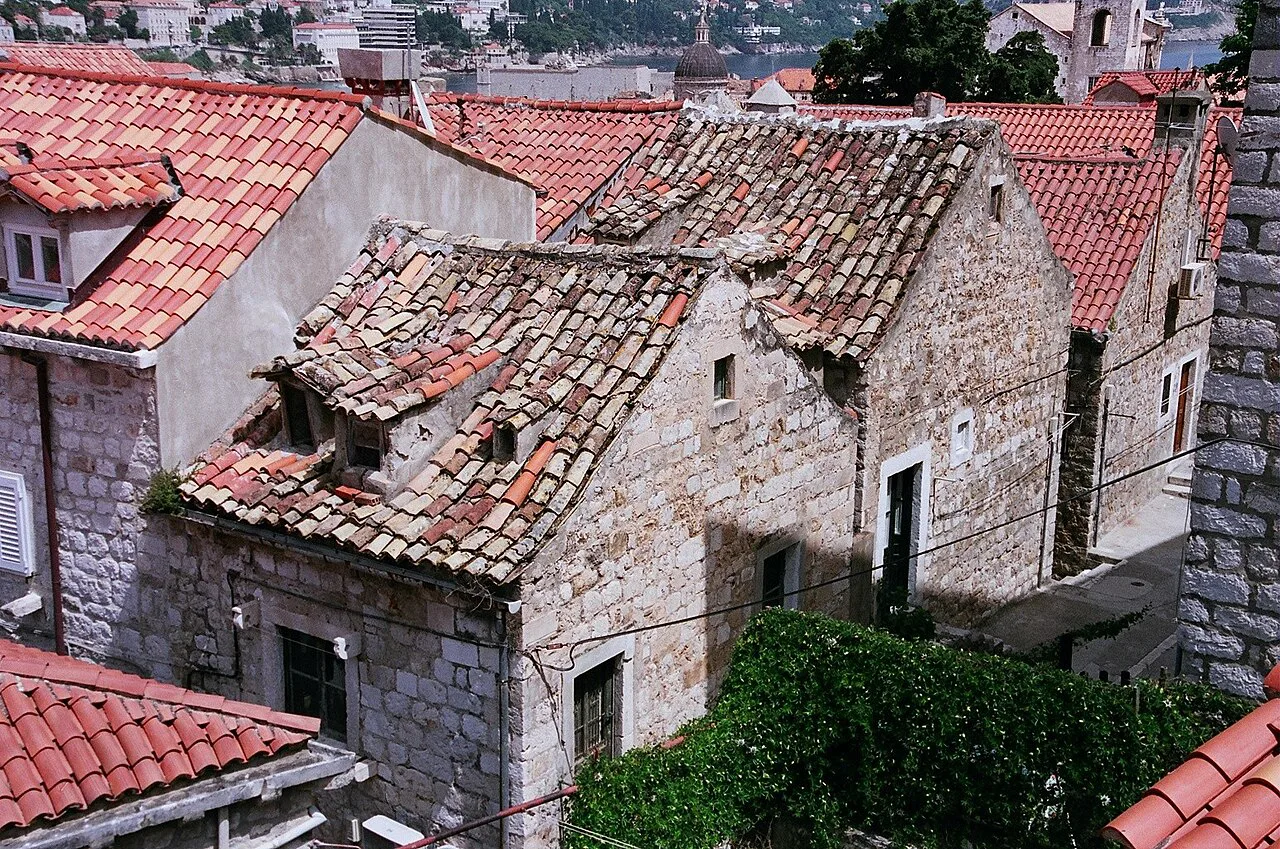
What you cook and eat: Dalmatian recipes built around garden ingredients
You cook Dalmatian recipes using what has been harvested that day, which is the clearest way to see how the region cooks with olive oil, herbs and vegetables. Expect the menu to shift with the season rather than to be a fixed set list, and ask about the likely dishes when you book if a particular plate matters to you. The point of a garden-led class is the cooking method, not a restaurant menu recreated indoors.
The sit-down meal at the end overlaps with the rest of your eating plans, so treat it as a proper meal and go easy on lunch beforehand. If you want to compare what you cook with what the city's konobas serve, the round-up of Konobas in Dubrovnik helps you spot the difference between home cooking and restaurant versions.
How long it takes and how the session is structured
The cooking class runs up to about three hours, which covers the garden harvest, the preparation and cooking, and the meal at the end. Three hours is enough for one unhurried session but not so long that it swallows the whole day, so you can reasonably pair it with an evening plan back in town. Book it for a morning or midday slot and you keep the rest of the afternoon free.
The structure follows the garden: picking first, then cooking, then eating together at the outdoor kitchen, with homemade produce and drinks served alongside. That sequence is why the class feels closer to a long lunch than a formal lesson, and it is worth knowing before you book if you wanted a technique-heavy course. If you would rather spend the evening on a slow-cooked peka Dubrovnik dinner, keep the class at midday and leave the evening clear.
Group size: public class versus private booking
The public class caps at eight people, which keeps the kitchen workable and means you get hands-on time rather than watching over someone's shoulder. The private version, for up to 12 people, is aimed at families and groups who want the session to themselves. Capacity is the first thing to check if you are a party of six or more, since the public option may not have the seats.
A smaller public group also makes it easier to ask questions about technique and about the ingredients, which is the main reason to choose a class over a restaurant meal. If your group is mixed, with some keen cooks and some along for the ride, the private format lets the pace suit your own party rather than a room of strangers.
What it costs: public and private pricing in euros
Public places in the cooking class start at €130 per person, while a private booking starts at €540 for the group and takes up to 12 people. Run the arithmetic before you decide: the flat private rate becomes competitive once your party is large enough that per-person seats would cost more in total, and below that the public class is the cheaper route. Prices are quoted as starting figures, so confirm the total for your date and party size when you enquire.
For comparison, the same kitchen runs a two-hour wellness workshop with Dubrovnik herbs from €68 per person, or from €320 for a private group of up to 15. It is a different kind of session, making a body scrub and hair oil rather than cooking, but the pricing follows the same public-versus-private pattern and is useful if you are choosing between the two.
Cancellation terms differ between the two sessions at this kitchen. The wellness workshop page states a full refund for cancellations made with 48 or more hours' notice, minus bank and card fees, with nothing returned after that. The cooking-class terms are not set out on the same page, so confirm them directly with the kitchen before you pay.
What is included beyond the cooking: garden, chickens, drinks and produce
Beyond the cooking itself, the session includes a wander through the family garden, a meeting with the free-range chickens and a lemon orchard, and drinks served at the outdoor summer kitchen. Homemade lemonade, herbal water, rakija and wine appear on the hospitality side of the kitchen's offering, so a soft drink is an easy choice if you are driving afterwards. The garden and the animals are a large part of why families find the setting easy to enjoy.
The kitchen also sells its own produce, from infused olive oil and seasoning blends to rakija liqueurs and aromatherapy sets, which makes a practical souvenir if you want to take the flavours home. If you would rather buy Croatian food gifts in town, the wider Dubrovnik Food guide covers shops and markets; buying from the source means you know what went into it.
Who it suits: families, couples, non-cooks and mixed groups
Families tend to find the garden, the chickens and the outdoor kitchen give children something to do between cooking steps, and the class runs up to about three hours. Couples on a short city break usually prefer the public class on price, while groups of friends and multi-generation families get more out of a private booking. No prior skill is needed, as the session is guided from the harvest through to the meal.
If your interests lean more towards eating in the city than cooking outside it, a food tour or a table at a peka restaurant will suit you better than a kitchen session. The class rewards people who want to handle the ingredients and learn the method, not those who mainly want a restaurant dinner without the work.
Booking a private session for a group
For a group, the sensible first step is to compare the published figures: public seats from €130 per person, capped at eight people, against a private rate from €540 for up to twelve. A party of five or more generally finds the private booking worth pricing properly, and it gives you control over timing and pace. Contact the kitchen directly with your dates, group size and questions about the food and arrangements.
Build the transfer from the Old Town into your plan, since the Župa valley kitchen is about 7 km out, and agree a pickup or taxi time that leaves margin for the return. Pair the session with a light evening rather than a big lunch, and you get the most out of a day that starts in a garden and ends with a meal you cooked yourself.
Public seat or private booking?
Choose a public seat if you are a couple or a small group and want the lower per-person cost, with the bonus of cooking alongside other travellers. Choose the private booking once your party is big enough that the flat rate beats the per-person total, or when you want the kitchen to yourselves. Either way, book directly with the kitchen, confirm the total for your date, and plan the 7 km transfer from the Old Town into the day.
Explore more Dubrovnik guides
Frequently Asked Questions
Do you need to be an experienced cook to join a Dubrovnik cooking class?
No. The session at Mikki's Croatian Kitchen is guided from the garden harvest through to the meal, so beginners are catered for alongside more confident cooks. The emphasis is on Dalmatian home cooking and the ingredients you pick, not on professional technique.
Is a Dubrovnik cooking class suitable for children?
The garden setting, with free-range chickens, a lemon orchard and an outdoor summer kitchen, gives children plenty to do between cooking steps, and the session runs up to about three hours. Ask the kitchen directly about any minimum age or supervision rules for families.
Is there a vegetarian option?
The menu follows what is harvested from the garden that day and is not published as a fixed list, so ask about vegetarian dishes when you enquire. The kitchen can tell you what is likely to be cooking for your date before you commit.
Sources
Notes on eating well in Croatia
Optional updates to our food guides.
You might also like
Continue reading
More guides you'll find useful