Peka in Dubrovnik: Where to Order Croatia's Dish Under the Bell
Peka is Croatian meat or octopus slow-cooked under a metal bell. Here is what the dish is and where to order it in and around Dubrovnik.
On this page
Peka in Dubrovnik means one dish: meat or octopus layered with vegetables and herbs, covered by a heavy metal bell and cooked slowly over embers. Three addresses in and around the city do it properly, and each suits a different evening. This guide explains what the dish is, how the advance ordering works and which of the three to book for a couple, a group or a hosted family dinner.
For the wider picture of what to eat in the city, from seafood risotto to rožata (a caramel custard dessert), the broader Dubrovnik Food guide covers the dishes worth planning a day around.
What peka actually is
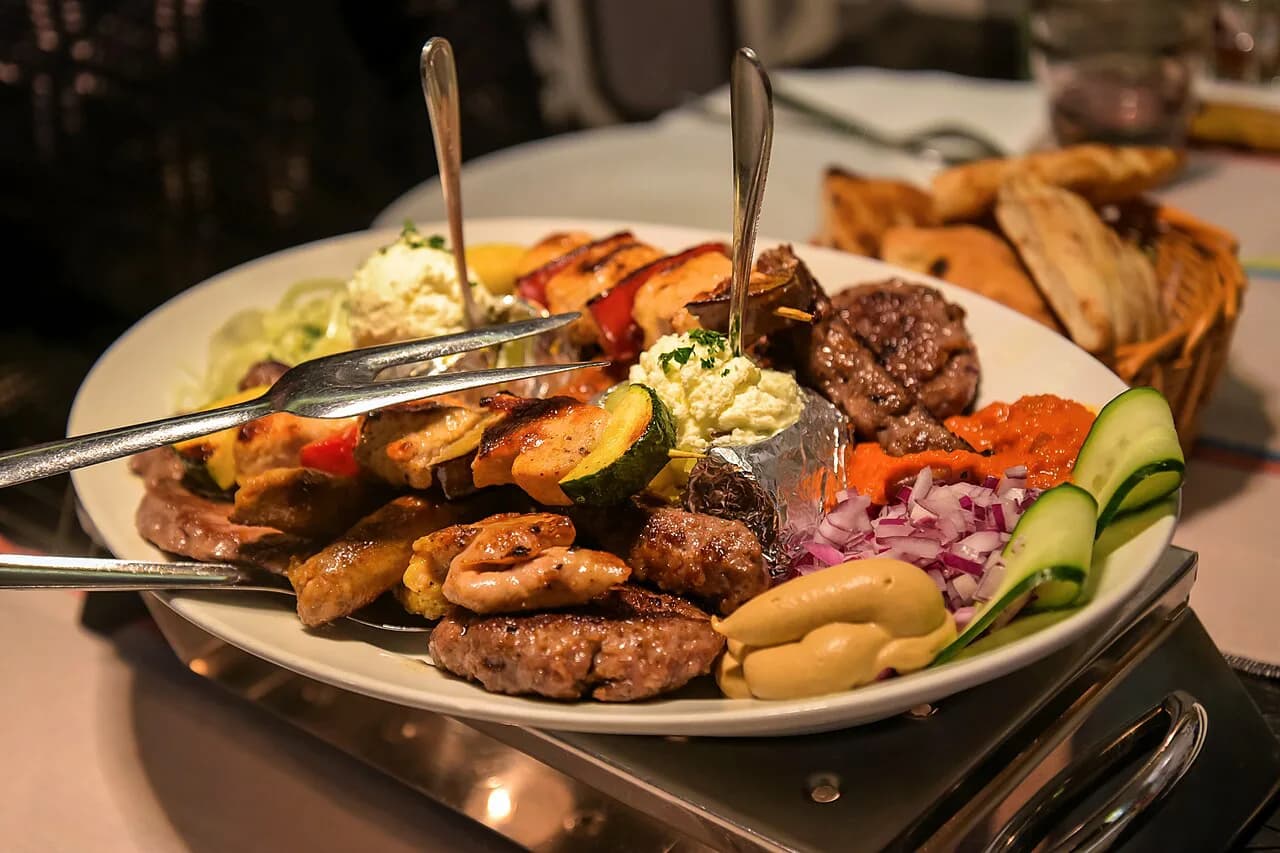
Peka is both the name of the metal lid and the dish cooked beneath it. Pieces of lamb, veal, pork or octopus go into a shallow tray or pot with potatoes and vegetables, the bell is set over the top and hot coals are heaped around and on it. Nothing escapes, so the meat steams and roasts at once and ends up falling off the bone with a faint smoke running through it.
It is a countryside technique rather than a restaurant invention, the sort of thing Dalmatian families cooked on an open fire at home. Konoba Dubrava calls it the oldest way of preparing food in the Adriatic, and describes the same basic method: a blend of vegetables with meat or octopus, baked in the embers of a fireplace. That heritage is part of the appeal, though what reaches your table is simply a very good braise with a crisp edge.
Why peka takes hours and has to be ordered ahead
The bell has to heat through, the coals have to be managed and the meat has to cook slowly enough to tenderise, which is why no kitchen can turn a peka around while you sit waiting. Konoba Dubrava is explicit about this: peka takes at least three hours to prepare under the iron bell, so the kitchen asks guests to order in advance. That timing applies to Dubrava specifically; treat any peka order elsewhere as something to arrange when you book rather than when you arrive.
In practice this changes how you plan an evening in Dubrovnik. Decide where you want to eat peka a day or two before, message or call to reserve and say that you want the dish under the bell, then build the rest of the day around a long lunch or a late dinner. Arriving without a pre-order and hoping for peka is the move most likely to leave you without it.
Konoba Pjatanca on Koločepska: family cooking since 1997
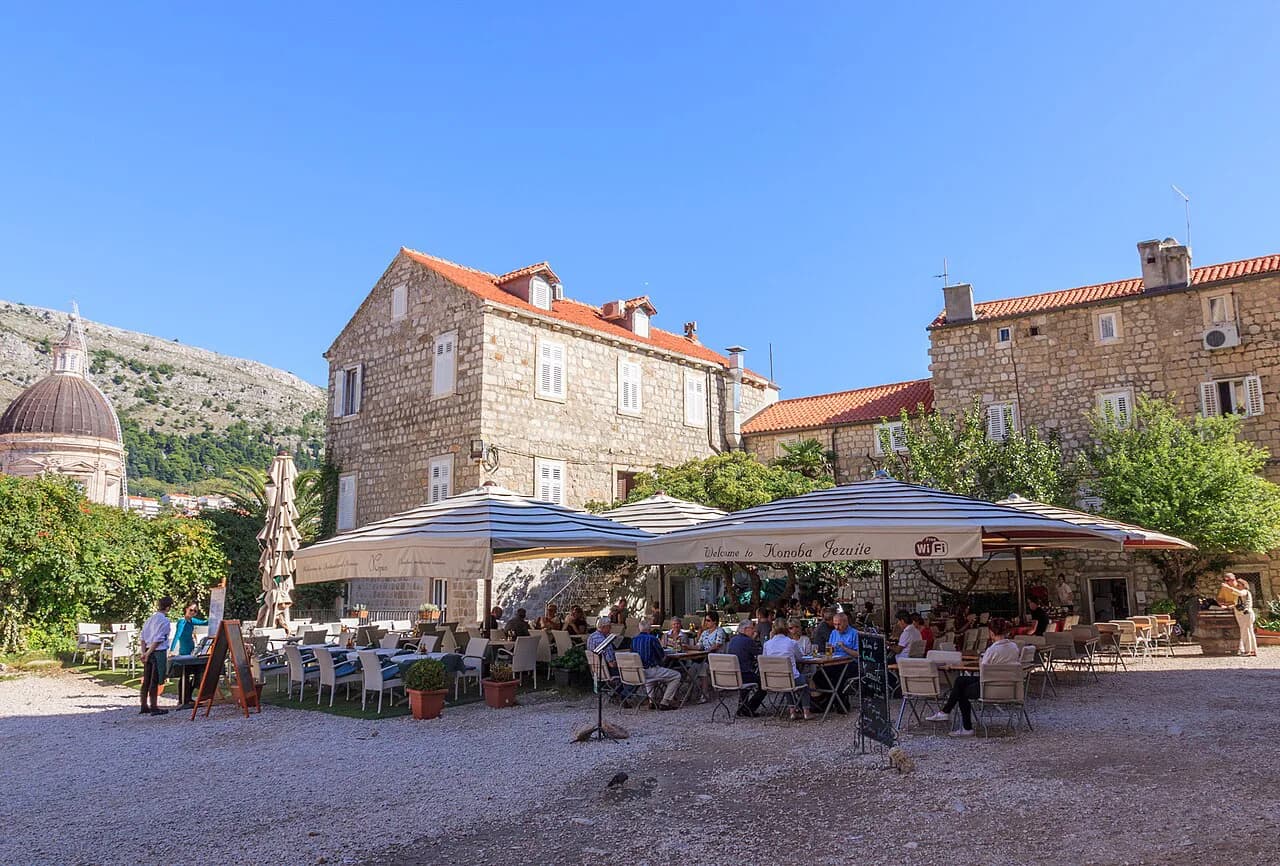
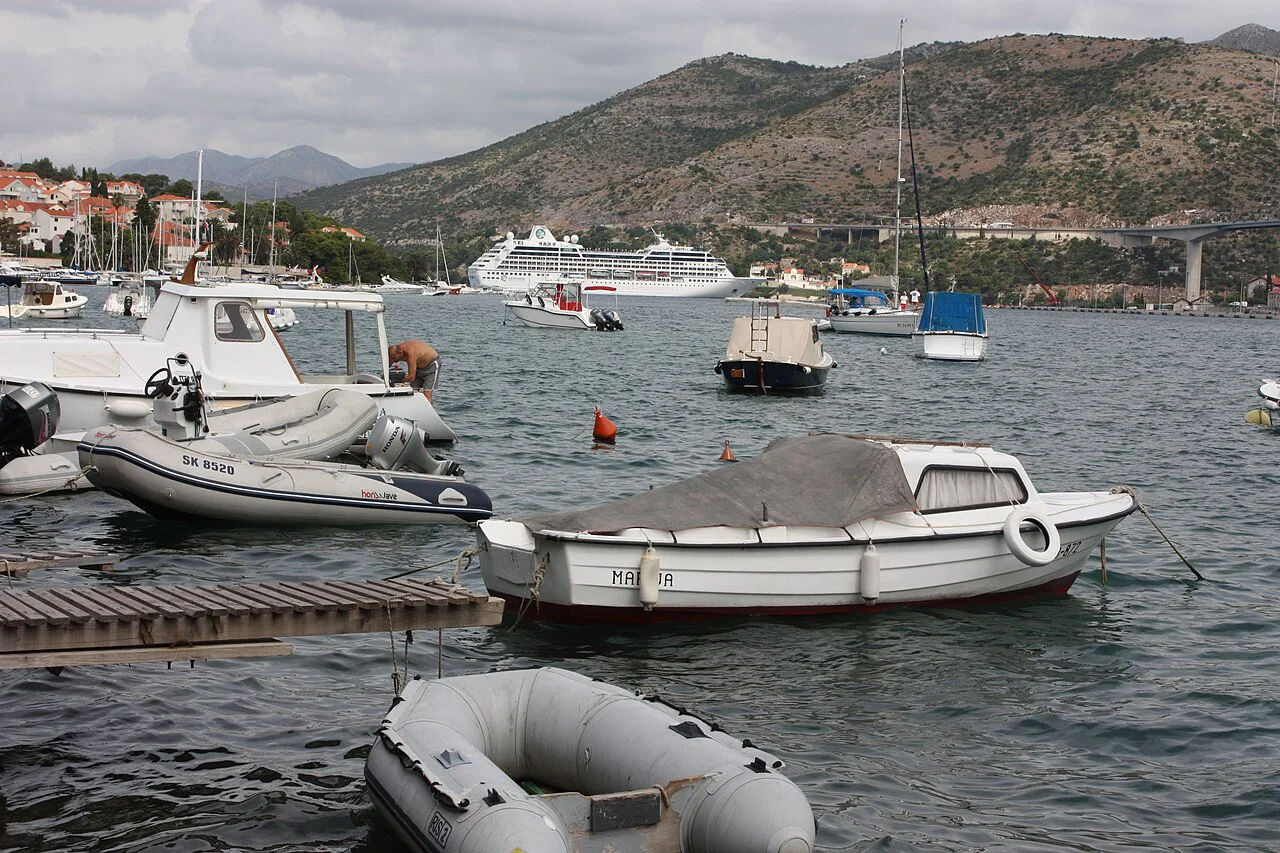
Konoba Pjatanca sits at Koločepska ul. 2, easy to reach on foot from the Old Town. The family presents itself as a long-running restaurant since 1997, cooking Dalmatian food the way coastal households do: olive oil, fresh herbs, seafood and slow-cooked meat.
The kitchen works both sides of the Dalmatian repertoire. Peka comes as meat or seafood cooked under the bell, while the rest of the menu leans on the Adriatic: grilled sea bass and bream, shellfish in buzara (a garlic, white wine and tomato broth), and octopus salad. That spread matters if you are dining with someone who does not want a heavy braise, since a mixed table can order one peka to share and fill the rest with fish.
Konoba Dubrava on Srđ hill: the countryside version
Konoba Dubrava trades the city for Bosanka on the slopes of Srđ hill, about ten minutes by car from the Old Town. The draw is the setting as much as the food: a family restaurant among the trees with an open kitchen, where staff show guests how the peka is assembled before it goes into the embers. If you want the dish in something close to its original rural context, this is the one to choose.
The bell here is filled with lamb, pork, veal or octopus, and the kitchen also grills over charcoal, so a table can pair one peka with barbecue. Because the drive back into town is not a stroll, plan transport before you go rather than improvising at the end of a long dinner. It also makes Dubrava a stronger choice for a group with a car or a booked transfer than for a solo traveller on foot.
Local Dubrovnik: peka as a hosted dinner
Local Dubrovnik runs peka differently again. Marija and Zlatko host a family-style peka experience at Ulica Dinka Ranjine 8 in Dubrovnik, with peka of veal and potatoes cooked under the bell and served with homemade sides. It is booked as an experience rather than a table, so you commit to an evening with hosts at the centre of it, not just a plate of food.
That format suits people who want the method explained, the conversation and a fixed sit-down with a group of fellow travellers. The trade-off is flexibility: you cannot drift in for a quick plate of peka on your own schedule, and the evening is a set event. The same hosts also run a Dubrovnik cooking class and an olive oil tasting, so peka can be one part of a longer food-focused stay.
Choosing between an Old Town address, a konoba outside the walls and a hilltop kitchen
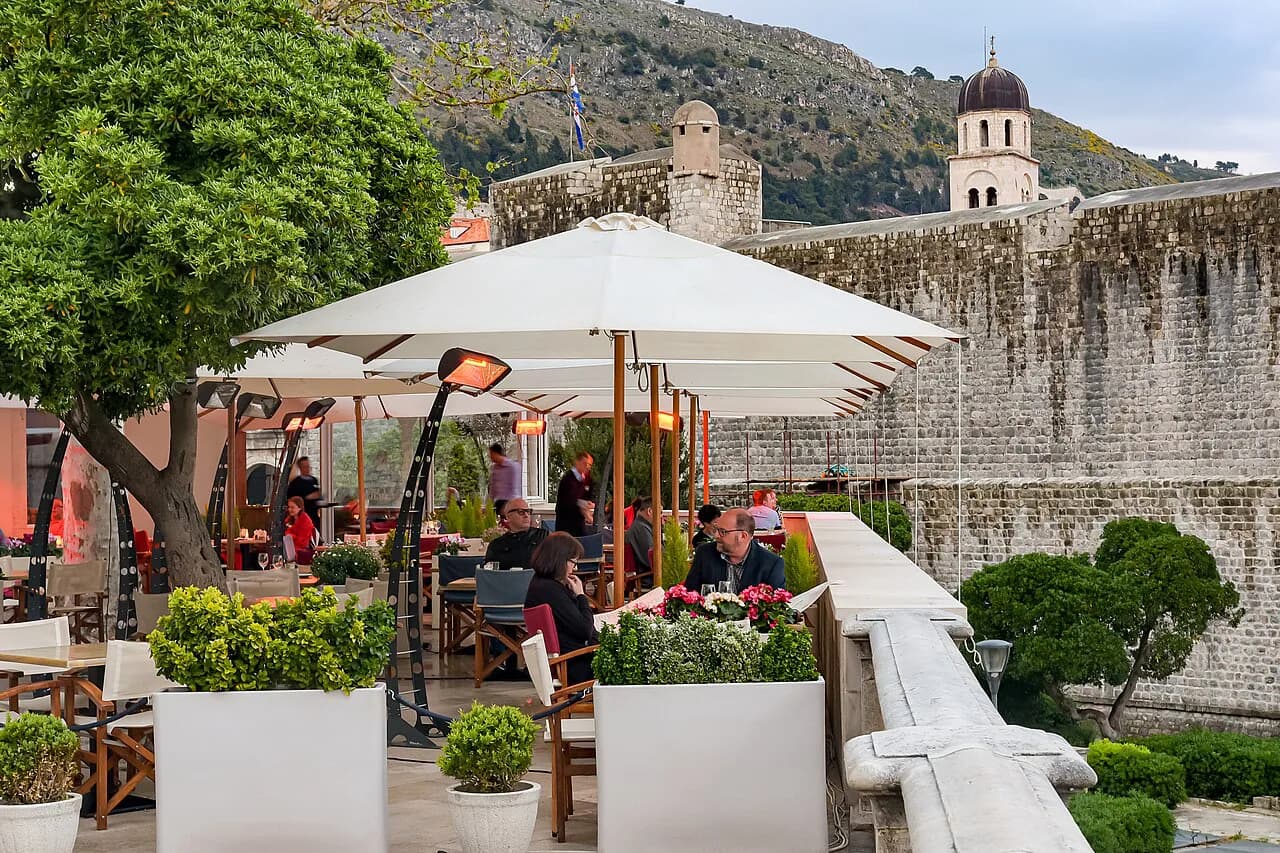
Match the venue to the evening you actually want. Pjatanca is the easy default for a conventional dinner within walking distance of the Old Town, with seafood on the table alongside the peka. Dubrava is the choice when the meal is the outing, with a hillside setting and a car or transfer built in. Local Dubrovnik is for a booked, hosted dinner where the cooking is the entertainment.
Think about the season and your group size before you commit. In high summer, a hilltop kitchen with open air and an open fire is a pleasant escape from the crowded streets, while a short walk back to an Old Town apartment wins on a wet or windy night. A whole bell of peka is a large shared dish, so a couple ordering one may want to plan the rest of the meal around it.
Ordering for two or for a group
Peka is built for sharing: a whole bell arrives at the table and everyone takes from it, usually with potatoes that have cooked in the juices and a bowl of something green alongside. A table of four to six can order one peka plus a few fish or grilled dishes and eat very well. A couple ordering a full peka should expect a generous plate and plan the rest of the meal accordingly.
For larger groups, mention numbers when you reserve and say that you want peka, because the kitchen needs to know how many bells to prepare in advance. Dubrava takes group enquiries separately from ordinary reservations and asks guests to order ahead for anything under the iron bell. A birthday or family table is easier to organise when the main dish is agreed at the booking stage rather than on the night.
What to drink with peka
The dish is rich, salty and smoky, so a dry white or a lighter red tends to work better than anything oaky or sweet. Many konobas pour house wine by the glass or carafe, which keeps the bill sensible when the food is the main event.
For a broader look at what a meal in the city costs, see the guide to food prices in Dubrovnik, since a shared peka for a group spreads the cost differently from individual mains.
Booking in high season
Bookings matter in the warmer months, and peka makes booking more important than usual because the dish cannot be produced on demand. Pjatanca does not require a reservation but recommends booking ahead during the season, and Dubrava asks guests to reserve before arriving and to order under-the-bell dishes in advance. Local Dubrovnik is booked as an experience rather than a table. For a July or August evening, contact your chosen venue days rather than hours ahead.
When you get in touch, be specific: say how many people, which evening and that you want peka, and ask whether they need a pre-order for the bell. If you are weighing up a food tour instead of a sit-down meal, a Dubrovnik Food Tours trip covers several stops in one go, but peka is a dish to settle into rather than taste on the move.
Which peka should you book?
Book Pjatanca if you want a classic konoba dinner a short walk from the Old Town, with peka sharing the table with Adriatic fish. Book Dubrava if the meal should feel like a trip out of the city, with an open kitchen and a hillside setting. Book Local Dubrovnik if you would rather join a hosted family dinner in the Old Town than order from a menu.
Whichever you choose, sort the peka when you reserve rather than on arrival, and confirm the current arrangement directly with the venue before you travel.
Explore more Dubrovnik guides
Frequently Asked Questions
What is the Croatian dish peka?
Peka is meat or octopus cooked with potatoes and vegetables under a heavy metal bell that is covered with hot embers. The lid traps the heat and steam, so the food roasts and braises at the same time and comes out tender with a smoky flavour. The Dubrovnik kitchens here fill it with lamb, veal, pork or octopus.
Do you need to order peka in advance in Dubrovnik?
In practice, yes. Konoba Dubrava states that peka takes at least three hours to prepare under the iron bell and asks guests to order ahead. Elsewhere, arrange the dish when you book your table rather than when you sit down.
How many people does a peka serve?
A whole bell is a shared dish and comfortably feeds a table of four to six alongside a few other plates. Two people ordering a full peka should expect a very large portion and may want to skip starters.
Sources
Notes on eating well in Croatia
Optional updates to our food guides.
You might also like
Continue reading
More guides you'll find useful