Konobas in Pula: Where to Eat Traditional Istrian Food
A practical guide to konobas in Pula: what a konoba is, which taverns to pick, what to order from Istrian menus and how to plan a meal around them.
On this page
A konoba is Croatia's traditional tavern: a modest, family-run eating place built around local produce, simple cooking and long tables. In Pula they sit alongside ordinary restaurants and pizzerias, but the konoba style tells you what to expect — cured meats, cheese, seafood and grilled meat rather than a modern à la carte performance. This guide picks out the Pula konobas worth planning around, explains what to order from an Istrian menu and sets out how a meal usually runs.
What a konoba is and how it differs from a Pula restaurant
The word konoba originally described a wine cellar, and the name has carried over to taverns that keep the feel of one: plain furniture, local wine served by the carafe and a menu that changes with what the kitchen can buy. In Pula, that usually means Istrian cooking — cured ham, sheep's cheese, seafood from the northern Adriatic and grilled meat — served without much ceremony. A konoba is a good choice when you want the region on a plate rather than an international menu.
The practical difference shows up in portioning and pace. Konoba meals are built for sharing: a plate of cured meats and cheese to start, then one grilled fish or a meat platter between two, with bread and a simple vegetable side. Ordering a separate main per person usually means leaving food behind, so ask how large the portions are before you commit. If you want a quicker, cheaper sit-down meal, the pizzerias and bistros in the centre are the better fit.
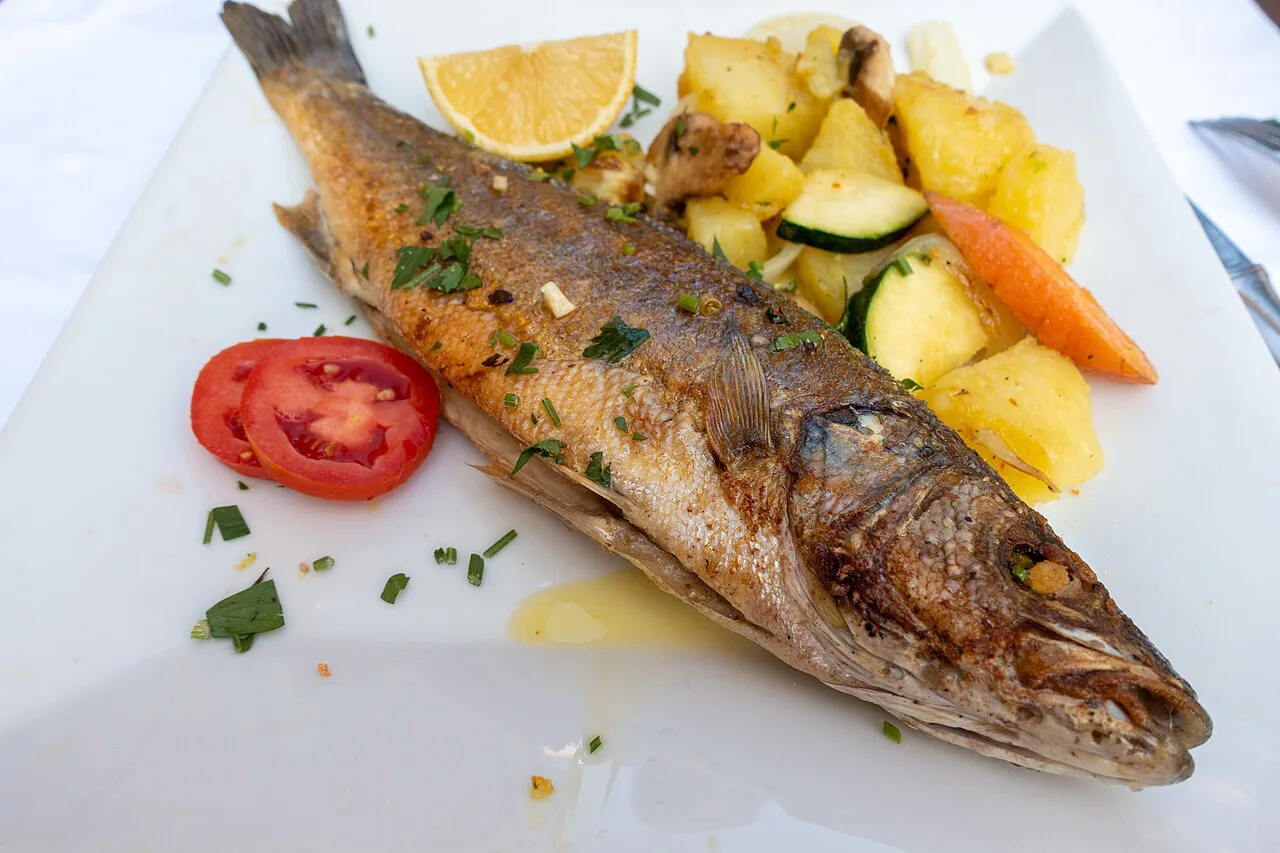
Konoba Bocun on Šijanska cesta: garden terrace, heated terrace and takeaway
Konoba Bocun sits at Šijanska cesta 24, away from the old town, and its own site sets out the practical details clearly. It has an outdoor garden for warm evenings, a heated terrace for when the weather turns and air-conditioned indoor rooms, so you can choose your setting rather than accept whatever is free. The kitchen runs a varied menu rather than a seafood-only one, which makes it a sensible pick for a mixed group.
Several things here are worth knowing before you set out. The site lists free parking for guests, step-free access, pets allowed, takeaway and an online booking form, and it accepts cash, contactless payment, Mastercard, Visa and debit cards. It also advertises the heated section of the terrace for cooler weather and air-conditioned rooms indoors, so you can pick your setting.
Bocun also handles catering, private celebrations and wedding receptions, which means the dining room can be busy with a function. If you are set on a particular evening, reserve ahead and say whether you want the garden, the heated terrace or indoors. The trade-off for the quieter Šijanska cesta setting is that you will need to travel out from the centre rather than walk to dinner.
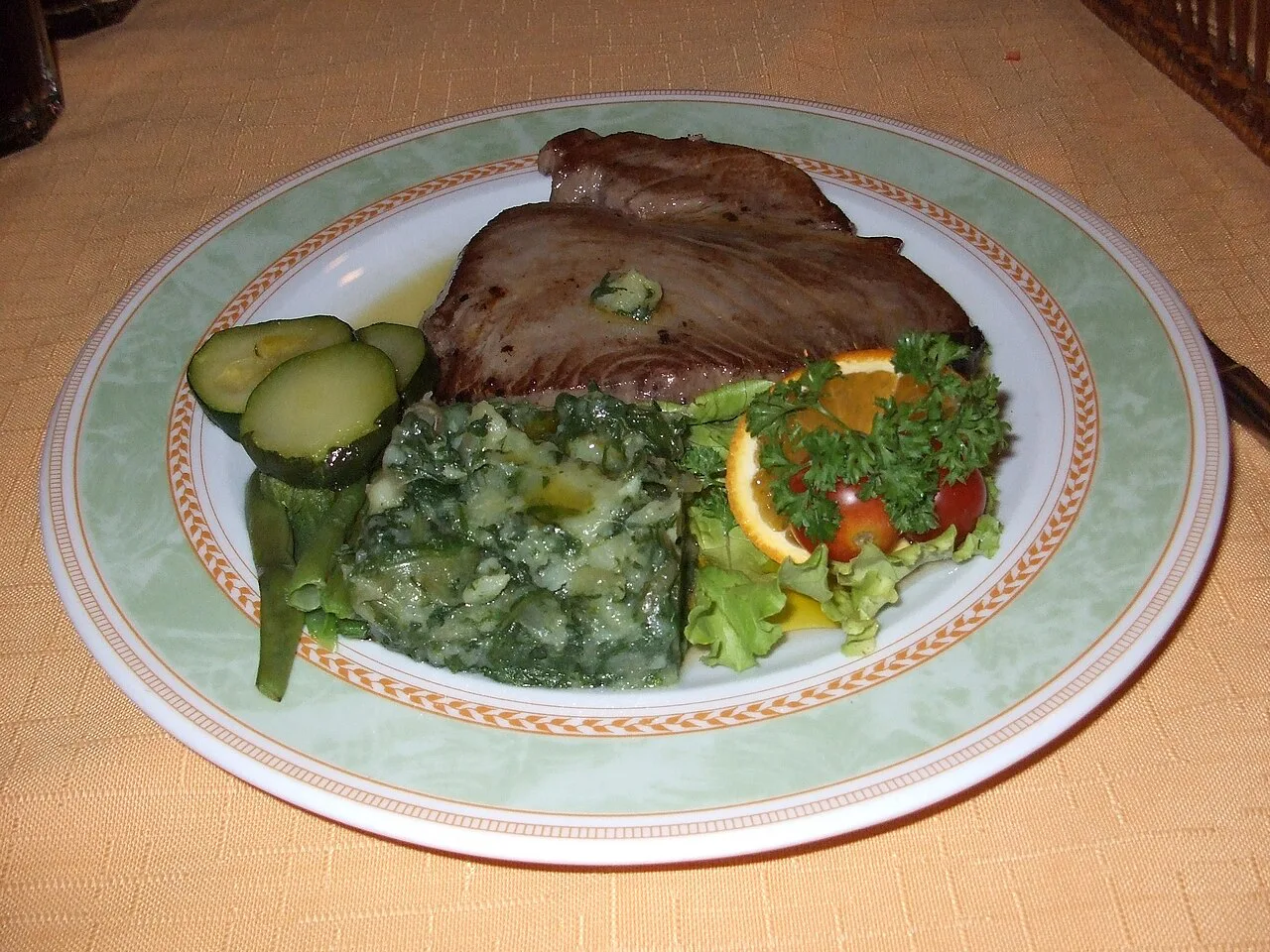
Konoba Istriana on the edge of Pula: a quiet setting for an Istrian meal
Konoba Istriana sits slightly outside Pula in a notably tranquil spot, which suits anyone who would rather eat without the noise of the centre. Visitors describe kind staff who speak Italian fluently, a useful detail in a region where Italian is widely understood alongside Croatian. That makes it an easy choice for a slower Istrian meal away from the old-town terraces.
The trade-off is the same one that applies to any edge-of-town konoba: you give up the convenience of stepping out of your accommodation and walking to a table. Sort out your journey back before you settle in for a long dinner, and agree a pick-up if you are relying on a taxi or a lift. For a calm dinner with Italian-speaking service, the short trip out is usually worth it.
Konoba Batelina: a seafood-focused konoba worth choosing in Pula
Konoba Batelina is listed among Pula's seafood restaurants and appears on the city's ranked restaurant list, which points to a kitchen known for fish rather than a broad meat-and-pasta menu. If your idea of an Istrian meal is a whole grilled fish, shellfish and a carafe of local white, this is the style of konoba to book. It sits among Pula's well-reviewed places to eat, so treat a summer table as something to arrange in advance.
A narrow seafood menu is a strength and a limitation at once. Anyone in your party who does not eat fish will be better served at a konoba with a broader menu, such as Bocun. For the fish eaters, though, a kitchen that concentrates on the catch is exactly why you choose a konoba over a general restaurant.
How a Pula konoba meal runs: from pršut and paški sir to a shared main
Start with pršut, the Istrian dry-cured ham sliced thin and served with olives or pickles, and paški sir, the firm sheep's cheese from the island of Pag. Together they make the standard cold opener on a konoba table and are the quickest way to taste the region before the main arrives. Add a plate of marinated anchovies or sardines if the kitchen has them.
For the main, order one larger dish to share rather than two separate plates. A grilled fish, a mixed meat platter or a pot of pašticada, the slow-braised beef in a sweet-sour sauce served with gnocchi, all work better split between two people with a side of chard or potatoes. Istrian pasta such as fuži with truffles or boškarin ragu is a good middle course if you want to stretch the meal.
Finish with something small and local if you have room — a slice of cake or a scoop of gelato — because konoba desserts tend to be homely rather than elaborate. A food tour beforehand can help you work out which dishes you want to seek out at the table, while a cooking class is the option if you would rather learn to make them yourself.
Fish and seafood on Pula konoba menus and how to order it
In Pula, fish is usually sold by weight rather than as a fixed-price plate, and the waiter will typically bring the whole fish to the table to show you before it is cooked. Ask for the weight and the price per kilo at that moment, then confirm you are happy before the kitchen starts. This is normal practice, not a negotiation, and it stops a surprise on the bill.
Whole fish is typically grilled simply with olive oil, lemon and a little salt, so the quality of the catch matters more than the sauce. Alongside it, look for squid, cuttlefish, mussels and prawns, and expect shellfish to be priced the same way as fish. A plate of grilled vegetables or a simple salad balances the meal without competing with the seafood.
Paying in Pula: cash and card at konobas
Card acceptance varies between konobas, so carry some euros as a backup even if you plan to pay by card. Konoba Bocun's site confirms it takes cash, contactless payment, Mastercard, Visa and debit cards, though that says nothing about other venues. Smaller taverns can be cash-only or prefer cash for a small bill, and Croatia has used the euro since 2023, so there is no currency conversion to worry about.
Tipping is not compulsory but is normal for good service, usually by rounding up or leaving around ten per cent. Check the bill before paying and ask if a cover charge applies.
Booking a konoba table in high season versus eating off-peak
In July and August, Pula fills up and the better-known konobas book out days ahead. Use the venue's own booking route where one exists — Konoba Bocun, for example, takes reservations through its site — and specify the garden if you want to eat outside. Walk-ins are still possible early in the evening, but a table at eight o'clock is a gamble in peak season.
Outside the summer months, booking becomes much less critical, and many konobas are quieter on weekday evenings. Some coastal kitchens cut their hours or close for part of the winter, so check before you travel out of the centre. The upside of eating off-peak is a calmer room and more attention from the kitchen.
If your plans are loose, a Pula food tour can fill a lunchtime slot and show you the dishes to look for later, leaving the evening free for a konoba. Combine a seafood konoba with a street food lunch earlier in the day and you get both sides of the city's eating without over-ordering at either.
Which Pula konoba should you book?
Choose Konoba Bocun if you want flexibility — a garden in summer, a heated terrace in cooler weather and a varied menu that suits a mixed group. Pick Konoba Istriana for a quieter meal on the edge of town, and Konoba Batelina when the fish is the point of the evening. Whichever you choose, order pršut and paški sir to start, share a main and confirm the weight and price of any fish before it is cooked.
Explore more Pula guides
Frequently Asked Questions
What does konoba mean in Croatian?
Konoba comes from the word for a wine cellar and now describes a traditional tavern serving local food and wine, often family-run and simply furnished.
Do Pula konobas take cards?
Some do and some do not. Konoba Bocun accepts cash, contactless payment, Mastercard, Visa and debit cards; for other venues, carry euros as a backup.
Sources
Notes on eating well in Croatia
Optional updates to our food guides.
You might also like


Continue reading
More guides you'll find useful