Pula Cooking Classes: What the Menus Cover
Pula cooking classes let you choose between meat, fish, vegan, pasta, pizza and pastry menus. Here is how to pick the format that suits you.
On this page
Pula Cooking Classes lists six menu formats: meat, fish, vegan, pasta, pizza and pastry, so the dish you want to cook is the first choice to make. Once that is settled, ask the provider how the session is run before you book.
This guide sets out the menu formats one Pula provider lists and what to weigh up when choosing between them. It is written for visitors who want one kitchen session rather than a full holiday programme.
What a Pula cooking class involves
The Pula Cooking Classes contact page organises the offer around a menu rather than a fixed curriculum: you choose meat, fish, vegan, pasta, pizza or pastry when you enquire.
Because the format names a theme rather than a printed list of dishes, ask the provider what a given menu covers before you commit.
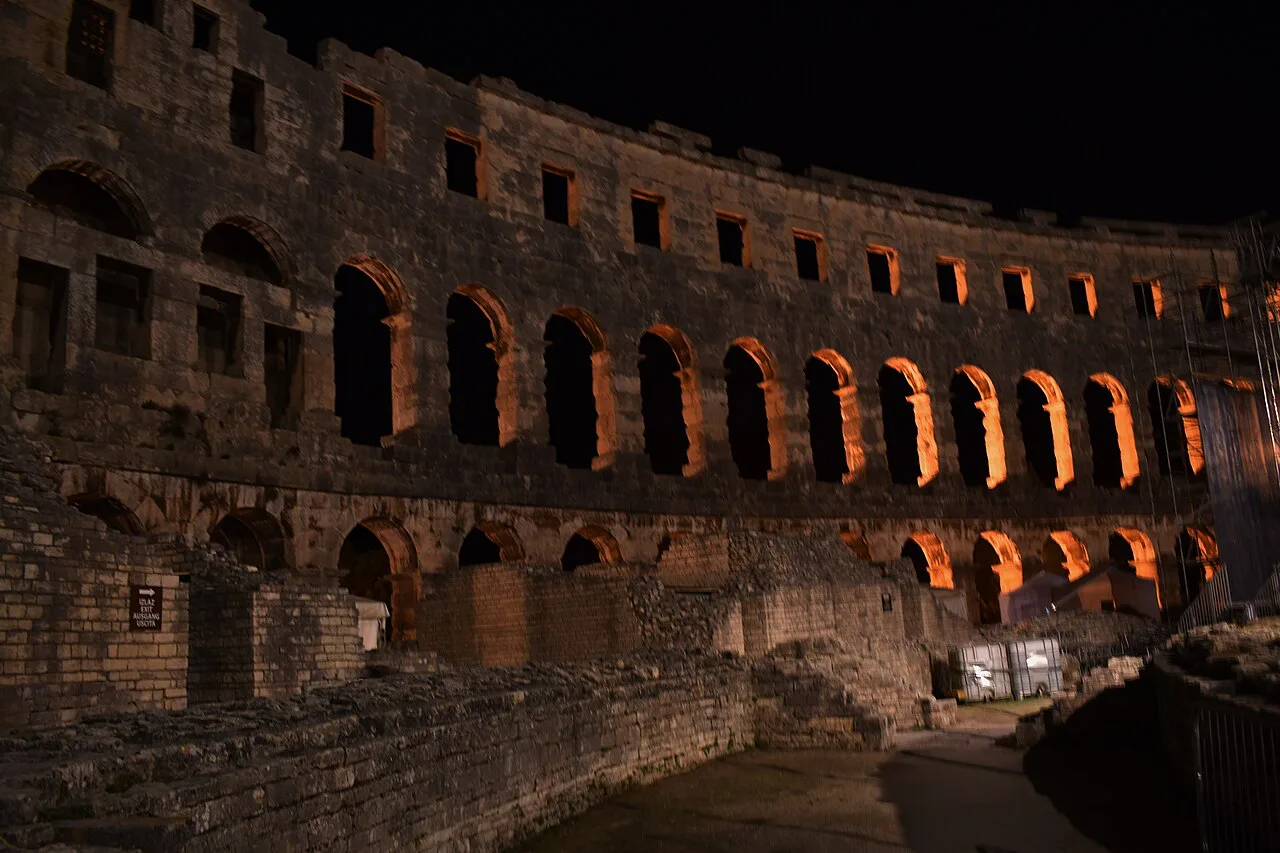
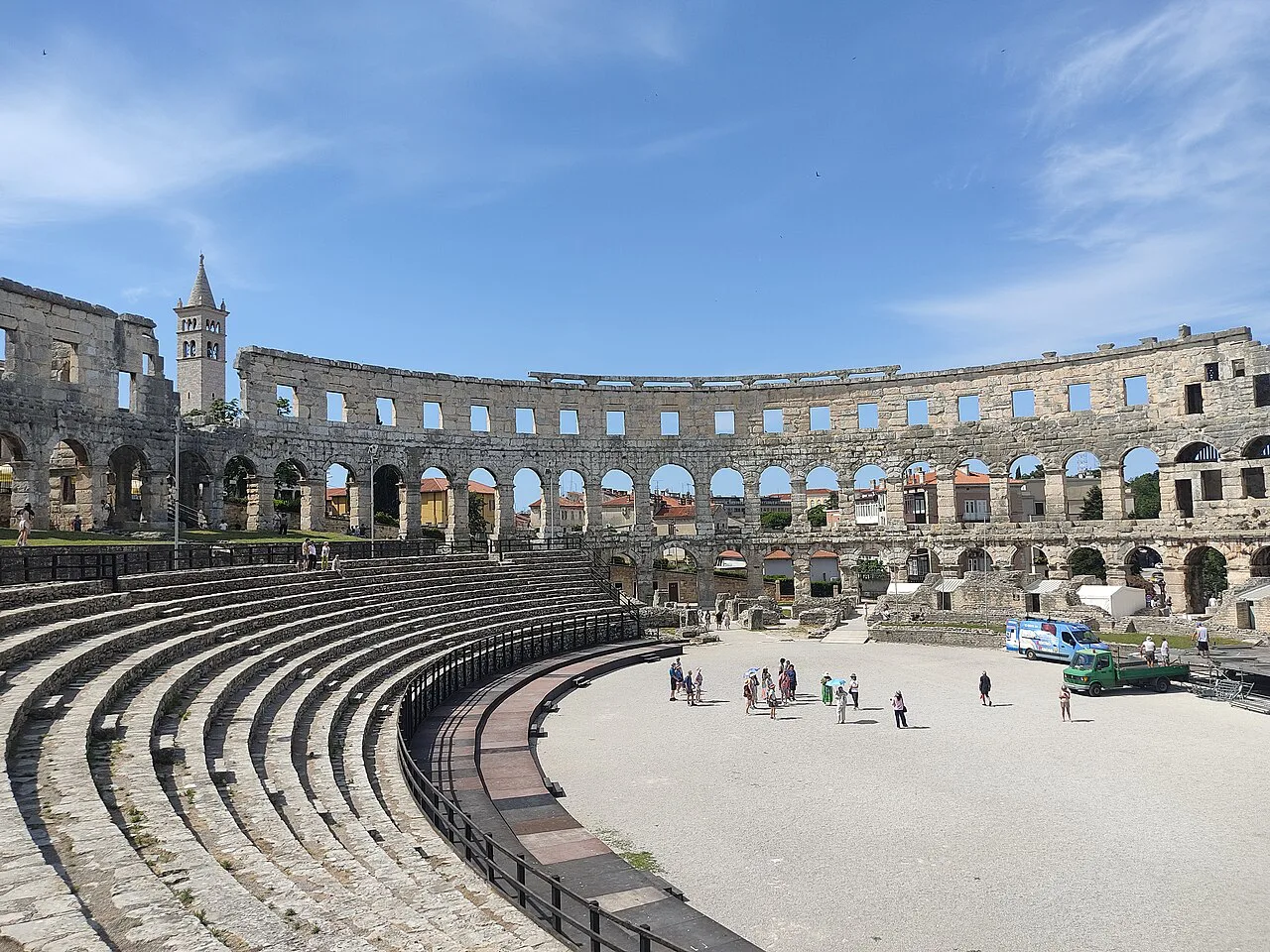
Pula is a working port with a Roman Arena and a compact old town, so a kitchen session can slot into part of a day. To line up eating out around it, our guide to Pula food covers the restaurants and dishes worth planning the rest of the day around.
Class formats: meat, fish, pasta, pizza, pastry and vegan
The choice is between meat, fish, pasta, pizza, pastry and vegan classes. Pula Cooking Classes lists these formats on its contact page, which is also where you confirm what a given class covers.
Pizza and pastry suit anyone who wants techniques that carry over to a home oven. Fish is the format that most naturally points towards the local catch, so ask what whole-fish preparation is involved if you are new to it.
If you eat plant-based, the vegan format is the clearest fit. Vegetarians should ask the provider which formats can be kept meat-free.
If your interest in Croatian cooking is mainly about the finished plate rather than the process, our Pula food tour guide covers the eating side without the kitchen time. The two combine well across a short break: cook one day, eat out the next.
Asking about hands-on time
Ask Pula Cooking Classes directly how the session is run — how much time is spent cooking rather than watching, and how the work is shared.
If your group would rather watch and taste than work at a surface, say so when you enquire so the provider can tell you what is possible.
Two sessions that look similar on paper can feel very different once you are in the kitchen, so pin down the hands-on share and how work is divided before you book.
For a family or a couple where one person is keen and the other is humouring them, ask the provider how the session is pitched before you book.
How class length and group size shape the day
Length and group size shape the feel of a class, so ask about both. A short session fits around other plans; a longer one leaves room for a fuller menu — if the provider runs it that way.
Group size decides how much attention you get. Small groups let the cook correct your dough or your knife work directly; larger groups are more sociable but less instructive. Confirm the expected size when you book.
If you are travelling as a couple, ask whether you will join other bookings or have the kitchen to yourselves. For families with children, ask about the age range and the hands-on work involved, since knife work and hot pans set the practical floor.
Using Istrian ingredients: olive oil, fish and local produce
Croatian cooking, Istrian included, rewards good ingredients ahead of elaborate technique, which makes it teachable in a single session. Olive oil, fish, cured pork, wild greens and pasta are the backbone, and the meat, fish, pasta or pizza formats are the natural place to handle them.
The most useful thing to take home is judgement rather than a recipe: how to judge a fresh fish, how much oil a pan wants, how to season pasta water. Ask the cook where the produce comes from and how it is chosen.
Treat any wine poured at the table as part of the meal rather than being the subject in its own right. If you want a broader picture of eating in Pula before you go, our Pula food guide is a sensible starting point.
Booking and asking questions
Cooking classes tend to be small, so the format you want may be taken if you leave it late. Ask about availability as soon as your dates are fixed and name the specific format you want rather than making a general enquiry.
Use the provider's own contact details for booking and questions; Pula Cooking Classes lists a phone number and email address for enquiries, which is the right channel for confirming what a session covers. Ask about the meeting point and anything you need to bring.
Read our guide to Pula Food while you decide where else to eat around your class.
Practical questions to settle before you book
Ask the provider where the session is held before you book, because the kitchen is not always the same as the office address. A city-centre location is the simplest if your break is short.
Confirm the practical side when you enquire: the meeting point, how you reach the kitchen, and whether you need to bring anything. Without a car, a session in town is the simplest option; a session further out usually means arranging a taxi each way or a transfer you sort yourself.
Once you know the menu you want, ask the provider for the price and what it includes, so there are no surprises on the day.
If you have one free morning, book the class that fits it. With a car and a full day, you have more room to plan around the session and to see the ingredients behind it in the markets and countryside around the city.
Which Pula cooking class should you book?
Pick the menu you want to cook and eat, then ask about hands-on time and group size. A single menu-led class in Pula is the low-effort choice; use the questions above to make sure the session matches what you expect before you book.
If cooking is only part of your interest in the city's food, balance the class with eating out: our guide to Konobas in Pula points you to the traditional taverns where the dishes you have just learned to make are served properly.
Explore more Pula guides
Frequently Asked Questions
Do Pula cooking classes cater for vegetarians and vegans?
A vegan format is listed among the class types and is the clearest option if you eat plant-based. Vegetarians should ask the provider which formats can be kept meat-free and confirm when booking.
Do you need to speak Croatian to join a cooking class in Pula?
Pula Cooking Classes can be reached on its listed phone number and email address, so ask about the language of instruction when you enquire, so you know what to expect before booking.
What does a Pula cooking class include?
Pula Cooking Classes lists meat, fish, vegan, pasta, pizza and pastry formats. For what a specific session includes, contact the provider on the listed phone number or email address.
Sources
Notes on eating well in Croatia
Optional updates to our food guides.
You might also like


Continue reading
More guides you'll find useful