Street Food in Pula: Quick Bites and Where to Find Them
A practical guide to street food in Pula, from market stalls and bakery counters to casual grills, with the dishes to order and where they sit in town.
On this page
Street food in Pula is mostly market-and-counter eating: a morning stall at Narodni trg, a bakery lunch eaten on the move, or a plate of ćevapi at a neighbourhood grill. Quick eating here is spread across a few zones rather than gathered in one, so the practical move is to pick your zone first and eat within it. This guide covers the central market, the neighbourhood markets at Veruda and Šijana, the bakery counters and the casual restaurants where a quick meal is the point. For the dishes themselves, see our guide to Pula Food.
What counts as street food in Pula
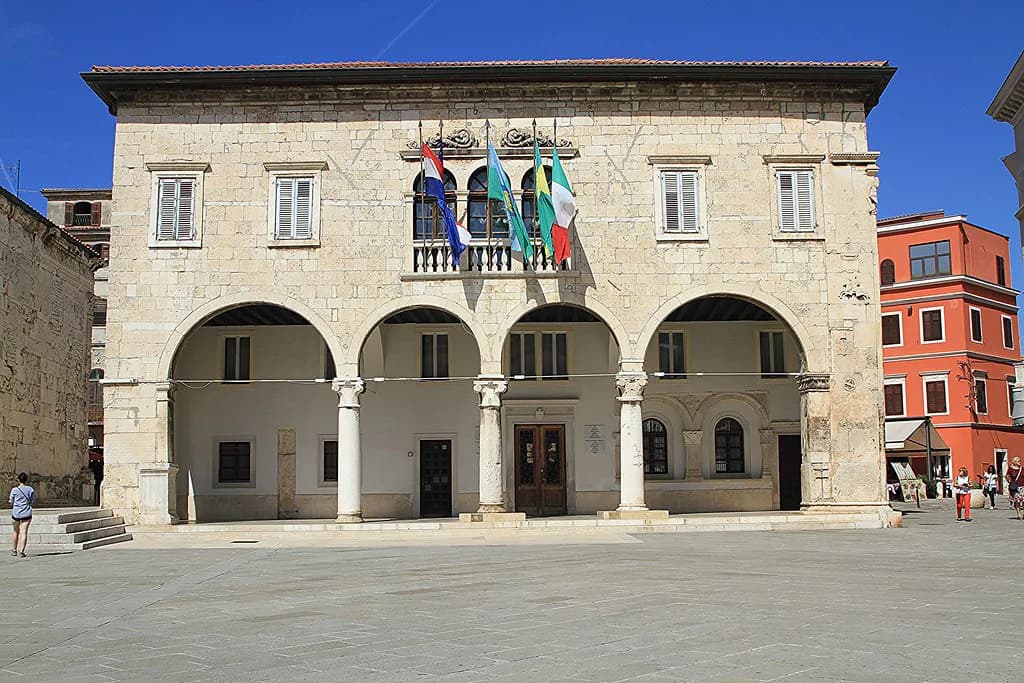
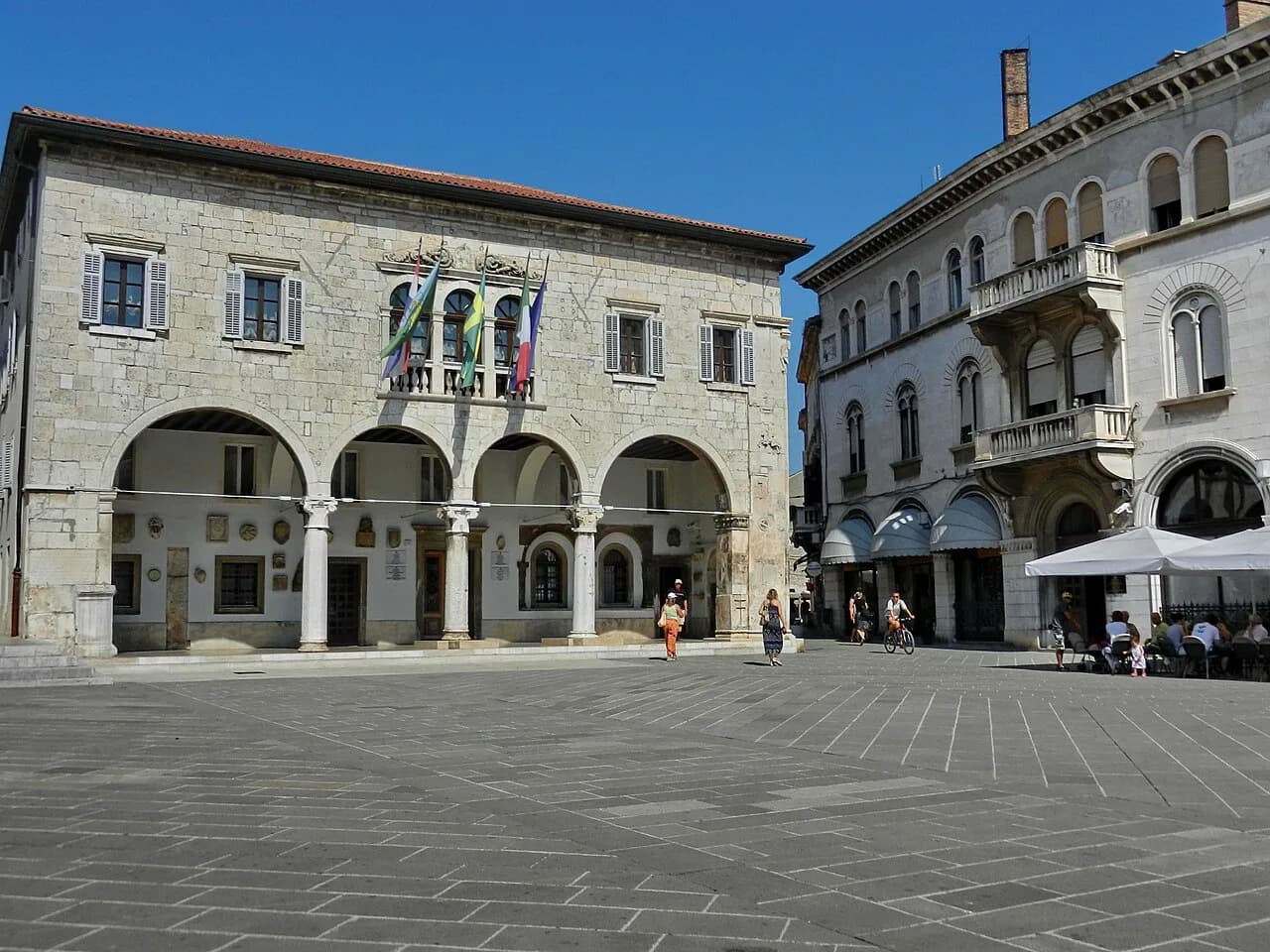
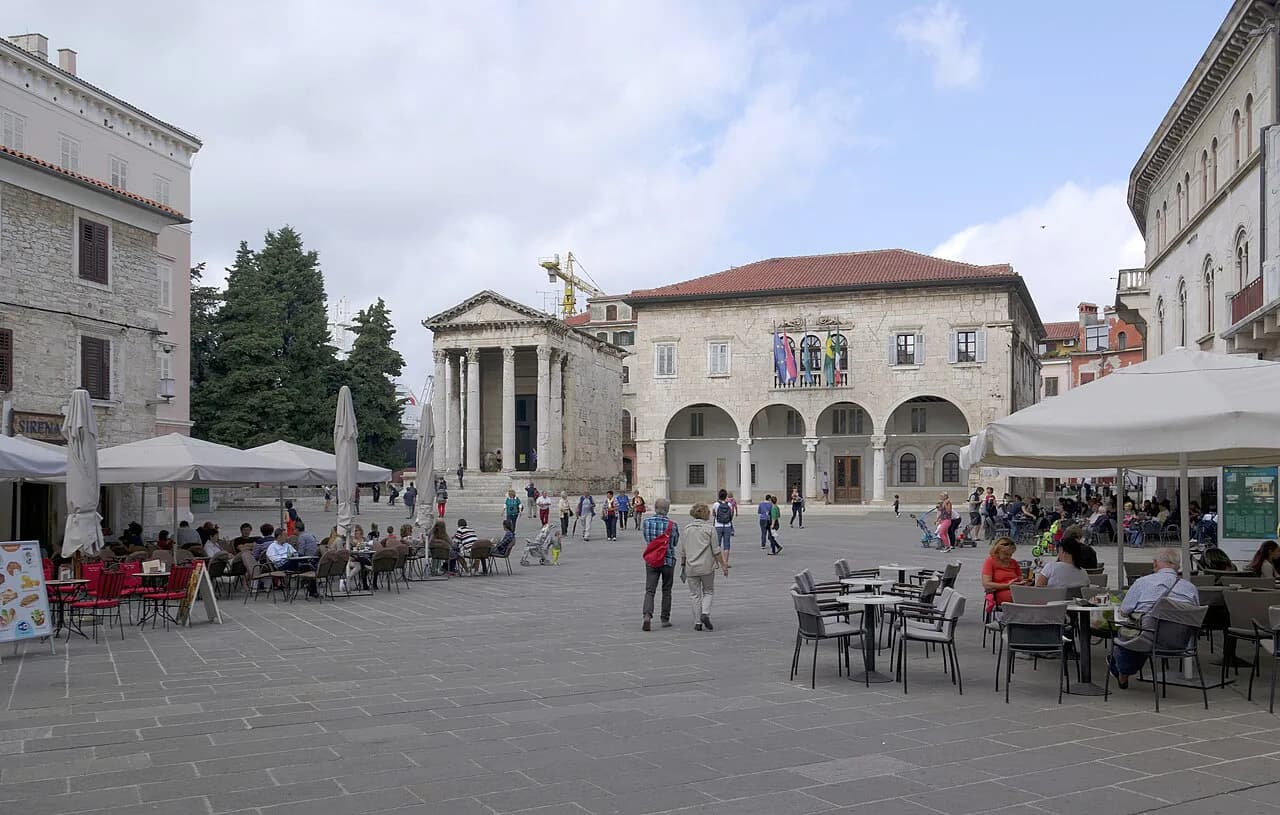
In Pula the term covers four things: produce and cheese bought at market stalls and eaten later, bakery goods from a pekara (baker's shop) eaten immediately, grilled meat or seafood served fast at a casual restaurant, and sandwiches or pizza eaten without ceremony. The old-town terraces around the Forum suit a slower kind of meal and rarely offer the quickest option.
The useful distinction is stall versus table. A stall means you buy, carry and sit wherever there is space; a table means service and a menu, even at lunchtime. If you want to eat within twenty minutes, aim for the first category and treat the second as an evening plan.
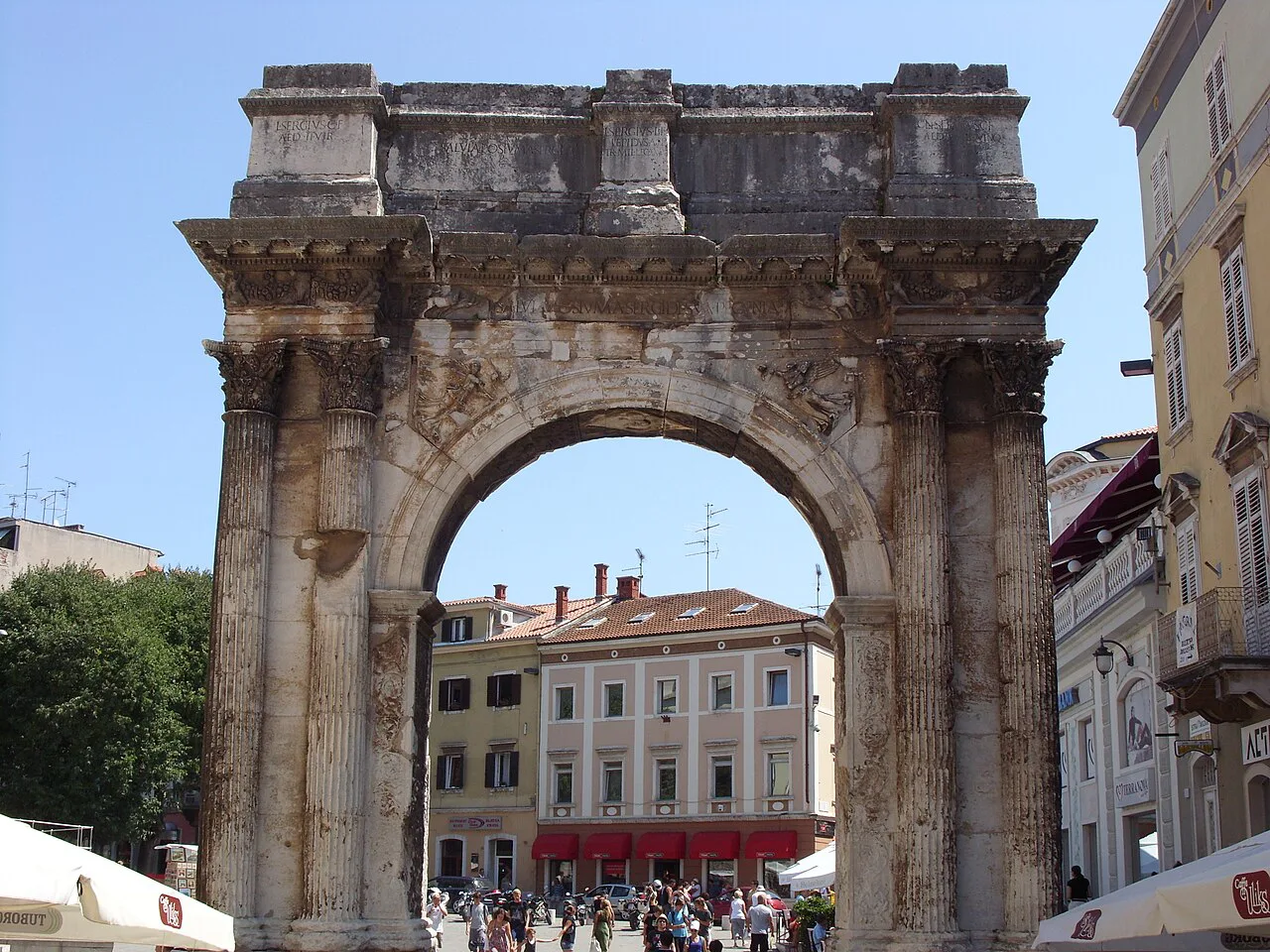
Market stalls at Narodni trg: morning sales and what to buy
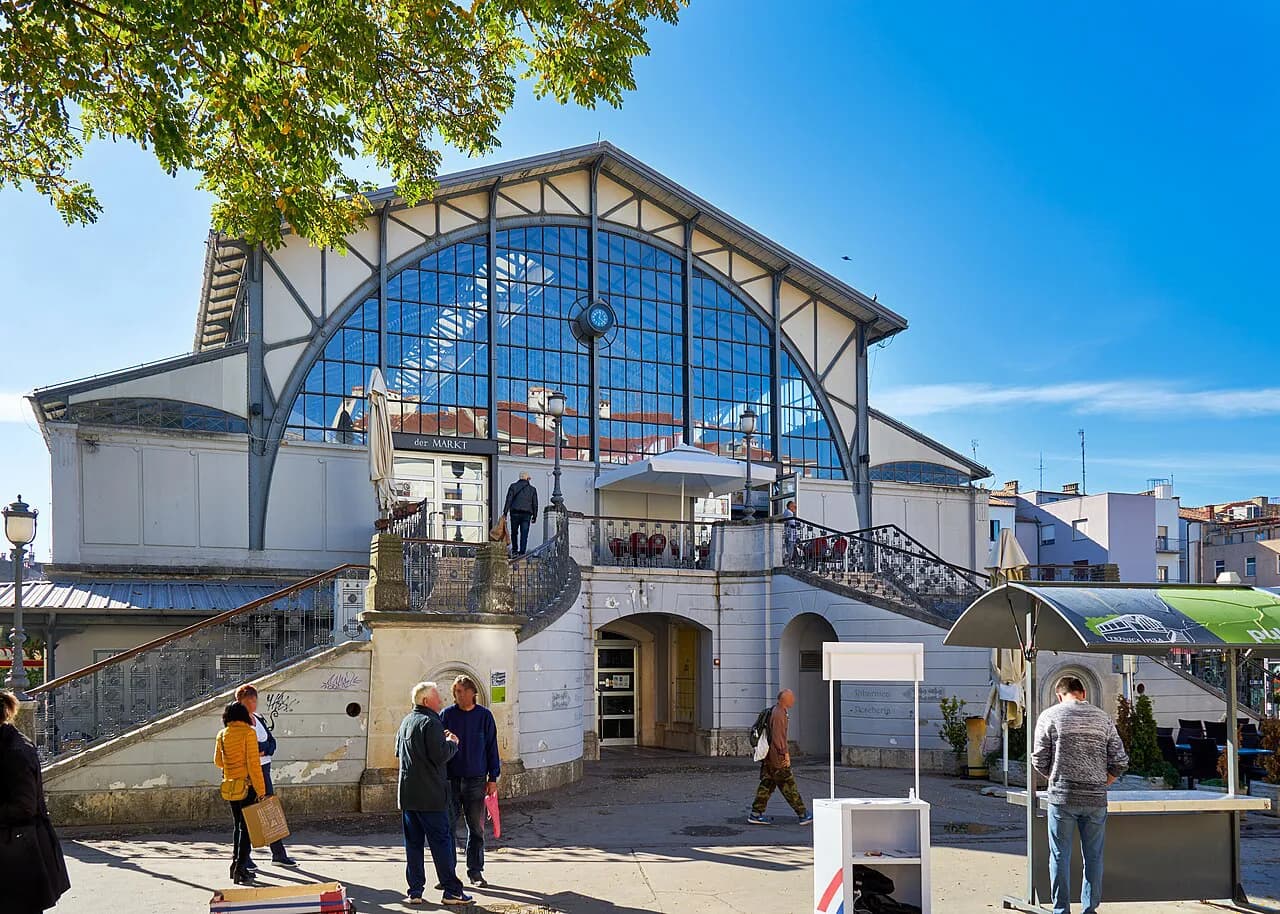
The central market on Narodni trg is the most convenient place to build a picnic lunch in the middle of town. The Pula tourist board lists morning sales from 7:00 to 13:30, a second session from 13:30 to 20:30, and shorter Sunday and public-holiday trading that stretches to 15:00 in June.
The practical use of those hours is simple. Come early to see the fullest stalls and to buy cheese, cured meat and fruit for later; come after lunch if you want the same hall with fewer elbows and the afternoon vendors in place. Produce sold by the kilo rewards a rough idea of what you will actually eat, because a generous-looking bag of figs weighs more than it looks.
Cheese is where the market works best for a traveller. Ask at a stall for a taste before you commit, and buy by the slice if you are eating on the move rather than cooking later; cured meat and a piece of fruit make it a lunch with no cutlery required.
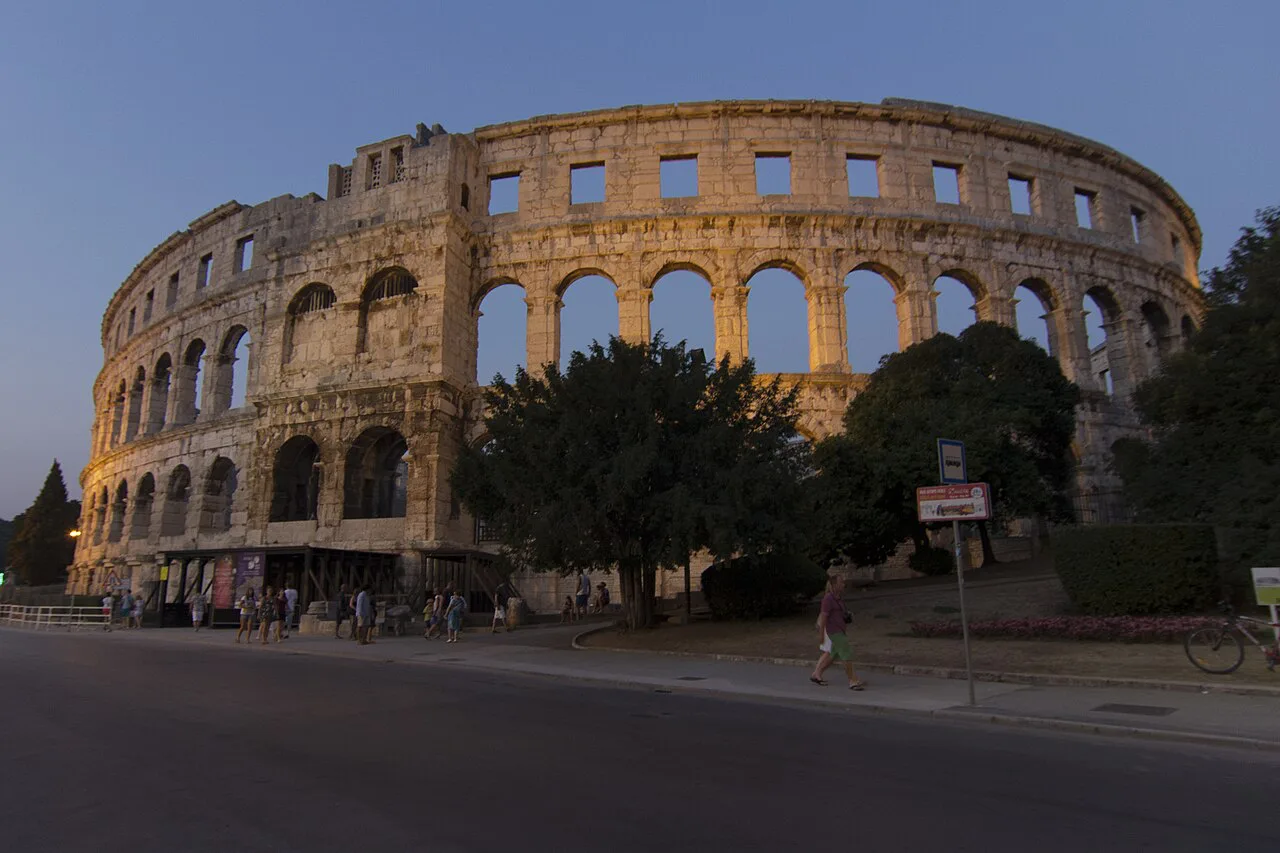
The eco market at Šijana and its Tuesday evening slot
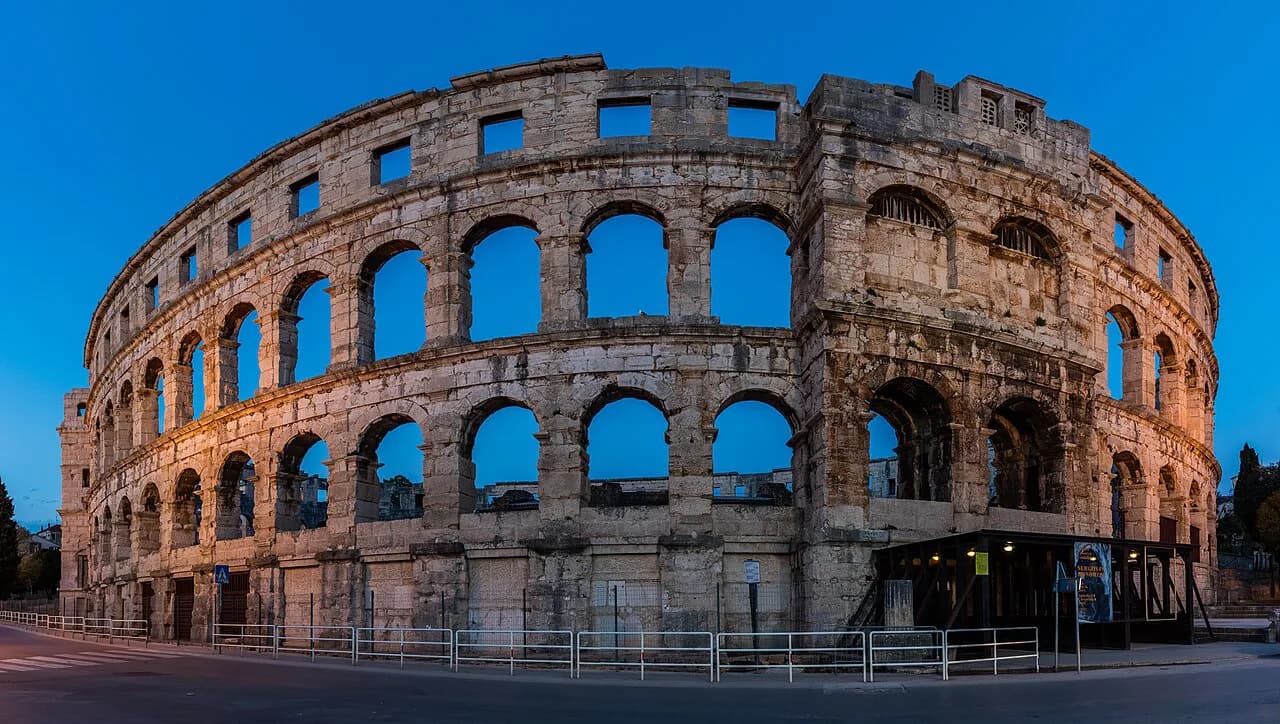
Šijana's eco market on Trg I istarske brigade is a weekly rather than daily stop, listed by the tourist board as running every Tuesday, with summer hours of 19:00 to 21:00 and winter hours of 17:00 to 20:00. That makes it an evening food errand rather than a lunch one, and it suits anyone who wants to assemble a light supper near the Arena end of town.
Treat it as a supplement to the central market rather than a replacement: a Tuesday visit gives you small producers in one place at a fixed time, but it will not cover a whole week of eating.
Tržnica Veruda and Ribarnica Sardelina: the neighbourhood alternative
Veruda has a cluster worth knowing about: the general market and the fish market, Ribarnica Sardelina, on adjacent streets. The tourist board lists the Veruda market in Tomasinijeva ulica open Monday to Friday 6:00 to 19:00, Saturday 6:00 to 13:00 and Sunday 7:00 to 13:00.
Sardelina, at Tomasinijeva ul. 32, keeps shorter hours: Monday to Saturday 8:00 to 13:00 and closed on Sunday. A morning fish-buying trip here pairs naturally with a wander back towards town for a late breakfast.
The trade-off against Narodni trg is distance for calm. The central hall is closer to the Arena and the old town, while Veruda gives you a working neighbourhood market where the queue is made up of people shopping for dinner, not visitors looking at produce.
If you would rather have seafood cooked for you than buy it raw, Restaurant La Vita sits on the upper floor of the indoor market near the Ribarnica and serves grilled fish, squid and prawns. It is a table rather than a stall, but it turns a market visit directly into a meal.
Pekara counters: what to pick up for a cheap lunch on the move
A pekara (bakery) is the most reliable place to eat cheaply in Pula, and the counters sell both the savoury pastry you eat on the spot and the bread that goes with a market lunch. The Mlinar chain has a café branch in the market area with table service, which lets you sit down rather than eat from hand.
Order by pointing at what looks freshest, ask for a slice of something you have not seen before, and keep the stop short. The bread-and-pastry habit works particularly well on a morning when you plan to hit the market before the stallholders start packing up.
Casual grills and pečenjara: ćevapi and grilled meat portions
A pečenjara is a simple roast-and-grill shop, usually with a handful of tables and a short menu, and it is the closest Pula gets to a proper lunchtime street-food meal. Pečenjara Brod near the markets serves ćevapi, the Balkan minced-meat rolls, with flatbread, onion and a Croatian relish in a portion large enough to end your appetite for the afternoon; more options sit in this guide to ćevapi in Pula.
For a mixed grill with more choice, Grill restaurant Odisej has indoor and outdoor seating, most of it in shade, and serves skewers and meat with fries and a large fresh flatbread. It is a table service place rather than a counter, but the portions keep the cost per head low.
The trade-off here is time and weight. A plate of ćevapi with bread is a sit-down twenty to thirty minutes and sits heavy for the rest of the afternoon, which is worth planning around if the afternoon involves the Arena or a walk to Veruda.
Bistro and street-food-style plates in the centre: pršut, blitva and seafood
Bistro Alighieri on Danteov trg is the most useful central stop for a quick plate that still tastes of Istria. Its menu covers pršut (Croatian prosciutto), local cheeses, pasta, grilled fish, squid and blitva, the garlicky Swiss chard and potato side served with seafood.
Bistro Romantic Alley on Maksimijanova ul. takes a similar approach with Istrian dishes, and its menu covers both seafood and grilled meat; it also offers sitting inside or outside, which matters in shoulder season. Order conservatively if you are heading back out to walk.
Orfej, a short walk from Forum Square, runs a broad menu of grilled meat, seafood, salad and pizza. For a visitor eating alone or wanting a fast lunch near the centre, that breadth is the appeal: one person can have pizza and the next can have fish without splitting the table.
Street Food Two is a restaurant built around the idea of street comfort food, which places it on the quicker side of the city's eating. A guided Pula food tour is the more structured way to cover several market-and-bistro stops in one afternoon if you want context with the eating.
Casual grills, pečenjara and pizza: quick sit-down meals
Pizzeria Jupiter gives you a pizza option without a long sit-down commitment, and a shared pizza is one of the simpler ways to feed children or a group that cannot agree. Order, eat, and keep walking towards the water.
If you would rather learn how the dishes are built before eating them, a Pula cooking class is the more deliberate alternative to grabbing lunch, though it takes a half day rather than twenty minutes.
Coffee and pastries to finish: where the market-hall cafés fit in
The cafés on the upper level of the market hall are a cheaper place in the centre to sit over coffee, with a balcony view over the outdoor stalls. Caffe Bar "M" is one of them, with a short drinks list and table service.
For a pastry with more ceremony, the café-bar terraces on Forum Square serve coffee, desserts and sweet pastries, and they are a good early-morning stop before the day's visitors arrive. Sit down, order a coffee and a pastry, and treat it as the end of the meal rather than the start.
How to eat cheaply in Pula: portions, market timing and price levels
The cheapest pattern is market first, bakery second, grill third. Buy cheese, pršut and fruit at Narodni trg in the morning, take bread from a pekara, and save the cooked meal for the evening. A single portion of ćevapi with bread is usually enough for a normal appetite, so ordering one between two and adding a salad keeps the bill down.
Two practical rules cut cost without cutting flavour. Sit one level up in the market hall rather than on a square terrace, and eat lunch rather than dinner at the bistros in the centre, where the same kitchen serves the same dishes.
Quick eating is spread across the market halls, bakery counters and casual grills above rather than gathered on one street, so plan around those places rather than wandering in hope. If you want a proper sit-down evening with a fish menu, book it separately and treat the daytime as fuel; Konobas in Pula covers the sit-down side of the city.
Which Pula eating plan suits your day?
If your day is built around the centre and the Arena, use Narodni trg for a morning browse and a market-hall café for coffee, then take a bistro lunch on Danteov trg or Maksimijanova ul. If you have a car or a longer stay, Veruda rewards the detour for the general market and Ribarnica Sardelina.
For a family or a group on a tight schedule, ćevapi at a pečenjara is the single most efficient sit-down meal in Pula; for a lone traveller, the bakery-and-market combination costs least and takes least time. Either way, market hours shift on Sundays and public holidays, so check before making a special trip.
Explore more Pula guides
Frequently Asked Questions
What street food should you try in Pula?
The fastest and cheapest picks are bakery pastries from a pekara eaten on the move, grilled ćevapi in flatbread with onion at a pečenjara, and pizza. Pula's own angle is the market: buy cheese, cured meat and fruit at Narodni trg and eat it with bread as a portable lunch.
What is the food like in Pula, Croatia?
It is Istrian cooking leaning on seafood, pasta, cured ham, cheese and the chard-and-potato side blitva, with Italian neighbours visible in the pasta and pizza. Portions tend to be generous, the markets drive the daytime eating, and the old-town terraces around the Forum suit a slower, more expensive sit-down meal.
Sources
Notes on eating well in Croatia
Optional updates to our food guides.
You might also like
Continue reading
More guides you'll find useful