Grill Restaurants in Split: Steak and Grilled Seafood
A practical pick of grill restaurants in Split, from a Šumica grill house to steakhouses near the old town, with what to order and how to book in season.
On this page
Book Maestro Grill Club in Šumica if you want open-fire Dalmatian cooking with a terrace, and Chops Grill Steak & Seafood if dry-aged beef and fish steaks are the point of the meal. The two cover different evenings rather than competing for the same table. This guide sets out what each kitchen does, how to order grilled fish sold by weight, and how to handle booking in high season.
Which grill restaurants in Split are worth booking
Split's grill scene splits into two clear styles. One is the Dalmatian grill house, where fresh fish and meat go over live fire and the setting matters as much as the cooking; the other is the international steakhouse, built around aged cuts and a broader meat menu. Deciding which you want before you sit down saves a lot of menu-squinting on the night.
The two names below are the ones this guide picks out with a clear identity: Maestro Grill Club for fire and terrace, and Chops Grill Steak & Seafood for dry-aged meat and fish steaks. If your budget is tighter, the Cheap Eats in Split guide covers lower-cost options across the city.
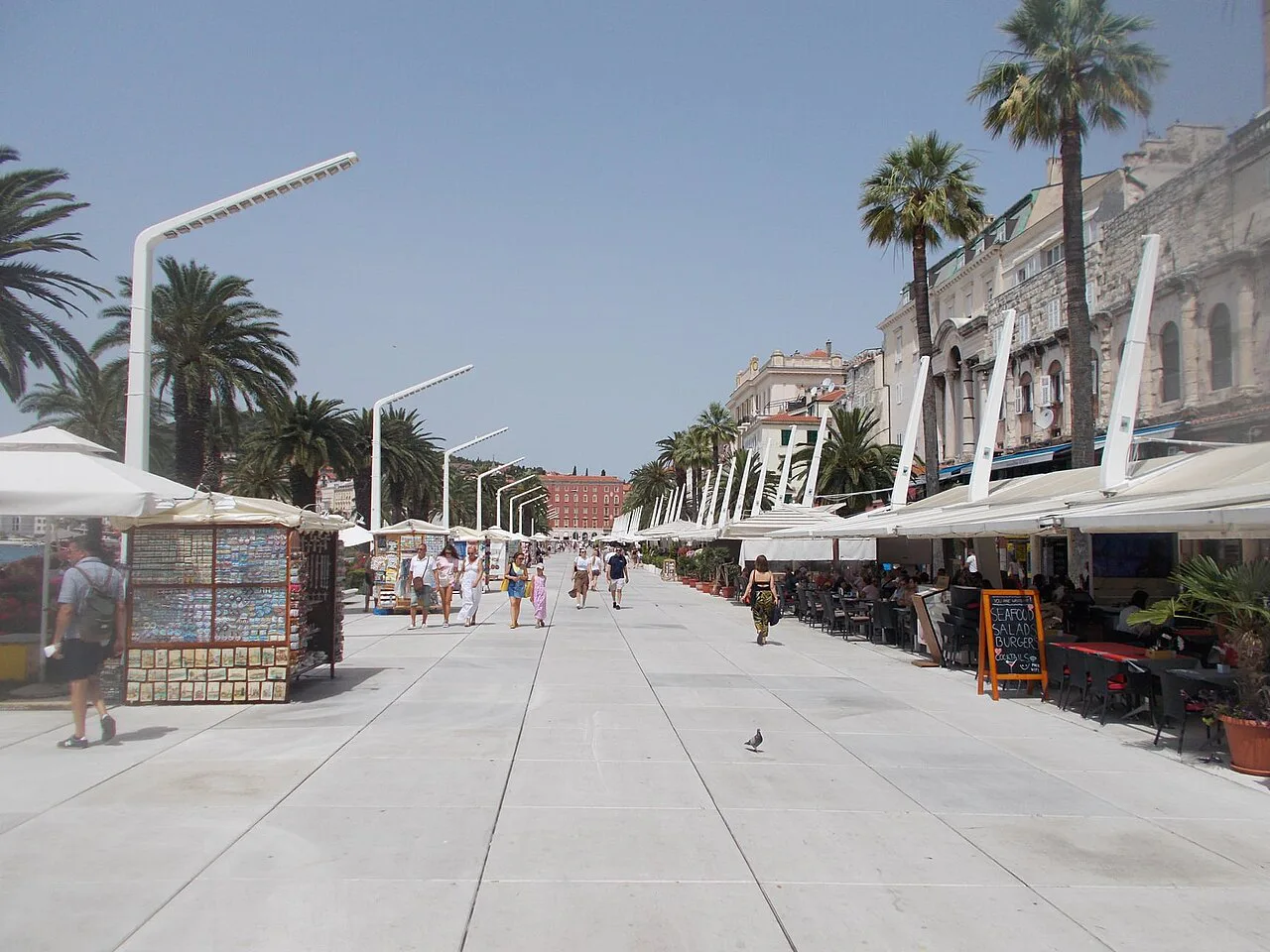
Maestro Grill Club in Šumica: open-fire Dalmatian cooking, steaks and fish
Maestro Grill Club sits at Put Firula 6 in Šumica, the wooded corner near the Bačvica and Firula beaches that generations of Splićani have used for a post-swim lunch. The restaurant describes its formula as fresh seasonal ingredients cooked over open fire, with Dalmatian grilling traditions and steaks cooked to your preference. It lists daily opening hours of 12:00 to 00:00, which makes it workable for either a long lunch or dinner.
The terrace is the reason to choose this one over a city-centre steakhouse: the site describes a Mediterranean setting where the terrace view always charms, with the sound of cicadas and gulls. Because Šumica is away from the old town, it suits an evening when the meal itself is the outing. Reserve through the restaurant's own booking form rather than turning up, particularly in summer.
Order by cooking style here rather than by cut. The kitchen's stated strength is the grill itself, so fish that needs little more than fire and salt is the natural pick, alongside steaks for the table. The site also lists a wine list and a section for private events, useful if you are organising a group meal rather than a table for two.
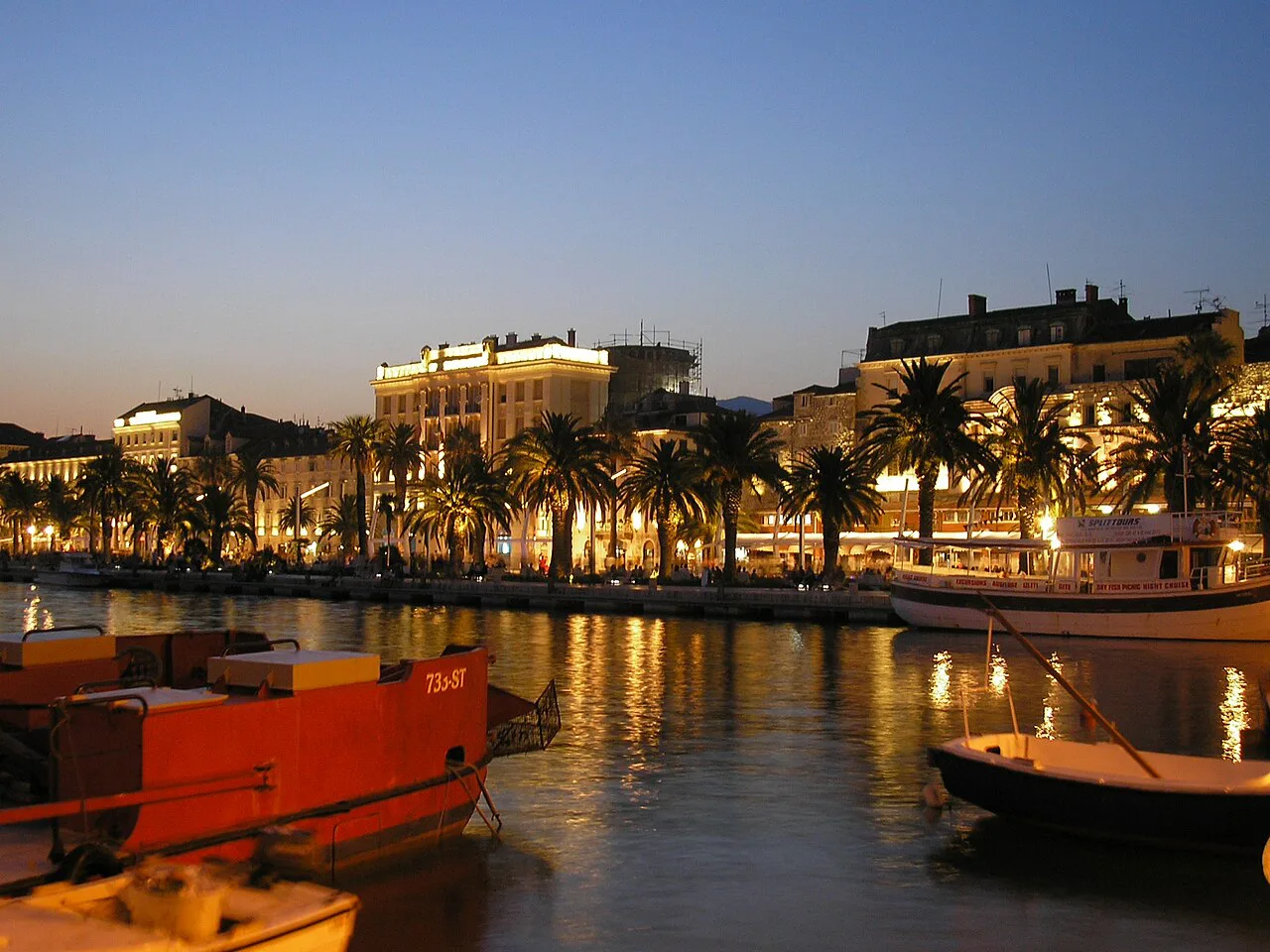
Chops Grill Steak & Seafood: dry-aged meat and fish steaks
Chops Grill Steak & Seafood is listed as a modern steakhouse with prime meats, dry-aged meat and local fish steaks, which would make it the more flexible option for mixed groups. If you want a thick cut cooked plainly, that is the reason to seek it out; it is the steakhouse pick here for aged beef and fish steaks side by side.
If your group wants one grilled fish cooked whole over fire and a shared Mediterranean starter spread, Maestro is the safer fit; if the plan is aged beef with sides and a sauce, seek out a steakhouse like Chops.
High-season weekends in July and August are the busiest times for a steakhouse table, so book ahead rather than relying on a walk-in. Ask for a table away from the door if you want conversation over the noise of a busy room.
Old-town-edge grills: Downtown Grill Split and Chops Grill Steak & Seafood
Split's grill options fall into two easy shapes: an old-town or old-town-edge grill that buys you location, and a Šumica garden option that buys you space. Maestro is the latter. Downtown Grill Split, with steak and seafood, is listed near the entrance of the old town; a central grill suits convenience on a travel day, while Maestro suits an evening when the meal is the main event.
The trade-off is atmosphere. An old-town-edge grill is practical and easy to reach, but it puts you in the busiest, most visitor-facing part of the city; Šumica feels more like an evening out. Neither is objectively better; the choice depends on whether the evening is about the city or the food.
How grills in Split price fish by the kilo and what that means for the bill
Grilled fish in Croatia is commonly sold by weight, and the weight is taken before cooking. That means the price you see per kilo is only a guide to the total: a whole fish for two people can easily weigh well over a kilo once bones and head are included. Ask for the fish to be weighed before you agree, because there is no way back once it is on the fire.
The practical move is to decide your ceiling for the table first, then ask what whole fish is available that day and roughly what weight feeds two. Shared starters and a single large fish usually cost less than individual portions, and it leaves room for a dessert. If the figure comes back higher than you expected, say so before cooking rather than after.
Steak versus grilled fish: what each kind of grill house does best
A Dalmatian grill house is built around the fire and the sea. Order whole fish, simply grilled, and let the kitchen's technique show; this is where Maestro Grill Club's stated approach of fresh seasonal ingredients over open flame makes most sense. Steakhouse menus are built the other way round: aged beef cooked precisely, with sauces and sides designed around the meat, which is Chops' territory.
You can order steak at a fish-led grill and fish at a steakhouse, but you pay for the house speciality either way. Match the restaurant to the dish the group actually wants, not to the venue's reputation. Mixed tables do best where fish steaks sit alongside beef, as at Chops.
Booking a table in high season and what to expect on the terrace
July and August are when the difference between a terrace table and a walk-in becomes real. Book directly with the restaurant, by its own form where it has one, and give a precise time rather than a window. Maestro Grill Club confirms reservations by email, so keep an eye on your inbox after sending the request.
Terrace tables are the first to go and the ones most exposed to weather. An evening at Šumica is the stronger garden choice for a special meal, while a central steakhouse suits a shorter dinner before an early start. If you are eating late after a long day, the late night food Split guide covers options beyond grill houses.
What a grill meal in Split costs, in euros
Croatia uses the euro, and grill-house bills are driven more by what you order than by the style of restaurant. Whole fish sold by weight is the single biggest variable on the bill, followed by aged beef cuts; a table sharing starters and one large grilled fish usually spends less than one ordering individual steaks. Keep the per-kilo figure and the weight of the fish in mind and you can steer the total before the food arrives.
Expect to pay more in the old town and on summer terraces than at neighbourhood places, and to pay less outside July and August. Read the fish section before sitting down. Card acceptance is now common in Croatia, but carrying some cash is still sensible for smaller places.
What to order at a Split grill house
Start with something shared and Dalmatian: a plate of pršut (cured ham) or paški sir (hard sheep's cheese from the island of Pag) with bread and olive oil sets up a grilled main without filling you. Then commit to one cooking method. If the fire is the house speciality, order whole fish; if it is a steakhouse, order the aged cut.
Sides matter more than they seem: blitva (Swiss chard with potatoes and olive oil) is the standard partner to grilled fish. For dessert, look for rožata, a Dalmatian caramel custard, rather than something imported. Not every grill menu carries these, so read before you decide.
Old-town terraces versus neighbourhood grill restaurants
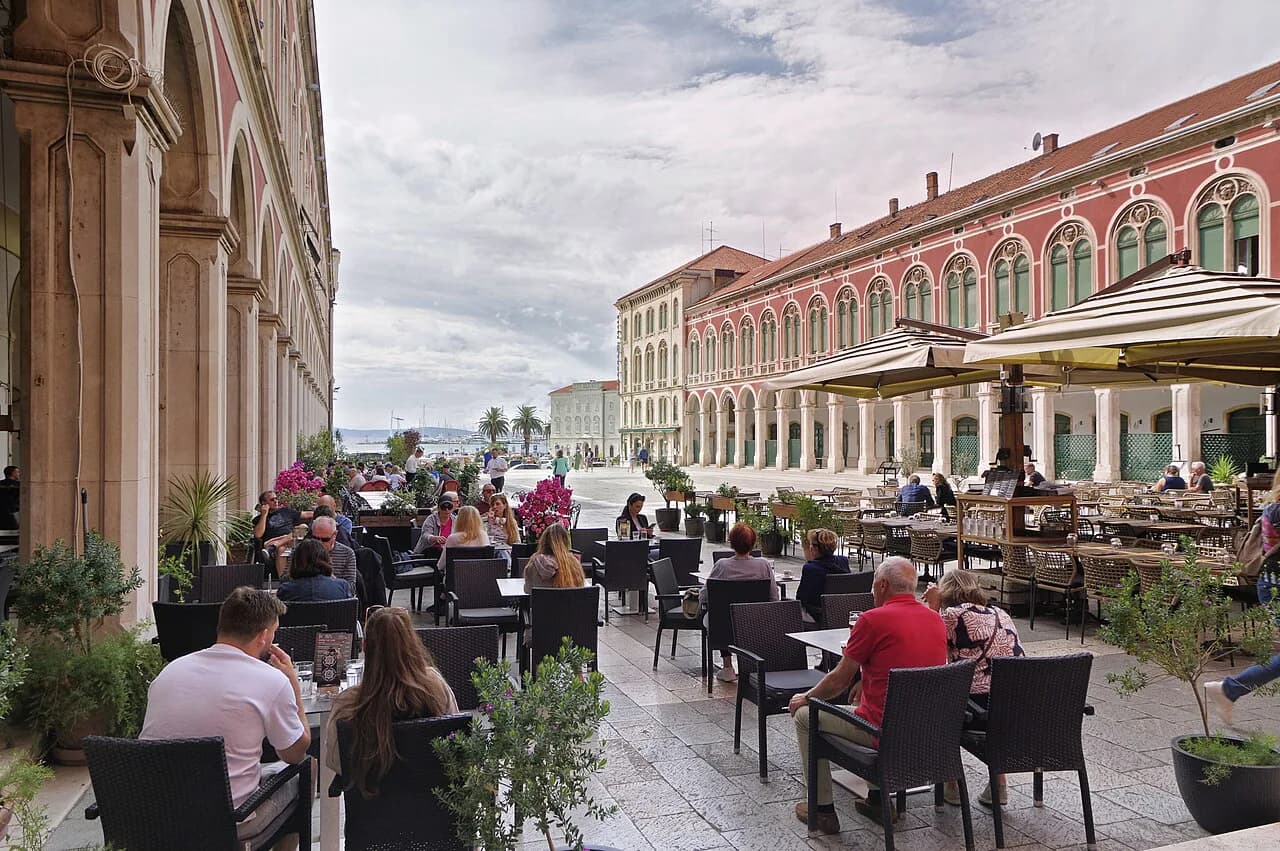
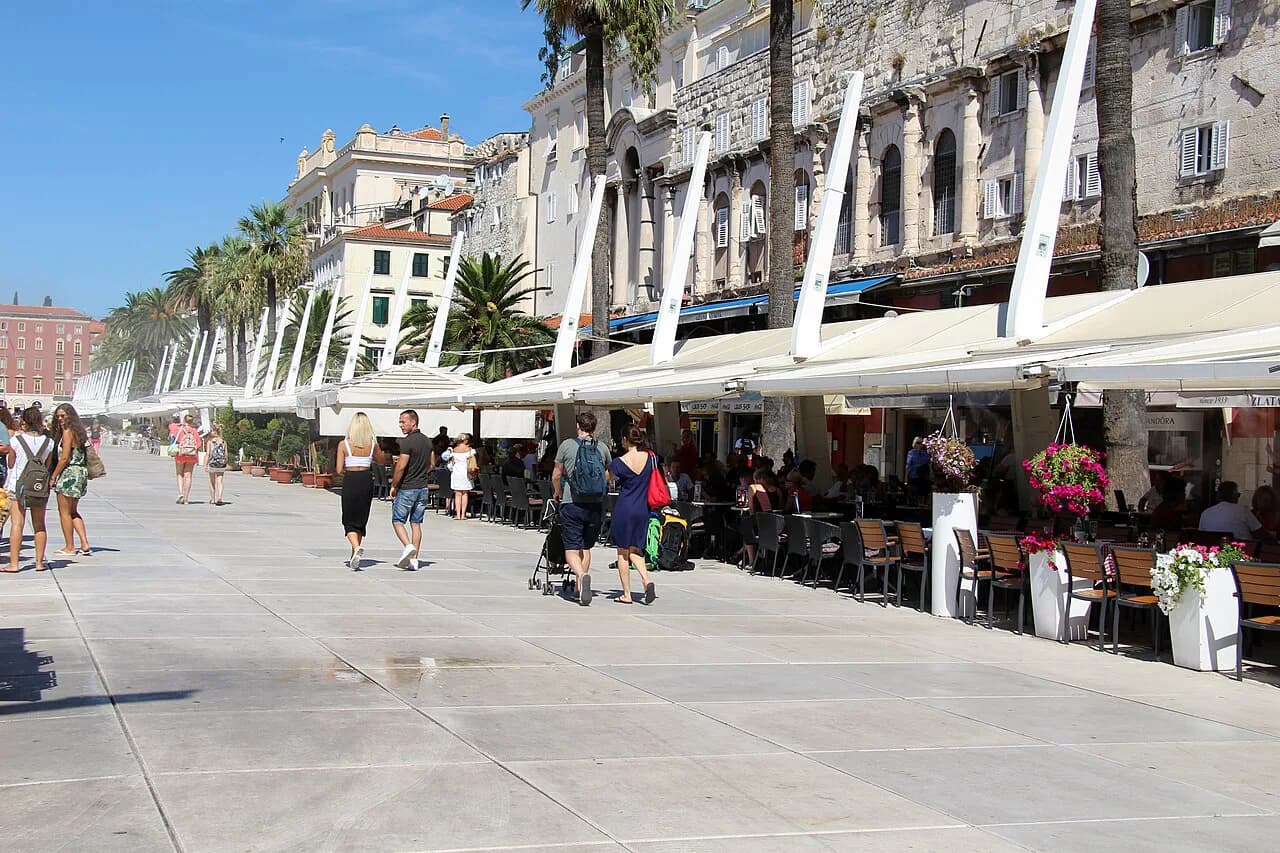
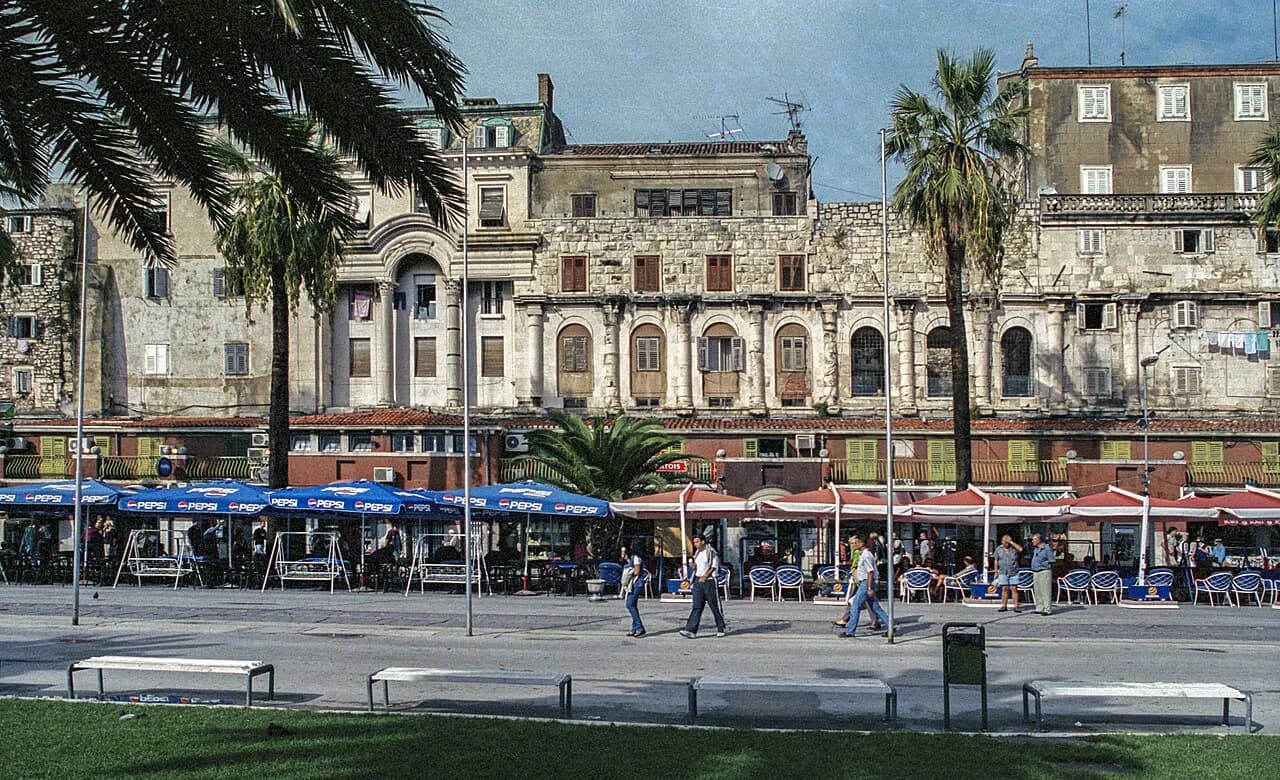
An old-town table buys you location and atmosphere: stone lanes, people-watching, and no walk home. A neighbourhood grill like Maestro, out at Šumica, buys you space, a garden setting and a more relaxed pace, at the cost of a taxi or a longer walk. Neither is objectively better; the choice depends on whether the evening is about the city or the food.
Split food landmarks are collected under our Split attractions guide. If you have already done the centre, the neighbourhood option gives you a different side of the city.
Cash or card at Split restaurants
Card payment is widely accepted in Split's restaurants, but not universally at smaller konobas and family-run places. Carry some euros in cash as a backup. Tipping is not obligatory; rounding up or leaving a modest amount for good service is normal practice.
Which Split grill should you book?
Book Maestro Grill Club for an open-fire Dalmatian evening on a Šumica terrace, and look to Chops Grill Steak & Seafood for a mixed table with beef and fish steaks. Whichever you pick, settle the weight and price of any whole fish before it goes on the fire.
If grilled meat is not the plan at all, the Best Pizza in Split and Burgers in Split guides cover two cheaper, faster alternatives in the same city.
Explore more Split guides
Frequently Asked Questions
Is Split expensive to eat out?
It depends on what you order. Grilled fish sold by weight and steaks are the items that push a bill up quickly, while shared starters and simpler meat dishes keep costs down. Old-town terraces and the peak summer months cost more than neighbourhood restaurants and the shoulder season.
Which grill restaurants in Split does this guide recommend?
Maestro Grill Club in Šumica for open-fire Dalmatian cooking on a terrace away from the old town is the strongest-supported pick, with daily hours, a terrace and email-confirmed reservations on its own site. Chops Grill Steak & Seafood is a listed steakhouse with local fish steaks, and Downtown Grill Split is listed near the entrance of the old town for a convenient central meal.
Sources
Notes on eating well in Croatia
Optional updates to our food guides.
You might also like
Continue reading
More guides you'll find useful