Split Food Tours Compared: What You Eat, Pay and Walk
Compare Split food tours by what you eat, how long each walk runs and whether you pay per person or per group, so you book the one that fits your day.
On this page
Book a three-hour, small-group walk that combines the green market with a sit-down konoba course if this is your first visit to Split and you want one meal to explain Dalmatian food. A 2026 comparison of five walks puts those options at roughly 99 to 120 euros per person, with morning departures timed to catch both markets trading. This guide breaks down what each style of tour actually serves, how the price unit changes the maths, and which format suits a couple, a family or a traveller who mainly wants the history.
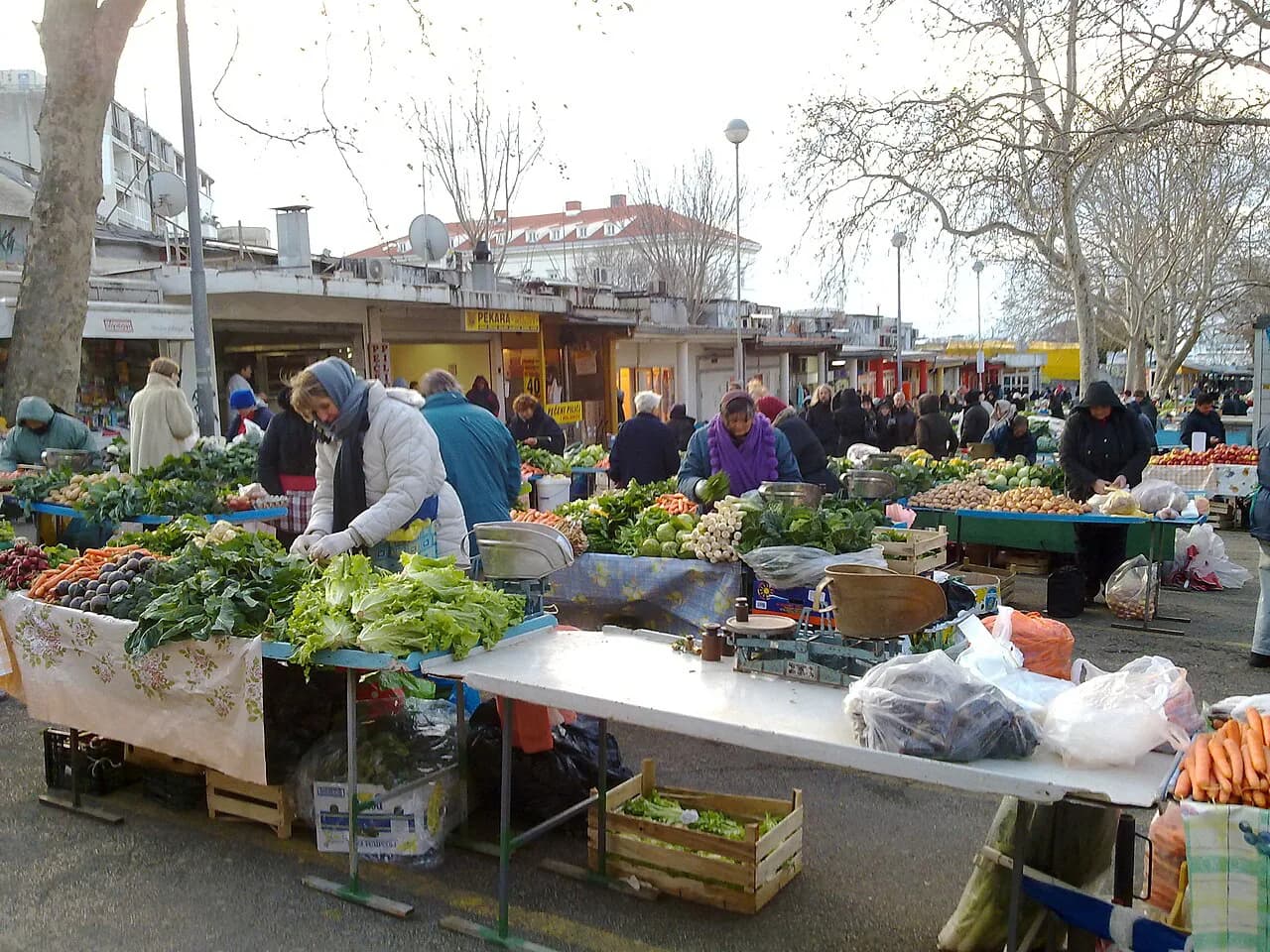
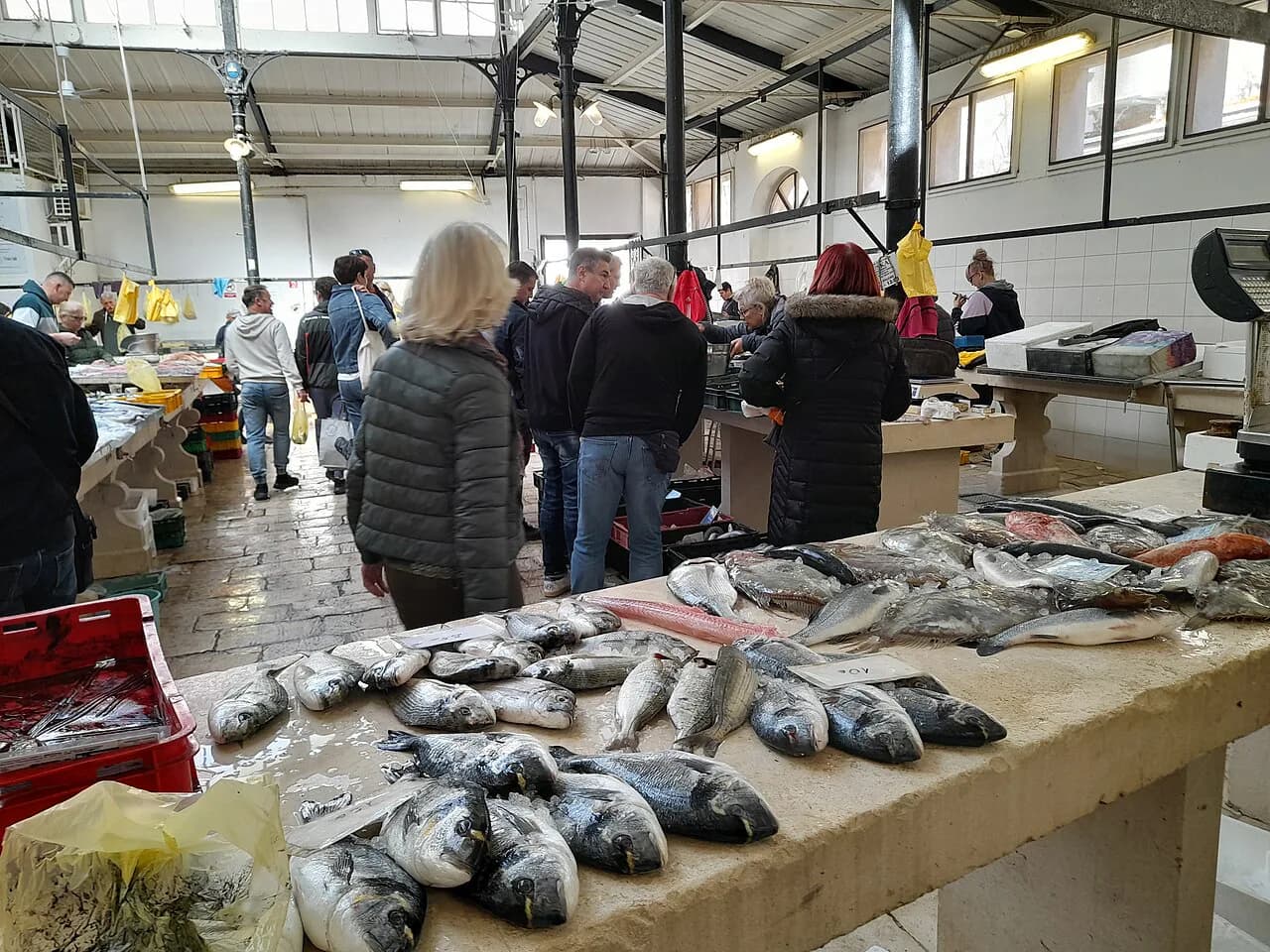
The two markets are what make a food tour here different from one anywhere else on the Dalmatian coast. Pazar is the open-air green market, and Peškarija is the fish market, and both are working markets rather than heritage displays, which is why the better tours include at least one of them. For the dishes behind the tastings, from crni rižot (black risotto) to pašticada (beef braised in wine and dried fruit), our guide to Split Food is the companion piece to this one.
Which Split food tours are worth booking for a first visit
The strongest first-visit format is one that pairs a market marenda (a market breakfast of cold cuts and cheese) with a seated restaurant course, because it shows you both how Split shops and how it eats. In the 2026 comparison, the Historical & Gastro Treasures walk fits that description: a green market plate of pršut (cured ham), cheese, peka bread and soparnik (a thin savoury pie of chard and pastry), then a konoba course of seafood, two pastas and black risotto with a Brač red. It runs about three hours and was listed at 120 euros per person.
If you would rather graze across more of the city than sit down for a full restaurant meal, the four-hour Discover Split walk spreads its stops wider, adding a charcuterie board, pašticada with gnocchi, burek (filo pastry baked around meat or cheese) and a rakija shot. The Ultimate Walking Food Tour takes a different route again, with burek, black risotto, ćevapi (grilled minced-meat fingers) and desserts, and a full serving at every stop. Our pick for a first trip is the market-plus-konoba format, on the grounds that one seated course teaches you more about portion sizes and ordering than five standing bites.
The 2026 comparison notes that two of its listings are the same walk from the same operator, sold under different names, with the same meeting point and stop list. Treat them as one option with two lengths rather than two separate candidates. That matters when you are comparing tabs side by side: you are choosing a duration, not a different experience.
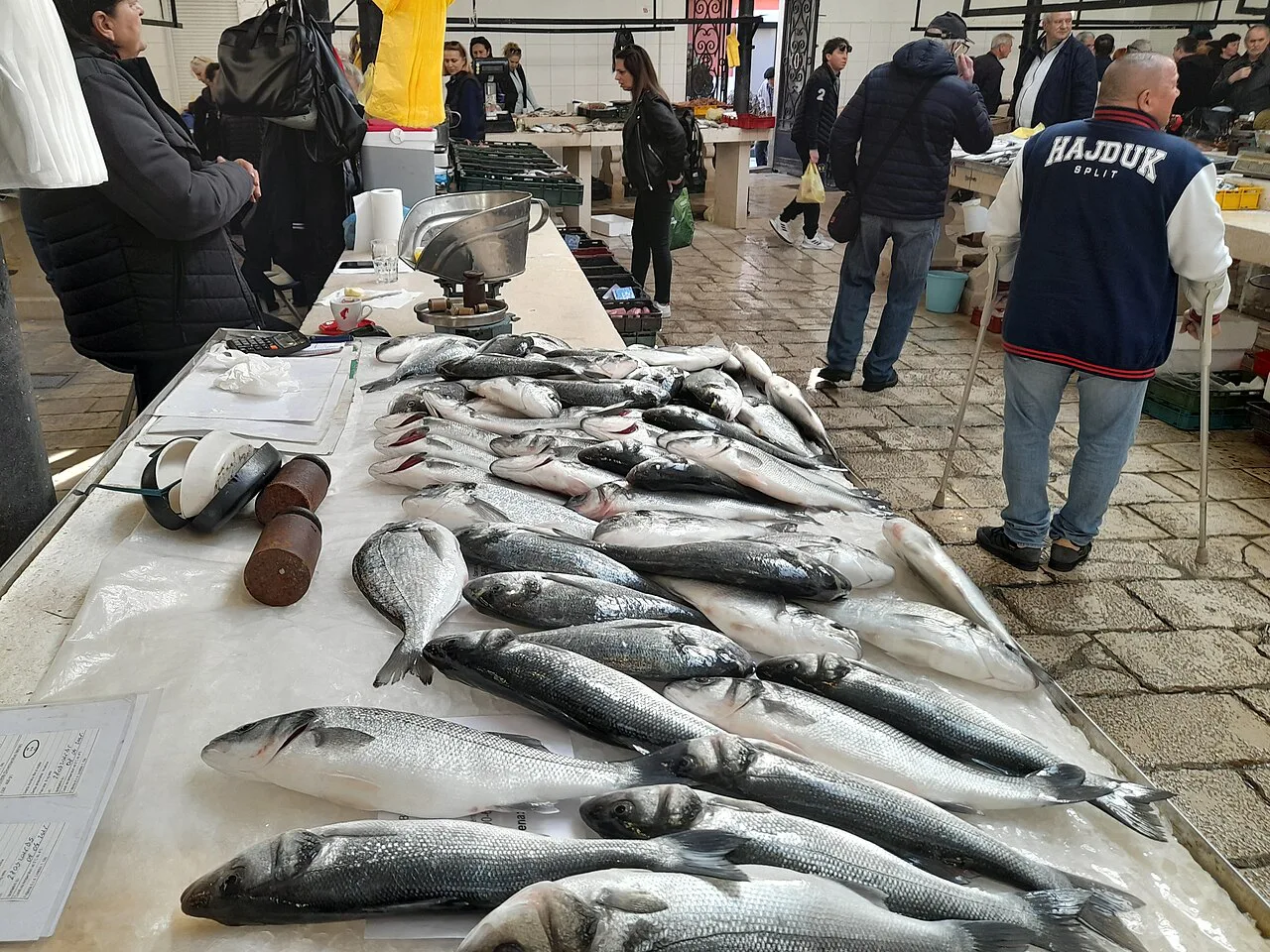
What a Split food tour covers: Diocletian's Palace, Pazar and Peškarija
Every walk in the comparison follows the same basic shape: three to six stops inside and around Diocletian's Palace, with a licensed guide covering both the Roman stonework and the food. You are not booking a sightseeing tour with a snack attached. The palace is the route; the markets and the konoba are the point.
The itinerary matters most in the morning, when Pazar and Peškarija are full of residents doing their shopping. Tours that start early route through at least one of them, and the comparison notes that portions are substantial rather than token, so arriving hungry is the practical decision. Afternoon and evening departures lean towards restaurants and bakeries instead, which suits anyone who would rather sit than stand at a stall.
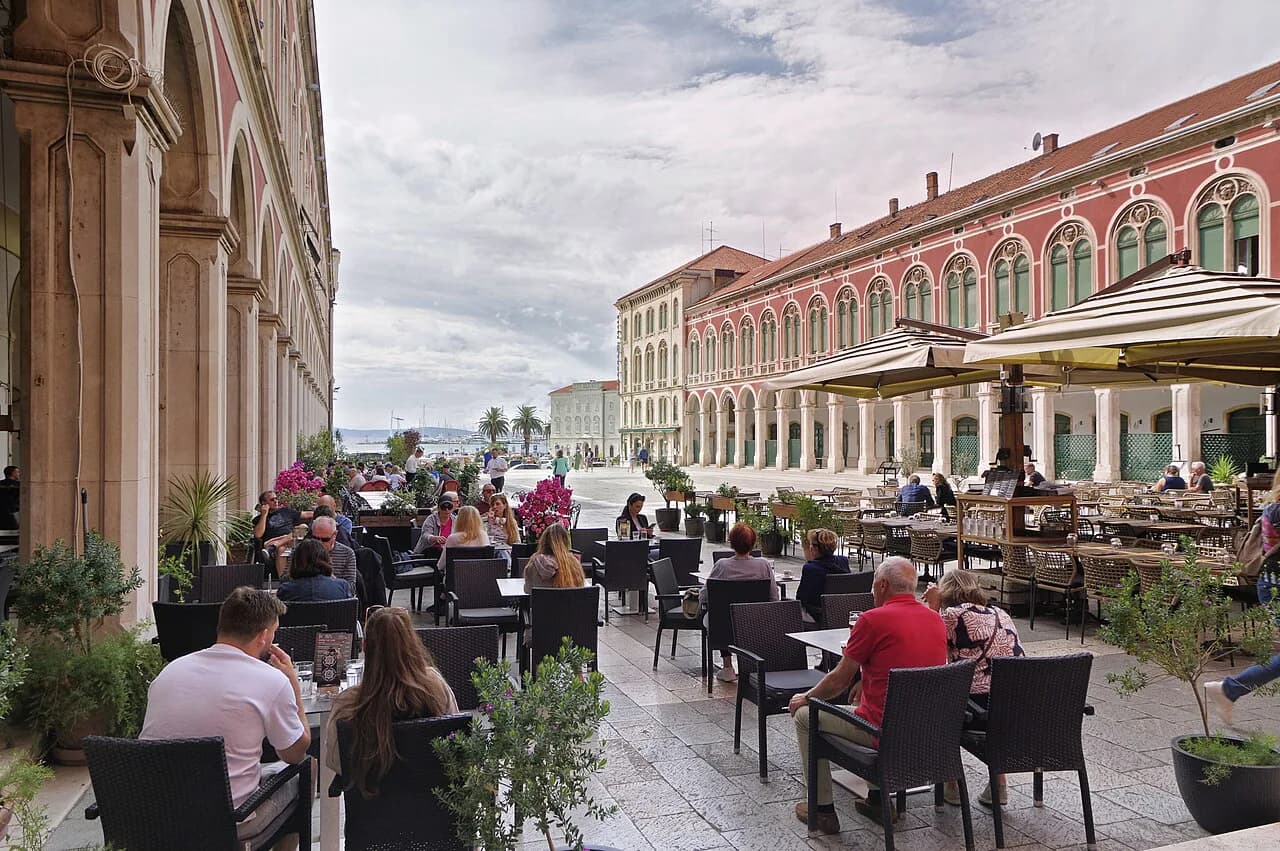
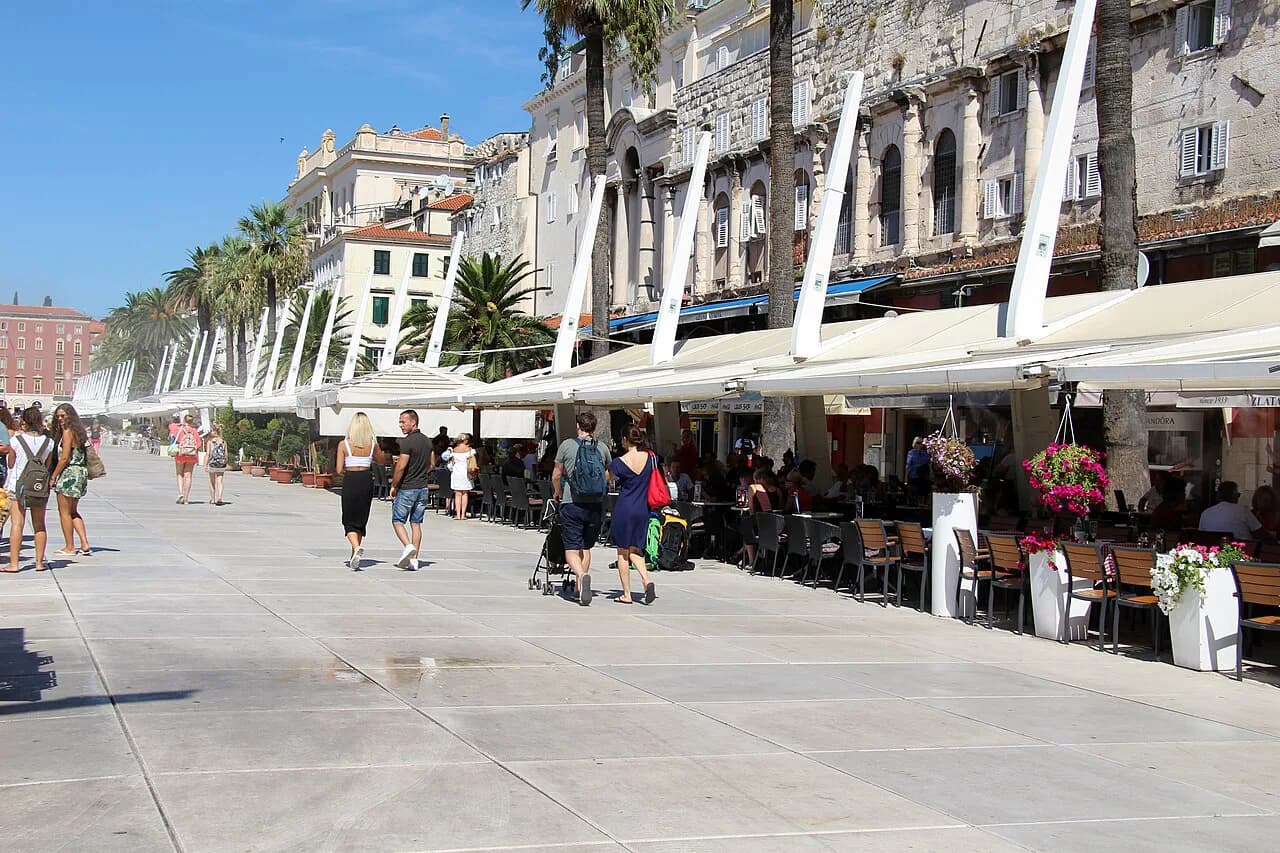
Meeting points are spread across the old centre, including Hrvojeva 1 beside the green market, the east end of the Riva, Trg Braće Radić and the Golden Gate. Check the meeting point before you book, because the walk starts promptly and the old town's lanes are easy to misjudge on a first morning. The palace itself is compact, so once you are in the centre, every listed start is a short walk from the others.
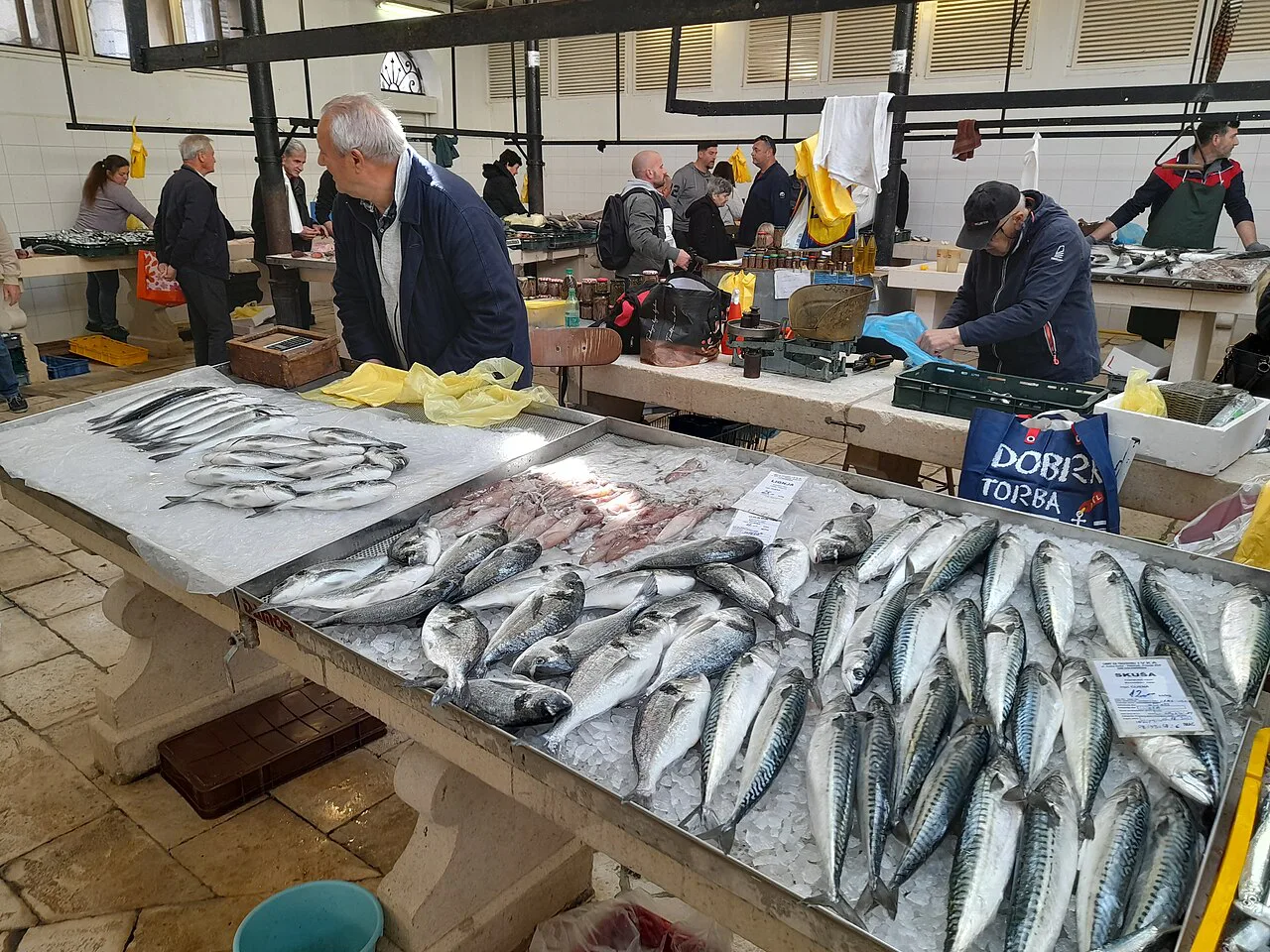
How long tours run and why most start in the morning
Expect between 90 minutes and four hours, with most walks settling around three. The comparison found costs land at roughly 30 to 50 euros per person per hour once you divide the price by the time, which narrows the field considerably: you are often paying similar money for very different lengths.
Morning is the default because both markets are trading then. The fish market's trading hours are the constraint: Withlocals times its culinary kickstart route to reach the fish market before it closes mid-afternoon, and it notes that the hall is shut on Sundays. If catching the fish hall matters, book a weekday morning slot and raise it with your host when you book.
If your only free slot is a Sunday afternoon, a shorter restaurant-and-bakery walk makes more sense than paying for a market tour that cannot deliver its main draw. Build the day around the walk rather than squeezing it between other plans, because these tours run long: allow the full block of time.
Tour-by-tour: what you eat on each Split food tour
The market marenda walk opens with pršut, cheese, peka bread and soparnik alongside grappa, then moves into a konoba for seafood, two pastas and black risotto, and finishes with gelato. It is the most complete single meal in the 2026 line-up. If you would rather sit down for a Dalmatian introduction and have wine included rather than ordered separately, this is the one to weigh first.
The four-hour Discover Split walk builds a charcuterie board of pršut, pancetta, cheese, olives and fig jam, then black risotto, pašticada with gnocchi, burek, gelato and a rakija shot. The Ultimate Walking Food Tour goes for breadth with burek, crni rižot, ćevapi and traditional desserts, with wine and water throughout. Anyone who wants to compare the ćevapi they eat on a tour with the properly grilled version should read our guide to Ćevapi in Split afterwards.
The Withlocals kickstart walk is a two-hour private format with six food and drink tastings, built around štrukli (boiled or baked pastry layered with fresh cheese) and pivo, the local lager. It starts in front of restaurant Zlatna Ribica and can be tailored to your preferences, with vegetarian options available. It is a good fit for a first morning when you want a host's shortlist for the rest of your stay rather than a long lunch.
Per person or per group: how the price actually compares
Read the price unit before the price. In the 2026 comparison, two listings are quoted per group of up to two people rather than per head, which means a couple pays roughly half the headline figure each. That single detail turns an apparently expensive option into a mid-priced one.
Once you normalise per-person cost, the spread narrows across the tours listed. The variable that remains is time: 90 minutes at the short end and four hours at the long end, for very similar money. Whether three hours or four suits you depends on how much of your day you want to give to a single walk.
Ask two questions before paying: is wine included or ordered at the table, and is the quote per person or per group. Both change the real cost more than the headline figure does. For a wider sense of what meals cost away from tours, see our breakdown of Food Prices in Split.
Sit-down konoba course versus market and street-food crawl
A seated konoba course gives you a table, a wine list and the chance to watch how a Dalmatian kitchen plates a risotto or a pašticada. It is the better choice in cool or wet weather and for anyone who finds standing at market stalls tiring. The trade-off is that a single course compresses the eating into fewer venues, so you cover less ground on foot.
A market and street-food crawl keeps you moving and lets you taste more distinct things: burek from a bakery counter, soparnik from a market stall, ćevapi from a grill. It suits confident eaters who want breadth and do not mind eating on your feet. If that is your preference, line up your own crawl with our guide to Konobas in Split for the sit-down part of the trip, and use the tour for orientation.
How much history you get, and how to ask for the balance you want
Every walk includes some history because the route passes through the palace, but the balance between stonework and food is set by the guide rather than the itinerary. The 2026 comparison makes the practical point plainly: guests who say at the start whether they came for the food or the history get the balance they wanted.
Say it at the meeting point in one sentence. If you want the food, ask for shorter explanations at each stop and more detail on what you are eating and where to find it again. If you want the history, ask the guide to lead with the palace and treat the tastings as the interval.
Dietary needs and private versus small-group tours
Private tours are the simpler choice for allergies and special diets, because the host can adjust the stops before you arrive. Withlocals lists six tastings with vegetarian options and invites guests to flag any allergy so the host can plan around it. Small-group walks cap numbers but follow a fixed menu, so ask in advance whether a substitution is possible.
Group sizes in the 2026 comparison run up to 12, with private options available on some walks. A group of 10 to 12 is fine for a market crawl but slows a seated meal, so couples and families often get better value from a private format once they divide the cost. If you would rather cook than be guided, our guide to a Split cooking class covers the hands-on alternative.
Who a Split food tour suits and who should book something else
These walks suit first-time visitors who want one meal to do the work of orientation, couples who would rather pay per group than per head, and anyone who wants a host's shortlist for the rest of the stay. They also work well for travellers with a single free morning in the city before moving on along the coast.
They are less good for anyone who already knows Dalmatian food, for travellers who dislike guided groups, and for picky eaters who would rather order à la carte. Families with very young children may find three hours at a table and two markets long. In those cases, one good konoba lunch and a self-guided morning at Pazar will teach you more for less.
Which Split food tour should you book?
For a first visit, book the three-hour market-and-konoba walk: it covers both markets, includes a seated course with wine and finishes in time for an afternoon elsewhere. If you are a couple watching the budget, compare per-group quotes first, because the group-priced listings pay off best when split between two.
If your only free slot is Sunday or after lunch, choose a shorter restaurant-and-bakery format instead of a market tour. Whichever you pick, say at the start whether you came for the food or the history, and you will get the walk you actually wanted.
Explore more Split guides
Sources
Notes on eating well in Croatia
Optional updates to our food guides.
You might also like
Continue reading
More guides you'll find useful