Street Food in Split: Sandwiches, Bakeries and Quick Bites
Street food in Split means Dalmatian classics turned into sandwiches, plus pizza slices, grilled bites and pastries. Here is what to order and where to find it.
On this page
Street food in Split is a short format built on long-cooked Dalmatian dishes: stews, fish broths and slow braises stuffed into bread rather than served on a plate. The clearest example is Misto - Street Food Factory on Bosanska ulica, where pašticada, brujet and tingul all appear in sandwich form. This guide covers that sandwich model, the experience menus that go with it, and the quicker alternatives around the old town and the delivery apps.
What counts as street food in Split
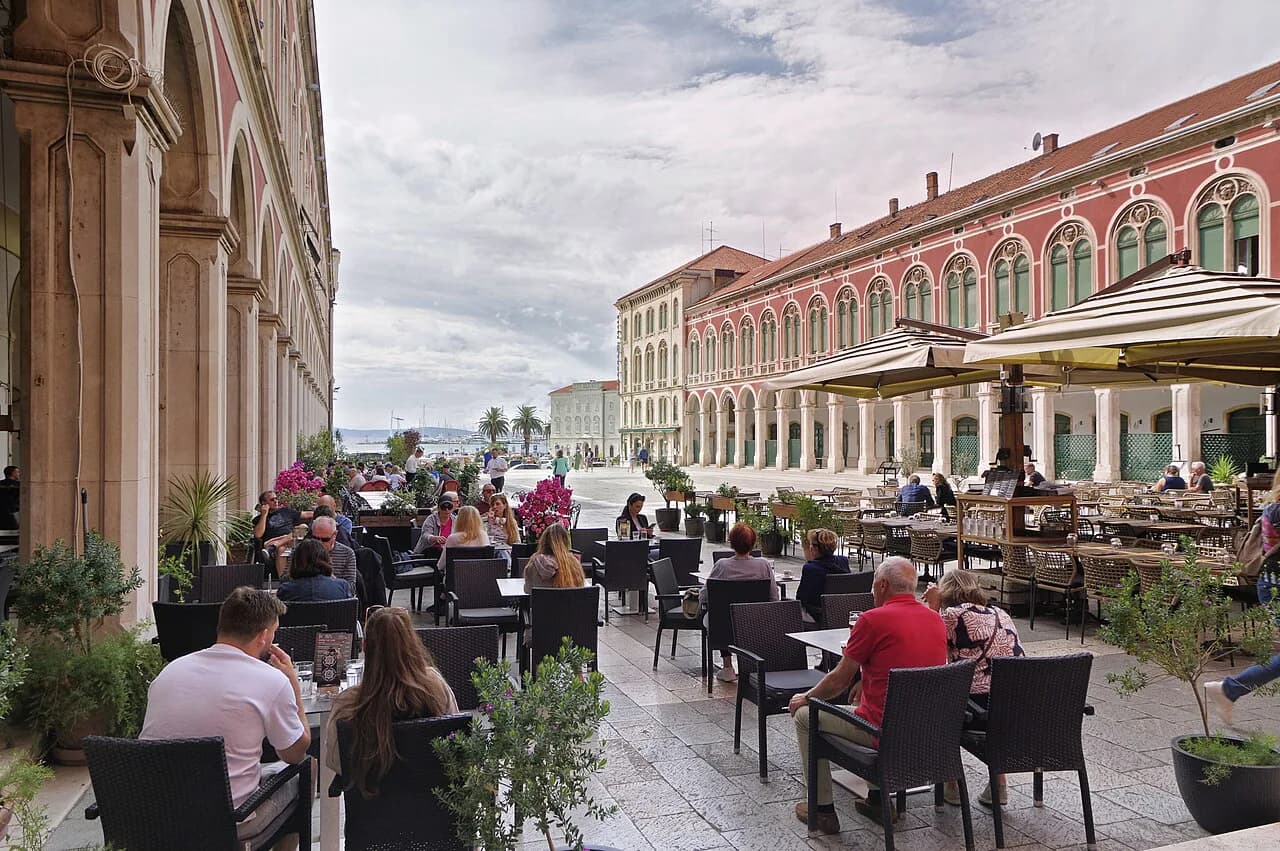
Split does not have a big pavement-food culture in the Istanbul or Naples sense. What it does have is a small number of places packaging the region's sit-down cooking into something you eat standing up or on a bench, and a much larger supply of pizza by the slice, bakery pastries and grilled bites. If you want the full picture of the city's cooking beyond snacks, start with the wider Split food guide before you pick a single counter.
The delivery side of the city is a fair guide to volume. The Split listings on Croatian platform dobartek.hr include pizzas, burgers, grilled meat, sushi, salads and daily lunch menus in the same feed, which tells you that most locals grabbing a fast meal are not eating a sit-down Dalmatian lunch.
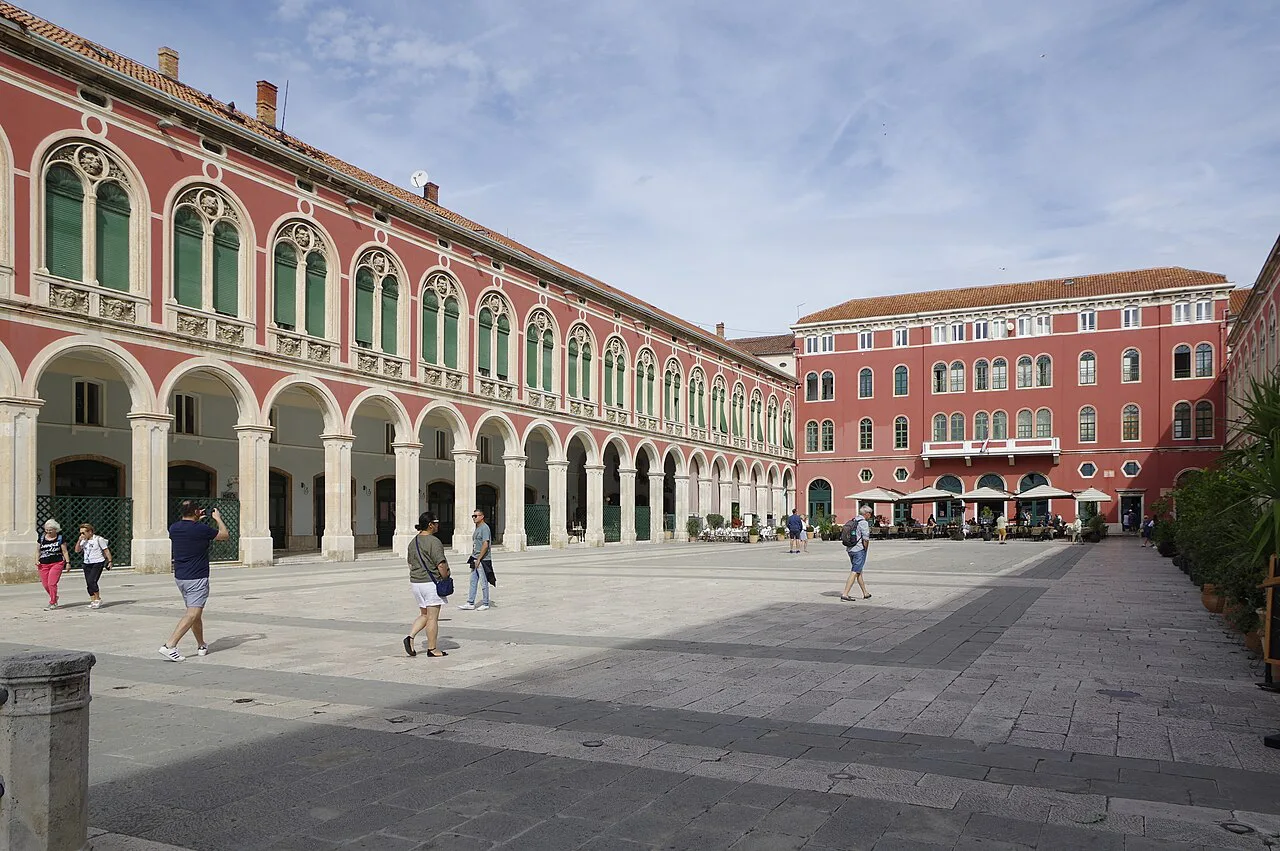
Dalmatian classics in a sandwich at Misto on Bosanska ulica
Misto - Street Food Factory occupies a space of around 26 square metres at Bosanska ulica 11, according to a profile of the business, and was set up by owners Vedran Sučić and Silvana Tvrdić with the idea of translating traditional Dalmatian dishes into street food. The format is deliberately narrow: familiar dishes, bread, and no cutlery.
That makes Misto the single most useful stop on this list if your aim is to understand what Split food tastes like without booking a table. It also makes it a limited introduction: you get the flavour profile of a konoba in a handheld form, not the pace of a proper sit-down meal.
Pašticada, brujet and tingul: what each one is
Pašticada is beef braised slowly in a sweet-sour sauce, traditionally with dried fruit and wine, and normally served with gnocchi or pasta. Brujet, more often written brudet elsewhere on the coast, is a fish stew cooked in tomato and wine. Tingul is a Dalmatian meat stew, typically a slow-cooked beef or game dish with a thick, dark sauce. All three are spoon food at heart, which is exactly why bread works as the container.
Order one sandwich if you are grazing and two between a pair if this is lunch. The sauces are rich, so a drink matters, and the pašticada is the one to pick if you only try a single thing because it carries the city's signature sweet-sour braise. If you want the same dishes plated properly, a konoba in Split is the natural next step.
The Misto experience menus and how the ordering works
Beyond the individual sandwiches, Misto built its offer around set experiences: a full experience, a fast and furious experience and a let's do it experience, alongside a standard menu. These are tasting formats rather than a la carte, so the practical decision is how much time and appetite you have rather than which dish to pick.
Because the kitchen is tiny, treat this as a quick stop and not a place to linger over several courses. If you would rather spend an afternoon learning how these dishes are actually built, a Split cooking class is the better use of a rainy day or a long stay.
Konoba Kod Joze and the sit-down alternative to a quick bite
The trade-off with street food is that you miss the room, the pace and the table service that make Dalmatian eating what it is. Konoba Kod Joze is the sit-down counterpoint, a traditional konoba with a dark wood interior and a smoky atmosphere where the beef and gnocchi is the dish worth going for. It sits outside the tight old-town core, which is part of why it feels like a local lunch stop rather than a visitor canteen.
That beef is slow-cooked for hours before it reaches the plate, so this is a meal to plan rather than squeeze in. For more places in the same mould, browse the wider list of Konobas in Split and pick by neighbourhood and by whether you want fish or meat.
Villa Spiza, in the old town, takes a different approach again: a family-run spot with a handwritten menu that shifts with the season and the catch, dishes served across rooms on both sides of an alley, and a no-reservations policy. It is cash only, so bring notes if you plan to eat there.
Pizza by the slice and cheap eats around the old town
Pizza is the most reliable cheap eat in Split and the one thing you can find almost anywhere near the centre. Pizzeria Skipper is the pick here for a straightforward sit-down pizza, and the delivery listings show how many pizzerias compete on the same streets, from small neighbourhood places to chain outlets.
If you want grilled meat in bread rather than a sit-down plate, ćevapi in Split is the thing to look for: small skinless sausages, usually served with flatbread, raw onion and a yoghurt-style cream. It is Balkan rather than strictly Dalmatian, which is exactly why it fits the quick-bite brief so well.
For a sense of how far your money stretches across sandwiches, pizza and sit-down plates, work through Food Prices in Split before you commit to a daily budget, since the gap between a slice and a konoba main is wide.
Breakfast and pastries to grab and go
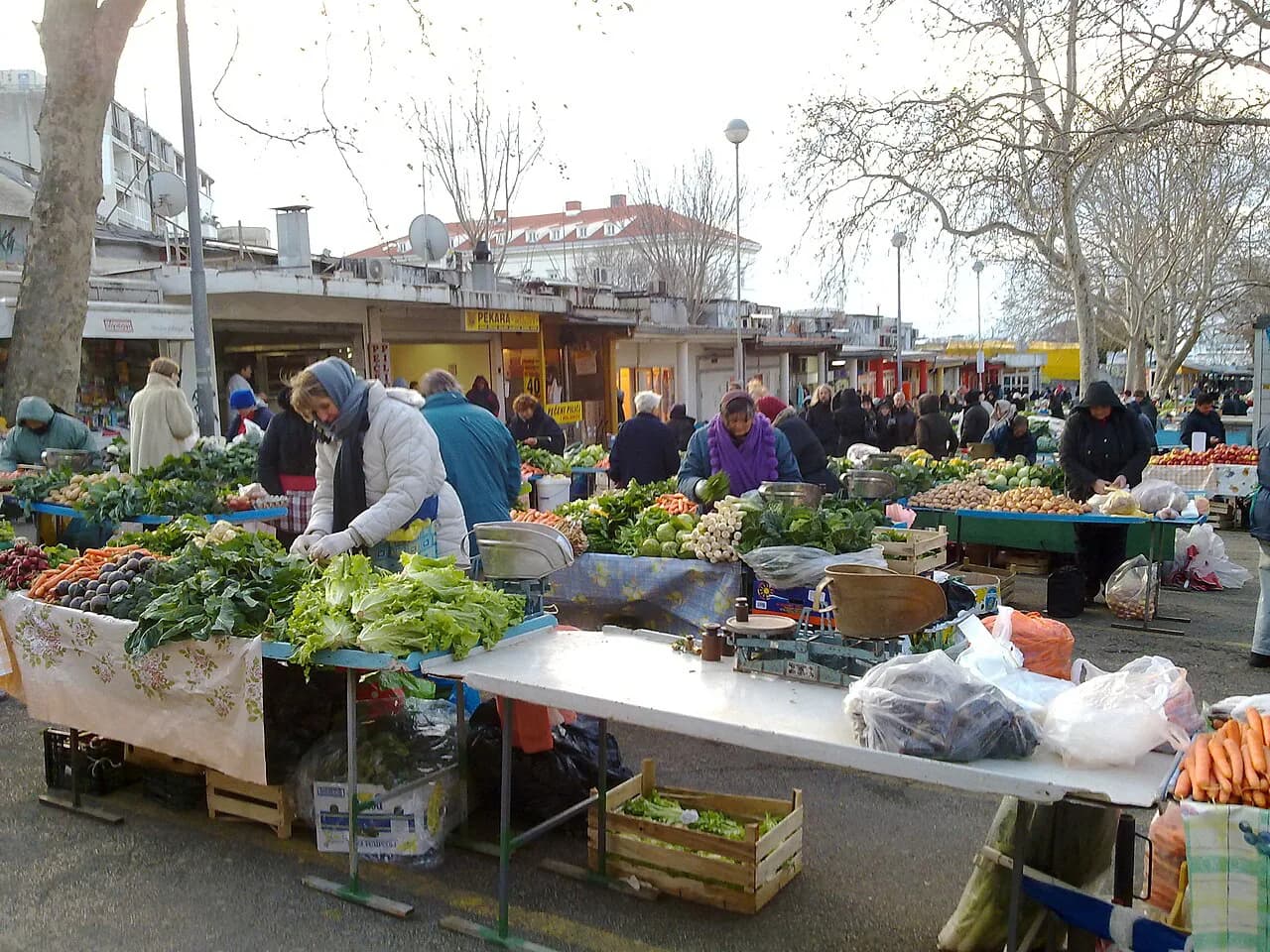
Bakeries do the morning shift in Split: burek, croissants, rolls and savoury pies, bought at the counter and eaten on the move. The delivery platform lists a separate breakfast and bakery category, which reflects how much of the city's early eating happens this way.
For something sweet rather than savoury, the same logic applies: pastries and pancakes are cheap, quick and everywhere, and the dessert end of the delivery lists is busy with palačinke, cakes and ice cream. It is the best-value way to eat well in Split without booking anything at all.
How much a quick lunch costs in Split
A street-food lunch is the cheapest proper meal you will eat in the city, but the figures differ widely by format. The delivery listings show minimum order values for individual restaurants that range from a few euros to well over twenty, which is a rough signal of how differently each kitchen prices its food rather than a menu price for a sandwich.
For a realistic daily food budget across sandwiches, pizza and restaurant meals, use the dedicated price guide rather than guessing from minimum orders, which are a delivery threshold and not a plate cost.
If you would rather eat a guided selection of small plates and street bites in one go, a Split food tour removes the guesswork and puts the dishes in context. Compare the options in Split Food Tours before you book, since the formats differ in how much walking and how much eating is involved.
Eating street food in high season versus winter
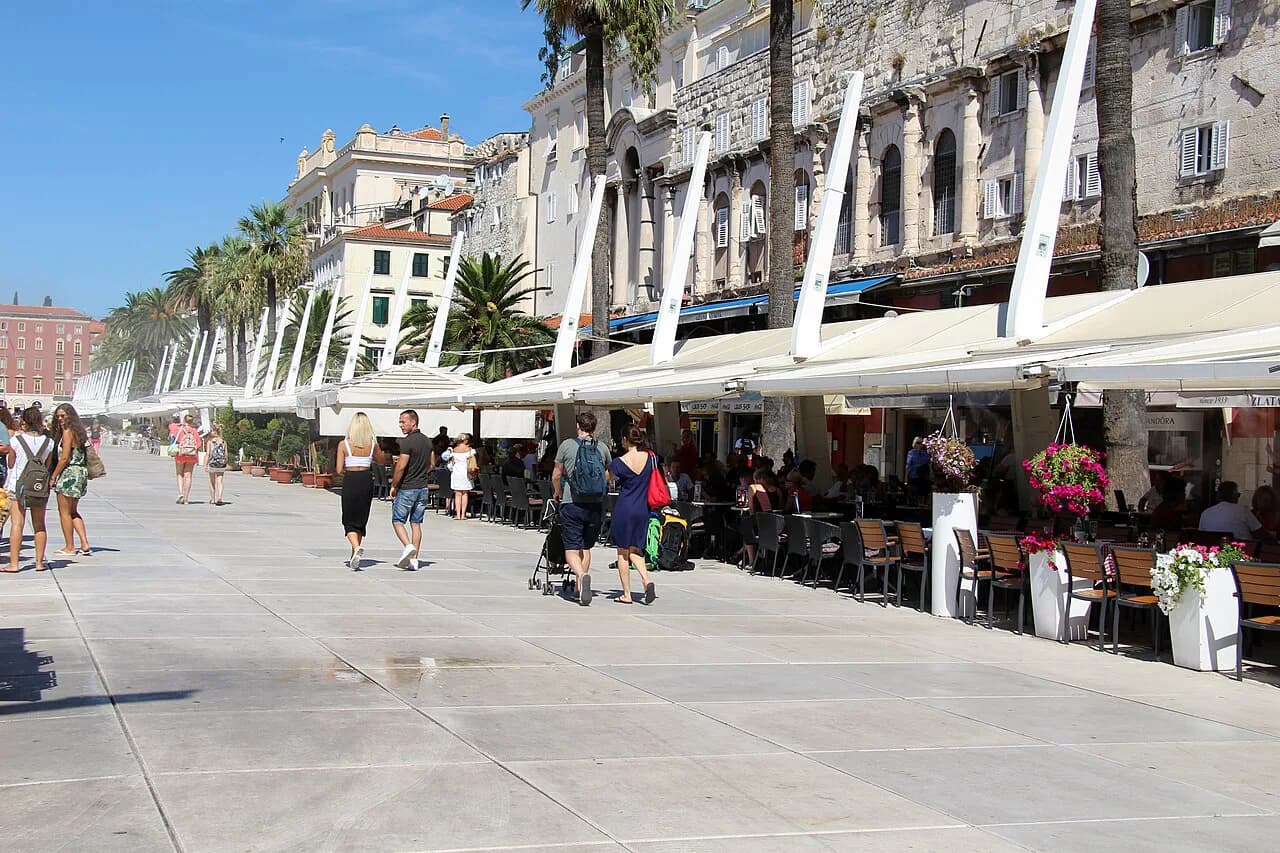
Split is a seasonal eating city. Many places run from roughly May to October, some owners take a break in November and reopen for Christmas, and a good number stay open all year, so the Split in July is not the Split in February.
In high season the practical move is to eat early or late. Villa Spiza does not take reservations, so turning up before the rush or on a weekday is the only way to manage the queue, and the same advice holds for any small counter near Diocletian's Palace.
Out of season, the old town thins out and the choice narrows, but the bakeries and pizza counters keep going. Winter is also when the sit-down konobas feel most like themselves, which is the argument for swapping the sandwich for a table between November and March.
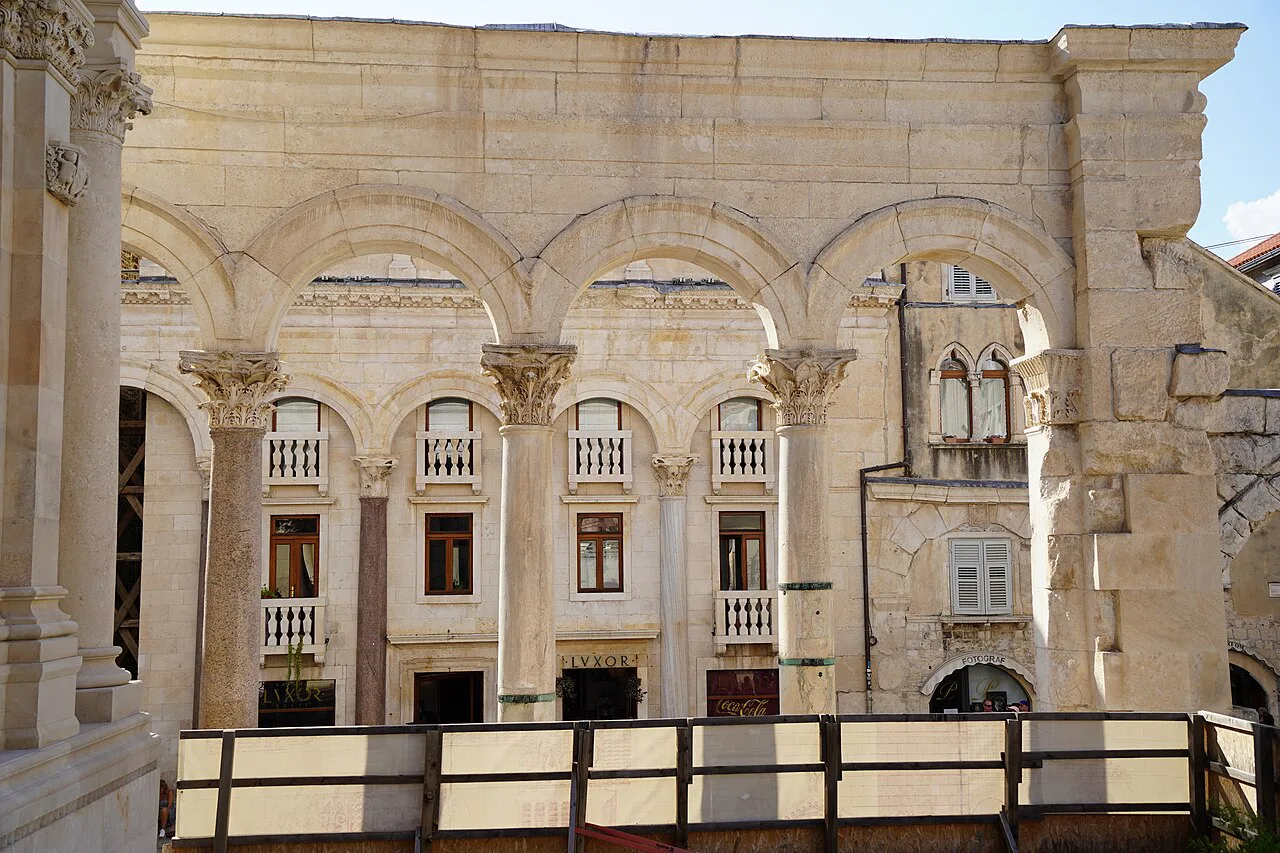
Sandwich or table: which to choose in Split
Take the sandwich when you are short of time, eating on the move, or want the flavour of pašticada and brujet without committing to a full meal. Misto on Bosanska ulica is the clearest expression of that format, and the experience menus suit anyone who wants several Dalmatian classics in one sitting.
Choose a table when the meal is the point of the evening: Konoba Kod Joze for slow-cooked beef and gnocchi, or Villa Spiza for a seasonal handwritten menu and cash-only simplicity. Both reward planning over spontaneity, which is the main difference from grabbing a slice on the way back to your room.
Explore more Split guides
Frequently Asked Questions
Is Split expensive to eat out?
It depends entirely on the format. A bakery pastry or a slice of pizza is the cheapest way to eat in the city, a street-food sandwich sits in the middle, and a sit-down konoba meal with fish or slow-cooked meat costs considerably more. Budget separately for quick bites and for restaurant dinners rather than averaging them.
What food is Split known for?
Split's cooking is Dalmatian: fish stews such as brujet, slow-braised beef like pašticada and meat stews such as tingul, plus grilled fish, pizza and pastries. The street-food version of that tradition is the sandwich format at Misto on Bosanska ulica, which puts the stews between bread.
Do I need to book ahead for food in Split?
Small places often do not take reservations at all, so timing matters more than booking. Villa Spiza is no-reservations and cash only, while larger konobas generally accept bookings and are worth reserving in high season.
Sources
Notes on eating well in Croatia
Optional updates to our food guides.
You might also like
Continue reading
More guides you'll find useful