
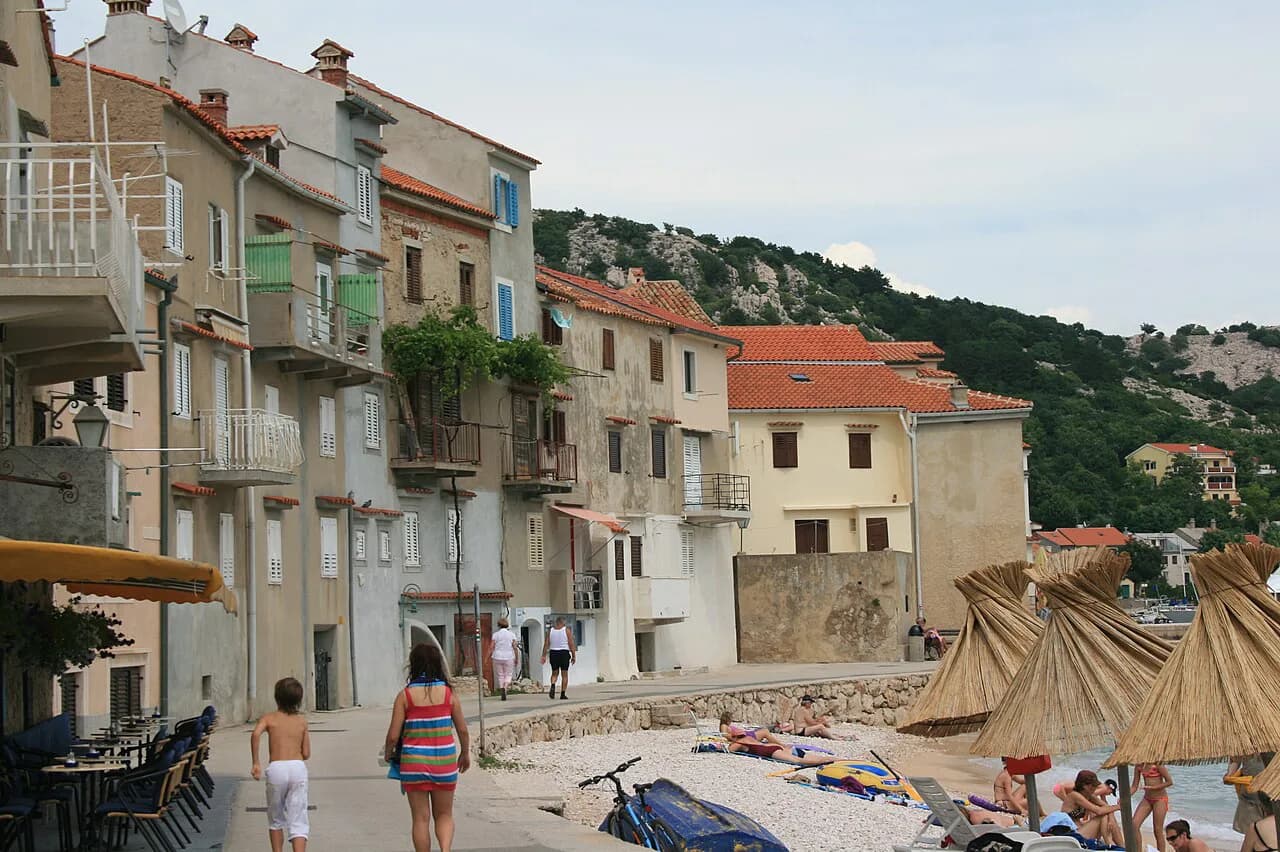
Baška Restaurants: Where to Eat on Krk's Kvarner Coast
Plan where to eat in Baška on the island of Krk, from seafood restaurants and konobas to pizzerias and the Palada promenade, with local Krk cooking noted.
On this page
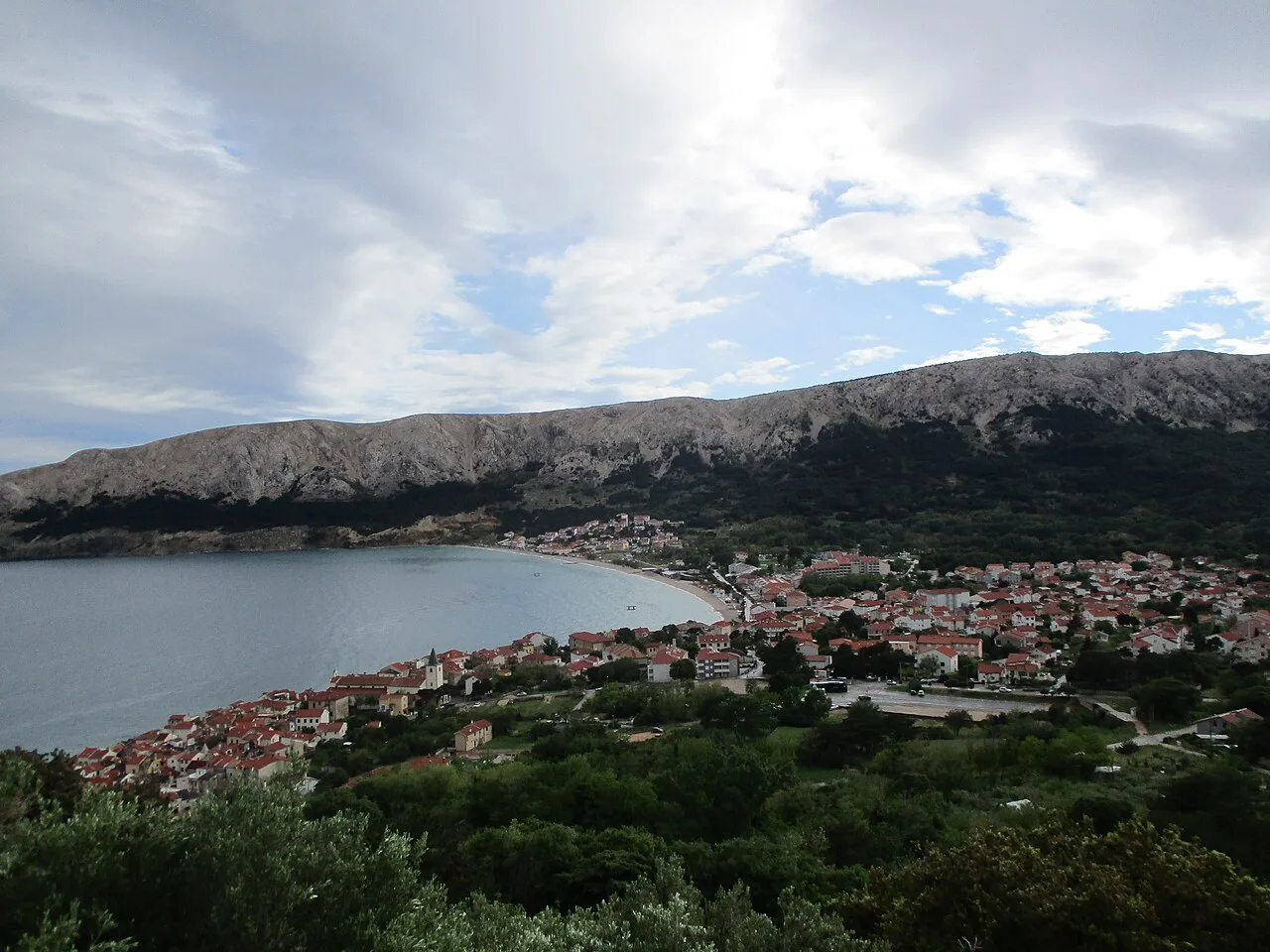
Baška is a small seaside town on the southern tip of the island of Krk, in the Kvarner Gulf, and its restaurants divide fairly cleanly into three groups: seafood places, konobas cooking in the island style, and pizzerias and casual spots along the Palada promenade. The town is not the Basque Country, and it is not Baška Voda on the Dalmatian coast, a mix-up that catches a lot of search traffic. This guide covers what each kind of place is for, which dishes to look for, and how to match the restaurant to the meal you actually want.
What eating out in Baška is like
Baška is a holiday town first, so the centre is built around feeding visitors who have spent the day on the water or on the beach. The local tourist board's restaurant pages describe the spread plainly: restaurants, konobas and pizzerias, with fresh Adriatic fish, local Krk cooking, and beach bars and wine bars along the Palada promenade. That mix tells you most of what you need before you set off: expect fish, expect island home cooking, and expect a stretch of casual places where you can eat without planning.
The useful distinction is not between good and bad but between settings. A konoba is a simple tavern, often family-run, where the cooking is slower and the menu shorter; a seafood restaurant is where you go for grilled fish and shellfish; a pizzeria does the job when everyone is tired and nobody wants a long dinner. Decide which of those three you want before you start walking the waterfront.
Seafood and fish on the Baška table
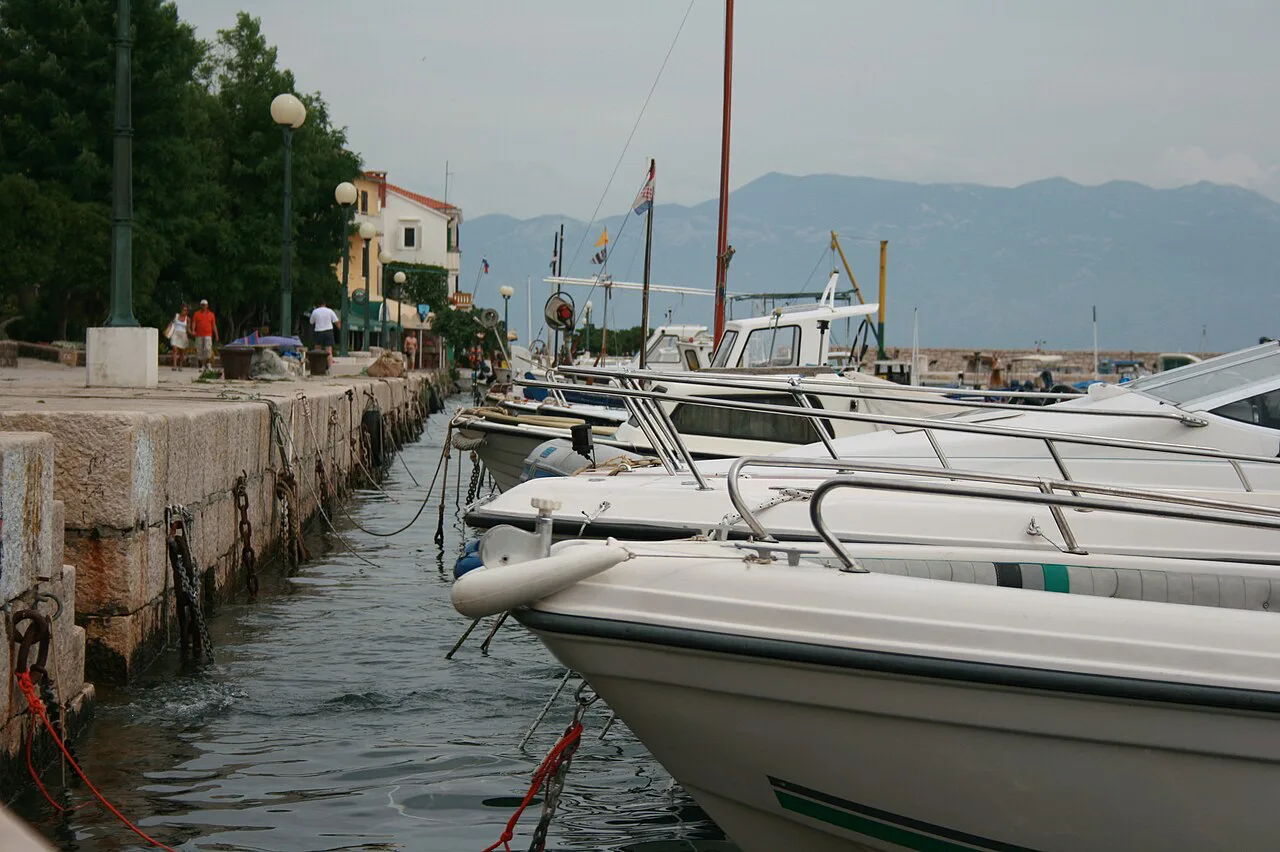
Fish is the main event on this coast, and the Kvarner Gulf supplies the town with the usual Adriatic range: sea bream, sea bass, scorpion fish and shellfish, plus scampi, the small lobster-like crustaceans that the northern Adriatic does particularly well. In Kvarner restaurants fish is usually sold by weight and priced by the kilo, so the figure you see on the menu is a rate, not the cost of your plate. Ask for the weight before it goes on the grill, and ask whether the price quoted is per kilo.
Ordering simply is the reliable route: a whole fish grilled and dressed with olive oil and lemon, a bowl of mussels, or scampi cooked in white wine and garlic. Anything in a heavy sauce is usually there for people who do not want to taste the fish. If you are eating in a group, a shared platter of mixed shellfish and a couple of whole fish works out cheaper and better than four separate mains.
Konobas serving local Krk cooking
Krk has its own food identity within the Kvarner region, and konobas are where you find it. The island is known for its lamb, its cheese, and for pršut, the dry-cured ham that appears across Dalmatia and the Kvarner in slightly different local forms. Look for a konoba with a short handwritten menu and a few tables rather than a laminated book with photographs; that is usually the one cooking what the family eats.
The wider Kvarner repertoire is worth knowing because it crosses over onto Krk: scampi, crab, sardines, and the inland dishes that come from the mountains behind Rijeka and the coast around Mošćenička Draga. If a konoba offers a plate of mixed local cheese and ham to start, take it, because it tells you more about the kitchen than any main course will.
For a broader picture of the region's cooking, the Kvarner Food guide covers the dishes and the towns worth building a meal around, from the coast down to the islands. It is useful if you plan to move on from Baška and want to know what changes as you travel north or across to Cres.
Pizzerias and casual meals
Pizzerias are the everyday backbone of a Croatian resort town, and Baška has its share along with bistros, beach bars and fast food. They matter for lunch, for children, and for the evening when a long dinner is the last thing anyone wants. The quality varies less than you might fear, because most work from the same suppliers and the same dough, but the setting does: a table with a view costs more than one on a side street.
Breakfast is the meal most visitors get wrong. Croatian cafés serve coffee and pastry rather than a full cooked breakfast, so a bakery is often the better stop before a boat or a walk. Pick up something savoury and a coffee, and you have eaten the way the town eats.
Along the Palada promenade
The Palada promenade is the seafront strip where most of the beach bars, wine bars and casual restaurants sit, and it is where the town's eating is concentrated. That convenience has a price: promenade tables are the most expensive seats in Baška and the most likely to be trading on the view rather than the cooking. Walk one street back and you usually find the same food for less, with a shorter wait.
The promenade does earn its place for a drink or a light lunch, and a wine bar there is a reasonable spot to try a glass of Kvarner wine with a plate of something small. Eat your main meal inland and drink on the waterfront, and you get the setting without paying for it twice.
Wider Kvarner: where to eat beyond Krk
If Baška is your base on Krk, the rest of the Kvarner Gulf is within reach by ferry or bridge, and the eating changes as you go. Opatija, up the coast towards Istria, is the region's grand old resort and has the most formal dining in Kvarner; the restaurants in Opatija lean towards seafood and Austro-Hungarian-style rooms, and Plavi Podrum in nearby Volosko is one of the region's long-standing names for fish.
South-west across the water, Cres is a quieter island with konobas that cook for locals as much as visitors, and Restaurant Benedikt is a name associated with the island's newer cooking. Further down the chain, Mali Lošinj restaurants sit around a working harbour, and the ferry connections make a meal there a realistic day out from Krk in season.
On the mainland coast, Crikvenica restaurants serve a long beachfront of families and Restaurant Burin is a local name for fish and traditional cooking. Lovran restaurants, further north towards Opatija, include Bevanda Restaurant and Meneghetti Restaurant, both known for cooking that draws on the Istrian and Kvarner larder. These are the places to book if you want one serious meal in the region rather than a run of casual ones.
Matching the place to the meal
Plan by meal rather than by rating. Lunch is a fish restaurant or a konoba, when the catch is fresh and the kitchen is not yet rushed; dinner is a pizzeria or a wine bar on the promenade, when the view does more work than the food. Keep one evening free for a proper konoba dinner inland, and book it if you are travelling in July or August, when the town fills up and the best tables go early.
Which Baška restaurant should you pick?
Pick a konoba inland for the one meal you will remember, a seafood restaurant for fish sold by the kilo, and a promenade pizzeria or wine bar for the evenings when setting matters more than cooking. Ask the weight of any fish before it is grilled, and keep a booking for high summer.
Frequently Asked Questions
Is Baška on Krk the same as Baška Voda?
No. Baška is a town on the southern tip of the island of Krk in the Kvarner Gulf, while Baška Voda is a separate resort on the Dalmatian coast south of Split. They are different places with different restaurant scenes, so check which one your booking or map is pointing to before you plan a meal.
What food is Krk known for?
Krk is known within the Kvarner region for lamb, cheese and pršut, the dry-cured ham served across Dalmatia and the Kvarner in local variations. Around Baška you will also find the wider Kvarner seafood repertoire: scampi, mussels, sardines and grilled fish. Konobas with short menus are the best places to look for the island cooking.
Is eating out in Croatia expensive?
Croatia uses the euro, and prices in a resort town like Baška vary widely between promenade tables and places a street back. Seafood sold by weight is the main risk, so ask the per-kilo rate and the weight of the fish before it is cooked. Pizzerias and bakeries are the cheaper options for lunch or a casual evening.
Sources
Notes on eating well in Croatia
Optional updates to our food guides.
You might also like



Continue reading
More guides you'll find useful





