
Croatian Spices: What Seasons Croatian Cooking
Croatian spices split along regional lines: paprika, black pepper and garlic inland, rosemary, sage and bay leaf on the coast. Here is how each is used.
On this page
Croatian cooking uses few spices, and which ones appear depends on where you are. Inland, in Slavonia and Zagorje, paprika, black pepper and garlic do most of the work; on the coast, in Dalmatia and Istria, rosemary, sage and bay leaf carry the flavour. This guide explains that Split, names the dishes where you can taste it, and settles the question of heat.
The practical upshot for a menu reader is simple: a Zagreb lunch and a Split lunch are seasoned by different hands. Once you know which pantry a kitchen is drawing on, you can guess how a dish will taste before it arrives, and the same knowledge helps when you are choosing Croatian snacks to pick at alongside a drink.
What spices Croatian cooking actually uses
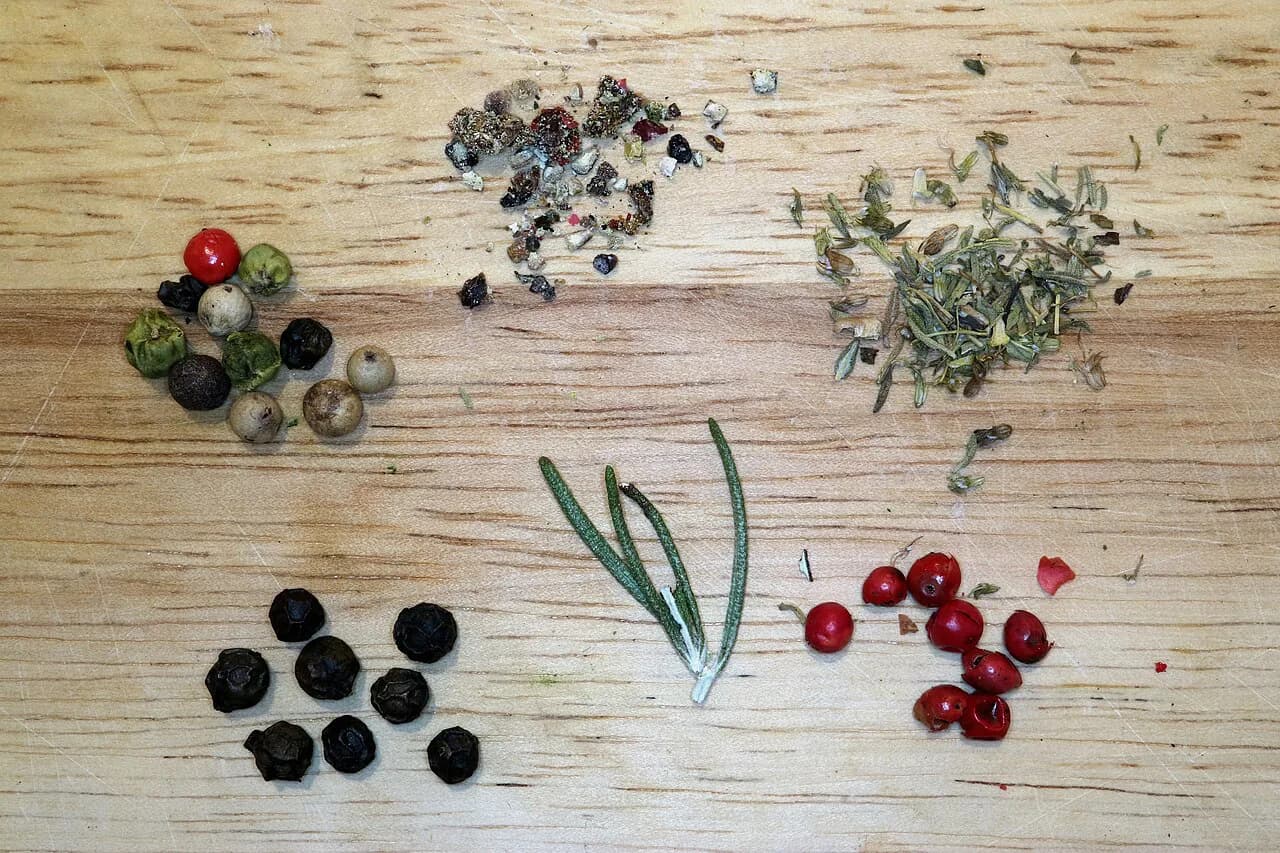
The inland pantry is built on black pepper, paprika and garlic, with the emphasis on savoury depth rather than heat. The coastal pantry is built on Mediterranean herbs, particularly rosemary, sage and bay leaf, which suit grilled fish, lamb and vegetables cooked in olive oil.
There is also a ready-made shortcut in many kitchens: Vegeta, the Croatian seasoning blend, turns up in home cooking and simple restaurant dishes across the country. If you want to understand what it adds and how it is used, our guide to Vegeta explains the blend and its place on the shelf.
Freshness matters more than quantity on the coast. Herbs are often added late in cooking or scattered raw over grilled fish, so the flavour stays green rather than dusty, and olive oil carries much of the aromatic load; Croatian olives and extra virgin olive oil are covered in their own guide.
Inland Croatia: paprika, black pepper and garlic
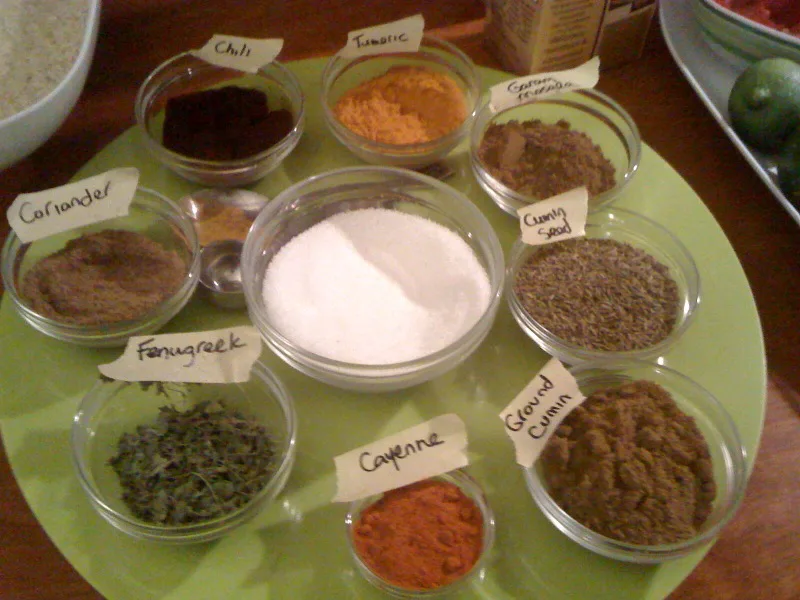
Continental cooking is the heavier, slower half of the Croatian repertoire, and its seasoning follows suit. Paprika gives colour and warmth to stews and cured meats, black pepper supplies the bite, and garlic goes in early and in quantity.
Do Croatians cook with chilli or hot spice? Traditional Croatian dishes are not built around chilli heat. Paprika inland is used for colour and sweetness, and black pepper is the usual source of bite.
What is a typical Croatian spice blend? There is no single traditional blend. Home kitchens season with individual spices and herbs: paprika, black pepper and garlic inland, rosemary, sage and bay leaf on the coast.
Slavonian kulen, a smoked pork sausage made with paprika and garlic, is the clearest taste of that inland palate; it is cured over winter and keeps well when stored correctly. Order it sliced as a starter with bread and you are essentially eating the region's spice cabinet.
Paprika here is used for flavour rather than fire, so a paprika-coloured dish will taste rounded and savoury, not hot. If you are choosing between a Slavonian stew and a coastal fish plate, the former will be richer and more spice-forward.
Coastal Croatia: rosemary, sage and bay leaf
Dalmatian and Istrian kitchens treat herbs as a seasoning for the main ingredient rather than a sauce in themselves. Rosemary, sage and bay leaf are the standard trio, used with grilled fish, roast lamb and potatoes cooked under a baking lid.
Bay leaf often goes into the pot with fish stews and braises and is removed before serving, so you may taste it without seeing it. Rosemary is more visible, usually as whole sprigs laid over lamb or potatoes before roasting.
Alongside herbs, coastal cooking uses olive oil, wine vinegar and wild herbs as its working flavours, which is why a good Dalmatian plate can taste bright and herbal rather than spiced. Parsley and garlic, pounded together, do the rest.
Herbs and spices in the dishes you will order
Pašticada, the Dalmatian braised beef, shows how deep seasoning works in coastal cooking. The meat is stuffed with garlic, cloves, carrot, celery and bacon, marinated overnight in wine vinegar, then simmered for hours and served with pasta or njoke (gnocchi). Cloves are the spice to notice here, used sparingly against the vinegar.
Black risotto, crni rižot, takes its colour from cuttlefish ink and its savoury edge from garlic, parsley and a little pepper. Buzara, the mussel dish cooked in white wine, garlic and breadcrumbs, is another place where garlic and parsley lead rather than spice.
On the vegetarian side, soparnik is a savoury pie filled with Swiss chard and red onion, seasoned plainly so the chard comes through. Zagorski štrukli, the filled dough dish from the north, can be sweet or savoury, which makes it a useful test of whether a kitchen seasons towards savoury or sugar.
Sweet dishes carry their own aromatics. Fritule, small fried dough balls, are the usual end to a coastal meal. To take the seasoning habits home, Croatian Cookbooks Compared looks at which titles explain the quantities and resting times rather than listing ingredients alone.
Croatian dishes most known for their seasoning
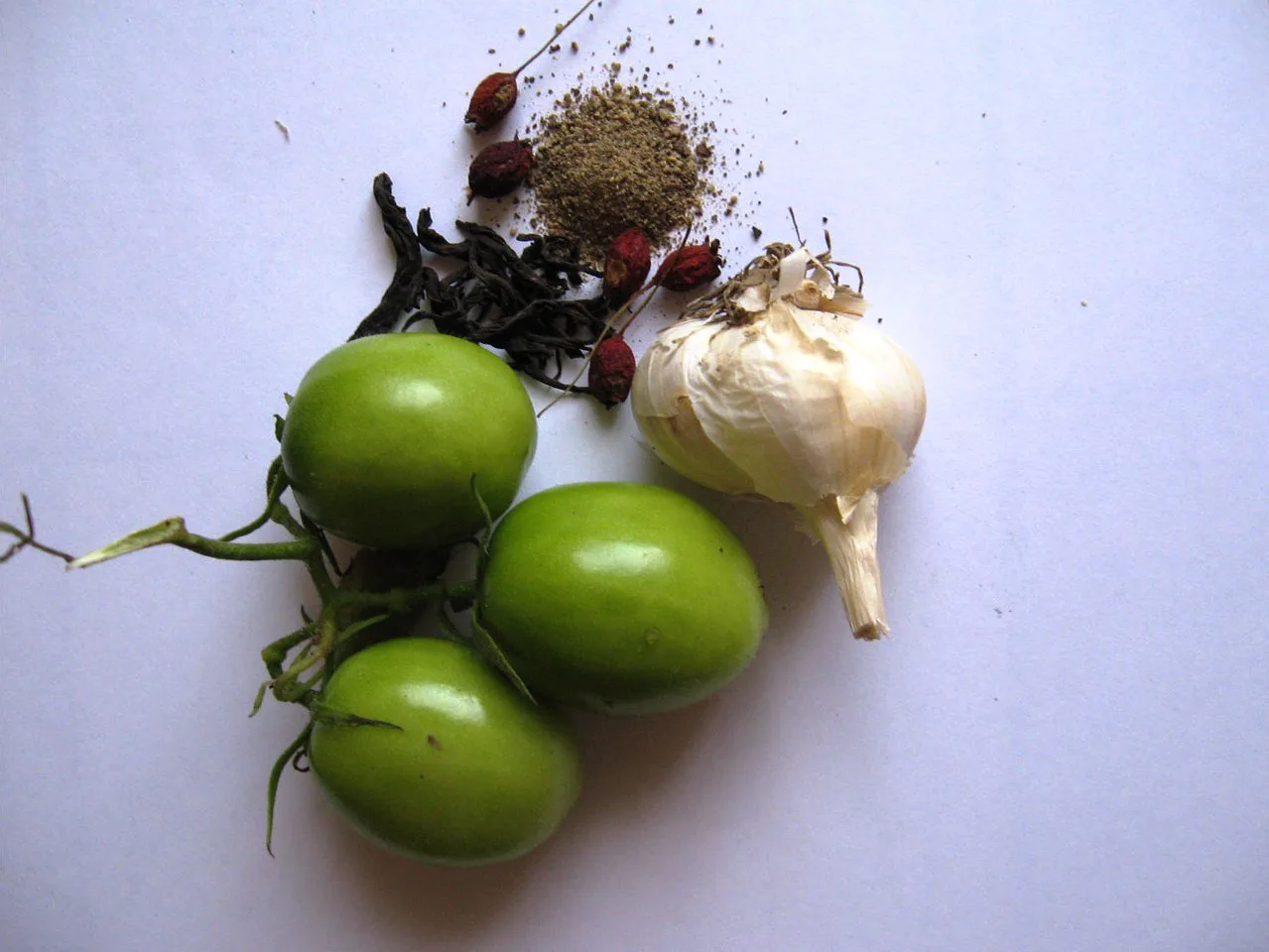
Kulen is the inland benchmark, a paprika-and-garlic sausage that tastes of Slavonia in a single slice. Pag cheese, a hard sheep's-milk cheese from the island of Pag, is the coastal counterpart: its flavour comes from sheep grazing on grass, herbs and aromatic flowers rather than from added spice.
Pršut, the Croatian dry-cured ham, is served with olives and cheese as a starter and is seasoned only with salt, which is the point: it is a test of curing rather than spicing. Mali Ston oysters, farmed in the bay since Roman times and protected by a designation of origin, need nothing but a squeeze of lemon.
On the sweet side, Maraschino, the cherry liqueur from Zadar, is a flavouring as much as a drink, and rakija made from fruit turns up after meals. Both are strong, so a small glass alongside dessert or coffee is the sensible measure.
Vegetarian dishes and how they are flavoured
Vegetable cooking in Croatia relies on olive oil, garlic, wine vinegar and wild herbs rather than spice mixes. Swiss chard with potatoes and tomato sauce is the standard example, and it is seasoned gently so the chard remains the main taste.
Ćoravi gulaš, a vegetarian goulash of potatoes, onions and carrots in a tomato base, is the inland answer, and paprika rather than chilli gives it its colour and warmth. In cities such as Split and Dubrovnik you will also find clearly marked vegetarian menus, while in rural areas you may need to explain that you want no meat.
Is Croatian food spicy?
Usually not. Paprika in Croatian cooking is used for its colour and sweetness, and chilli heat is not a defining feature of the traditional dishes you are likely to order. If you want heat, ask for it plainly and expect it to arrive as a condiment rather than in the cooking.
Black pepper is the more common source of bite, particularly inland, and it is usually on the table. Coastal food tastes of herbs, olive oil and salt rather than spice, which is the pleasant surprise for visitors expecting heat from a Mediterranean kitchen.
How Croatian seasoning compares with Italian cooking
The coastal kitchen shares Italy's pantry: olive oil, garlic, parsley, rosemary, sage and bay leaf, used with fish and vegetables. The difference is one of emphasis rather than ingredients, with less tomato and more herb-forward cooking on the Croatian side of the Adriatic.
Inland Croatia looks elsewhere entirely, towards paprika, pepper and garlic in stews and cured meats, which is closer to Central European cooking than to Italian. Croatia's proximity to Italy also means pasta, pizza and risotto are familiar vegetarian options on many menus.
If you want to see how a Croatian home cook balances herbs, salt and oil in ordinary dishes, a Croatian cookbook is the place to look. Reading two versions of the same dish is the fastest way to see how much seasoning a Croatian kitchen considers normal.
Which seasoning to order by region
Order by region and you will rarely be surprised. In Zagreb, Slavonia and Zagorje, expect paprika, black pepper and garlic in stews, sausages and baked dishes; in Dalmatia and Istria, expect rosemary, sage and bay leaf with fish, lamb and vegetables.
If you want to taste the difference in one sitting, start with kulen inland and pršut with Pag cheese on the coast, then follow with a paprika-rich stew or a herb-scented fish plate, with a handful of Croatian snacks to start. Neither main will be hot, and both will tell you exactly where you are.
Explore more Croatia guides
Frequently Asked Questions
Do Croatians cook with chilli or hot spice?
Traditional Croatian dishes are not built around chilli heat. Paprika inland is used for colour and sweetness, and black pepper is the usual source of bite. If you want heat, ask for it directly rather than assuming a paprika-coloured dish will be hot.
What is a typical Croatian spice blend?
There is no single traditional blend. Home kitchens season with individual spices and herbs: paprika, black pepper and garlic inland, rosemary, sage and bay leaf on the coast. Vegeta, a widely used Croatian seasoning mix, is the closest thing to a standard shortcut, and it is based on salt, dried vegetables and seasoning rather than chilli.
Sources
Notes on eating well in Croatia
Optional updates to our food guides.
You might also like



Continue reading
More guides you'll find useful





