
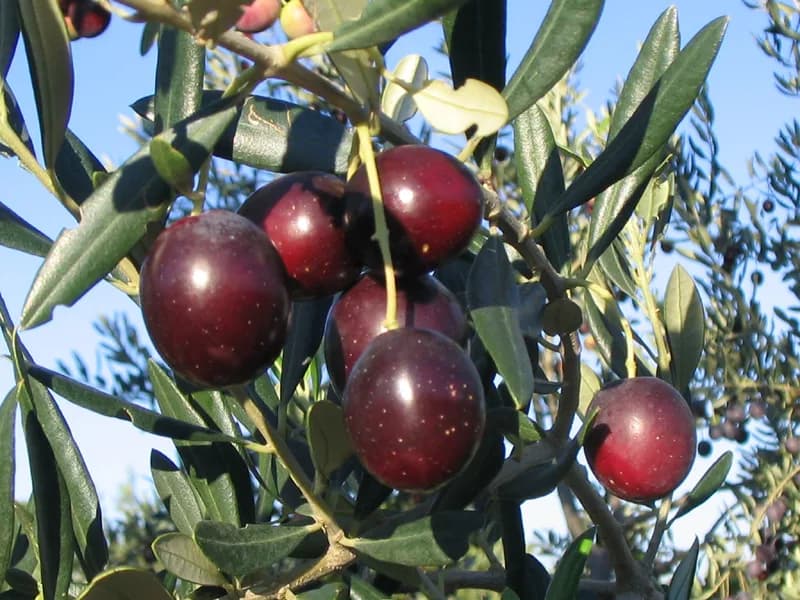
Croatian Olives: Varieties, Regions and the Olive Oil to Buy
Croatian olives explained: Lastovka and Plominka varieties, groves in Istria and Dalmatia, same-day pressing, and how to read a bottle of extra virgin oil.
On this page
Croatian olive oil is worth buying because the country's groves are mostly small family holdings that press their own fruit quickly, producing limited quantities of extra virgin oil rather than blending for volume. The variety names on the label, Lastovka, Plominka, Buža, tell you more about what is in the bottle than any generic "Dalmatian olive oil" branding, and this guide explains those names, the regions behind them and how to choose between a kitchen oil and one to pour over fish.
You will meet Croatian oil in two places: on the table, usually as a plain dressing alongside bread, fish or salad, and in shops and markets, where bottles range from inexpensive everyday oil to single-grove bottlings. Knowing a little about the variety and the mill behind the label stops you paying premium money for an anonymous bottle.
What makes Croatian olive oil different
The defining feature is scale. Most Croatian producers are small family businesses growing their own olives and making limited runs of extra virgin oil, often hand-picking the fruit and pressing it the same day to protect quality, rather than running the mechanical harvesting and blended-oil model common in larger producing countries.
Olive varieties to know: Lastovka, Plominka and Buža. Lastovka is the indigenous variety most associated with the Dalmatian islands and coast, and it is prized for oil with a distinct aroma and a balanced flavour.
Where the groves are: Istria, Krk, Cres, Brač, Korčula, Šolta and Pelješac. Istria is the peninsula to watch, and it dominated the Croatian entries that took medals at the 2016 competition, with producers working the rolling hills of central Istria.
How Croatian olive oil is made: family groves, hand-picking, same-day pressing. The quality story is really a logistics story.
That structure has a trade-off. Croatian oil is rarely cheap in the way mass-market Mediterranean oil is, because the volumes are small, but the best bottles are genuinely distinctive and traceable to a named grove. Family farms own the overwhelming majority of Croatia's trees, with only a few larger company plantations, and the average holding is under a hectare.
Croatia is also a small producer by European standards, which is why it rarely appears on lists of the big olive-oil nations despite centuries of cultivation along the Adriatic. Treat Croatian oil as a boutique product rather than a commodity, and the pricing and the packaging make more sense.
Olive varieties to know: Lastovka, Plominka and Buža
Lastovka is the indigenous variety most associated with the Dalmatian islands and coast, and it is prized for oil with a distinct aroma and a balanced flavour. If a Dalmatian bottle names a single variety and you want the local signature, Lastovka is the one to look for.
Plominka is a rare variety grown only on Krk, Cres and a small part of Istria, and a monovarietal Plominka from the island of Krk won recognition at the New York International Olive Oil Competition in 2016, which is history rather than a current-year claim. Its appeal is terroir: the groves grow among Mediterranean herbs rather than in dense plantations.
Buža is an indigenous Istrian variety, and it appears in Istrian oils alongside varieties such as Leccino and Pendolino; one central-Istrian producer planted Buža among those varieties in 2009. When you see Buža on an Istrian label, you are looking at a local variety that gives the oil its regional character.
A single-variety bottle is not automatically better than a blend; it is simply more specific. Monovarietal oils let you taste a variety and a place, while blends are often built for all-round kitchen use. Buy the single-variety bottle when you want to taste the difference, and the blend when you want one oil for everything.
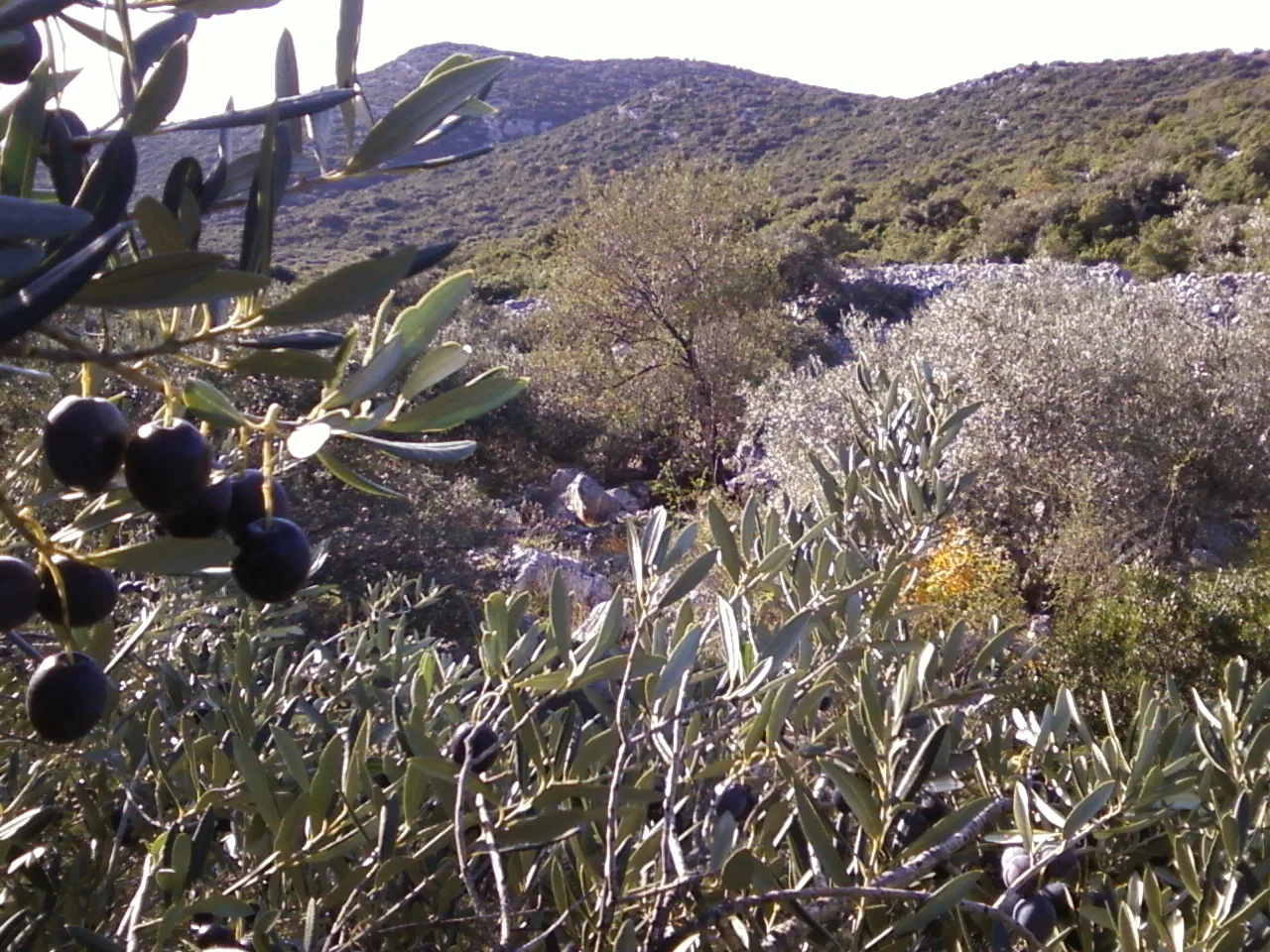
Where the groves are: Istria, Krk, Cres, Brač, Korčula, Šolta and Pelješac
Istria is the peninsula to watch, and it dominated the Croatian entries that took medals at the 2016 competition, with producers working the rolling hills of central Istria. Krk and Brač in the Adriatic islands and the Pelješac peninsula in southern Dalmatia made up the rest of that Croatian medal group.
Cres is the one island whose oil already held Protected Designation of Origin status at EU level, granted in 2015, while applications for oils from Istria, Krk, Korčula and Šolta were pending at the time of that reporting in 2016. Do not assume the others are protected: look for the PDO mark itself rather than the region name alone.
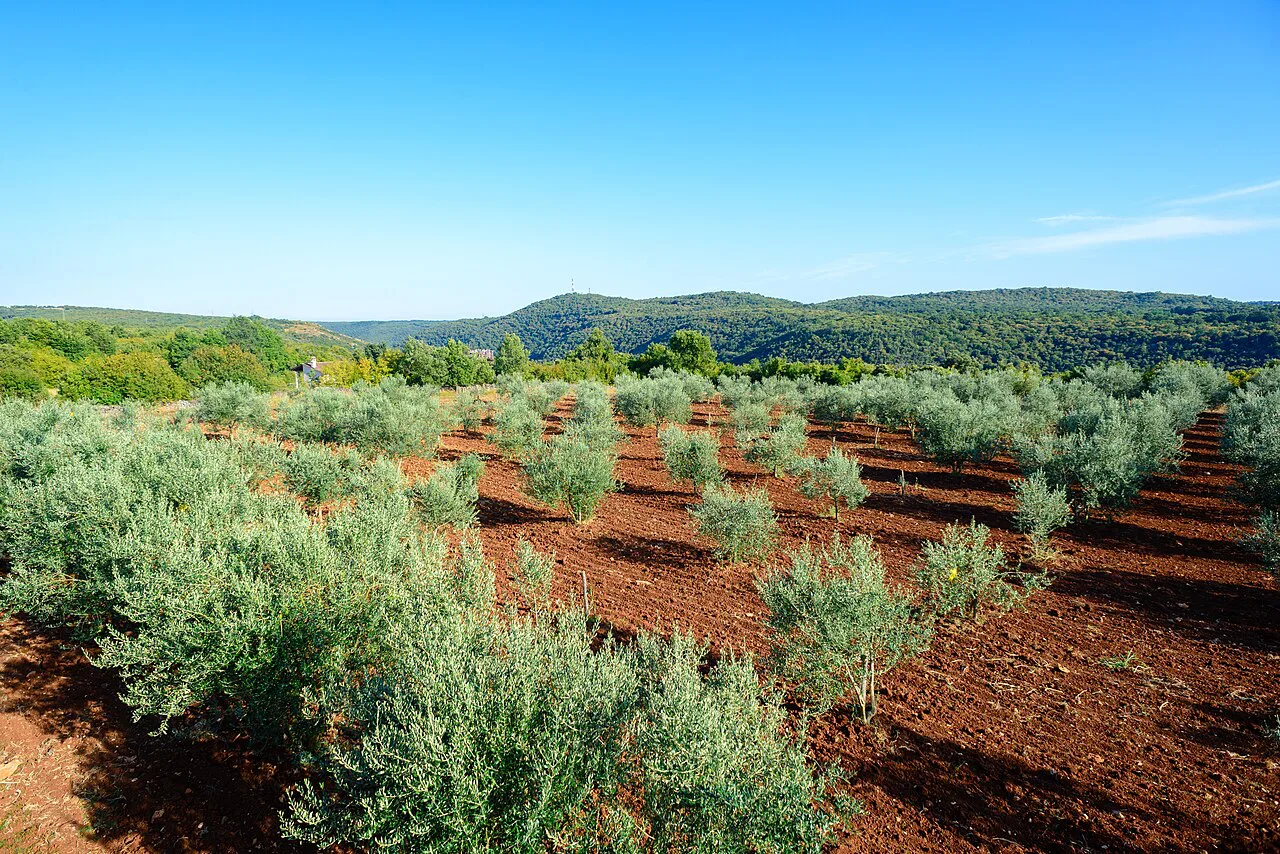
Production is spread across the coast and islands, but the groves are tiny: most Croatian olive farms run to less than a hectare and only about a fifth exceed two hectares, with intensive planting making up roughly a fifth of the total area. That explains why you will meet oil from a village or a single family rather than from a big estate.
Olive growing here goes back to Greek and Roman times, and the olive area has grown in recent years as old groves are renewed and new ones planted. Family farms remain the norm, with company plantations the exception rather than the rule.
How Croatian olive oil is made: family groves, hand-picking, same-day pressing
The quality story is really a logistics story. Fruit that sits after picking starts to degrade, so small producers who pick by hand and get the olives to the mill the same day keep the oil fresh and clean-tasting, while some go further and farm organically.
Organic certification is a further step up in effort, and one Istrian producer described pressing organic olives on separate, cleaned equipment to avoid any mixing, a process that takes hours on its own. That is why organic Croatian oil commands a premium: the cost is in the handling, not just the farming.
Croatia's oil output is modest over the long run, with average production over a ten-year period well below domestic consumption. That is useful when you are shopping: a bottle labelled simply as Croatian may not be estate oil, while a named family producer usually is.
Reading a bottle: extra virgin, monovarietal, organic and protected origin (PDO)
Extra virgin is the grade to buy for the table. Croatian producers make a good share of their output to this standard; the figure cited in one set of national statistics is 35 per cent of the oil produced.
Monovarietal means one olive variety in the bottle, often named, such as Plominka or Buža; blends usually list several varieties or none. Organic means certified production and separate pressing. PDO means the oil's origin and method are protected at EU level, and in Croatia that currently applies to Cres.
Check the harvest or best-before date, the producer's name and the variety before the marketing copy; those three tell you more about freshness and style than a word like "premium". Prices in shops and at markets are set by the producer and vary by harvest, so compare on the shelf rather than relying on a fixed figure.
Which Croatian olive oil to buy and how to use it
For everyday cooking, buy a fresh, mid-priced extra virgin and use it for frying, roasting and dressing without ceremony. Save the monovarietal or organic bottles for the table, where you can taste the difference: drizzle them over fish, cooked vegetables, bread or a simple salad.
If you want a bottle to bring home, a named variety from a family producer is the safest buy, because it gives you something specific to look for again. Plominka for a rare island oil, Buža for Istria, Lastovka for Dalmatia.
Storage matters as much as the label. Keep oil in a dark cupboard away from the hob, and buy smaller bottles if you cook with it slowly.
Ordering olive oil with a meal in Croatia
In konobas and restaurants, olive oil arrives as a condiment rather than a performance: a small jug or bottle on the table for bread, salad and fish, sometimes a house oil made locally. Ask what it is if you are curious, and expect a plain, fresh style rather than a heavily flavoured finishing oil.
The oil is part of a wider pantry language. Seasoning, tinned fish, crackers and oils all turn up together on Croatian tables and in shops, and our guide to Croatian snacks covers the packaged side of the same shelf, including Vic crackers and Petit Keks.
For cooking at home, Croatian recipes treat oil as the default fat for vegetables, fish and stews rather than a finishing flourish. If you want to cook from the same tradition, a good Croatian cookbook will show you how much oil goes into a dish before it ever reaches the table.
If you are building a Croatian pantry, oil sits alongside the country's seasoning habits, and our explainer on Vegeta covers the other ingredient most likely to be in the cupboard.
Which bottle should you actually buy?
Buy one named-variety extra virgin from a small Croatian producer for the table and one plainer bottle for the kitchen, and you have the whole picture. If you only take one bottle home, make it a variety you cannot easily find elsewhere, Plominka from Krk or Cres, or Buža from Istria.
Read the label for the variety, the harvest or best-before date and the producer's name before anything else, and look for the PDO mark if protected origin matters to you. A bottle that tells you where and when its olives were picked is the one worth the space in your luggage.
Explore more Croatia guides
Sources
Notes on eating well in Croatia
Optional updates to our food guides.
You might also like



Continue reading
More guides you'll find useful





