
Bajadera: Croatia's Kraš Nougat Praline Explained
Bajadera is Kraš's layered praline of hazelnut and almond nougat in dark chocolate. What's inside, how it's layered and which box size to buy.
On this page
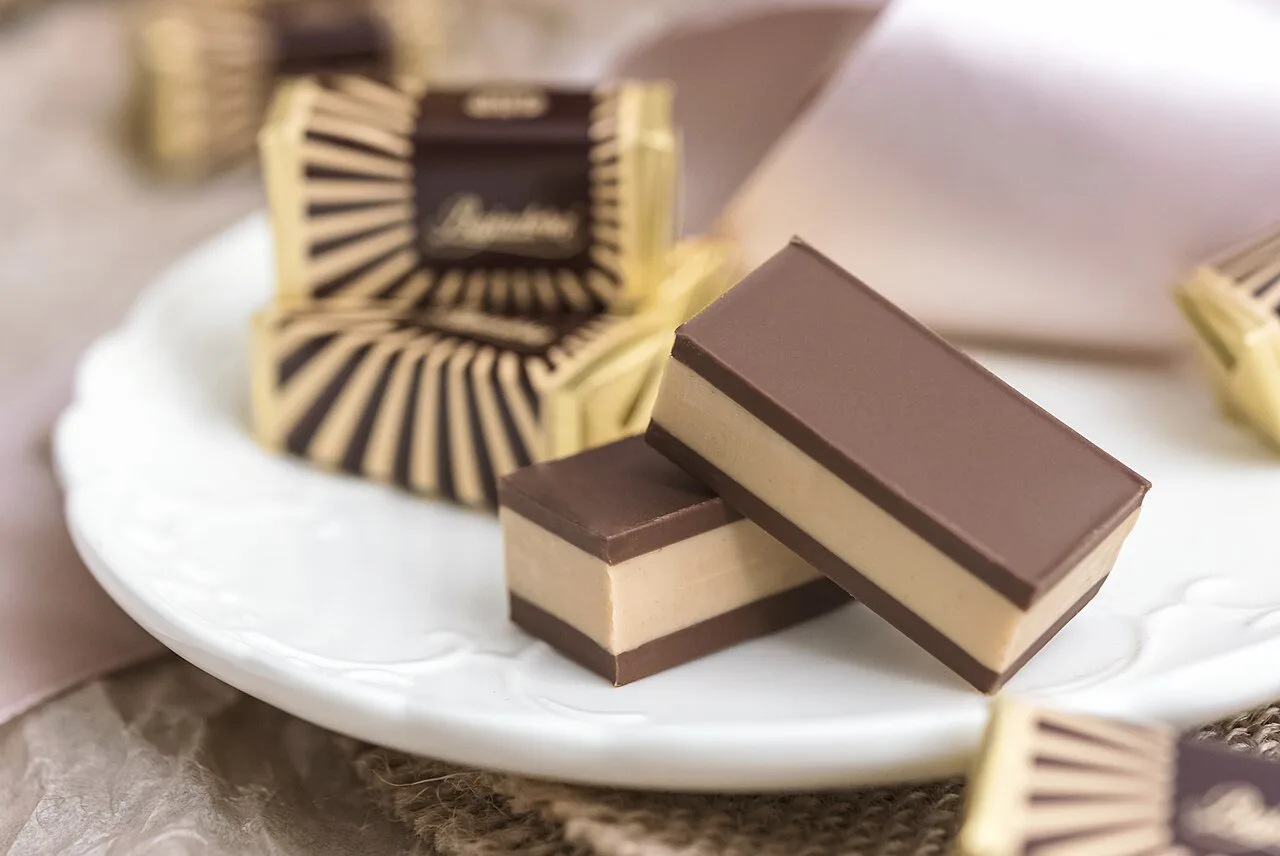
Bajadera is Croatia's best-known chocolate praline: a layered block of hazelnut and almond nougat with a darker cocoa layer, made by Kraš in Zagreb. It is sold as a small bar or a boxed set of fingers and eaten in thin slices with coffee rather than as a dessert.
This guide covers what the praline actually is, the two layers that give it its look, the manufacturer's own ingredient list, the box sizes on shelves, and how it compares with other Croatian sweets worth carrying home.
What Bajadera is
Bajadera is a praline, not a cake or a biscuit: a firm slab built from nut nougat and cut into neat fingers. Kraš describes it as chocolates made with nut and almond Viennese nougat, which is the useful phrase to hold on to when you see it sold loose or in a gift box.
The name is used loosely in Croatia for home-made no-bake slices of the same style, but a shop or souvenir stand labelling a product Bajadera normally means the Kraš praline. Look for the Kraš name and the printed wrapper rather than a hand-cut slice from a market stall.
The two layers and how they set
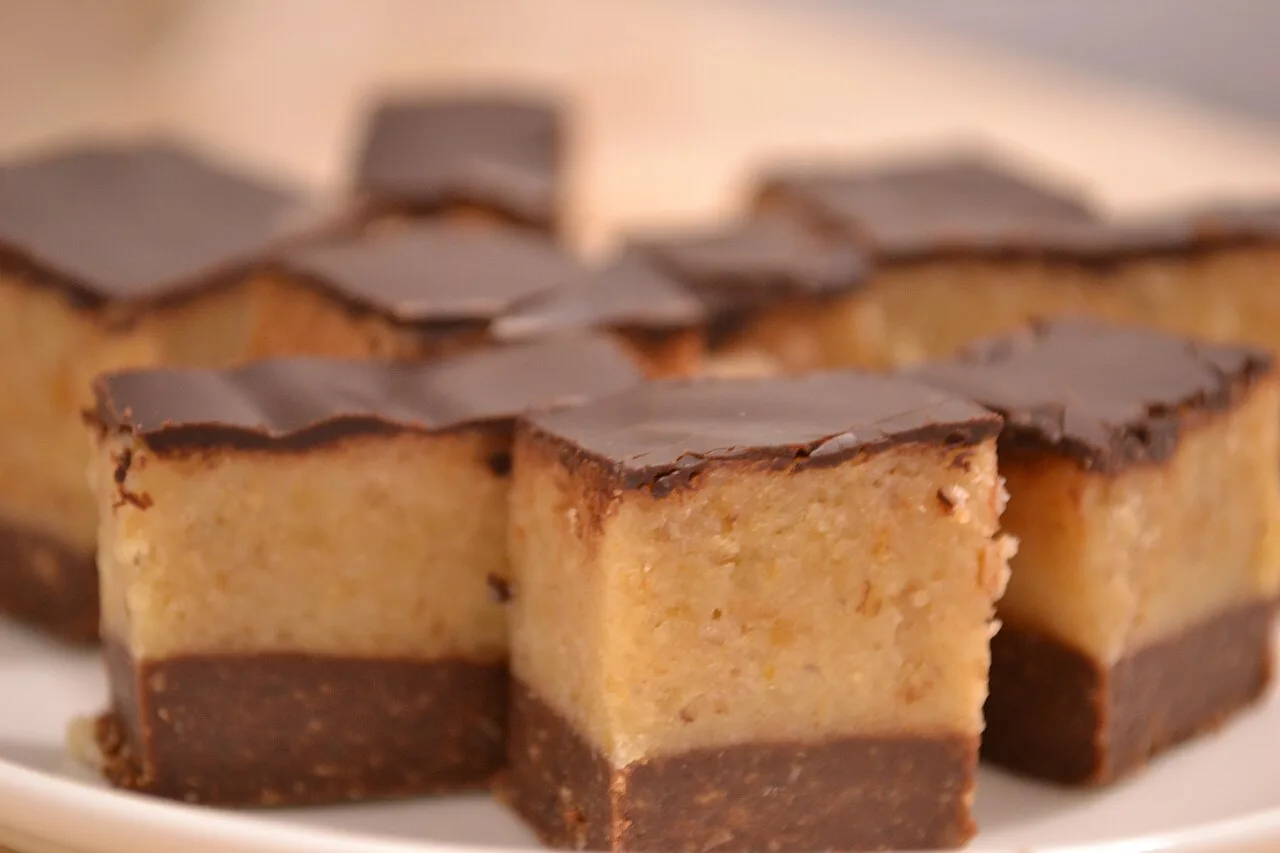
A Bajadera finger is a firm, nut-based praline: Kraš describes it as chocolates made with nut and almond Viennese nougat, and the solid block holds its shape when cut and travels well in a bag.
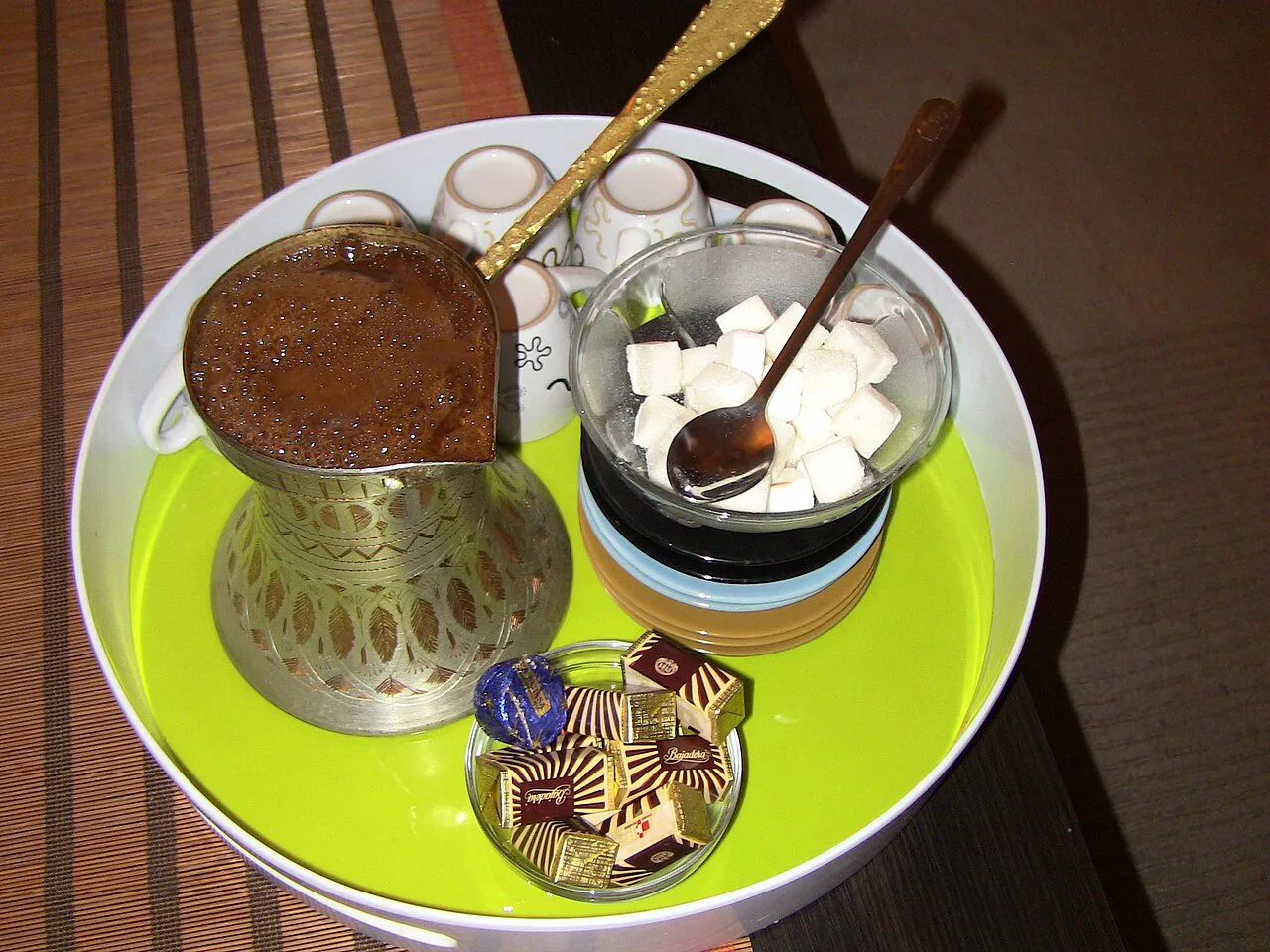
Serve it in thin slices rather than biting a whole finger: a narrow slice balances the sweetness against a small espresso.
What's in it
The manufacturer's ingredient list is short and nut-led: sugar, hazelnuts at 20%, cocoa butter, almonds at 7%, cocoa mass, soya lecithin as emulsifier and flavouring. There is no wheat flour and no cream in the list, which is what separates it from the cream-based cakes further down this page.
The same list carries an allergy warning that the product may contain milk, so anyone avoiding dairy should treat the plain dark look as no guarantee. Soya lecithin is declared, which matters for readers who screen labels for soya.
Kraš publishes nutrition figures per 100 g, which is the honest way to judge a sweet this dense. Read the figure on the pack you actually buy, because the English and Croatian product pages show slightly different values for fat, carbohydrate and protein per 100 g.
Bajadera against other Croatian sweets
Bajadera belongs with the small packaged sweets rather than the sit-down desserts. A kremšnita is a custard-slice cake eaten fresh from a pastry shop, and rožata is a baked custard turned out of its mould; both are fragile and best eaten the same day. Bajadera is the opposite: sealed, stackable and built for a suitcase.
Among Croatian snacks more broadly, it sits alongside savoury everyday items such as Vic crackers and Petit Keks, the plain biscuits that turn up with coffee in most households. If you are assembling a gift bag, a box of Bajadera is the sweet anchor.
Savoury Croatian store-cupboard staples are a different sort of souvenir, and the story behind Vegeta, the all-purpose seasoning sold in every supermarket, shows how deep the brand loyalty runs. A jar travels as easily as a chocolate box, though it weighs more.
Who makes it
Bajadera is a Kraš product, and Kraš is a Zagreb confectioner with a long history in the city. For a visitor, the practical point is provenance: this is a Croatian-made chocolate, not an imported praline repackaged for tourists.
If Croatian chocolate is your interest beyond this one praline, the wider Kraš chocolate story is worth a look.
Box sizes to look for
Bajadera is sold in a spread of pack sizes. The Kraš range includes a small 87 g bar and a Bajadera Diamond 150 g box, and larger 200 g, 300 g, 500 g and 900 g boxes for sharing or gifting.
For a souvenir, a mid-sized box is easier to carry than the very large one, which is heavy and takes up space in hand luggage. For an office gift, compare the unit price on the shelf label rather than the headline price.
Buying it in Croatia
Bajadera is mainstream, not a speciality-shop find: it appears in supermarkets and at Kraš's own Choco & Cafe shops, so look for the printed Kraš wrapper.
Croatian shops price in euros, and the shelf label is the only reliable figure.
Buying it abroad
Exported boxes carry the same Kraš branding but may be labelled in the destination language, so check the ingredient panel to see whether the wrapper matches the one at home. Look for hazelnuts and almonds at the stated percentages, cocoa butter and cocoa mass near the top, and the milk warning underneath.
Shops selling Balkan groceries in the UK and elsewhere often stock Bajadera next to other Kraš lines such as Griotte cherries. Compare the weight printed on the box with the price.
How to eat it
Cut a finger into three or four thin slices and serve them with a small strong coffee; the praline is sweet enough that a whole finger overwhelms the palate. It also works chopped into a dessert crumb or shaved over ice cream, where the nut flavour comes through without extra sugar.
Heat is the enemy: the cocoa butter softens quickly, so keep the box out of a hot car and out of direct sun on a beach day. In summer, a cool bag and a fridge at the apartment will keep the layers looking sharp until you get it home.
Bajadera as a souvenir
As a Croatian edible gift, Bajadera is one of the most practical choices because it is sealed, light and needs no refrigeration once it has cooled. Kremšnita and rožata are the better eating experiences but cannot travel; paprenjaci, the spiced honey biscuits, are the other sturdy option.
If you would rather cook Croatian food than carry it, a Croatian cookbook is the heavier but more lasting souvenir, and titles such as My Mother's Kitchen / Kuhinja moje majke cover the home-baking tradition that recipes like Bajadera come from.
Which box should you buy?
Buy the 150 g or 200 g box if you are carrying it home for yourself or one other person, and the 500 g or 900 g only when you actually need to share it. The small bar is the low-risk way to try the praline before committing to a gift-sized box.
Read the ingredient and milk-warning panel if allergies matter, and buy in a city supermarket or Kraš Choco & Cafe rather than relying on a small island shop late in the season. The unit price on the shelf label will tell you which size is the better buy.
Explore more Croatia guides
Sources
Notes on eating well in Croatia
Optional updates to our food guides.
You might also like



Continue reading
More guides you'll find useful





