
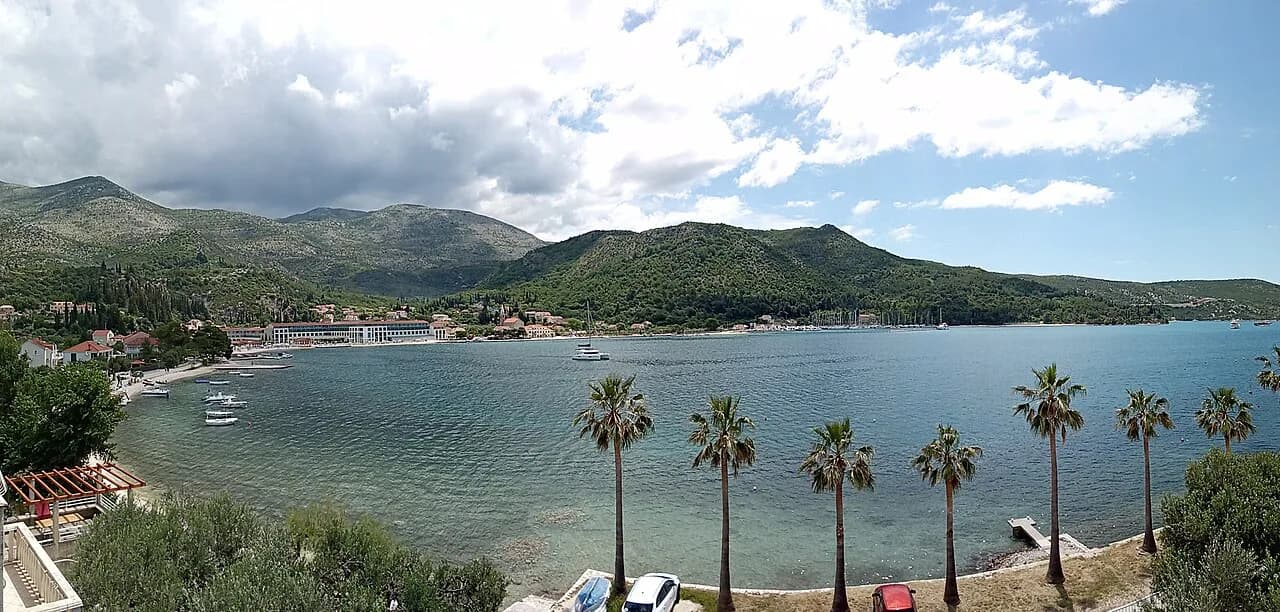
Dubrovnik Riviera Restaurants: Where to Eat Beyond the Old Town
Plan where to eat on the Dubrovnik Riviera, from the old town to Cavtat, Mlini and the Pelješac peninsula, with the dishes to order and how to choose.
On this page
Eat your way outwards from Dubrovnik and the smartest meals sit away from the old town. Old-town terraces sell the setting, while Gruž, Lapad, Cavtat, Mlini and the Pelješac peninsula give you more table for your money and a shorter menu of local dishes. This guide treats each of those as its own eating decision rather than one Riviera.
Start with what the coast does best: oysters and mussels around Ston, pršut (dry-cured ham) with cheese and olives, whole fish sold by weight, shellfish cooked buzara-style in a light tomato and garlic sauce, and a slice of rožata, the Dalmatian caramel custard. Then decide where those dishes make most sense for your day.
What the Dubrovnik Riviera Covers
The Riviera runs from the city itself out through Gruž harbour and the Lapad peninsula, then south-east along the coast to Cavtat and Mlini. Further up the Pelješac peninsula, Ston and its neighbour Mali Ston are the oyster capital, backed by saltpans that shaped the local economy for centuries. Treat each as a separate evening, not stops on one crawl.
Think in terms of meals rather than venues. A day in the old town suits one long lunch with a view; a Gruž or Lapad evening suits a neighbourhood konoba with a shorter, cheaper menu; Cavtat and Mlini reward a slow harbour-side dinner; and Ston is a lunch stop you build a peninsula drive around.
Dishes to Order First
Pršut (dry-cured ham) is the reliable opener across Dalmatia, sliced thin and shared with cheese and olives. The firm texture and deep savoury flavour come from long curing and drying, and it is the plate to order while you decide on fish.
What food is Dubrovnik known for? The coast's strongest dishes are oysters and mussels from around Ston, pršut served with cheese and olives, whole fish sold by weight, shellfish cooked buzara-style in a light tomato and garlic sauce, and rožata, the caramel custard.
Are there Michelin-listed restaurants on the Dubrovnik Riviera? Some restaurants in Croatia appear in the Michelin Guide, but this guide does not claim star or listing status for any venue. Check the Michelin Guide directly if award status matters to your booking.
Shellfish is the other anchor. Kvarner scampi are served raw and marinated in olive oil with lemon, stirred through risotto, or cooked à la buzara in a sauce that concentrates their sweetness. That coastal pattern holds down the Dalmatian coast too: a buzara of mussels or prawns, bread to mop the sauce, and a simple grilled fish to follow.
Finish with rožata, a baked custard turned out with caramel. It is light enough after a long seafood lunch and is the standard sweet across the region.
Old-Town Terraces Versus Neighbourhood Konobas
A table inside the walls buys you stone lanes, floodlit facades and people-watching, and you pay for all three. Portions tend to be smaller and menus broader to catch passing trade. Set that against Gruž and Lapad, where konobas serve a tighter list to people who eat there regularly, with a calmer room and a bill that leaves room for dessert. If you would rather weigh the old-town tables side by side before deciding, this Dubrovnik guide covers where to eat by area and budget.
The practical trade-off is lunch versus dinner. Book a view terrace for a long lunch when the setting carries the meal, then spend an evening in a neighbourhood konoba where the cooking does. Avoid ordering whole fish at a terrace where you are paying chiefly for the address.
Eating in Cavtat and Mlini
Cavtat is the easiest alternative base: a compact harbour lined with tables, a short drive or boat ride from the city. Its restaurants lean harbour-side seafood, so the sensible order is a shared pršut plate, a buzara of shellfish and a grilled fish. For specific picks, this guide to Cavtat restaurants sorts the harbour front from the back streets.
Mlini is quieter and smaller, with a handful of tables close to the water and a slower pace. That suits a lazy lunch rather than a destination dinner. Compare the options in this guide to Mlini restaurants, which weighs the harbour tables against the village setting.
Ston and Pelješac: Oysters, Mussels and Saltpans
Ston and Mali Ston are the reason to drive up the peninsula: shellfish beds in the sheltered bay, a walled town, and saltpans that have defined the local table for centuries. Order oysters raw, mussels buzara-style and a plate of local shellfish, and keep the rest of the meal simple.
For where to sit around the bay, this guide to Ston restaurants covers the oyster tables and the town itself. If you are staying further along the peninsula, this guide to Orebić restaurants covers the coastal tables on the Pelješac peninsula.
Ordering Fish Priced by the Kilo
Whole fish is usually sold by weight, so the price on the menu tells you only part of the story. Before you agree, ask for the weight and do the arithmetic for two: a large fish can easily carry the bill past what the rest of the meal costs. Ask for the fish to be shown and weighed at the table, then decide.
Two smaller fish often eat better than one large one and cost less. If the waiter proposes a fish for two, ask what it weighs and what that comes to in total, and compare it with a fillet or a shellfish dish. Fillets and buzara are priced per portion and keep the meal predictable.
Booking in High Season
July and August put pressure on every table with a view and on the well-known konobas in Cavtat and Ston. Reserve the dinners that matter as soon as your dates are fixed, and ask for a specific time rather than a vague window. Lunch is easier to secure and often better value than the same table at night.
For the rest, flexibility pays: eat early or late, take a table inside rather than on the terrace, or head to Gruž or Lapad where the pressure is lower. Walk-ins work best at lunch and in the shoulder months.
Seasonal Closures on the Coast
Much of the coastal restaurant trade runs with the summer season, so late autumn to spring can thin the choice in smaller places such as Mlini and out on the peninsula. Plan the shoulder months around the main towns, where year-round eating is more reliable, and treat the quieter villages as summer options.
Cash, Card and Tipping
Card acceptance is now the norm in the cities and larger coastal towns, but smaller konobas and oyster tables can still prefer cash. Carry some euro notes for those cases, and confirm the card machine before you settle in. Croatia uses the euro, so prices are quoted in euros.
Tipping is not automatic. Round up or leave around ten per cent for good service, more for a long, well-paced meal, and hand it to your waiter rather than leaving it on the table.
Which Meal Should You Book First?
Book one old-town lunch for the setting, and put the better-value dinners in Gruž, Lapad, Cavtat or Mlini. Build one day around Ston for oysters and mussels, and use the peninsula drive to justify the trip.
Before you commit to whole fish, ask for the weight and the total for two. That one question is the difference between a memorable seafood meal and a bill that overshadows it.
Explore more Croatia guides
Frequently Asked Questions
What food is Dubrovnik known for?
The coast's strongest dishes are oysters and mussels from around Ston, pršut served with cheese and olives, whole fish sold by weight, shellfish cooked buzara-style in a light tomato and garlic sauce, and rožata, the caramel custard.
Are there Michelin-listed restaurants on the Dubrovnik Riviera?
Some restaurants in Croatia appear in the Michelin Guide, but this guide does not claim star or listing status for any venue. Check the Michelin Guide directly if award status matters to your booking.
Sources
Notes on eating well in Croatia
Optional updates to our food guides.
You might also like



Continue reading
More guides you'll find useful




