
Restaurants in Croatia: What to Order and How Eating Out Works
Restaurants in Croatia explained for visitors: what a konoba is, the dishes to order, how fish is sold by the kilo, and what to expect from old-town terraces.
On this page
Eating out in Croatia comes down to reading the sign correctly: a konoba is a rustic tavern for grilled meat, stews and fish, a restaurant covers everything from pizza to fine dining, and a pekara is a bakery for a cheap breakfast on the move. This guide explains those words, the dishes to order first, how fish is sold by the kilo, and the honest trade-off between an old-town terrace and a konoba a few streets back.
Split carries most of the named recommendations here, because it packs konobas, pizzerias, sushi counters, bakeries and cafés into and around Diocletian's Palace and the Riva promenade. Coastal konobas elsewhere get a section of their own, with the rustic cooking they do best. Croatia uses the euro, and where a bill depends on weight or season this guide tells you what to ask before ordering.
What a restaurant, konoba and pizzeria mean on a Croatian menu
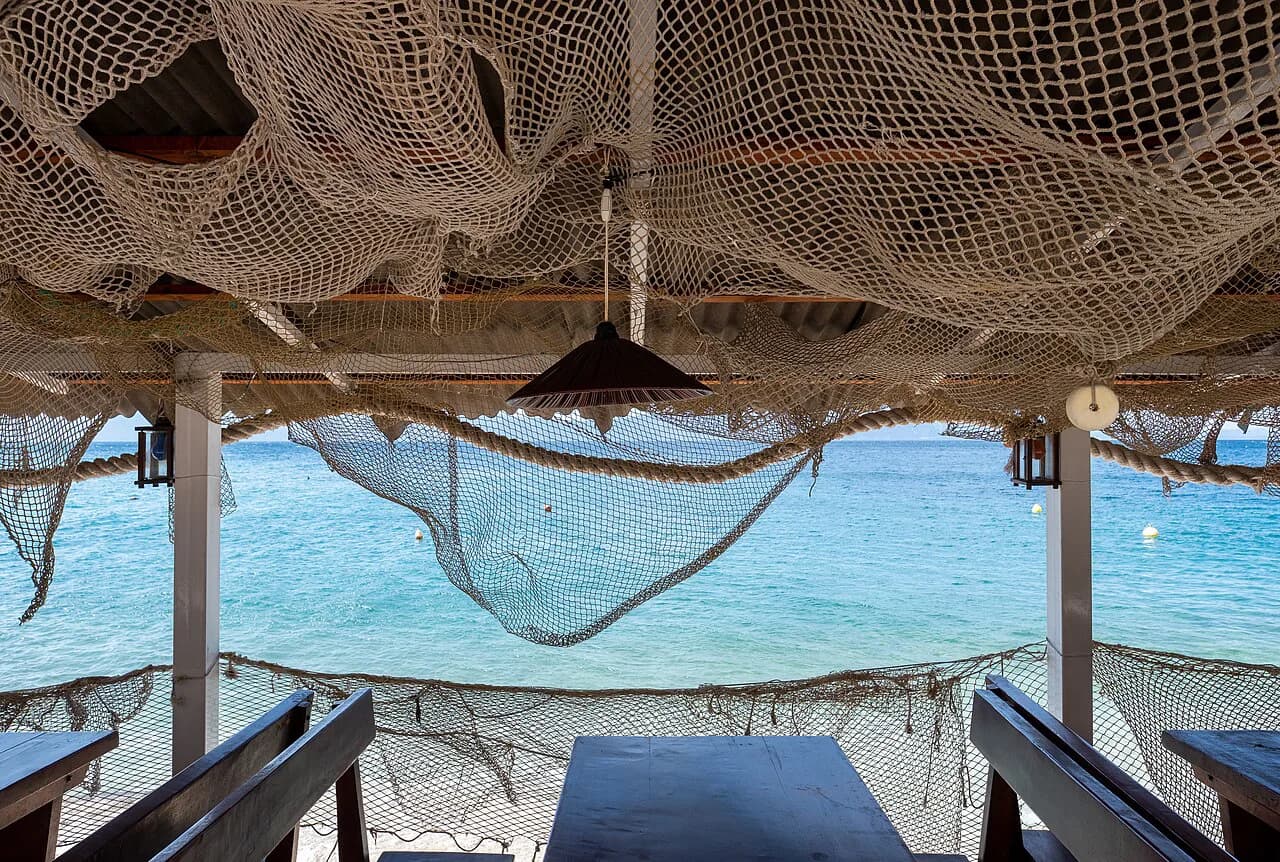
A konoba signals slow-cooked, local-style food — grilled meats, filling pasta, fresh fish, stews and roasted vegetables — and is usually family run, though it pays to check that a place lives up to the label before you commit an evening to it. A restaurant is the broader term and can mean anything from a smart seafood room to a simple grill. A pizzeria is exactly what it says, and in Split it is often the most affordable hot meal of the day.
A pekara is a bakery, and it runs on Croatian time: burek and pastries sell through the morning, so the earlier you arrive the better the choice. Treat burek as breakfast or a mid-morning stop rather than a sit-down meal. For self-catering, the same logic applies in Konzum and other supermarket chains, where cheese, pršut and bread make an easy picnic.
The dishes to order first: pršut and sir, burek from a pekara, sarma and paprika
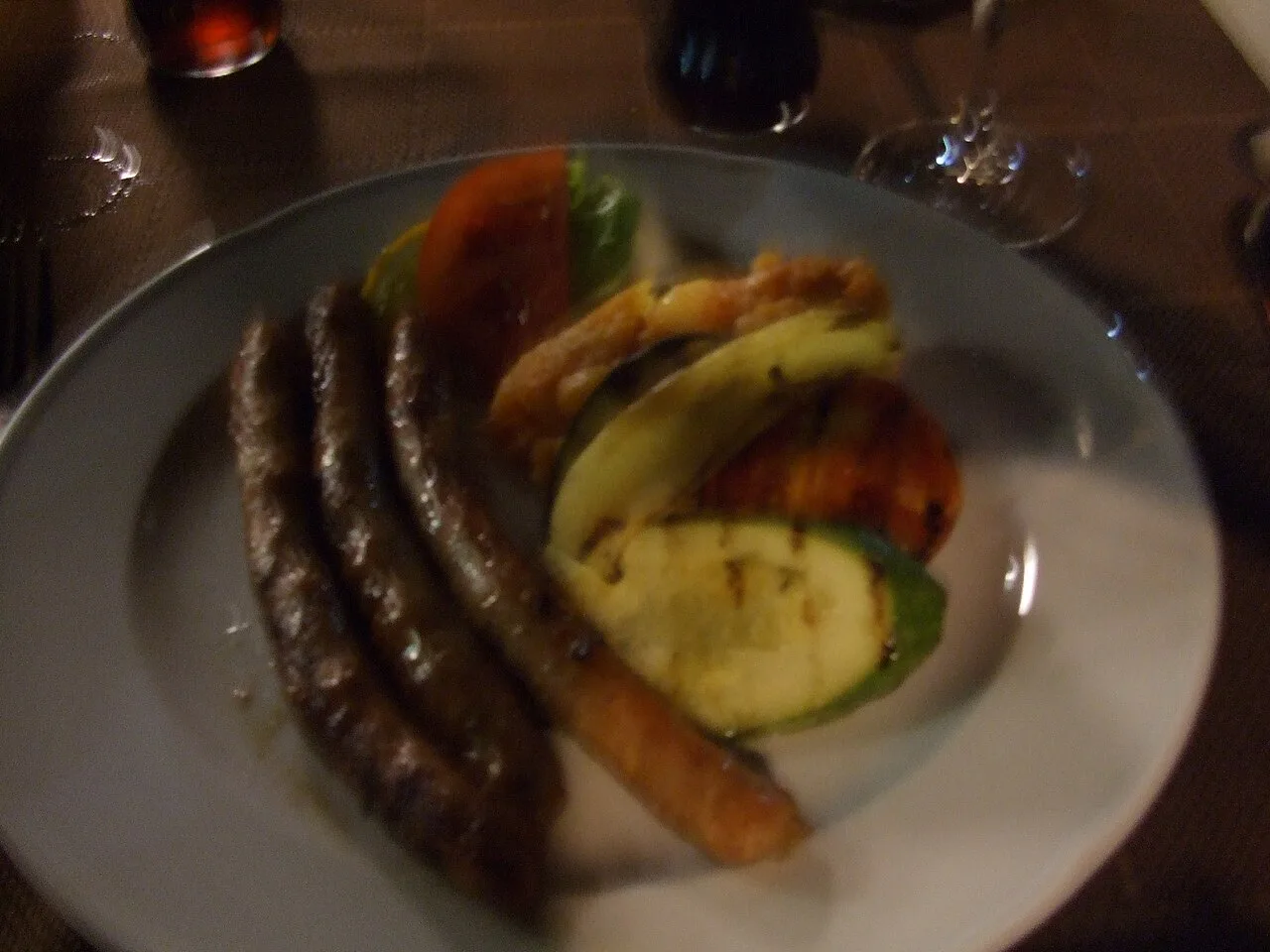
Start with a board of Dalmatian pršut (dry-cured ham) and sir (cheese), the standard opener in Dalmatian restaurants and a good way to judge a kitchen's sourcing. Burek is flaky filo pastry filled with meat, cheese, potato or spinach, sold by the piece in bakeries and eaten hot or cold. Neither dish is expensive, so they work well as a low-risk first order while you read the rest of the menu.
Do I need to book restaurants in Croatia in summer? For a well-known place in Split or a popular coastal konoba in July and August, booking a few days ahead is sensible, and outside high season a shortlist of alternatives matters more because some coastal places wind down.
Sarma is a cabbage leaf rolled around rice and minced beef, and paprika is a pepper case with a similar filling; both are warming, home-style cooking rather than restaurant showpieces. Order one of them when you want a single filling plate rather than a sequence of courses, especially in cooler months when the konoba menu turns to stews. Grilled fish and grilled meat remain the backbone of the coastal menu, and both usually arrive simply, with vegetables or potatoes on the side.
Meat and cheese boards turn up beyond the restaurant table too, and the sea-facing Dalmatian setting shapes what is on them, so a board of pršut and sir is a fair introduction to the region's produce before you commit to a full dinner.
How fish is priced by the kilo and what that means for your bill
Along the coast, whole fish is normally sold by weight, so the figure on the menu is a rate per kilo and the final charge depends on the fish you actually get. Before you agree, ask to see the fish and its weight, and do the arithmetic yourself: a large fish for two can cost more than a meat main for the whole table, and a smaller fish with a side dish is often the better-value order. This is the single most useful question to ask when you sit down.
If you would rather not gamble on weight, order a fish dish that is priced as a portion, or choose grilled meat or a pasta, where the menu price is the bill. In a konoba the cooking is often plain — olive oil, garlic, lemon, grill — so you are paying for freshness rather than technique, and it is worth asking what came in that day. A small glass of wine with fish is the normal pairing.
Coffee culture and the café stop between meals
Cafés in Croatia stay open through the day and serve coffee, soft drinks and beer at any hour, so the mid-morning espresso or the afternoon sit-down is a normal part of eating out rather than an indulgence. In Split the Riva promenade is lined with cafés; drinks there tend to cost a little more than at places deeper inside the old town, and you are paying for the sea-facing table.
For coffee with a view, Café & Restaurant Lvxor is the pick, while Cafe Kala is the calmer, more relaxed option. Walk the square first and pick a table whose position you actually like, since the coffee itself is rarely the reason to choose one café over another. Bobis is the bakery name to remember in Split when you want something to take away instead of a table.
Old-town terraces versus konobas a few streets back: the trade-off in crowds, views and cooking
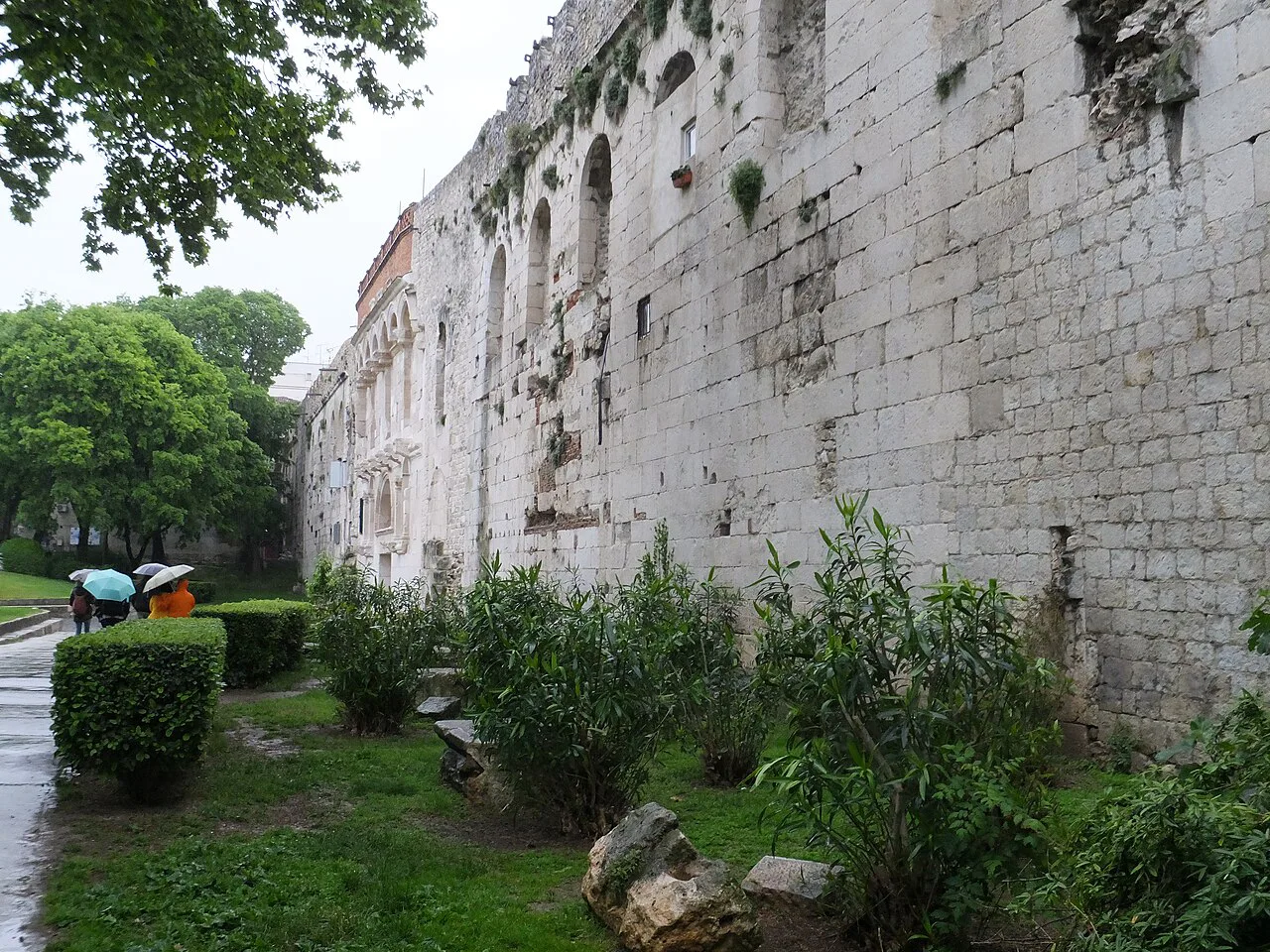
An old-town terrace buys you position, shade and people-watching, and in Split that means eating within or beside the walls of Diocletian's Palace; the price of that is busier tables, a menu pitched at visitors and less adventurous cooking. A konoba a few streets back trades the view for quieter rooms and food closer to what locals eat. Neither is wrong, but decide which you are paying for before you sit down. For named addresses on both sides of that line, see our pick of the best restaurants in Split.
A workable rule for a short trip is one terrace meal for the atmosphere and the rest of the evenings a few streets inland, where the same dishes usually come with more care. If a menu reads as an international list with photographs, expect to pay for the location. If it is short and changes with the season, that is usually the better sign.
Split: what to eat in and around Diocletian's Palace, from sushi and oysters to affordable pizza and brunch
Pizzeria Kaleta is the affordable-meal pick and worth returning to on a longer stay. The same list recommends BOKUN Bar and Kitchen for an easy brunch, which suits a late start before a ferry, and Bistro Topolino as the practical choice at the ferry port, where a proper sit-down meal beats a rushed snack before departure.
Within the walls of Diocletian's Palace, Adriatic Sushi & Oyster Bar blends Mediterranean and Japanese cooking, pairing oysters with sushi. Mazzgoon is the pick along the old-town walls for a sit-down meal with some atmosphere, and Apetit handles fine dining, the choice for a special evening rather than a quick lunch.
Group these by job rather than by street: Kaleta for a cheap hot meal, BOKUN for brunch, Topolino before a ferry, the oyster bar for a seafood lunch and Apetit or Mazzgoon for the evening you want to remember. That way you are not crossing the old town twice in a day.
Konobas on the coast: how to read the menu and order well
Beyond Split, the same konoba pattern holds around the coast and islands: grilled fish and meat, simple sides and a short menu. Such places reward travellers who are staying nearby or sailing between islands rather than anyone building a day around a single meal.
Expect the best of this cooking to come from the grill and the pot rather than from a long written menu, and judge the place on what is available that day. Order one fish dish and one meat or vegetable dish to share, and ask what is local before you commit. Proximity to the water matters more than décor.
Booking and timing in high season
In July and August the well-known places in Split and the popular coastal konobas fill up, so book the evening you care about most a few days ahead and keep the rest of the week flexible. Eat lunch late and dinner early or late to avoid the peak sitting. If a restaurant takes bookings only by phone, call in the morning rather than turning up at eight and hoping.
Outside high season the calculation flips: many coastal places wind down or close, so a shortlist of two or three options per evening is safer than one fixed plan. In the cities, especially Split and Zagreb, the choice holds up better through the year. A konoba with a small dining room is the one to book; a pizzeria rarely needs it.
Cash and card, and paying at the table
Croatia uses the euro, and card payment is widely accepted in cities and at larger coastal restaurants, but smaller konobas and bakeries can still be cash-first, so carry some notes for the places where the card machine is out of reach. Croatian bills are paid at the table rather than at a till by the door; ask for the bill when you are ready and check it before paying.
Service is normally included, and rounding up is a courtesy rather than an obligation, as covered in this guide to tipping in Croatia; keep the small change for a coffee or a bakery stop the next morning.
Dishes and terms to know before you sit down
The vocabulary is short: pršut and sir for a ham-and-cheese board, burek from a pekara, sarma for the cabbage roll, paprika for the stuffed pepper, and riba for fish. If the menu says something is sold by the kilo, that is the fish price mechanism, not a portion size. Learn those five words and most of a Croatian menu becomes clear.
Menus on the coast also carry pasta and pizza alongside the local dishes, and the split between Mediterranean and international cooking is wider in the bigger cities than in small coastal villages. If you want to eat the local repertoire rather than the tourist one, the konoba is the place to choose.
Which kind of Croatian meal should you book first?
Book one evening in a konoba a few streets from the main square, order pršut and sir to start, share a kilo-priced fish only after you have seen the weight, and keep a bakery breakfast for the morning you leave. That combination gives you the cooking Croatia does well without paying for a view you did not come for.
Leave the old-town terrace for the meal when the setting is the point, and use the rest of your budget on the quieter rooms where the grill and the pot do the work.
Explore more Croatia guides
Frequently Asked Questions
Do I need to book restaurants in Croatia in summer?
For a well-known place in Split or a popular coastal konoba in July and August, booking a few days ahead is sensible, and outside high season a shortlist of alternatives matters more because some coastal places wind down.
Sources
Notes on eating well in Croatia
Optional updates to our food guides.
You might also like



Continue reading
More guides you'll find useful





