
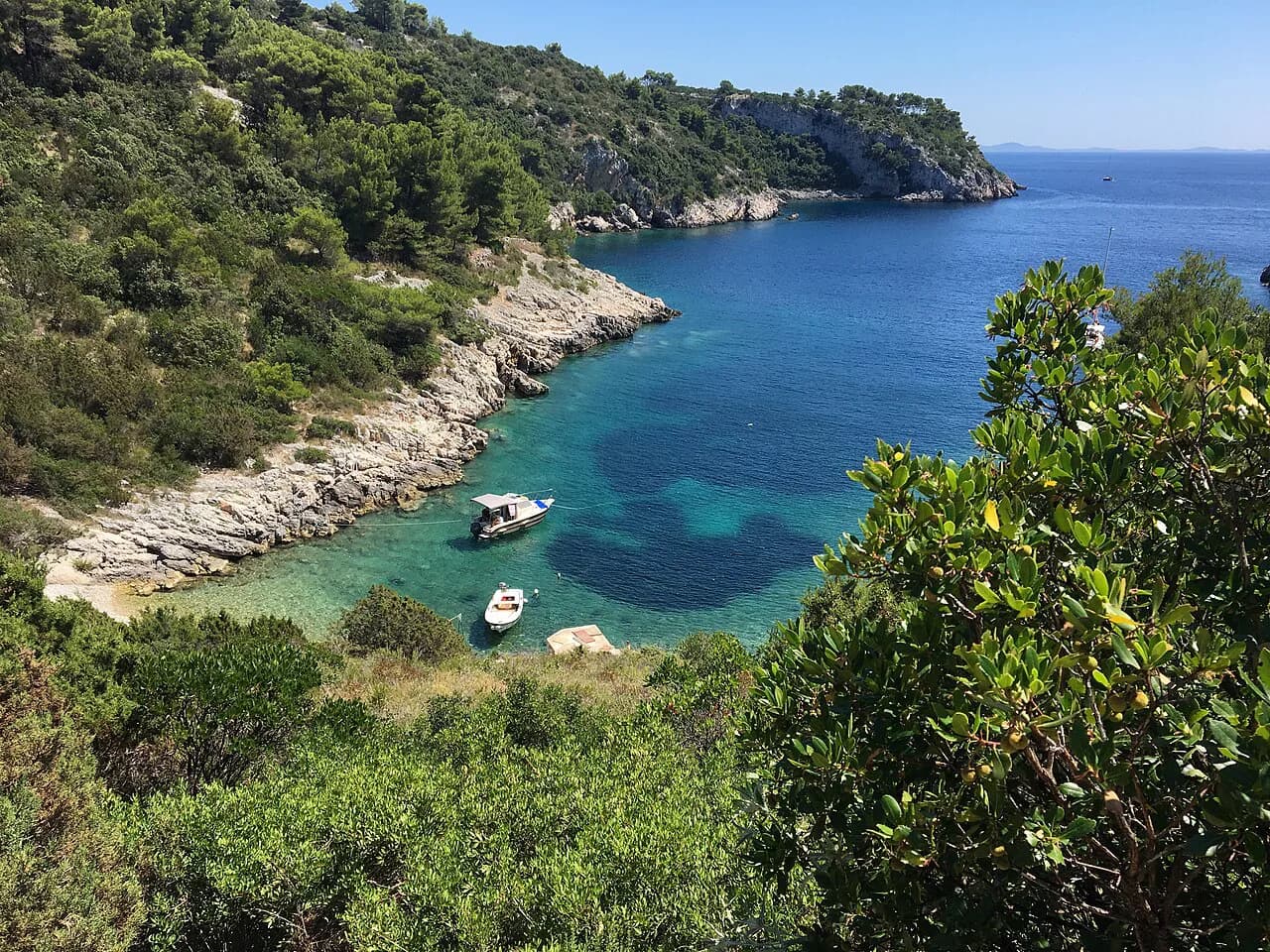
Dalmatian Islands Restaurants: Where to Eat Island by Island
Plan where to eat on the Dalmatian islands: the dishes to order, how konoba menus work, fish sold by the kilo, and where summer tables need booking.
On this page
The best meals on the Dalmatian islands are simple: grilled fish, a pot of brudet, a plate of octopus salad and good olive oil, eaten in a konoba that keeps its menu short. The islands reward travellers who order from the daily board and ask the price of fish by the kilo before it is cooked. This guide covers the dishes that define island tables, how a konoba meal works, and what to expect on each island from Hvar and Vis to Brač, Korčula, Mljet and the Elafiti group near Dubrovnik.
Dalmatian food is shaped by the Adriatic on one side and a rocky hinterland on the other, with centuries of Venetian rule leaving their mark on technique and vocabulary. Daily menus on the coast typically sit around EUR 10–15, while à la carte dining runs from roughly EUR 25 to EUR 60 and above, which makes the daily board the value option.
What Dalmatian island cooking is
Island cooking follows the same logic as the mainland coast: very good ingredients handled lightly, with olive oil on almost everything and fish bought close to the water. The inland side of each island adds the counterweight of lamb, smoked meats and hard cheese, so a single island can serve two different tables depending on which way you drive.
The coastal kitchen leans Mediterranean — grilled sea bass, octopus salad, black squid-ink risotto and mussels cooked in buzara. Inland, lamb and goat dominate and smoke is used heavily for preservation. If you want the fish side of the island, eat near the harbour; if you want the pastoral side, head uphill.
Olive oil is serious business on the islands. Brač produces oil from the Oblica cultivar, fruity and slightly peppery, and Hvar and the Kaštela valley also have notable groves. Buy a bottle from a market or producer rather than a tourist shop, where the same quality carries a premium.
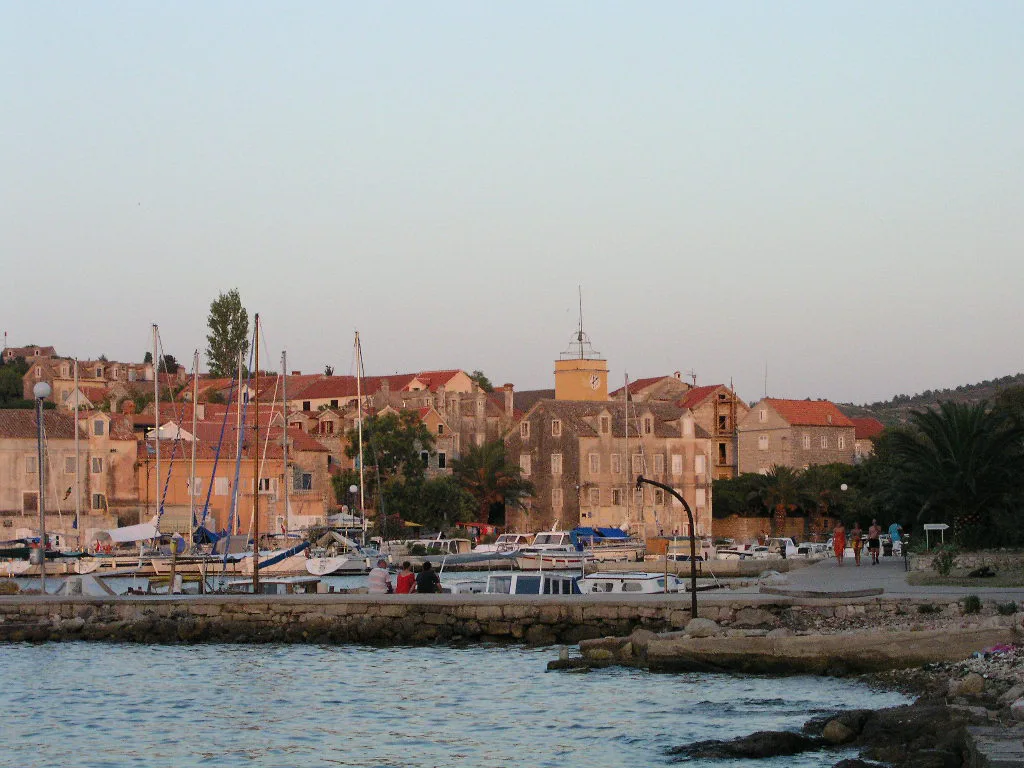
The dishes to order on the islands
Pašticada is the dish that defines home cooking in Dalmatia: beef studded with garlic and lard, marinated overnight in red wine vinegar, then braised for hours in a sauce of wine, prune jam, dried figs, tomato and onion. It arrives with njoki, denser potato dumplings than the Italian sort, and is the kind of dish a konoba serves when it wants to show what it can do.
What is Dalmatian cuisine in Croatia? Dalmatian cooking combines Adriatic fish and shellfish, olive oil, blitva and simple grilling on the coast with lamb, smoked meats and hard cheese inland. Venetian rule left its mark on technique and on dish names such as brudet from brodetto.
Is Croatia expensive to eat out? It depends on where and how you order. The daily menu is the value option on the islands, while à la carte dining with fish sold by the kilo pushes the bill up, especially on Hvar's harbour front and near Dubrovnik.
Do I need to book restaurants on the Dalmatian islands in summer? Reservations are wise for Hvar, Korčula's old town, Bol on Brač and the Elafiti islands closest to Dubrovnik in July and August. On the quieter islands a morning phone call still helps, especially for larger groups.
Brudet is the fisherman's stew, built on whatever came off the boat that day, while gregada is a gentler fish stew associated with Hvar, cooked slowly with more liquid and less tomato. Crni rižot, the black squid-ink risotto, and salata od hobotnice, octopus salad with onion and capers, are the other two dishes to look for. Blitva, Swiss chard cooked with potato and olive oil, is the side that comes with most fish.
Anchovies appear in many forms: fresh and grilled in summer, salt-packed in jars year-round, or fried whole as a cheap snack. On Vis, a plate of fresh fried anchovies is one of the most satisfying things you can eat in Dalmatia.
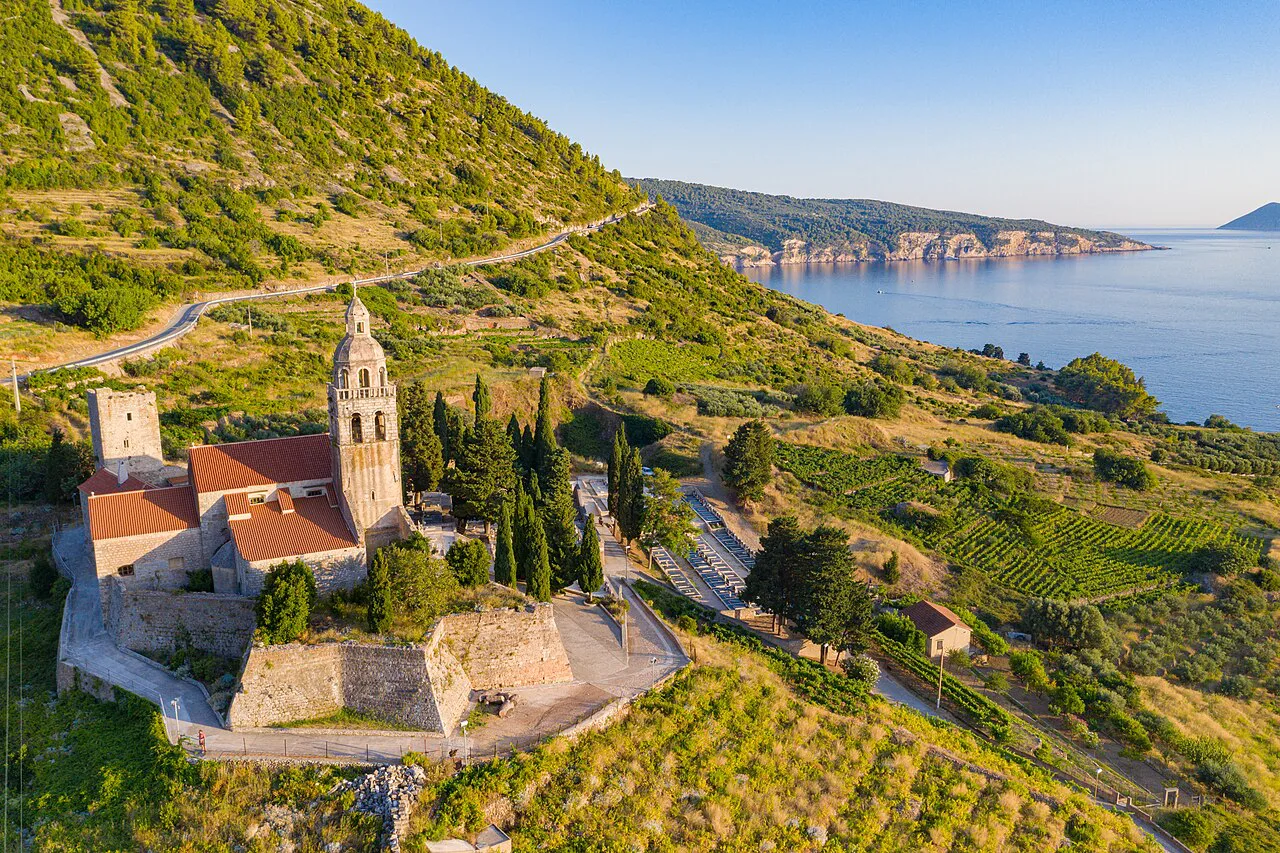
How a konoba meal works
Most island konobas run a daily menu, the dnevna ponuda, alongside the à la carte list. The daily board is usually the better value and the better food, because it is what the kitchen cooked that morning from what the market and the boats delivered. Ask what is on it before you open the main menu.
Fish is often sold by the kilo rather than as a fixed plate, and the price depends on the species and the day. Ask the weight and the per-kilo rate before the fish goes on the grill; that single question is the difference between a fair bill and a surprise. The morning fish market, the ribarnica, is where the kitchen's choices start, and it runs early and finishes when the catch is gone.
Blitva with potato usually arrives with the fish rather than as a separate order, alongside a bowl of olives, bread and oil. The bread basket and the olive plate are not always free extras, so check the menu if you are watching the total.
Hvar: gregada and village tables away from the harbour
Hvar town's harbour front is the most expensive and most crowded place to eat on the island, and its tables are the ones most likely to be booked out in summer. Walk a street or two back from the water, or head out to a village konoba, where the menu is shorter and gregada, the gentler fish stew, is the thing to order. For the full picture by area and occasion, this guide to the best restaurants in Hvar picks up where the harbour ends.
Stari Grad, on the quieter side of the island, has its own cluster of restaurants and a slower pace than the town of Hvar.
Vis: anchovies, fishermen's cooking and the quietest tables
Vis kept its fishing economy longer than most Dalmatian islands, and the cooking reflects it: anchovies, fish stews and simple grilled catch rather than polished plates. The island's distance from the mainland also keeps day-tripper traffic lower than on Hvar.
Inland Vis, around Plisko polje, the tables shift towards lamb and slow-cooked meat, which balances the fish-heavy harbour menus. If you are planning a route around the island, see where to eat in Vis.
Brač: olive oil and inland lamb
Brač pairs the beachside tables of Bol with an inland kitchen built on lamb and olive oil. The Oblica groves produce the oil you will meet on every table, and the inland villages are where the meat cooking happens. Bol itself has the densest concentration of restaurants on the island, and the harbour tables fill early in July and August.
Korčula and Mljet: island tables between sea and vineyards
Korčula's old town is a tight grid of stone lanes with tables pressed against the walls, and the cooking draws on both fish and the island's inland produce. The surrounding streets hold a spread of konobas and smaller kitchens, and the island's villages, such as Lumbarda, add their own tables.
Mljet is the quietest of the southern islands, with far fewer restaurants than Korčula and a menu shaped by what the small kitchens can source. Expect fish, simple pasta and local cheese rather than long wine lists, and plan around a single good lunch rather than a choice of venues.
The Elafiti islands near Dubrovnik
Šipan, Lopud and Koločep sit close to Dubrovnik and draw day visitors from the city, which shapes both the menus and the prices. Bowa Restaurant, a family-run place on a secluded bay on Šipan, cooks seafood from family recipes.
On Lopud and Koločep the choice narrows to a handful of waterfront kitchens serving grilled fish and pasta. Because the islands are reached by boat, lunch is the meal that fits best, and it is worth checking the return crossing before you sit down.
Booking in high season: the islands where you need a table
Reservations matter most in Hvar, Dubrovnik Old Town and Split's Varoš district in summer, and the busiest harbours on Brač and Korčula fill in July and August. On a small island the best konobas may have only a dozen tables, so a summer booking protects the evening.
On quieter islands a phone call the morning of your visit costs nothing and protects the evening. Groups of six or more should always call ahead, since small kitchens cannot absorb a large table without notice.
Cheese, pršut and sweets to look for
Paški sir from the island of Pag carries EU PDO status, made from the milk of sheep grazing coastal scrub seasoned by sea spray and aged from three months to over a year. It appears on island cheese plates and in serious cheese shops, and the older wheels are hard, crystalline and intensely flavoured.
Dalmatian pršut is air-dried ham matured in sea air, leaner and saltier than the Istrian version, and it turns up on starter platters across the islands alongside smoked meats from the hinterland. For sweets, look for rožata, a soft set custard, and honey from the islands and the coast.
Prices on the islands compared with Split and Dubrovnik
Expect to pay the most on Hvar's harbour front, in Dubrovnik and on the Elafiti islands closest to it, where day-tripper traffic supports higher prices. Inland and on the quieter islands the daily menu is the surest way to keep a meal affordable.
Eating on the islands outside summer
From late autumn to spring, many coastal and island restaurants close, and the ones that stay open run shorter menus with less fish on offer. Ferries and flights also thin out, so a restaurant that is open may still have limited days. Winter is the season for lamb, cheese and preserved foods rather than grilled fish.
Which island table suits your trip
For the widest choice and a good gregada, head to Hvar and eat away from the harbour. For fishermen's cooking, choose Vis; for olive oil and inland lamb, Brač; for old-town atmosphere, Korčula; and for a quiet lunch within reach of Dubrovnik, the Elafiti islands.
Whichever island you pick, order from the daily board, ask the per-kilo price of fish before it is grilled and book ahead in July and August on the busiest harbours. Those three habits will do more for your meal than any list of restaurant names.
Explore more Croatia guides
Frequently Asked Questions
What is Dalmatian cuisine in Croatia?
Dalmatian cooking combines Adriatic fish and shellfish, olive oil, blitva and simple grilling on the coast with lamb, smoked meats and hard cheese inland. Venetian rule left its mark on technique and on dish names such as brudet from brodetto.
Is Croatia expensive to eat out?
It depends on where and how you order. The daily menu is the value option on the islands, while à la carte dining with fish sold by the kilo pushes the bill up, especially on Hvar's harbour front and near Dubrovnik.
Do I need to book restaurants on the Dalmatian islands in summer?
Reservations are wise for Hvar, Korčula's old town, Bol on Brač and the Elafiti islands closest to Dubrovnik in July and August. On the quieter islands a morning phone call still helps, especially for larger groups.
Sources
Notes on eating well in Croatia
Optional updates to our food guides.
You might also like



Continue reading
More guides you'll find useful





