Peka on Hvar: Where to Order It and How It Works
Peka is Croatian meat or octopus slow-cooked under a bell-shaped lid. Here is what the dish involves and which konobas on Hvar serve it, with pre-ordering advice.
On this page
Peka on Hvar is not something you order on the night. It is a slow-cooked dish that usually needs a day or two of notice, so the first decision of your evening is made at the booking stage. Once you have a peka secured, the rest is straightforward: turn up hungry, plan a simple starter, and allow the drive back from a village konoba to take longer than you think.
This guide explains what peka is, why the timings matter, and which konobas around Humac, Velo Grablje, Malo Grablje, Pitve and Zavala make it. It is written for people who want an honest sense of the island's food rather than a harbour-front table chosen on impulse.
What peka is
Peka is a cooking method, not a recipe: meat or octopus is placed in a dish, covered with a bell-shaped metal lid, and buried in hot coals for several hours. The result is meat that falls from the bone, octopus that stays tender rather than rubbery, and potatoes that take on the fat and juices underneath. Dalmatian konobas often cook veal, lamb or octopus this way, and the method gives a faintly smoky flavour that you will not get from a grill.
For an overview of the dishes you will meet alongside it, from pršut to rožata, see the guide to Hvar food before you start making bookings.
Why you must order peka in advance
The lid and the coals mean peka takes hours rather than minutes, so kitchen teams prepare a fixed number of portions each day and stop taking orders once those are gone. Two of the island's most reliable peka kitchens make the point explicitly: at Konoba Humac it is available only by reservation, ideally one to two days ahead and longer in summer because the address is popular. At Konoba Zavala peka should be ordered with the booking, not on arrival.
When you book, say plainly that you want peka and for how many people, and specify whether you want meat or octopus. For context, in Split the konobas that prepare veal and octopus under the peka ask for about three hours' advance notice, which tells you how far ahead a Hvar kitchen is working. Confirm the time you will sit down, because the dish is timed from your arrival rather than from your call.
Konoba Humac: peka among the vines
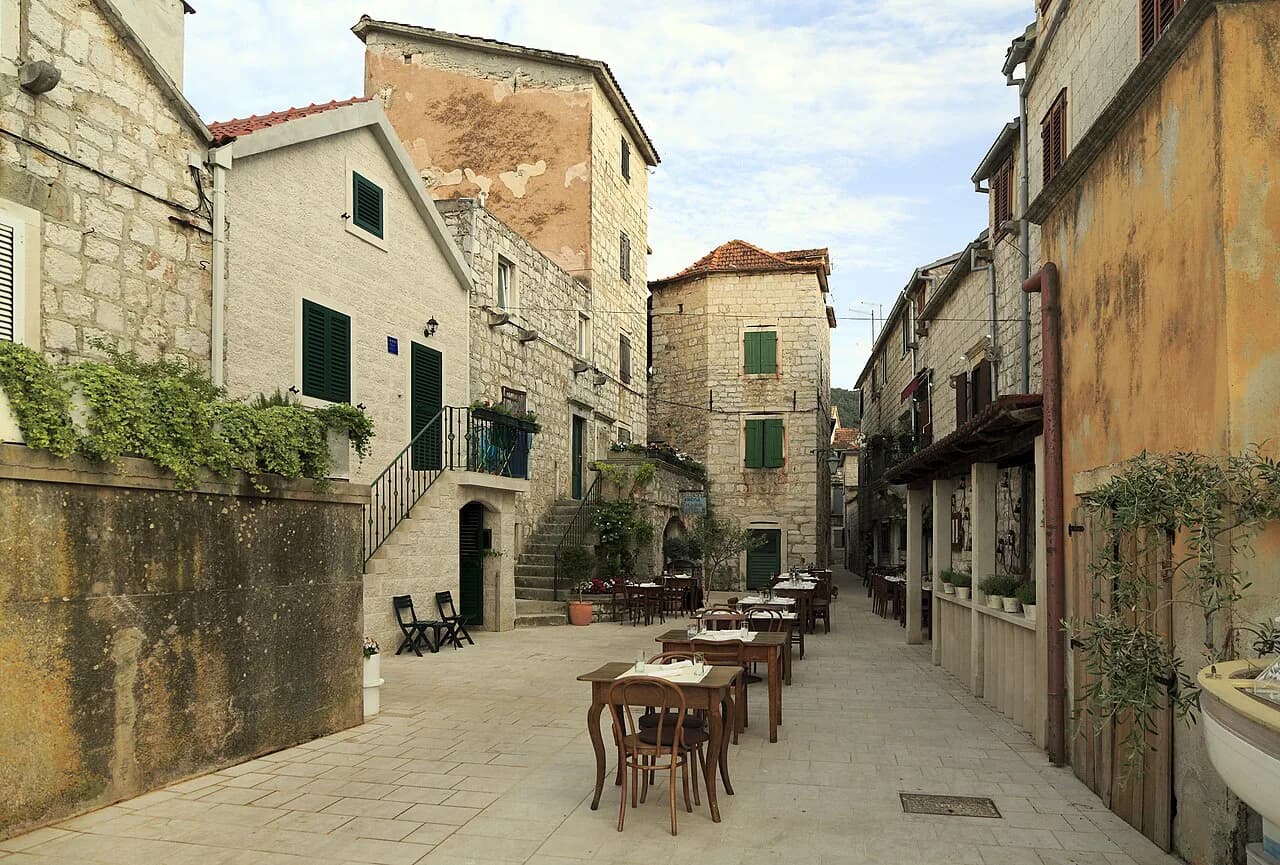
Konoba Humac sits in the hamlet of the same name in the island's interior, surrounded by vines whose wine is served and kept in barrels on site. The animals for the peka and other dishes are raised there, so you are eating within a short distance of where the ingredients were produced. The setting is the point as much as the food: an evening here is quiet and rural, well away from the harbour in Hvar Town.
Book peka when you reserve, one to two days ahead, and allow extra time in summer when demand is highest. Because you are inland, arriving by car is the practical option and the last stretch of road is narrow.
Konoba Dvor Duboković at Pitve
Konoba Dvor Duboković in the hamlet of Pitve, near Jelsa, offers peka of meat or octopus and serves it either indoors in the old family kitchen or in a garden that fills with flowers in summer. The cooking style is traditional Dalmatian and the welcome is convivial, with a shared tapas-style aperitif to occupy the table while the peka is finished. It is a good compromise if you want a village setting without giving up comfort.
Pitve sits above Jelsa on the road toward the island's centre, so this is a sensible address if you are staying on the northern side of Hvar. Mention peka when you book and confirm whether you want the indoor kitchen or the garden.
Konoba Zavala: octopus and meat under the lid
Konoba Zavala, on the south side of the island, cooks both octopus and meat under the peka, and its terrace looks out over Zavala and toward the island of Šćedro. The konoba sits slightly above the water rather than on the shoreline, which makes the terrace calmer in the early evening and gives a broader view. The menu also covers grilled fish, squid, seafood risotto and lamb, which helps if not everyone at the table wants peka.
Reserve in July and August especially for dinner, order the peka in the same call, and ask for a table at the terrace edge if the view matters to you. A free car park next to the restaurant is a genuine advantage in high season, though the village roads are narrow and the last section deserves a slow approach.
Konoba Zbondini at Velo Grablje
Konoba Zbondini stands in Velo Grablje, the inland village at the heart of the island's lavender country, and its stand-out dish is a lavender cheesecake made by the Tudor family. The village is small enough that the konoba is effectively its centre, and the drive there takes you through the lavender landscapes that give this part of Hvar its character. It is worth pairing a meal here with a wider look at the island's konoba scene before you choose where to book.
The konoba does not accept cards, so bring enough cash for the meal. If peka is what you are after, say so when you telephone rather than assuming it is available on the night.
Konoba Stori Komin and Konoba Eremitaz
Konoba Stori Komin in Malo Grablje is set in a garden a few kilometres from Jelsa. Konoba Eremitaz in Stari Grad covers the essentials of Dalmatian cooking with fresh produce, and makes a better fit for a meal tied to the town rather than a country drive. Neither is named in the sources as a peka specialist, so telephone ahead if peka is what you want.
Stari Grad is the island's other main town and a practical base for the northern villages, so a table there keeps your evening short.
Village konoba or harbour-front table in Hvar Town
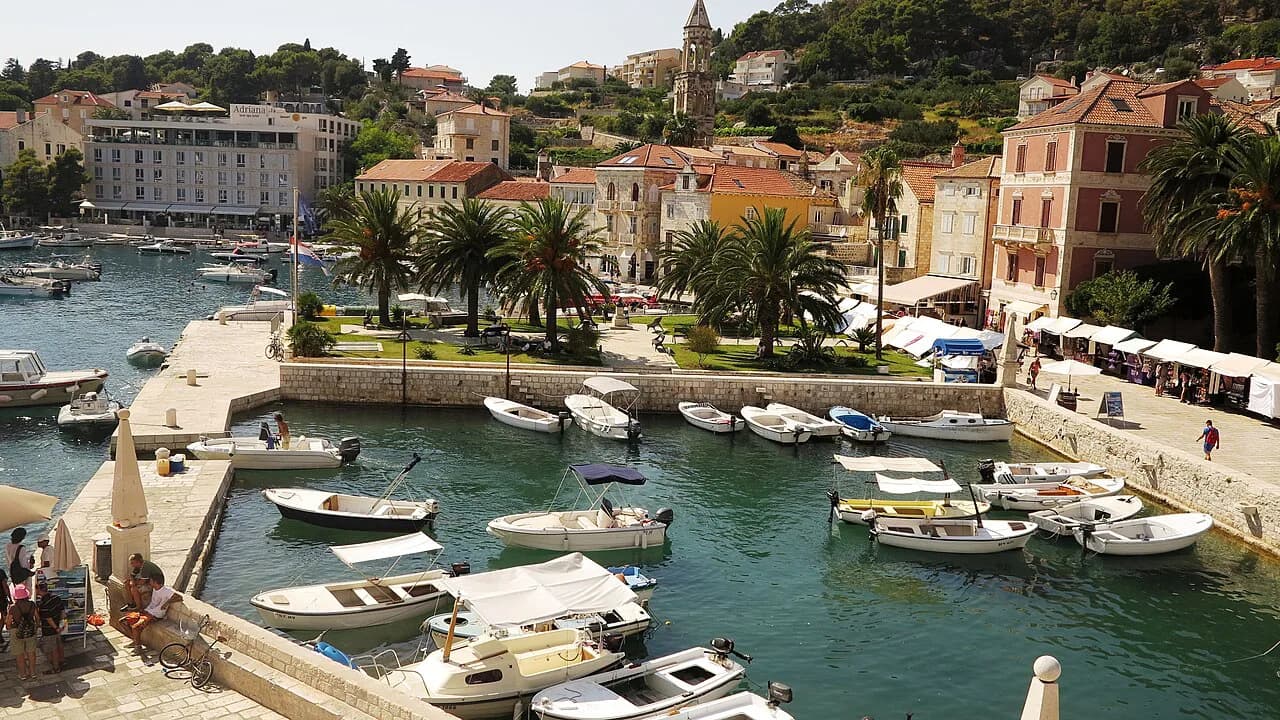
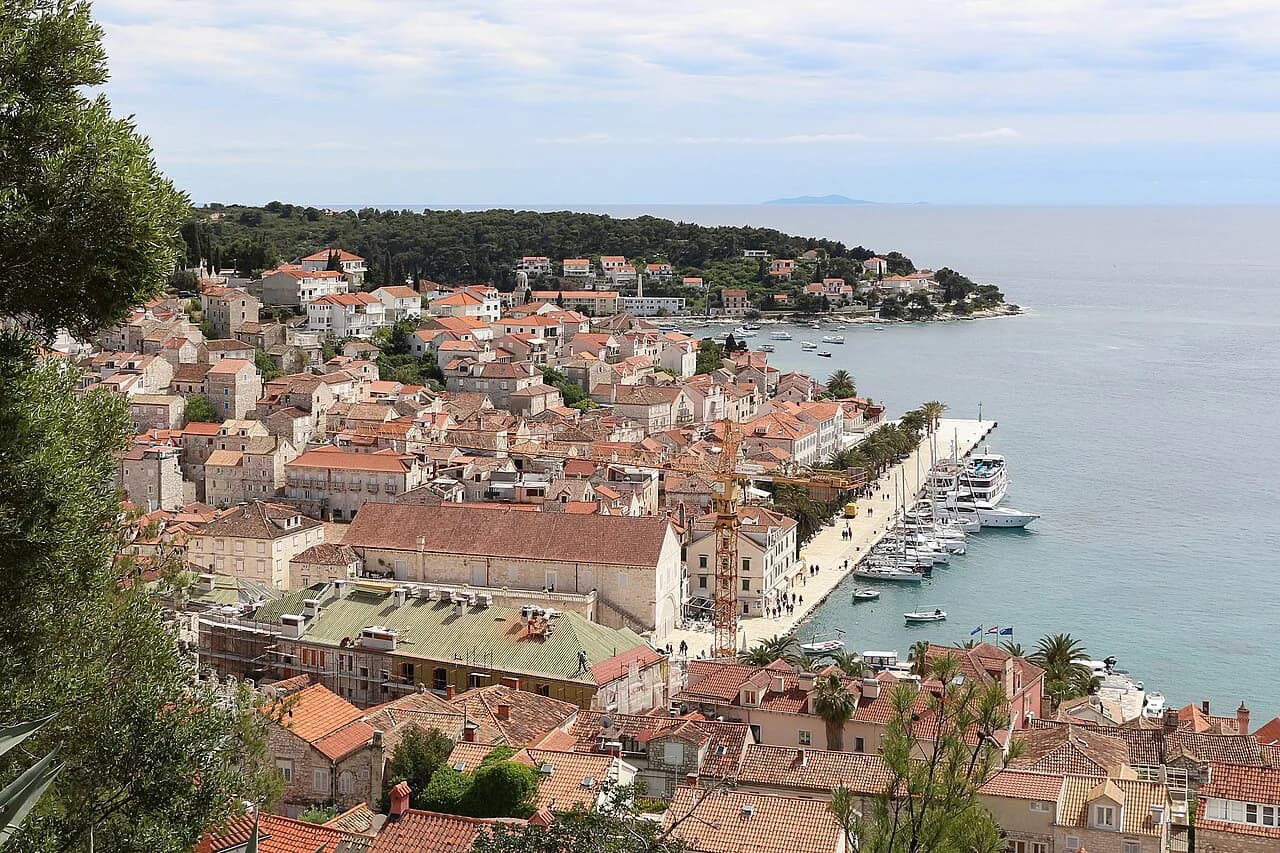
The trade-off is simple. The harbour front in Hvar Town gives you convenience and a short walk home; the inland villages around Humac, Velo Grablje, Malo Grablje and Pitve give you the cooking this guide is about, at the cost of a drive and an earlier start. If you have one night on the island and want peka, take the village table and plan the evening around it. If you have several nights, use the town for a relaxed first evening and save the drive for the peka night.
A food tour or a cooking class earlier in the trip is a useful way to understand the method before you commit to a booking. The guide to Konobas in Hvar sets out the wider choice of tables if you want to compare before deciding.
How much peka to order
Peka is rich and it is usually priced and portioned for sharing, so two people ordering a full peka plus a starter and a dessert will generally find it is enough. Octopus peka is the lighter of the two; veal and lamb peka sit heavier, and a simple starter of cured ham or a shared seafood plate is a better match than a pasta course. Ask the konoba how many people its portion serves when you book, since sizes vary between kitchens.
If you want a sense of what the meal will cost relative to other island eating, look at Hvar food prices before you commit.
Timing a peka evening
Peka is a long meal, and the drive back is part of it. Book an early sitting if you are coming from Hvar Town or Jelsa, allow for narrow village roads and unlit stretches after dark, and decide in advance who is driving. Order a starter to occupy the table while the peka is plated, and keep the rest of the order simple so the main dish arrives when you are still hungry. This is an evening to plan, not to improvise.
Which peka table to book
Book Konoba Humac if you want the vines-and-animals version and are willing to drive inland, Konoba Zavala if you want octopus or meat peka with a sea view on the south coast, and Konoba Dvor Duboković if you are staying near Jelsa and want a garden setting. In every case, telephone ahead, ask for peka by name, and confirm whether you want meat or octopus and how many people the portion serves.
Carry cash for Konoba Zbondini, and keep the rest of the meal light so the peka gets the attention it deserves.
Explore more Hvar guides
Frequently Asked Questions
What is Croatian peka meat?
Peka is a cooking method in which meat or octopus is covered with a bell-shaped lid and cooked in hot coals for several hours. The meat becomes very tender and takes on a smoky flavour, and potatoes cooked underneath absorb the juices. On Hvar it is most often veal, lamb or octopus.
Do I need to reserve peka in advance on Hvar?
It is strongly advisable. Peka takes hours to cook, so konobas prepare it to order: Konoba Humac asks for one to two days' notice, longer in summer, and Konoba Zavala wants it arranged when you book. Order it with the table rather than on arrival, and confirm the lead time when you call.
Sources
Notes on eating well in Croatia
Optional updates to our food guides.
You might also like
Continue reading
More guides you'll find useful