Hvar Food Tours: What They Include and How to Choose
Hvar food tours mostly run as wine and gastronomy outings or as boat trips that include a meal, so the food you eat depends on the format you book.
On this page
A Hvar food tour is either a gastronomy outing built around wine, olive oil and home cooking, or a boat trip that happens to include dinner. The first gets you into family wineries and traditional households; the second gets you onto the water with a meal attached. This guide separates the two, names the Hvar food stops that appear on published island itineraries, and sets out when to book and where to base yourself. For the dishes themselves, start with the Hvar Food overview.
Most food-focused touring on the island is organised from Hvar Town, with Stari Grad and the interior villages supplying the cooking. That Split matters: operators such as Hvar Tours describe experiences in traditional family households and hidden villages alongside their wine routes, which is a different proposition from a restaurant dinner in town. For the table-by-table choice in the main town, see Konobas in Hvar.
What an Hvar food tour usually involves
The typical format is a half-day or full-day outing that combines a winery visit with something to eat, rather than a guided walk from shop to shop. Hvar Tours lists family winery round trips, a private half-day wine tour with lunch and dinner, and a full-day private wine tour among its wine and gastronomy options. That tells you the food is usually attached to a wine visit, not sold as a stand-alone tasting trail.
Expect transport, a driver or guide, and a sit-down element rather than a sequence of small bites on foot. If you want a table with a view over the harbour instead, book a konoba directly and treat the tour as a separate day. The two do different jobs and neither replaces the other.
The two main formats: island gastronomy tours and boat trips with dinner
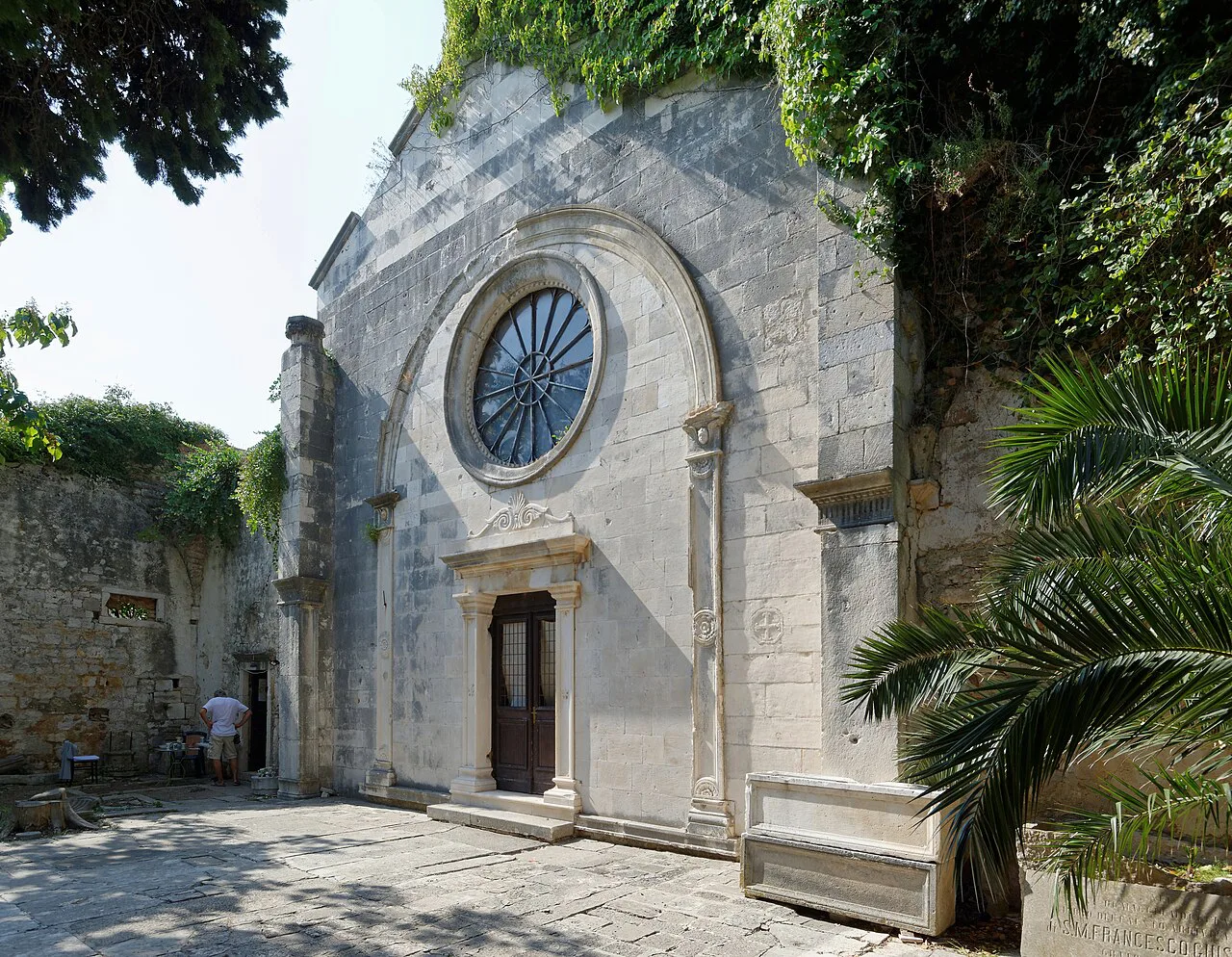
The first format is land-based: you are driven between wineries, villages or rural households and eat at each stop. Hvar Tours describes experiences in traditional family households with home-cooked delicacies, plus a picnic lunch option on its island discovery route. These suit travellers who want to understand what the island grows and cooks.
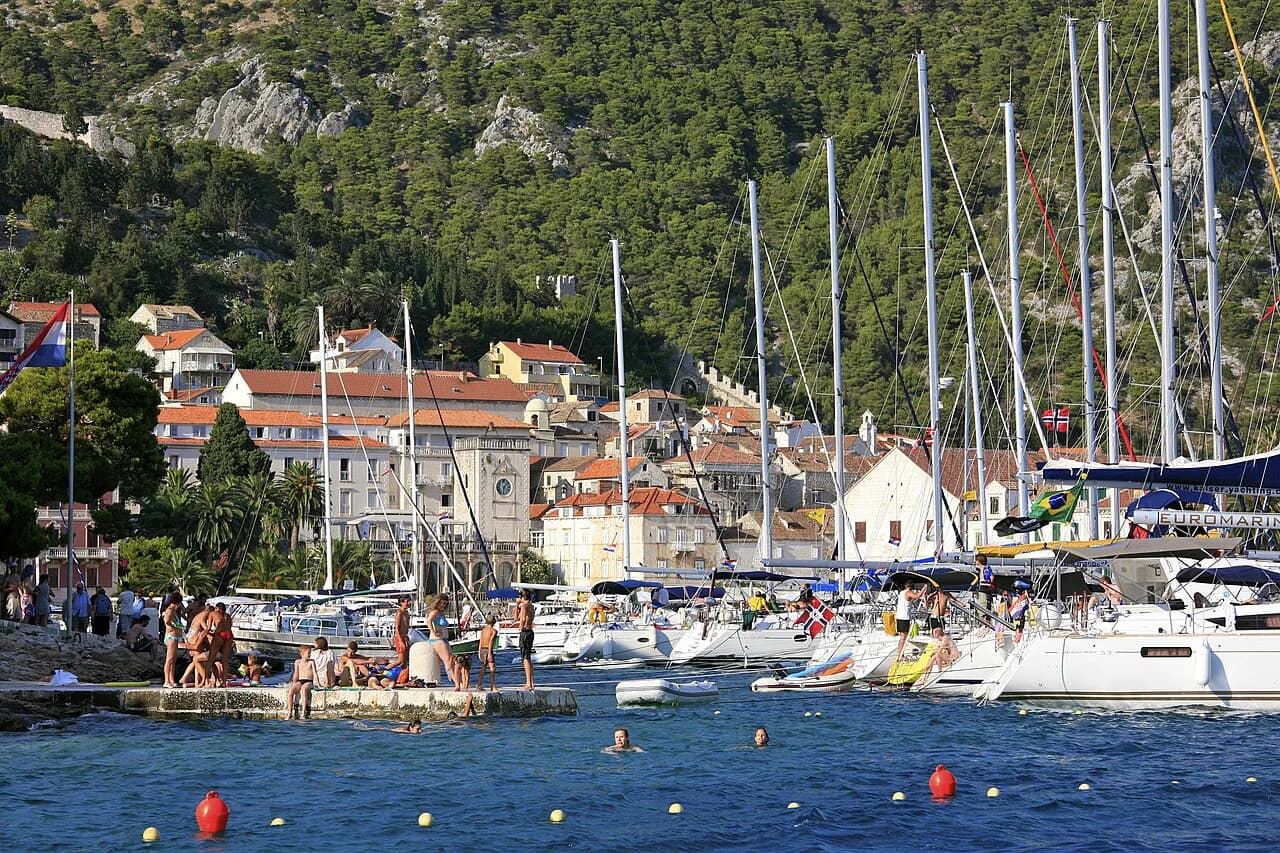
The second format is a boat trip where the meal is part of the package. GetYourGuide's Hvar fine dining listings lead with a sunset boat tour including dinner, drinks and music, which is a social evening on the water rather than a gastronomy lesson. Decide which of those two afternoons you actually want before you compare anything else, because they are not interchangeable.
Wine and gastronomy tours built around family wineries and local produce
These tours lean on the island's Plavac Mali vineyards and small producers. Hvar Tours runs a half-day family winery round trip, a two-winery half-day outing and an e-bike route through natural wines, alongside an olive adventure where you pick and make your own. The pattern is small-scale production and a host who talks you through it, not a large tasting room.
Food turns up as platters and cooked dishes alongside the wine, with the private half-day tour explicitly pairing tastings with lunch and dinner. If your priority is the meal rather than the cellar, say so when you enquire, because the balance shifts between operators. A Hvar cooking class is the better route if you want to be in the kitchen rather than at the table.
Speedboat and sunset tours that include a meal or drinks
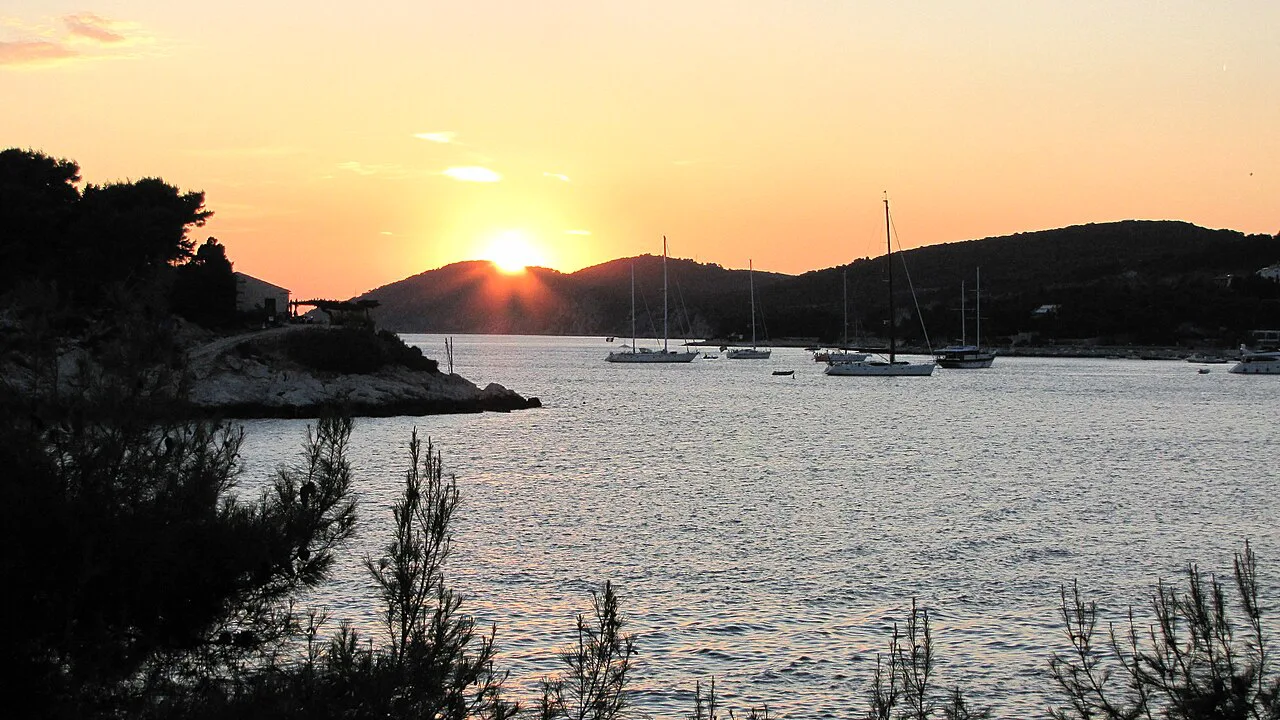
Boat-based eating on Hvar is usually bundled into a bigger day. Hvar Tours pairs its Pakleni Islands and southern-shore speedboat routes with a romantic terrace dinner or a pop-up bar at the top of the island, while its wine and gastronomy offer includes a romantic gazebo and VIP terrace setting. The food is real, but the water is the main event.
Treat these as an evening out with a view rather than a tasting. If you want the meal to carry the day, book a land-based gastronomy tour and take a boat trip separately.
Food stops named on Hvar itineraries: Antika in Stari Grad, Konoba Menego in Hvar Town and Nonica's pastries
Published island itineraries give a short list of food stops worth building a day around. The Common Wanderer's three-day plan sends readers to Antika in Stari Grad for lunch, Konoba Menego in Hvar Town for dinner and Nonica's pastries for something sweet, with Za Pod Zub in Stari Grad named for local produce. Treat those as anchors for your own plan rather than a fixed tour route.
Stari Grad is the quieter half of that pairing, twenty minutes from Hvar Town and better suited to a slow lunch, while Hvar Town suits an evening. If you would rather build the day yourself, Konobas in Hvar covers the table-by-table choice, and peka Hvar is the dish to ask about when you book. A plate of octopus salad is the simpler order when you want something light before an evening tour.
Tasting local delicacies in traditional family households and hidden villages
The most distinctive Hvar food experiences happen away from the harbour. Hvar Tours describes dining in traditional family households, in an abandoned village or an organic olive grove, and markets these as locations you reach with a guide. That is the appeal and the limitation: you are committing to a set menu in a set place, chosen by Hvar Tours.
Ask Hvar Tours what is served when you book if you have allergies or strong preferences, since these are home kitchens rather than restaurants with alternatives. Small street food stops in town are a cheaper way to graze if you want flexibility over a fixed sitting.
When to book: Hvar Town in July and August versus late September
Timing changes the experience more than the itinerary does. The Common Wanderer describes peak-season Hvar Town in July and August as genuinely overwhelming, with crowded lanes and restaurants that have stopped trying, and recommends the town at seven in the morning or in late September once the superyachts have left. Use that as your planning rule: book gastronomy tours for the shoulder weeks and keep midsummer for the water.
If your dates fall in July or August, reserve the tour before you travel rather than on arrival, and expect the rural and boat options to fill first. Late September gives you the same operators with a calmer town and easier tables.
How to choose between a group tour and a private tour
Group tours cost less per head and put you with other travellers; private tours let you set the pace and the balance of wine and food. Hvar Tours lists both, including private half-day and full-day wine routes alongside shared winery round trips, and its picnic lunch island discovery is a private format. Private suits couples and small groups who want a specific meal; shared suits solo travellers and anyone watching the budget.
Whichever you pick, confirm three things in writing: whether food is included or extra, whether transport is door-to-door, and how many other guests join. Those three answers separate a gastronomy tour from a boat ride with a plate on it.
Matching a tour to where you stay: Hvar Town or Stari Grad
Base yourself where the tours start and you lose less of the day to transfers. Hvar Town concentrates the tour companies, the harbour departures and the evening dining, which is why most itineraries begin there. Stari Grad is the calmer base, twenty minutes away, and better placed for the interior villages and wineries.
The Common Wanderer's seven-day plan recommends Stari Grad for a quieter, more authentic stay with Hvar Town twenty minutes away for visits. If you are on the island for three days, stay in Hvar Town and take one gastronomy day inland; on a week, Split the difference.
What a food tour does not cover
A tour will not teach you to order fish by the kilo in a restaurant, and it will not replace a proper sit-down lunch at a Stari Grad konoba. Think of it as an introduction to growers and cooks, then spend your own money on the tables you choose. Oysters and shellfish are a separate pleasure best ordered direct rather than through a tour package, and street food in the old towns is a lunch in itself.
Which Hvar food tour should you book?
Book a land-based wine and gastronomy tour if you want to meet producers and eat in family households, and take a sunset or speedboat trip separately if you want an evening on the water. If your dates land in July or August, reserve before you travel and expect Hvar Town at its busiest; shift to late September and the same tours run in a calmer town.
For the rest of your eating plan, a konoba lunch in Stari Grad and a harbour dinner in Hvar Town will do more for your trip than a second tour.
Explore more Hvar guides
Sources
Notes on eating well in Croatia
Optional updates to our food guides.
You might also like
Continue reading
More guides you'll find useful