
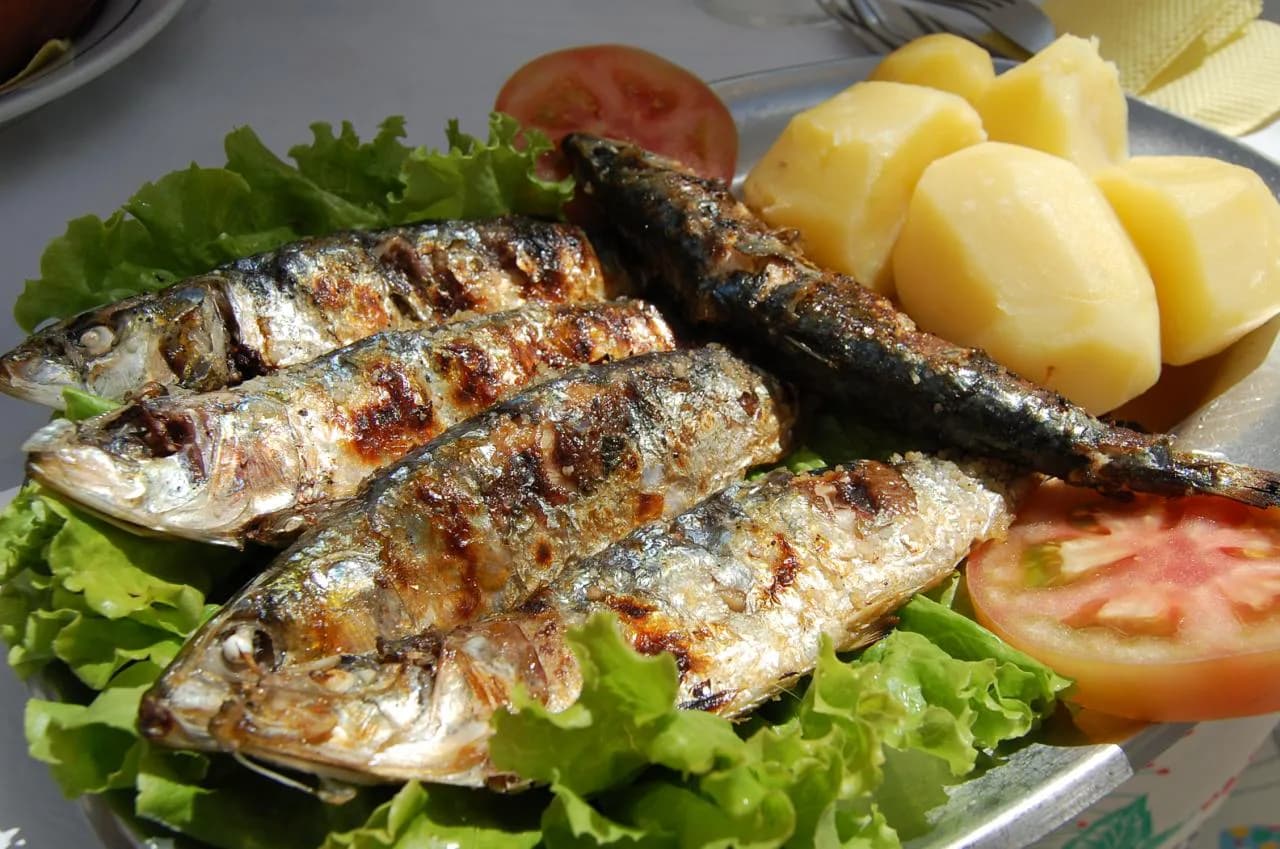
Croatian Sardines: What Srdele Are and How to Eat Them
Croatian sardines, or srdele, are Adriatic pilchards eaten grilled, fried, marinated or from a tin. Here is what they are and how to order them.
On this page
Croatian sardines are srdele, the Adriatic pilchard known to science as Sardina pilchardus, and they are among the cheapest and most everyday fish in coastal cooking. You meet them three ways: fresh and grilled, dusted in flour and fried, or marinated and served cold with onion, and separately as tinned fillets packed in olive oil. This guide explains what srdele are, how each version reaches the table, and what to order with them.
What Croatian sardines are: srdele, the Adriatic pilchard
Sardines belong to the wider family of small oily fish that Croatian kitchens treat as everyday food rather than a treat. They are caught in the Adriatic and appear on menus under the plural srdele, sometimes as a starter and sometimes as a main plate. The fish is small, so it is usually served whole, head and all, and eaten with your fingers or a knife and fork depending on the setting.
The Croatian tourist board lists sardines as a traditional dish of Croatian Mediterranean cooking, prepared in several different ways and popular both along the coast and inland. That breadth is the useful thing to know: there is no single canonical sardine dish to hunt down. Ask what the kitchen does with them and you will get a straight answer about whether they are grilled, fried or marinated that day.
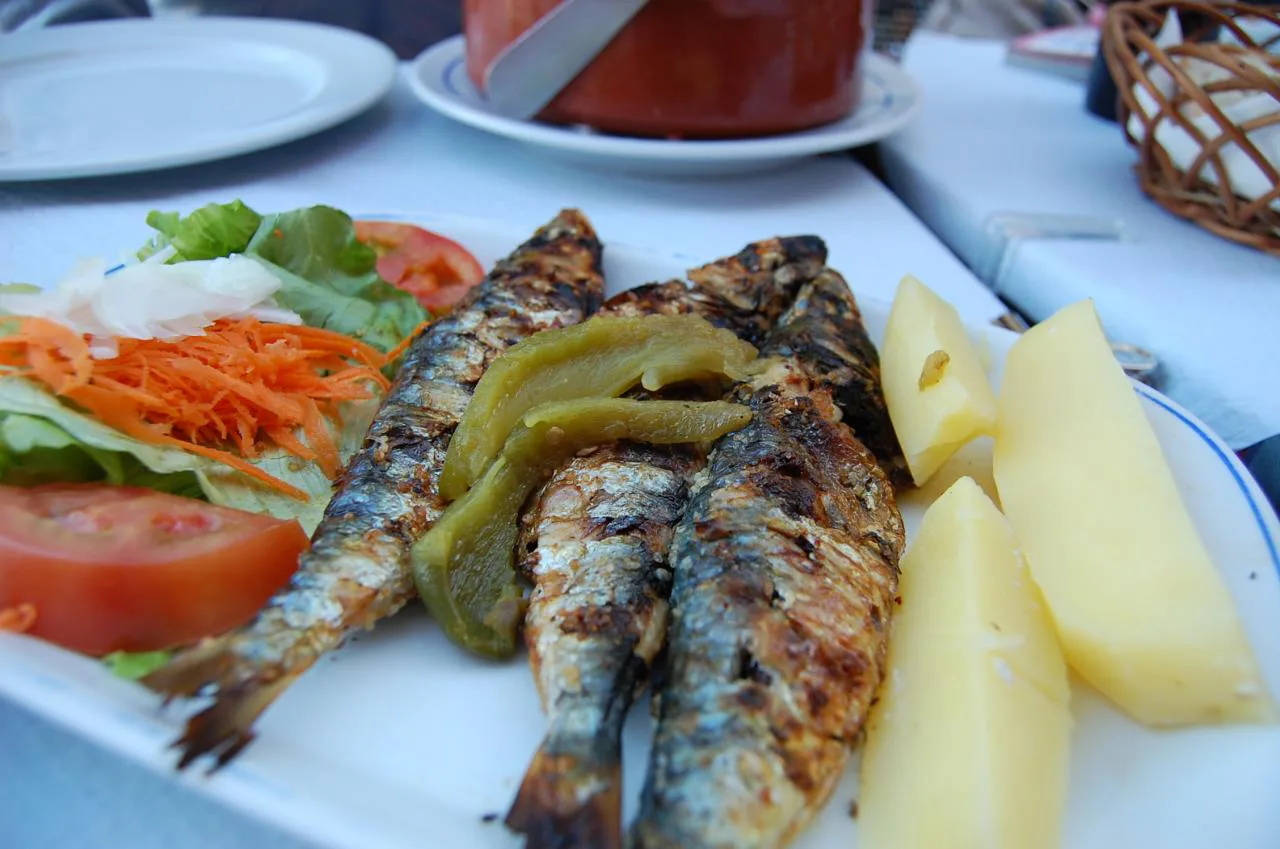
How sardines fit into Croatian coastal cooking
The wider logic of the coastal table is a short menu built around what the boats bring in, with olive oil, garlic, parsley and lemon doing most of the seasoning. If you understand how Croatian Seafood is priced, ordered and shared, sardines stop looking like a budget compromise and start looking like the point. Pair them with an Octopus Salad in Croatia to start and you have a very standard Dalmatian opening to a meal.
What is the best fish to eat in Croatia? There is no single answer, but small oily fish such as srdele give you the most typically Croatian eating for the least money. Larger species such as orada and brancin are the celebration choice and are usually sold by weight.
Is a sardine the same as an anchovy? No. Croatian sardines are Adriatic pilchards, Sardina pilchardus, and anchovies are a separate fish with their own flavour and curing tradition.
Which country eats the most sardines? Comparisons by country are hard to make reliably, and Croatian consumption is better judged from the menu than from a ranking. What matters for a visitor is that sardines are everyday food on the Adriatic coast rather than a niche dish.
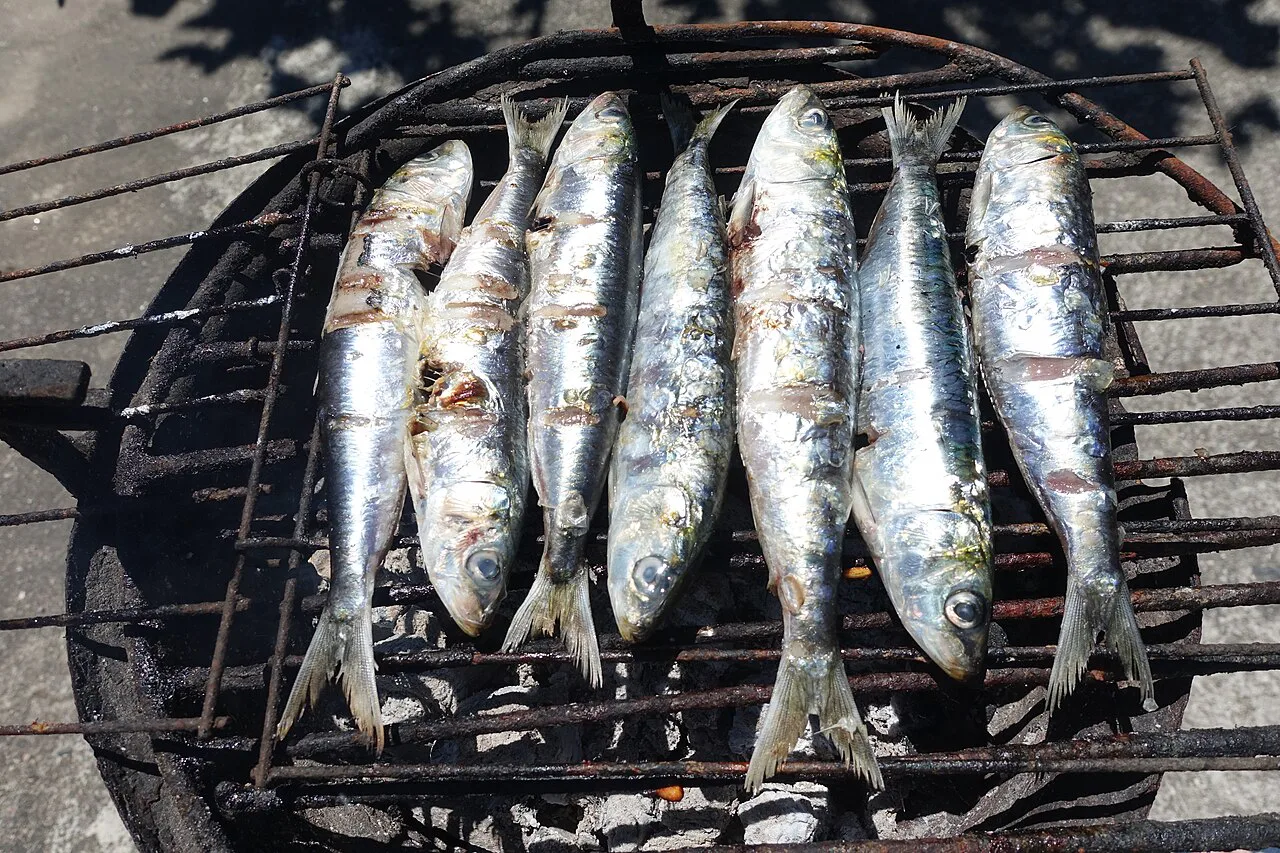
Ways sardines are served: grilled, fried, marinated and in olive oil
Grilled srdele are the simplest version and the one to order if you want to taste the fish: scored, brushed with oil and cooked hot and fast so the skin crisps and the flesh stays moist. Fried sardines are floured first and come out crunchy enough to eat whole, usually with lemon and a pile of bread. Marinated sardines are prepared ahead, cured in vinegar, oil and sliced onion, and served cold, which makes them a natural summer starter.
If you like the fried small-fish format, girice work the same way and often appear on the same part of the menu. The cooking method matters more than the species here, so if one is unavailable the other is a fair substitute.
Sardines and the small-fish tradition of the Adriatic
Sardines are rich in omega-3 fatty acids and supply nearly all the B vitamins, and Croatian boats catch enough of them that part of the catch is exported to Spain. That detail is worth knowing when you see them priced cheaply on a Croatian menu: abundance, not low quality, keeps the price down. Treat the nutritional point as a reason to order them once or twice on a trip, not as a medical claim.
Canned Croatian sardines from Postira on Brač
Croatia also tins sardines, and a well-known production site is the Sardina d.o.o. factory at Postira on the island of Brač. Fillets sold under the Adriatic Queen name are packed with sardines caught in the Adriatic and olive oil from local production, with no additives or preservatives; the tin lists sardines at seventy per cent and olive oil at thirty per cent with salt. Drained weight is around 73.5 grams in the 105-gram tin. That is a genuinely Croatian product to carry home and a decent souvenir that will not break in a suitcase.
Bought in Croatia or shipped abroad, a tin of these fillets can be eaten straight from the pack on bread, folded through a salad or used as a quick snack without heating. Keep the drained weight in mind if you are feeding more than one person, because a single small tin disappears fast. Check the label for the producer and the port of origin, since not every tin on a Croatian shelf is domestic.
What to look for on a menu and how to order
Menu words do the work here: na žaru means grilled, pržene or pohovane means fried in flour, and marinirane means marinated and served cold. Srdele will usually sit among the starters (predjela) rather than the main fish section, so scan the top of the menu first. If the fish is sold by weight, ask for the price per kilo before you commit, exactly as you would with a larger fish.
Order one plate per two people as a starter and add bread, and the portion will usually be right without filling up before the main course. If the kitchen offers a mixed plate of small fried fish, take it: it gives you sardines alongside other species and shows how the cooking style flatters each one.
Sardines alongside bread, olive oil and salad
Sardines want fat, acid and something starchy, which is why the standard accompaniments are olive oil, lemon, raw onion and plain bread. A simple tomato and onion salad or blitva, the chard-and-potato side that turns up all along the coast, balances the oiliness better than chips. Keep the drink light and plain: water, a spritz of lemon, or a small glass of white wine if you are having one.
The buzara method, the garlic, wine and breadcrumb technique used for mussels and prawns, is a reminder of how closely the coastal kitchen treats all its small seafood. If you enjoy sardines done simply, that cooking style is the next thing to try.
Fresh srdele or a tin to take home?
Order fresh srdele at least once on the coast, preferably grilled or fried, because the version you eat by the water bears little resemblance to a tin. Then buy a tin from Postira to take home, checking the producer on the label, and you have both ends of the same fish. If you liked the small-fish cooking, move on to girice or a mixed fried plate before you leave.
Explore more Croatia guides
- Brancin: Croatia's Sea Bass, Explained for Diners
- Brudet: Croatia's Adriatic Fish Stew Explained
- Girice: The Small Fried Fish Croatians Order by the Plateful
- Hobotnica ispod peke
- Orada: Gilt-Head Bream on Croatian Menus
- Scampi Risotto
- Adriatic Lobster
- Kvarner Scampi
- Lignje na zaru
- Škrpina: How to Order Croatia's Scorpionfish
Frequently Asked Questions
What is the best fish to eat in Croatia?
There is no single answer, but small oily fish such as srdele give you the most typically Croatian eating for the least money. Larger species such as orada and brancin are the celebration choice and are usually sold by weight.
Is a sardine the same as an anchovy?
No. Croatian sardines are Adriatic pilchards, Sardina pilchardus, and anchovies are a separate fish with their own flavour and curing tradition. Order srdele if you want the plump, oily fish that is grilled or fried whole.
Which country eats the most sardines?
Comparisons by country are hard to make reliably, and Croatian consumption is better judged from the menu than from a ranking. What matters for a visitor is that sardines are everyday food on the Adriatic coast rather than a niche dish.
Are tinned Croatian sardines as good as fresh?
They are a different food. Fresh srdele are about crisp skin and moist flesh, while tinned fillets in olive oil are about convenience and keeping, and the Postira product is a sound Croatian souvenir.
Sources
Notes on eating well in Croatia
Optional updates to our food guides.
You might also like



Continue reading
More guides you'll find useful





