
Istrian Food: What to Eat and Where, from Truffles to Boškarin
Istrian food explained: white truffles and fuži, boškarin beef, pršut, maneštra and seafood buzara, plus the konobas and farm tables where you eat them.
On this page
Istrian food is the peninsula's Venetian and Balkan inheritance on one plate: pasta and espresso from centuries of Italian rule, stews, smoked pork and grilled fish from the Croatian and Slovene kitchen. Order fuži with truffles first, follow it with boškarin or a plate of scampi buzara depending on whether you are inland or on the coast, and finish with a grassy local olive oil you will want to sip neat. This guide works through the dishes that define Istria and the konobas, trattorias and agrotourism farms where they are cooked.
What Istrian food is
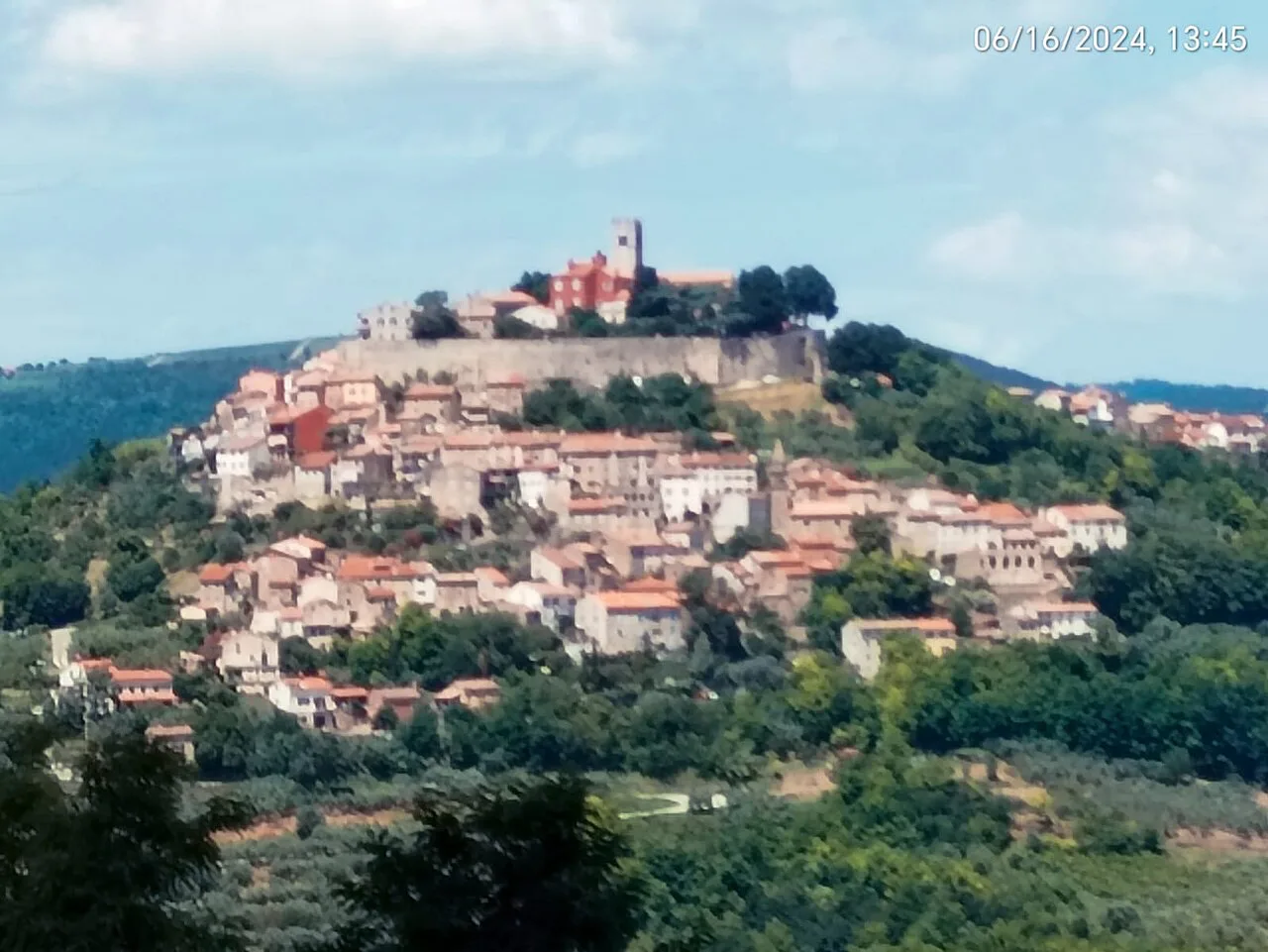
Istria sits in northwest Croatia between Slovenia, Italy and Kvarner Bay, and its cooking carries both influences plainly. Venetian rule brought pasta and espresso etiquette, while Croatian and Slovene grandmothers perfected the stews and sausages, so a single meal can move from woodland mushrooms to raw scampi without feeling disjointed, as the food writer Zi Milak puts it in her survey of the peninsula. Coastal towns such as Pula, Rovinj and Poreč eat fish, while hill towns like Motovun and Grožnjan look to truffle forests, mushrooms and cured pork.
White truffles from the Motovun forest. The Motovun Forest holds one of the world's richest deposits of white truffles, and from September through January trained dogs turn up the knobbly nuggets whose earthy scent fills a room the moment they are shaved.
Fuži s tartufima: order this first. Fuži s tartufima is the dish to order before anything else in Istria.
Boškarin: the Istrian ox. Boškarin is the native long-horned Istrian ox, once a working animal that nearly died out in the 1990s and has since been brought back through a sustained breeding effort.
The practical rule for visitors is to match the dish to the landscape. Inland, order truffles, fuži, boškarin and pršut; on the coast, order langoustines, sardines, cuttlefish risotto and fish stew. Olive oil runs across both, and Istrian small-batch producers press grassy, peppery oils that have earned the region a reputation well beyond Croatia and are treated at the table as a condiment rather than a background fat.
White truffles from the Motovun forest
The Motovun Forest holds one of the world's richest deposits of white truffles, and from September through January trained dogs turn up the knobbly nuggets whose earthy scent fills a room the moment they are shaved. Outside that window, black truffle varieties take over and appear in omelettes, pasta and even ice cream. Treat the season as a guide to what will be on menus rather than a fixed date.
Truffle country has its own tables. Konoba Toklarija in Sovinjak, near Buzet, and Zigante in Livade, near Motovun, are the names to know in the hill towns, and both appear in surveys of where to eat in Istria. Book ahead in autumn, when truffle dishes dominate menus across the hill towns.
Fuži s tartufima: order this first
Fuži s tartufima is the dish to order before anything else in Istria. Fuži is a hand-rolled pasta tube, rolled around a thin stick and twisted into a shape that holds sauce, and here it carries a truffle sauce rich enough that a small portion goes a long way. The pasta is the point as much as the truffle: fresh, slightly chewy and made to catch every bit of the sauce.
Konoba Malo Selo in Kaldanija, just outside Buje and close to the Slovenian border, is a family-run konoba known for local ingredients and Istrian continental cooking with no fish on the menu. Order the ravioli with truffles and the steak with truffles, with the house potatoes mashed and then pan-fried on the side, and finish with gibanica, a layered pastry of walnuts, apple, fresh cheese and raisins.
Boškarin: the Istrian ox
Boškarin is the native long-horned Istrian ox, once a working animal that nearly died out in the 1990s and has since been brought back through a sustained breeding effort. It now appears on menus from rustic farm tables to the dining room at Restaurant Monte in Rovinj, which the food writer Zi Milak describes as Michelin-starred. The cut to look for is the cheeks, braised slowly in Teran, the local red wine.
Not every kitchen can serve it: restaurants need a special licence to cook boškarin, so its presence on a menu is one signal of a serious commitment to local produce, as at Konoba Malo Selo in Kaldanija. There the beef arrives with truffles and those pan-fried potatoes. If boškarin is the reason for your meal, ask about it when you book.
Istrian pršut and aged sheep cheese
Pršut is dry-cured ham, and the Istrian version hangs in the cold Bora wind for up to eighteen months, emerging sweeter and less salty than its Dalmatian cousins. That difference is the wind and the curing, not the breed alone, and it is why an Istrian pršut board tastes milder than the one you may know from further south. Order it with aged sheep cheese and a glass of Refošk.
For a closer look at the southern version, including paški sir from the island of Pag, Dalmatian food covers the cured meats and cheeses that make the comparison worth making, while the wider Croatian Regional Cuisine guide sets Istrian pršut alongside the country's other regional tables. Malo Selo's truffle-heavy menu and Konoba Stari Podrum, described as a smarter version of the same cooking with higher prices, both put cured meat and cheese at the centre of the table. It is the right way to start a long inland lunch before the pasta arrives.
Maneštra and Istarska supa: the cold-wind soups
When the Bora starts whistling through the streets, Istrian kitchens turn to maneštra, a rib-sticking bean and vegetable soup, and Istarska supa, a simpler broth that turns up on inland menus. Maneštra is the more substantial of the two and is often made with whatever the garden and smokehouse provide, which means it varies from kitchen to kitchen. Order it as a first course rather than a light starter.
Bobići maneštra is the inland variant to look for, and it belongs with the farm-restaurant cooking of central Istria. Agrotourism tables are the best place to meet it, since they grow and cure most of what they serve, including the corn and cured pork that go into the pot.
Seafood on the coast
On the coast the cooking changes completely. Langoustines from Kvarner Bay are sweet enough that locals describe a hint of vanilla when they are simply boiled and dressed with olive oil, and scampi alla buzara cooks them in a garlic, tomato and wine broth. Order both when you are near the water and keep the rest of the meal light.
Sardele na gradele are sardines grilled over charcoal, and crni rižot od sipe is cuttlefish risotto darkened with its ink; both are benchmark dishes for judging a coastal kitchen, and brodetto is the thick fish stew to order when you want something slower. Away from Istria, the same family of dishes defines the Croatian coast more broadly.
Trattoria Vodnjanka in Pula is a family-run restaurant long known as a place where locals have lunch on simple Istrian cooking. The daily menu follows fresh produce and the catch, and the dishes to order include lamb or beef in padela, cooked for hours in a cast-iron skillet with vegetables, and brudet, the local fish stew.
The trade-off at Vodnjanka is timing: an à la carte menu is served at lunch, while dinner moves to a set fish or meat menu. If you want to choose freely, book lunch. If you want the owner's cheesecake, made with local ricotta, cream, toasted hazelnuts and homemade jam, reserve it when you order, as it runs out by the end of lunch.
Konoba Batelina in Banjole is run by a fishing family and is known for using the whole fish, including the small species that rarely reach smarter menus. The appetisers are the reason to go, so order a spread of the raw, pickled and salted fish, then finish with the chocolate truffles. It is popular enough that you need to reserve well ahead.
Istrian olive oil
Istrian olive oil comes from red Terra rossa soil and constant salt-tinged breezes, and small-batch producers press a grassy, peppery oil that is worth tasting on its own. Use it at the table rather than treating it as a cooking fat: drizzle it over boiled langoustines, grilled fish or a plate of pršut and let the pepper come through. The region's oils are held in high regard, which is why they turn up so often on restaurant menus.
Agroturizam Ograde in Katun Lindarski in central Istria appears in surveys of the best farm tables in the region and is a good place to taste the local oil alongside a seasonal menu. Buy a bottle from a producer you taste with, and check the harvest date, since oil is a fresh product.
Agroturizam tables: farm restaurants
Agroturizam is the Croatian farm-stay and farm-restaurant model, and in Istria it means a kitchen that plants, picks, cures, presses and pours almost everything it serves. Menus shift with the season: wild asparagus in early spring, sweet sardines in June, truffle dishes in autumn and maneštra once the Bora blows. Agroturizam Ograde in Katun Lindarski is one of the central Istrian farms worth building a day around.
The trade-off is pace: a quick lunch at a farm table tends to stretch into two hours, and anything faster misses the point. Go hungry, plan for a slow meal and leave room for the cheese and cured meat course.
Konobas and coastal picks to book
A konoba was traditionally the cellar of a house, with a long wooden table for gathering and a place to store wine and rakija. Today the word covers everything from family kitchens to smart dining rooms, and in Istria almost every restaurant uses it. Think of it as closer to an Italian trattoria or a French bistro than to a formal restaurant.
Konoba Morgan in Brtonigla and Konoba Buščina in the Umag hinterland are further inland names worth knowing, while Restaurant Monte in Rovinj is the special-occasion table on the coast. For a coastal konoba closer to Pula, Trattoria Vodnjanka is the local. Book ahead in high season.
Konoba Batelina sits in Banjole, a short drive south of Pula and close to the coast, so it pairs well with a beach day or a trip to the water. Reserve early in summer.
What to drink with Istrian food
Malvasia is the white to order with seafood: crisp, stone-fruited and able to handle everything from langoustines to crni rižot. Refošk is the red, with iron-tinged acidity that stands up to pršut and braised boškarin. House wine by the carafe is normal in konobas and agrotourism tables.
At Malo Selo the kitchen is continental and truffle-led, so Refošk makes more sense than Malvasia. At Batelina, a local wine list is part of the offer, and the fish-led cooking points to white.
Other Croatian regional tables to try next
Once you know the Istrian pattern, the rest of Croatia reads clearly, and the Croatian Regional Cuisine guide is the place to start. Slavonian food brings paprika, fish stew and stuffed peppers from the eastern plains, while Zagorje cuisine turns to turkey with mlinci and štrukli in the hills north of Zagreb.
Lika food is the highland cooking that sits between the coast and the interior, with roast lamb and potato-led dishes, and it repays a detour inland on the way to or from the coast.
Inland or coast: which Istrian table to book
Choose inland if you want truffles, fuži, boškarin and pršut, with Malo Selo, Konoba Toklarija and Zigante as the anchor bookings and an agrotourism table for a slow lunch. Choose the coast if you want langoustines, buzara and Batelina's small-fish starters, with Vodnjanka for lunch in Pula. Whichever you pick, order the local dish, ask for Refošk or Malvasia to match, and confirm your table before you travel.
Sources
Notes on eating well in Croatia
Optional updates to our food guides.
You might also like



Continue reading
More guides you'll find useful





