
Croatian Regional Cuisine: What to Eat in Each Part of Croatia
Croatian regional cuisine splits into coastal seafood, Istrian truffles and pasta, and hearty inland dishes. Here is what to eat where, and why.
On this page
Croatian regional cuisine divides broadly into three kitchens: the Mediterranean coast, where olive oil, garlic and the day's catch dominate; Istria in the northwest, with truffles, pasta and a Venetian thread; and the inland north, where paprika, pastry and slow-cooked pork reflect Austro-Hungarian influence. Knowing which region you are in tells you what to order before you open the menu. This guide works through the dishes of each area, translating the Croatian names and explaining how each is cooked.
The practical rule is simple: eat seafood on the coast and islands, look for truffles and brodetto in Istria, and head for grilled meat, burek and cream cakes when you travel inland. A dish like buzara is a cooking method rather than a fixed recipe, so the fish or shellfish inside changes with the catch. Desserts mark regions as clearly as main courses do.
Coastal Dalmatia: grilled fish, black risotto and shellfish na buzaru
Dalmatian cooking is built on the Adriatic. Grilled squid, lignje na žaru, turns up on menus all along the coast, usually dressed with olive oil, garlic and parsley and served with potatoes or seasonal vegetables. Whole fish such as sea bass, sea bream and John Dory is grilled simply, and many coastal restaurants show the day's catch before you order.
Black risotto, crni rižot, is the coast's signature seafood dish: rice cooked with squid or cuttlefish ink, garlic, onion, olive oil and white wine until it turns jet black. It tastes rich and deeply savoury, and it will stain your lips and teeth, so order it for the flavour rather than the photograph. It is a dish to seek out along the Dalmatian coast, where fresh seafood is the point.
Buzara is a technique, not a species: mussels, clams or prawns cooked with olive oil, garlic, white wine and parsley, sometimes with tomato or breadcrumbs. The sauce is the point, so ask for extra bread rather than letting it go to waste. On the Dalmatian coast more widely, see this guide to Dalmatian food for the full spread of dishes.
Dalmatian meat: pašticada with gnocchi and peka under a domed lid
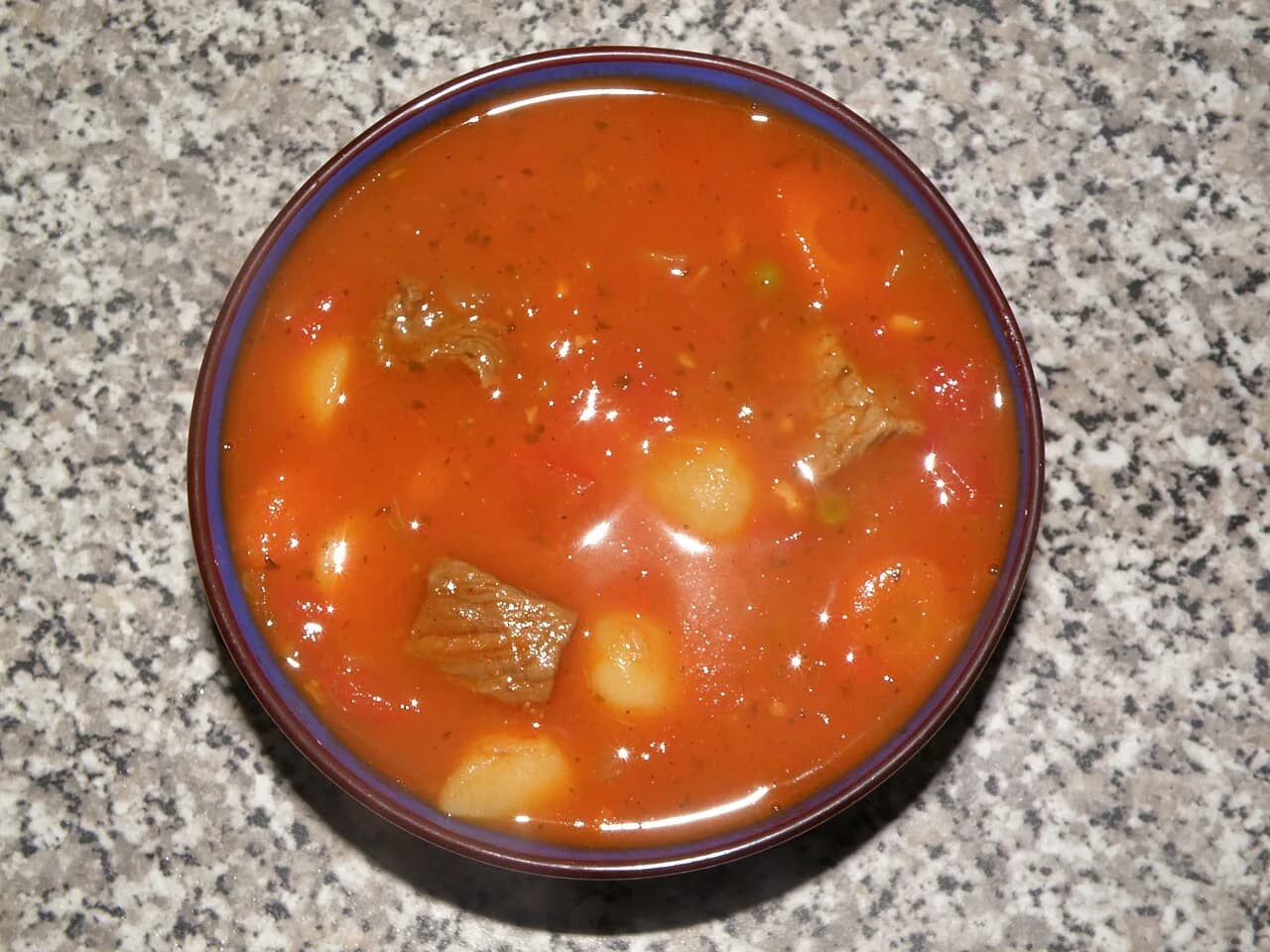
Dalmatia is not only fish. Pašticada is beef marinated and then slow-cooked for hours in red wine with vegetables and spices, served with gnocchi that soak up the dark sauce. It is rich and tender, and a good test of a kitchen's patience.
Is Croatian food similar to Italian? Partly, and mostly along the Adriatic. Istria and the Dalmatian coast share Italy's olive oil, garlic, pasta and grilled fish, and brodetto has Venetian roots.
What food does Croatia eat? The country eats two distinct families of food. On the coast and islands it is seafood, olive oil, garlic, grilled fish, black risotto and shellfish.
What is a konoba? A konoba is a traditional tavern, typically family-run and often focused on local cooking: grilled fish and seafood on the coast, cured meat, cheese and slow-cooked dishes inland. Menus follow what the kitchen can get, so the catch and the season shape what is available.
Peka is both the dish and the method: meat such as lamb or fish with root vegetables and peppers, cooked slowly under a domed metal lid heaped with embers. The name comes from the Croatian word for bell. It is a traditional cooking method found across the country rather than a restaurant set piece, so look for it where the kitchen cooks over open fire.
Istria: truffles, brodetto and the Venetian thread
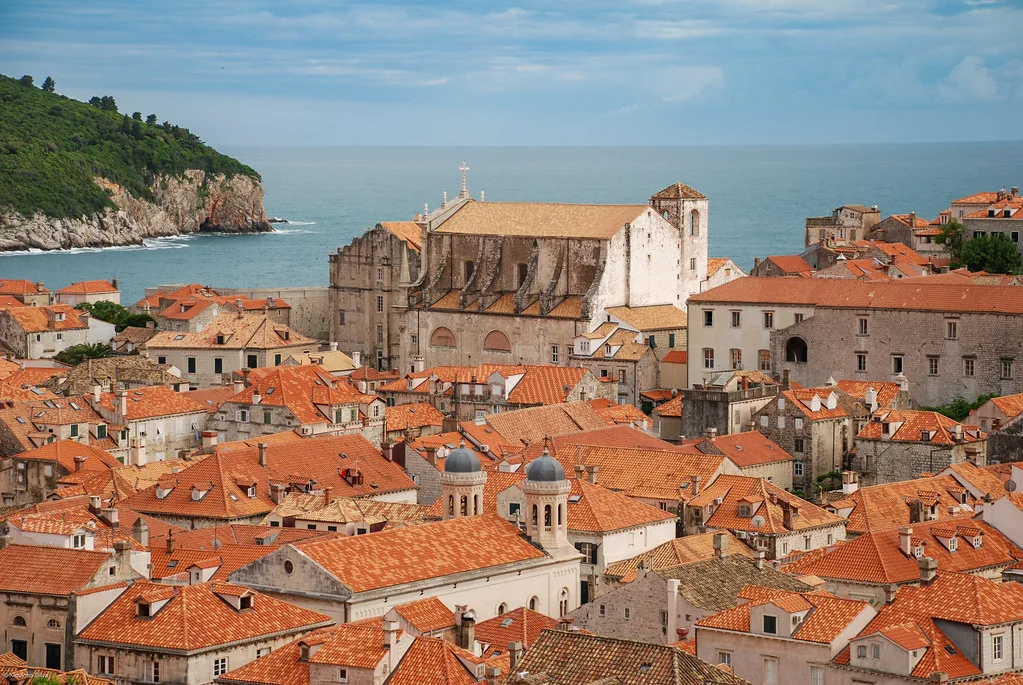
Istria's kitchen leans Italian, with pasta, olive oil and truffles at the centre. Fuži s tartufima, hand-rolled pasta with truffles, is the dish to look for, and Istrian pršut, the region's dry-cured ham, opens most meals. The full range is set out in this guide to Istrian food.
Brodetto is Istria's answer to a fisherman's stew: assorted fish, shellfish and sometimes squid simmered with onion and garlic, with potatoes or rice added depending on the cook. It began as a way to use up the less prized part of the catch, and it is best where the fish is local. Further north and east, the Italian influence fades and the cooking changes.
Pag and the islands: lamb and sheep's cheese
The island of Pag is known for lamb reared on saline pastures, with more sheep than people, and the meat is roasted simply so its flavour carries. Late spring and early summer is the season to look for it. Pag is equally known for paški sir, its sheep's cheese.
On the Kvarner coast and islands, expect seafood alongside lamb and cheese, and pršut as an opener. The lamb and the cheese belong to the same landscape: the sheep graze the island pastures and both the milk and the meat taste of them.
Inland Croatia: ćevapi, burek and the Austro-Hungarian kitchen
Head inland and the cooking changes: paprika, pastry and slow-cooked pork replace olive oil and garlic, a legacy of the Austro-Hungarian north. Ćevapi, small grilled minced-meat sausages, arrive with flatbread and raw onion, a dish shared across the Balkans. Burek is the inland pastry to know: thin layers of filo wrapped around meat or cheese and baked.
Slavonian food in the east is known for its paprika-rich fish stews and stuffed peppers, while Zagorje cuisine, north of Zagreb, is the place to order purica s mlinci, roast turkey with thin flatbread soaked in the juices. The inland tradition rewards a slower appetite than the coast.
The Slavonian kitchen shows the paprika influence most clearly in Fiš paprikaš, a fish soup, and Punjena paprika, peppers stuffed with meat and rice. Both are home cooking rather than restaurant showpieces, which is exactly why they are worth ordering.
Savoury specialities to look for: soparnik and Croatian prosciutto (pršut)
Soparnik is a savoury pie from the Dalmatian hinterland around Poljica: a thin pastry base filled with chopped silverbeet or chard, garlic and olive oil, baked and often served cold in wedges. Ordered as a starter, it is a good way to taste the inland side of Dalmatia.
Pršut is Croatia's dry-cured ham, served in thin slices with cheese, olives or bread. The coastal and island versions are the ones you will meet most often alongside seafood, and the quality varies with the curing, so order it plain to judge it. It is a standard opener in both Dalmatia and Istria.
Desserts by region: fritule, rožata and kremšnita
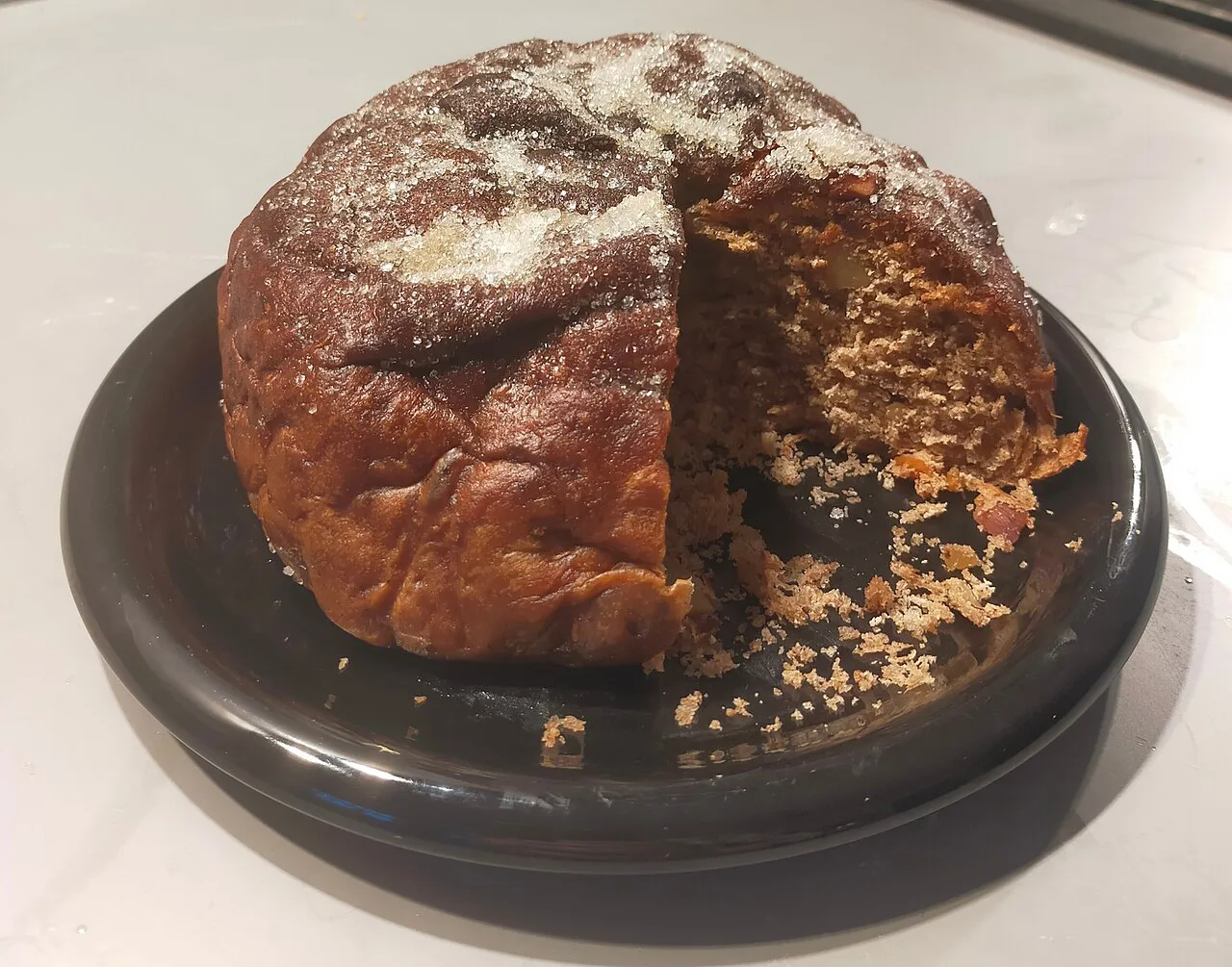
Desserts are regional markers too. Fritule are small fried dough balls, sometimes with raisins or a splash of rum, found from Dalmatia to Istria. Rožata is a caramel custard, the Dalmatian version of crème caramel, and a good way to end a meal on the coast.
Kremšnita is a thick custard slice layered with pastry, a sweet found across Croatia. Štrukli, a baked or boiled pastry with cheese, is found further north. The coast leans towards fried dough and caramel, the north towards cream and pastry.
How the same dish changes as you move along the coast
Buzara and brodetto show how the same idea travels. Buzara describes shellfish cooked in a garlicky white-wine sauce, and brodetto describes a mixed-fish stew; both change with the catch and the cook. Learn the names as techniques and you can order confidently anywhere on the Adriatic.
Even grilled fish varies from kitchen to kitchen. The metal grill used along the coast, the gradele, gives the dish its name on some menus. Fish is seasoned with garlic, parsley and local olive oil, and the accompaniment is usually a simple olive-oil and lemon dressing. Done well or badly, it is a good indicator of a coastal kitchen.
Drinks with a regional meal
Inland, meals are often accompanied by a small glass of rakija or a glass of white wine; on the coast, dry white wine from the local vineyards is the natural partner to seafood. Croatian drinks are served plainly, and a glass or two with food is the local habit rather than an occasion for excess.
What to order in each region
Order seafood and black risotto on the Dalmatian coast, pasta with truffles and brodetto in Istria, and grilled meat, burek and paprika stews in the inland north. If you only have time for one dish from each region, use the main course to pick the region and the dessert to confirm it. That is the shortest route through Croatian regional cuisine, and our guide to Zagreb food carries the same logic into the capital's tables.
Explore more Croatia guides
Frequently Asked Questions
Is Croatian food similar to Italian?
Partly, and mostly along the Adriatic. Istria and the Dalmatian coast share Italy's olive oil, garlic, pasta and grilled fish, and brodetto has Venetian roots. Inland Croatia is closer to Central Europe, leaning on paprika, pastry and slow-cooked pork, so the answer depends on where you are eating.
What food does Croatia eat?
The country eats two distinct families of food. On the coast and islands it is seafood, olive oil, garlic, grilled fish, black risotto and shellfish. Inland it is meat, paprika, pastry, ćevapi and burek, with desserts like kremšnita. Both are Croatian, and both are regional rather than national.
What is a konoba?
A konoba is a traditional tavern, typically family-run and often focused on local cooking: grilled fish and seafood on the coast, cured meat, cheese and slow-cooked dishes inland. Menus follow what the kitchen can get, so the catch and the season shape what is available.
What alcohol is Croatia known for?
Wine and rakija. Dry white wine is the usual partner to coastal seafood, and inland meals often come with a small glass of fruit brandy. Local grape varieties are worth tasting, and both are served as an accompaniment to food.
Sources
Notes on eating well in Croatia
Optional updates to our food guides.
You might also like



Continue reading
More guides you'll find useful




