
Adriatic Lobster: What It Is and How It Reaches the Plate
Adriatic lobster is the European lobster, Homarus gammarus, caught along Croatia's rocky coast. Here is what it is, how it lives and how to order it.
On this page
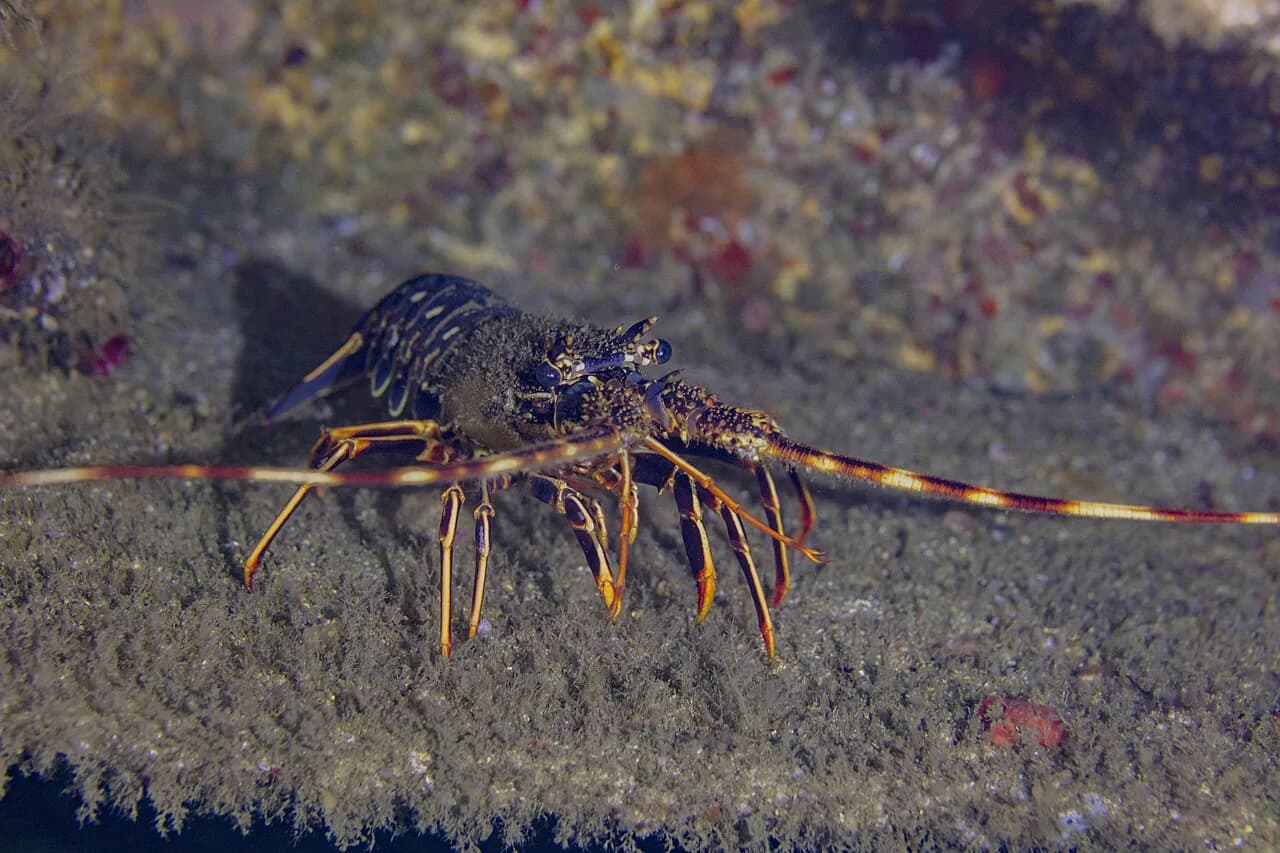
Adriatic lobster is the European lobster, Homarus gammarus, the species found across European coasts and present in the Mediterranean, so a lobster on a Croatian menu is not a separate Adriatic breed. It is the same animal fished in British and Norwegian waters, sold by weight and usually cooked very simply. On a Croatian menu it appears as jastog, and the meat is sweet, firm and rich rather than delicate. This guide covers what the species is, how it lives on rocky seabed, why it costs what it does and how to order it without surprises.
What Adriatic lobster is: Homarus gammarus on a Croatian menu
The European lobster belongs to the family Nephropidae, the lobsters and langoustines, a group of 53 species. Its range runs along European coasts and through the Mediterranean, which is why the same animal turns up on menus from the Dalmatian coast to the Atlantic. In Croatian it is jastog, and a menu may also list it as lobster or simply hlap.
Why it is scarce and prized. Lobsters grow slowly and live a long time, which is the heart of the supply problem.
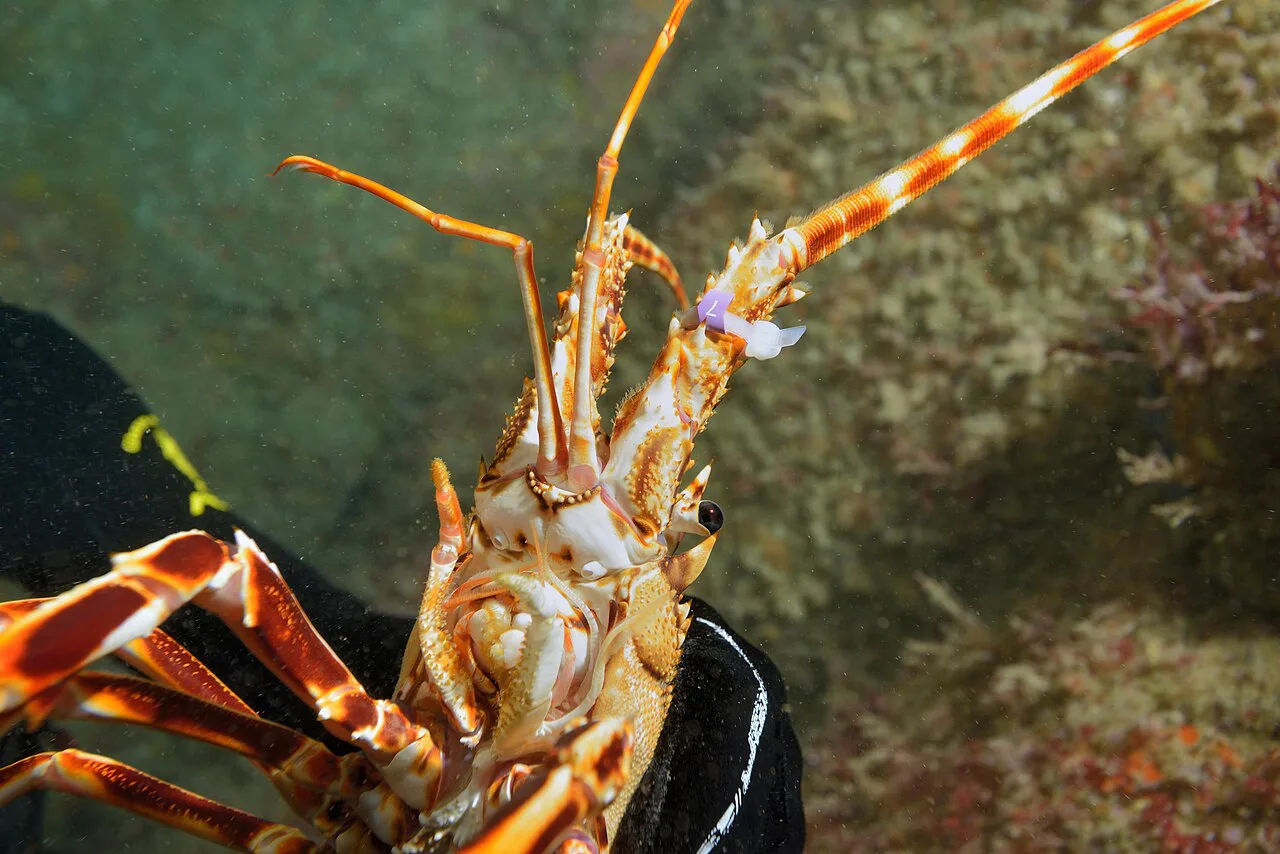
How it lives on the Adriatic seabed. European lobster is nocturnal and territorial, living in holes, burrows or crevices on hard rocky ground and compressed mud from the lower shore down to about 60 metres.
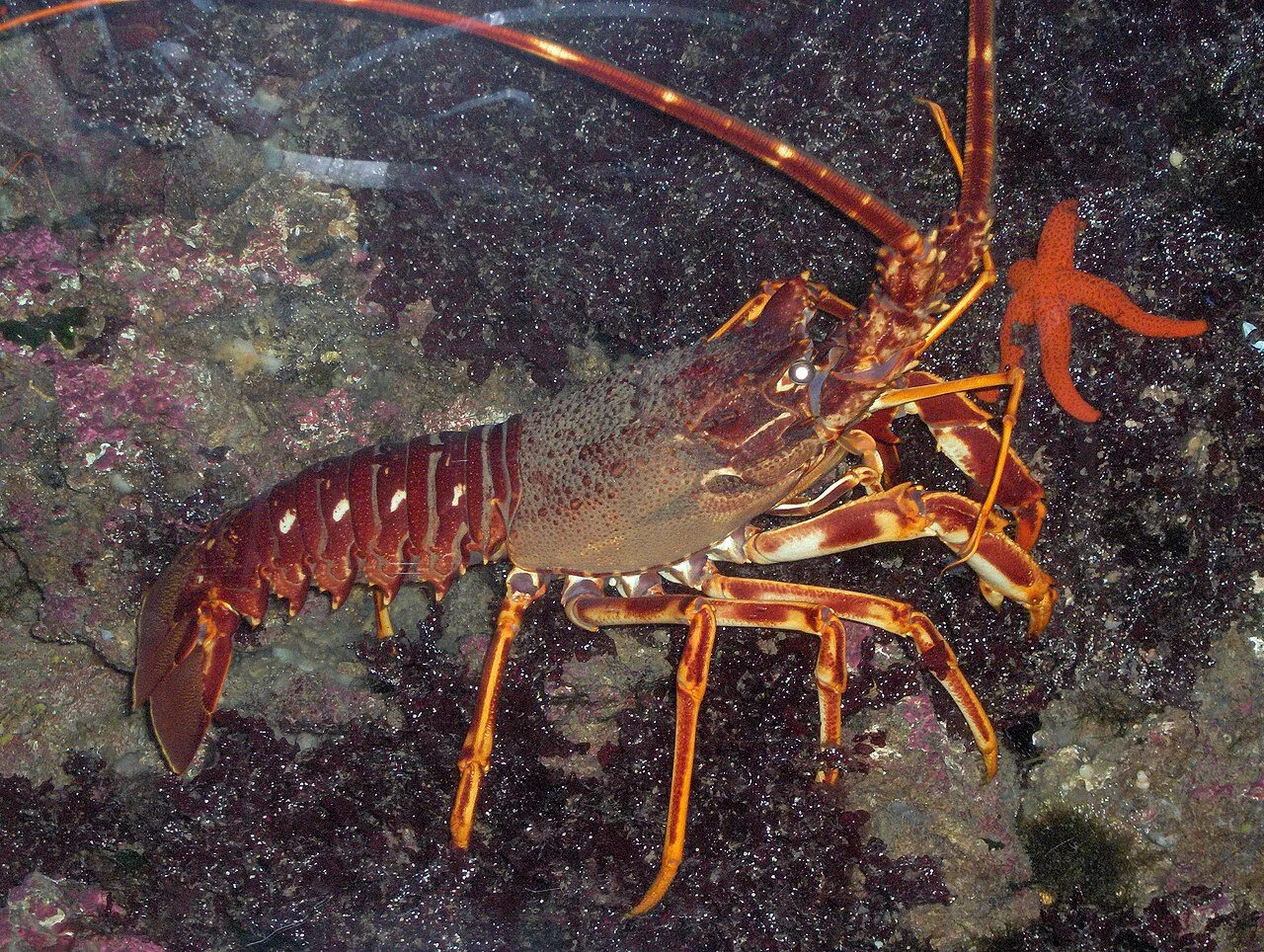
Claws, colour and size. The European lobster has two big claws, one blunt and built for crushing and the other sharper and smaller for slicing.
The species is not the American lobster, Homarus americanus, which is a different animal from the western Atlantic. A Croatian kitchen serving local catch is serving Homarus gammarus, so judge it against European lobster you may have eaten in the UK rather than against a Maine lobster roll. That matters for expectations: the claws are large and the meat is dense, and the body carries less meat than a big-clawed American specimen of the same length.
Why it is scarce and prized
Lobsters grow slowly and live a long time, which is the heart of the supply problem. One marine institute notes that some individuals reach more than 60 years of age, and that it can take four to ten years to reach the minimum legal size of 88 mm carapace length, depending on growth rate. A fishery that removes animals before they have bred many times is working through a slow-renewing stock.
The animal was once little appreciated and is now a luxury food, a shift that has made it increasingly rare according to the Biarritz aquarium's species page. That history explains the price on a Croatian menu better than any single number could. Treat lobster as an occasional splurge rather than a cheap coastal staple, and budget for it before you sit down.
How it lives on the Adriatic seabed
European lobster is nocturnal and territorial, living in holes, burrows or crevices on hard rocky ground and compressed mud from the lower shore down to about 60 metres. It hunts mainly at night and can roam several kilometres from its burrow in search of food, eating crabs, molluscs, sea urchins and fish. The rocky bottom that suits the animal is also what makes it hard to catch.
Because the habitat is rough and the animals are solitary and aggressive towards each other, pots suit them better than nets. Pots are baited and left to soak, often for a day at a time, then lifted and the catch sorted; undersized animals go back. For a diner this means landings are small and irregular rather than a steady commodity, and a konoba that has lobster on a given evening may have bought only a few.
Claws, colour and size
The European lobster has two big claws, one blunt and built for crushing and the other sharper and smaller for slicing. The shell is blue or navy on top with a lighter underside tinged orange, and the long antennae probe the surroundings while the short hairy pair carries most of the animal's sense of smell. A live lobster in a tank should look dark blue, not brick red; the red comes with cooking.
Sizes vary widely. The Biarritz aquarium gives a maximum of about 65 cm, while the Norwegian institute puts the usual maximum around 50 cm and notes that specimens over 35 cm are rare. A very large lobster is unusual rather than routine, so a menu advertising an enormous one deserves a question about where it came from.
Colour variants exist: bluish, brownish, reddish and white lobsters are occasionally seen, often with pale markings near the eyes and mouth. A blue lobster is a colour form of the same species, not a different creature, and it is not a reliable guide to how the meat will taste. Ask what you are being charged and let the cooking, not the shell, decide the meal.
Why lobster is sold by weight
Lobster is sold by weight because no two animals are alike and the edible yield shifts with size and shell condition. The practical implication is simple: the figure you agree is per kilogram, so the final cost depends on the animal chosen for you. Ask to see the lobster before it is cooked and confirm the weight and the total in euros, not just the headline rate.
Shell condition matters too. Lobsters must shed their exoskeleton to grow and are soft-shelled and vulnerable for several weeks afterwards, so a newly moulted animal carries less meat for its size than a hard-shelled one. That is one reason two lobsters of the same weight can eat differently, and why a kitchen that knows its stock is worth trusting over a tank that simply looks impressive.
What to expect on the plate
The usual treatment is plain: boiled or grilled, Split, and served with lemon and olive oil. Good Croatian cooking does not bury lobster in cream or heavy sauce, and the simplest version is the best test of freshness. Ask for it grilled if you want a little char, or boiled if you want the cleanest taste of the meat.
Expect a bib, a pick and a fair amount of work; the reward is in the claws and the tail. A green salad, blitva with potatoes or bread with olive oil are the usual accompaniments, and a glass of a dry white is the moderate choice. If the kitchen offers a pasta or risotto built on lobster, that is a different, cheaper proposition and worth asking about separately.
Lobster against langoustine, scampi and crab
Lobster is the top of the local shellfish ladder, and it is priced like it. Scampi, the Adriatic langoustine, are much smaller and appear far more often on konoba tables, often cooked buzara-style in white wine, garlic and breadcrumbs. A plate of scampi or a mussel buzara gives you the same shellfish character for a fraction of the outlay.
Crab is a middle option, usually served as a salad or picked into a starter rather than as a main event. Octopus salad and fried small fish such as girice are the everyday alternatives that fill a coastal table without a by-the-kilo negotiation. If lobster is the point of the meal, keep the rest of the order modest and spend where it counts.
How it is caught and what that means for supply
Lobsters are fished with baited pots set in fleets on the seabed and marked with buoys, a method that targets rocky ground where the animals live. The soak time matters: leave pots too long and bait runs out, with more risk of fighting and predation among the trapped animals. That is a welfare as well as a quality concern, and it is a reason small-scale potting produces better specimens than gear left unattended.
The upshot for a visitor is unpredictability. Supply along the Croatian coast depends on small landings from rough ground, and a restaurant may not have lobster every night. If lobster is the reason for the booking, say so when you reserve, then check the weight and price on the day.
Should you order Adriatic lobster?
Order it if you want a slow, hands-on meal and are willing to agree a weight before cooking; skip it if you want value, and take scampi buzara or a plate of girice instead. The species is the same European lobster you may know from home, so the Croatian setting is about the simplicity of the cooking rather than a different animal.
Explore more Croatia guides
Sources
Notes on eating well in Croatia
Optional updates to our food guides.
You might also like



Continue reading
More guides you'll find useful





