
Brancin: Croatia's Sea Bass and How to Order It
Brancin is the Adriatic sea bass served across Croatia, usually grilled, baked or in salt. Learn what it is, how wild differs from farmed, and how to order it.
On this page
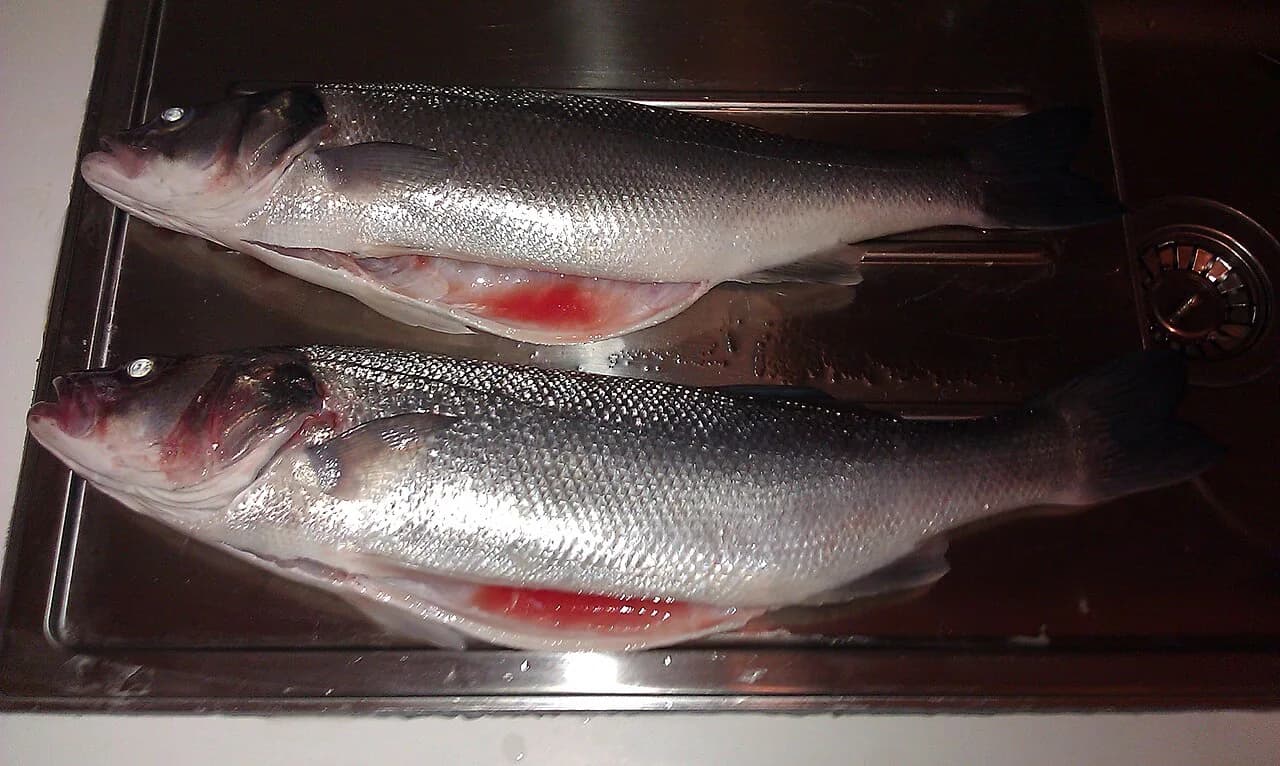
Brancin is the Adriatic sea bass, a white fish with firm flesh and a mild flavour that suits almost any cooking method, which is why it appears on menus across Croatia. If you see it listed as brancin, you are looking at sea bass; the two names mean the same fish and the menu will usually offer it by weight. This guide covers how a whole fish is sized and priced, and which cooking method to choose.
Its mildness makes it a sensible pick for anyone wary of fishy flavours, and the flesh stays white and firm with a thin grey line running through it. That gentleness is why Croatian kitchens rarely overwhelm it with heavy sauces, so the fish itself has to be good.
What brancin is: the Adriatic sea bass
Brancin is a white fish found and farmed in the Adriatic, with firm, clean-tasting flesh and a mild flavour. Its versatility is the point: it works grilled, baked, poached, cooked in soup, or served raw as a carpaccio or tartare. Croatian fishermen can take it all year, which is why it turns up so reliably on menus.
If you meet the Italian name or the Latin one, it is still the same fish: branzino in Italian restaurants, Dicentrarchus labrax in a more technical context. The Croatian menu word is brancin, and it is one of the most common white fish you will be offered.
Wild or farmed: what the price gap buys you
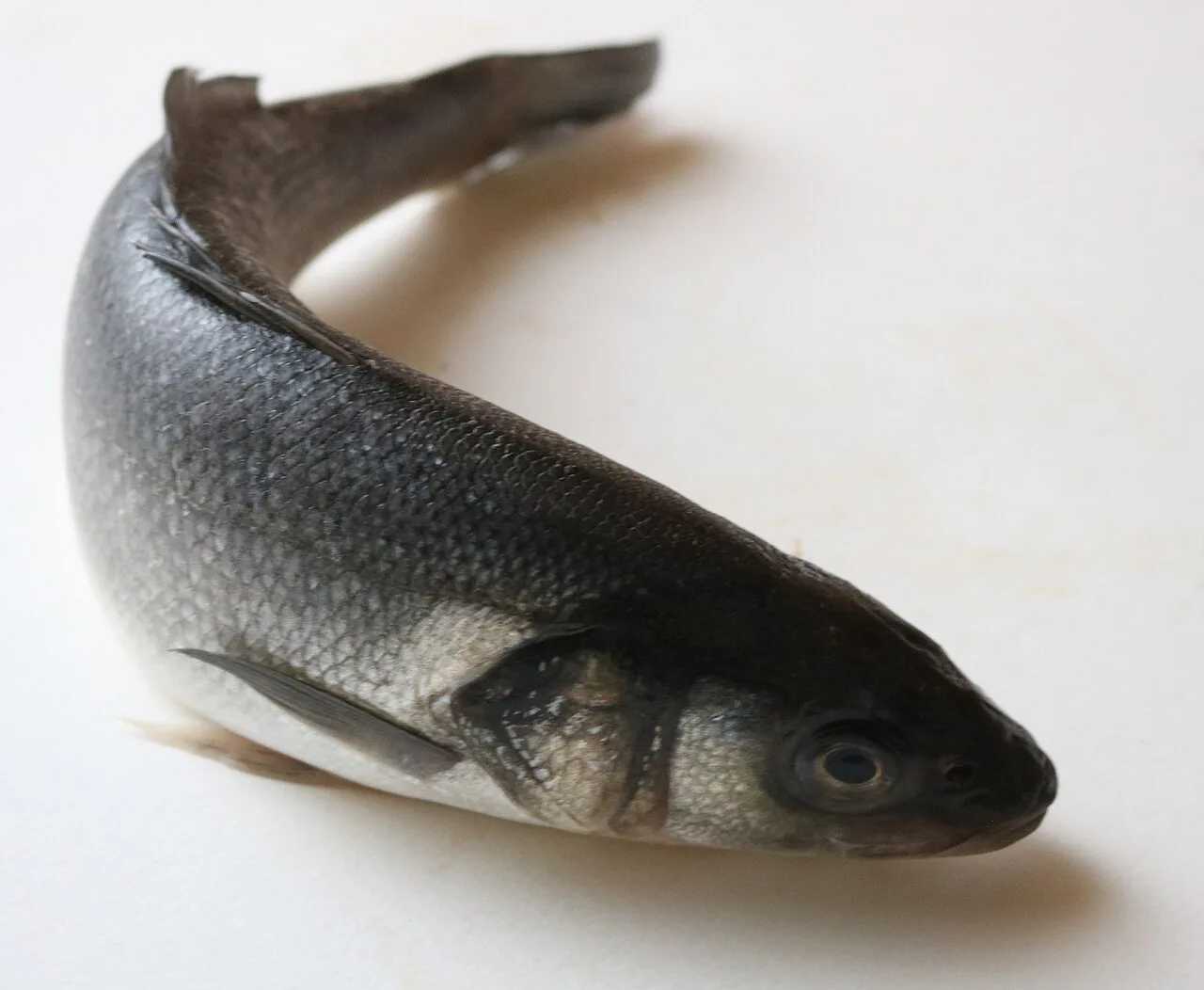
Farmed brancin is the everyday fish on Croatian menus and in fish shops, usually sold as portion-sized fish of roughly 300 grams, though larger ones can reach around 2 kilograms. Wild brancin is generally considered better tasting, and that reputation shows in the price, which for a wild fish can be up to three times that of a farmed one. In fishmongers, farmed brancin is the normal, affordable choice, while wild fish is a deliberate upgrade.
Is brancin the same as sea bass? Yes. Brancin is the Croatian name for the Adriatic sea bass, the same fish that appears as branzino on Italian menus.
Is wild brancin better than farmed? Wild brancin is generally considered better tasting, and it can cost up to three times as much as farmed fish. Farmed brancin is usually sold as a portion fish of around 300 grams and is the standard order in most konobas.
Can you eat brancin raw? Brancin can be served raw as a carpaccio or tartare, and it appears that way in some Croatian restaurants. Order it raw only where the kitchen prepares it to order and the fish is clearly fresh, since raw fish carries more risk than cooked.
How the fish was caught matters to some diners. Line-caught fish is thought to have firmer, better flesh, because the fish fights the line rather than tiring in a net. Whether you can taste the difference is a matter of debate, so if the menu charges more for wild brancin, ask which it is and decide whether it is worth it to you.
For a first brancin, the farmed portion fish is a sensible order and the version most konobas will serve. Farmed quality depends mainly on clean water and good feed. Go for the wild fish when the restaurant presents it as a whole fish to weigh and you are happy to pay for it.
Size and portion: what a 300 g fish means
On Croatian menus, fish is usually a whole fish, not a fillet, so the number you see refers to the fish on the bone. The familiar 300-gram portion fish is the standard single serving of brancin, and larger farmed fish can reach around 2 kilograms. If you are ordering a whole fish to share, or a bigger wild fish, expect it to be weighed before it goes on the grill.
A whole fish looks daunting if you are used to a neat fillet, but it is straightforward to eat: lift the top fillet away from the spine along its length, then turn the fish over for the second. A 300-gram fish gives a modest, complete plate, especially once you add potatoes or blitva, the Croatian Swiss chard and potato side. Two people sharing a larger fish with a couple of sides is often the better table plan.
How brancin is cooked in Croatia
Grilled over charcoal and simply seasoned is the classic way to serve brancin, and it is the order to start with if you want to judge a kitchen. Baking in a hot oven is the other standard method; a home recipe seasons the fish with garlic, lemon and rosemary inside the belly and drizzles it with olive oil before it goes into the oven. Both methods keep the flesh moist and leave the flavour clean.
Baked in a salt crust is the more theatrical option, where the fish is sealed in coarse salt and baked whole. The crust is cracked open at the table, and the fish inside stays juicy. It is the choice for a celebration, or when a konoba, the traditional tavern, has a whole fish worth showing off.
Poached brancin, served in broth or with a lighter sauce, is the gentlest treatment for anyone who finds grilled fish dry. If you see it listed as poširan, that is the method; ask what it comes with, since poached fish often arrives with a sauce or vegetables rather than the usual blitva.
Baked brancin with potatoes
Brancin baked with potatoes is a natural pairing on Croatian and wider Mediterranean plates, where the fish sits on a bed of lightly boiled potato with cherry tomatoes, lemon and Mediterranean herbs. The potatoes are part-cooked first, tossed with olive oil, salt and herbs, then the fish cooks on top so the juices run into them. It is a one-dish meal rather than fish plus a separate side.
Look for it as brancin s krompirjem, or simply brancin u pećnici, baked sea bass. The lemon and herbs should be restrained rather than a heavy sauce, and the potatoes should be soft with crisp edges. If you want a single dish that covers fish and side together, this is the one to pick.
How fish is priced by the kilo
Croatian restaurants often price fish by weight, with the kilo price printed on the menu and the actual charge calculated from the fish you are given. A brancin listed at a per-kilo rate will come to less than that figure if the fish is around 300 grams, but a larger whole fish can push the bill up quickly. Ask to see the fish and hear its weight before it goes on the grill, and you can make the calculation yourself.
The wild-or-farmed question is where that kilo price really bites, because wild fish can carry a rate several times the farmed one. If the menu does not make clear which you are getting, say what you want to spend before the fish is chosen. A decent konoba will show you the fish and confirm the weight, which is the moment to agree or switch to the smaller portion fish.
What to order with brancin
Blitva, Swiss chard cooked with potatoes and olive oil, is the standard partner for grilled fish in Dalmatia, and it is what you should order with brancin. Octopus Salad in Croatia also works if you want something lighter alongside the fish. Both are better than chips with a whole fish this good.
To drink, a local white from the coast near where you are eating is the easy choice. Order it by the glass if you are having a single fish, and keep the meal moderate: the point is the fish, not the bottle. Sparkling water and a slice of lemon will see you through just as well at lunch.
Where brancin sits among Croatian white fish
Brancin is one of a group of Adriatic white fish that Croatian menus lean on, alongside orada, gilt-head bream, and škarpina, the scorpion fish. Orada is similarly mild and often grilled whole, so it is the direct alternative if brancin is not available. Škarpina has a firmer, more characterful flesh and is usually the more expensive of the three.
Brancin is also a common base for other Dalmatian dishes; it can be cooked buzara-style, in a garlic, white wine and tomato sauce usually associated with mussels and scampi. If a menu lists brancin na buzaru, you are getting the fish in that broth, which is a good way to eat it if you want sauce with your fish.
For a broader picture of Croatian Seafood, from crni rižot, the black risotto made with cuttlefish ink, to small fried fish, it helps to know how the white fish fit together before you sit down. Brancin is the safest starting point: mild, firm and hard to get wrong.
Konoba or old-town terrace
A konoba, the traditional tavern, is where brancin tends to be simplest: a whole fish on the grill, blitva on the side, and a local white. An old-town terrace a few streets away may serve the same fish with a view and a higher kilo price, particularly in season. The trade-off is atmosphere and convenience against straightforward cooking and a lighter bill.
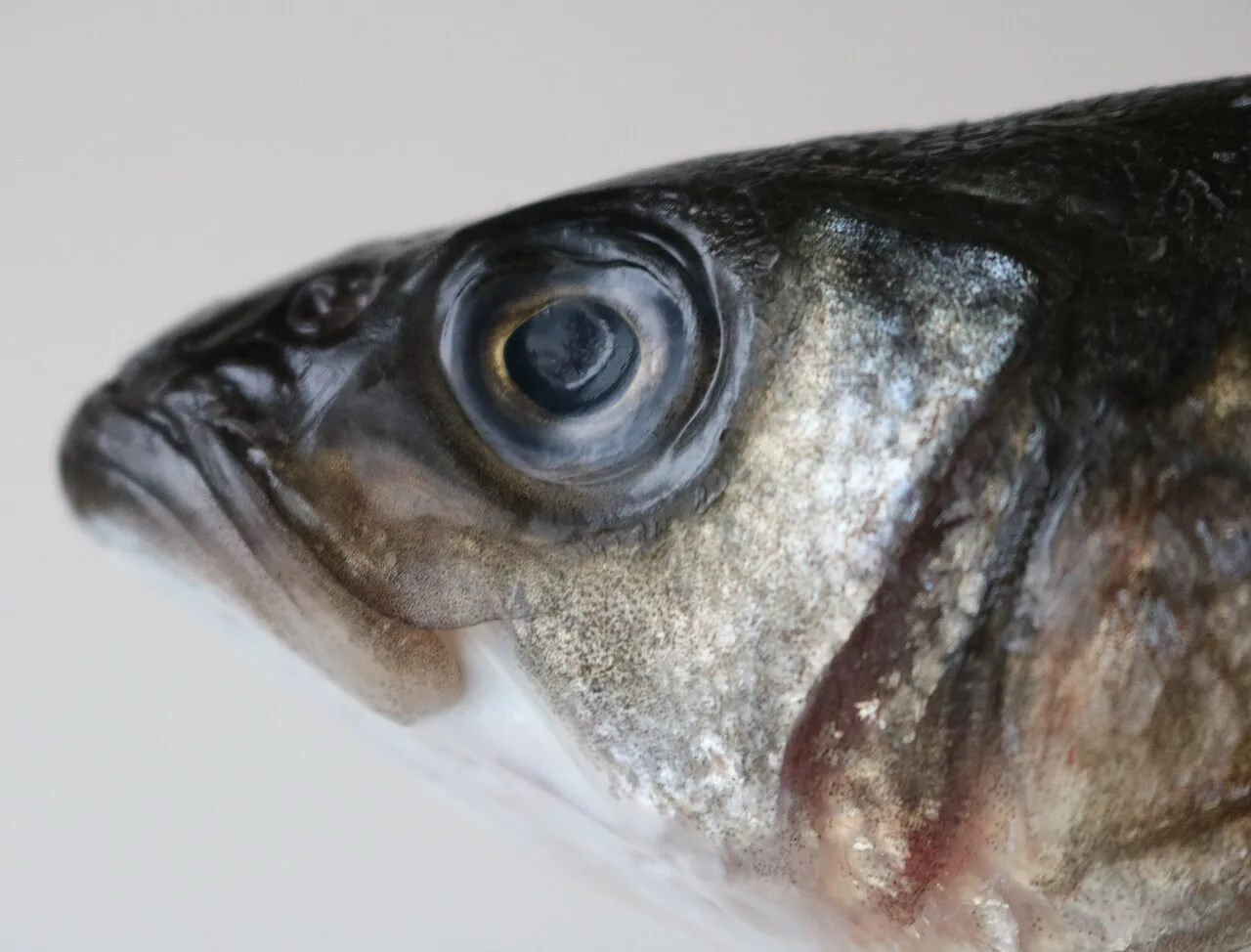
Clear eyes, firm flesh and a clean smell are the signs to look for if the fish is displayed on ice or brought to the table. If a terrace will not show you the fish before cooking, that is a reason to walk on. A good konoba treats the fish as the centre of the meal, and the weighing and the grilling are part of the experience.
Which brancin to order tonight
For most diners, a grilled portion brancin with blitva is the right first order: simple, mild and easy to price. Ask whether it is wild or farmed, and if the fish is weighed, see the weight before it hits the grill. Choose the salt-crusted or potato-baked version when you want something more generous or celebratory.
The one question worth asking at the table is the kilo price and the fish's weight, because that is what decides your bill. Beyond that, brancin rewards the simplest treatment, so look for a kitchen that grills it cleanly and serves it with good olive oil and lemon.
Explore more Croatia guides
Frequently Asked Questions
Is brancin the same as sea bass?
Yes. Brancin is the Croatian name for the Adriatic sea bass, the same fish that appears as branzino on Italian menus. The flesh is white and firm with a mild flavour, which is why it is grilled, baked or cooked in salt across Croatia.
Is wild brancin better than farmed?
Wild brancin is generally considered better tasting, and it can cost up to three times as much as farmed fish. Farmed brancin is usually sold as a portion fish of around 300 grams and is the standard order in most konobas. If you want the wild fish, ask which you are being served before it is weighed.
Can you eat brancin raw?
Brancin can be served raw as a carpaccio or tartare, and it appears that way in some Croatian restaurants. Order it raw only where the kitchen prepares it to order and the fish is clearly fresh, since raw fish carries more risk than cooked.
Sources
Notes on eating well in Croatia
Optional updates to our food guides.
You might also like



Continue reading
More guides you'll find useful





