
Food Prices in Croatia: What Meals and Groceries Cost
What food costs in Croatia, from bakery breakfasts and daily lunch menus to grilled fish sold by the kilo, with coastal premiums and a daily food budget.
On this page
Budget roughly 40 to 70 euros per person per day for food in Croatia if you eat out twice a day, dropping to 20 to 35 euros if you lean on bakeries and lunch menus and rising past 80 euros in Dubrovnik, Hvar or on waterfront terraces. The gap between those bands comes mostly from location, season and whether you order fish by the kilo. This guide breaks down what you pay for breakfast, a daytime menu, pizza and pasta, seafood, drinks and the small extras that land on the bill.
Croatia has used the euro since 1 January 2023, so every figure here is in euros with no conversion to do. Prices have kept climbing since the change: the Croatian Bureau of Statistics figure reported for August 2026 put restaurant and accommodation prices 6.1% higher than a year earlier, which is why bills in the busiest resorts feel sharper than a few seasons ago. Treat the ranges as a planning tool, not a quotation.
What a day of food in Croatia costs
Three bands cover most trips. Budget travellers spending 20 to 35 euros a day eat from bakeries, supermarkets, takeaway counters and one cheap cooked meal. A typical holiday budget of 40 to 70 euros a day buys a café breakfast, a lunch or dinner out and coffee or drinks in between, while premium coastal dining with regular seafood and wine runs to 80 to 120 euros or more.
The middle of that range is corroborated by a separate 2026 cost breakdown, which puts a restaurant meal at roughly 15 to 25 euros per person and a mid-range food and drink day at 50 to 80 euros. The two estimates sit close enough to plan around. Where they diverge is at the top, and that is almost always a sea view or a whole fish.
Bakery breakfast and coffee: the cheapest way to start the day
A pekara (bakery) breakfast is the single best-value meal in the country. A burek, the coiled pastry filled with cheese or meat, or another pastry with yoghurt and coffee typically costs about 3 to 5 euros inland and around 4 to 8 euros in the main coastal resorts. Eat it standing at a counter or on a bench and you have cut the day's first bill to pocket change. Coffee is priced separately and cheaply. An espresso or macchiato runs about 1.60 to 2.20 euros in a budget setting and 2.20 to 3.50 euros in a resort, so the coffee half of breakfast rarely breaks the bank. Self-catering stretches the budget further, and knowing the layout of a Konzum, Croatia's largest supermarket chain, makes a picnic or a fridge-fill quick.
How much does dinner for two cost in Croatia? It depends on the setting and the order. A simple pizza or pasta dinner for two with drinks sits at the cheaper end, while a shared grilled fish priced by the kilo and a bottle of wine pushes the bill much higher.
Is Croatia cheaper than Italy for eating out? Yes, most eating-out costs in Croatia come in below Western European levels, and a restaurant meal averages less than the coastal premium might suggest. The coastal resorts narrow that gap, especially Dubrovnik, Hvar and prime waterfront terraces.
What is the unspoken rule about bread and cover charges in Croatia? Some restaurants charge separately for bread, table setting or small starters brought to the table. Check the menu before eating anything you did not order, and ask whether it is chargeable if you are unsure.
Daily lunch menus: what a gablec or marenda is and what it costs
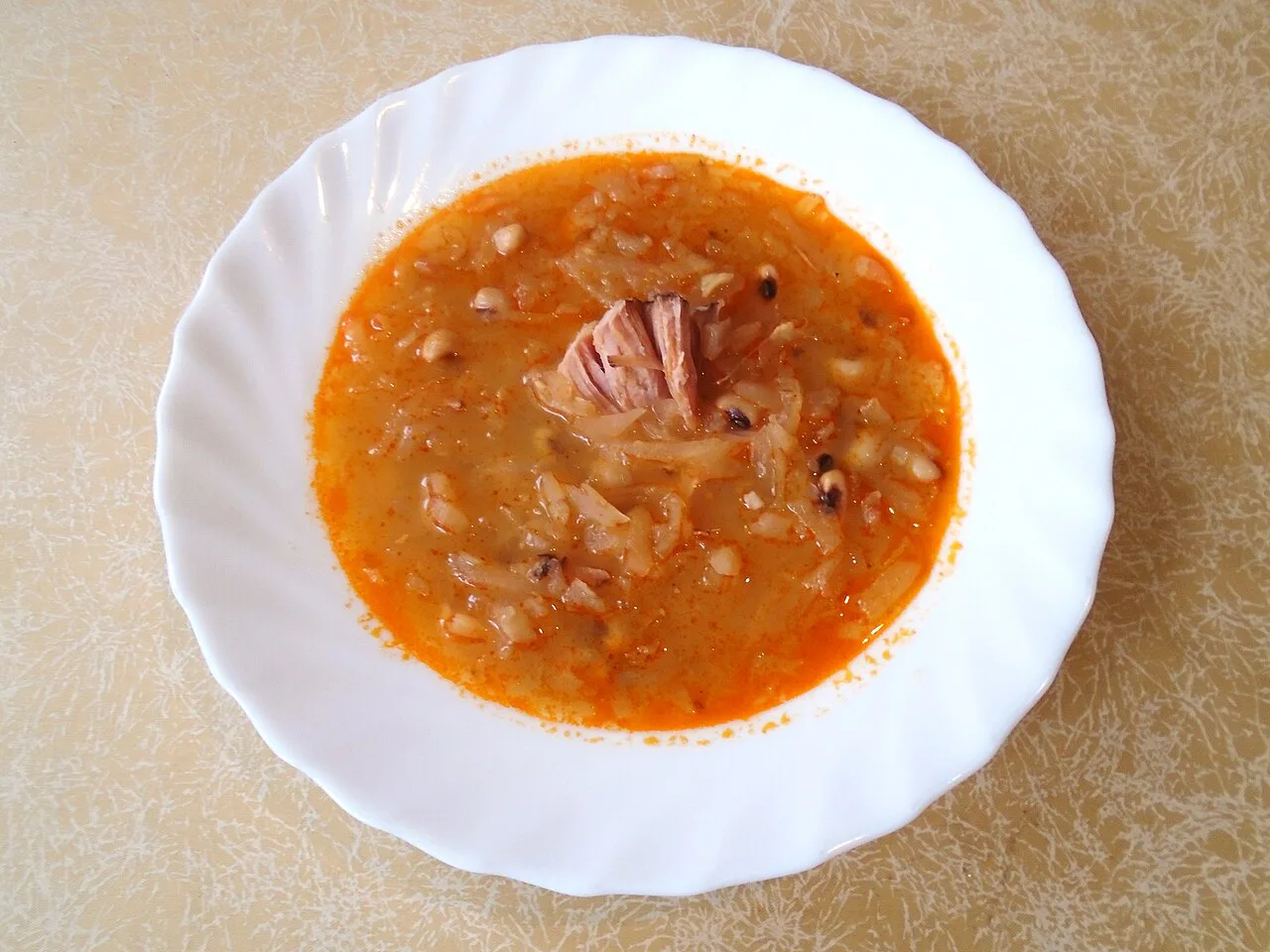
A gablec, or marenda on the coast, is a worker's lunch: a fixed or semi-fixed daytime meal served roughly around lunchtime, usually soup or a simple starter plus a main. It is the biggest lever on a daily food budget because it delivers a proper cooked meal in both budget and resort settings. Order it at lunchtime rather than in the evening, when the same kitchen charges à-la-carte prices.
Look for the menu written on a board outside rather than the printed card inside. The konoba is the natural home for this kind of cooking, and it suits anyone eating on a schedule or on a budget. The point is value rather than a long sitting, so it fits neatly between a morning swim and an afternoon on foot.
Main courses: pizza, pasta and simple plates inland versus on the coast
A large pizza is cheaper in Zagreb or inland Croatia than in Split, Dubrovnik and the islands. Pasta and simple grilled plates track the same difference. Inland restaurants in Zagreb, Slavonia and smaller towns often serve filling lunches or simple mains, with the daily menu usually undercutting the evening card. The inland-coast gap widens with the dish. A casual meal in Zagreb can easily cost more in Dubrovnik for the same plate. If your trip mixes both, plan the bigger meat and stew dishes inland and keep coastal meals simple, or budget for the premium knowingly.
Grilled fish and seafood: why the price jumps and how fish is sold by the kilo
Seafood is where Croatian bills surprise people. Fish prices are quoted by the kilo rather than as a fixed plate, so the final price depends on the weight of the fish you choose; ask for the weight and the kilo price before it goes on the grill. As a planning guide, sea bass or bream runs roughly 45 to 65 euros per kilo in 2026 estimates, which makes a single fish a serious share of the day's budget. For fixed prices, grilled squid (calamari) is the easier order: about 20 to 28 euros in a budget setting or away from prime tourist zones, and 28 to 45 euros in premium coastal spots. A peka, the domed-lid lamb or octopus baked under coals, is priced per person and needs at least two diners, at roughly 25 to 35 euros each.
Pašticada, the Dalmatian beef stew braised with wine and dried fruit, is a fixed-price plate at roughly 16 to 22 euros and a sensible order if you want a traditional main without the kilo risk. It also shows how Croatian cooking splits between the Adriatic coast and the inland kitchen, where simpler meat and stew dishes are often a few euros lighter on the bill.
Eating out in Dubrovnik, Split and Zagreb: how the same meal prices differ
Dubrovnik's Old Town, Hvar and prime waterfront terraces top the national price table. Walking 10 to 15 minutes away from the busiest promenades usually finds better-value cooking: in Dubrovnik, Gruž and Lapad are cheaper than inside the city walls, and in Split the neighbourhoods outside the historic centre undercut the streets around the palace.
Zagreb is the value end of the big three. The city's cheaper everyday eating, plus inland Croatia generally, means a city break there costs noticeably less per meal than the coast in July and August. If your itinerary covers both, front-load sit-down dinners in Zagreb and keep coastal days to lunch menus and one fish supper.
Konoba versus waterfront terrace: what the location premium buys you
The same fish can cost 30 to 40 percent more at a table with a sea view than at a side-street konoba a few minutes inland. What the premium buys is the setting, the passing trade and the rent behind it, not a better kitchen. Deciding which konoba you want on a given evening is the simplest way to control the food bill without eating badly.
Season matters as much as postcode. July and August waterfront tables sit at the top of every range, while shoulder-season travel and local lunch menus pull costs down sharply. A late-September trip with the same restaurants open and fewer people competing for the view changes the arithmetic more than any single menu choice.
Beer, wine and soft drinks with a meal
Drinks quietly set the final bill. A half-litre of draught beer costs less in a budget setting than in a resort, and a bottle of house wine costs less for the basic bottles than for the better bottles. A glass of local wine is typically available.
Tap water is safe to drink and asking for obična voda, plain water, is normal and cheap. Wine is best treated as an accompaniment to the dish rather than the point of the meal, and a house carafe shared between two keeps the spend modest.
Cash, card and tipping: what to expect at the table
Cards are widely accepted in cities and resorts, but not guaranteed at every small café, bakery or market stall, so keep some euros in cash. If a terminal offers to charge you in your home currency, choose euros instead and let your bank do the conversion.
Tipping is voluntary rather than a fixed percentage: rounding up the bill, or leaving roughly 5 to 10 percent for very good service, is common practice. Watch the cover charge too, since some restaurants bill separately for bread, table setting or small starters placed on the table, so check the menu before you eat what arrives unasked.
A realistic daily food budget for a week in Croatia
For a seven-day trip, pick your band and multiply. A budget week on bakery breakfasts, supermarket lunches and daily menus is the lowest band; a typical holiday week is the middle band; a premium coastal week with regular fish and wine is the highest band. Add a margin for one or two bigger dinners.
The practical levers are the same everywhere: use the gablec or marenda at lunch, keep coastal dinners simple, ask the kilo price on fish before ordering, and drink house wine or beer with the meal. A mid-range weekly figure for food and drink fits the daily figure used in estimates.
If you want to cook or picnic part of the week, a market stall is cheaper than any restaurant for produce, cheese and cured meat. Prices are usually per kilo and the morning is when the choice is best, so shop before lunch rather than after the day's cooking is done.
Which food budget fits your Croatia trip?
Pick your band before you book anything else. If cost matters most, build the trip around bakery breakfasts, lunch menus and inland towns. If you want the coastal experience without the shock, keep one sea-view dinner and make the rest of the week konoba lunches and simple plates.
Either way, the three decisions that move the total most are lunch format, fish by the kilo and where you sit. Settle those and the rest of the bill follows.
Explore more Croatia guides
Frequently Asked Questions
How much does dinner for two cost in Croatia?
It depends on the setting and the order. A simple pizza or pasta dinner for two with drinks sits at the cheaper end, while a shared grilled fish priced by the kilo and a bottle of wine pushes the bill much higher. Ask the kilo price on fish before ordering, and pick a side-street konoba over a waterfront terrace to cut the total.
Is Croatia cheaper than Italy for eating out?
Yes, most eating-out costs in Croatia come in below Western European levels, and a restaurant meal averages less than the coastal premium might suggest. The coastal resorts narrow that gap, especially Dubrovnik, Hvar and prime waterfront terraces.
What is the unspoken rule about bread and cover charges in Croatia?
Some restaurants charge separately for bread, table setting or small starters brought to the table. Check the menu before eating anything you did not order, and ask whether it is chargeable if you are unsure.
What is the price of a beer in Croatia?
Draught beer sits at the lower end inland and climbs on the islands and waterfront terraces. Menus display the figure, so compare the half-litre price before you order a round.
Sources
Notes on eating well in Croatia
Optional updates to our food guides.
You might also like



Continue reading
More guides you'll find useful





