
What Is a Konoba? A Practical Guide to Croatia's Taverns
A konoba is Croatia's traditional tavern: a simple, family-run place for grilled fish, seafood and local wine. Here is what to expect and how to choose one.
On this page
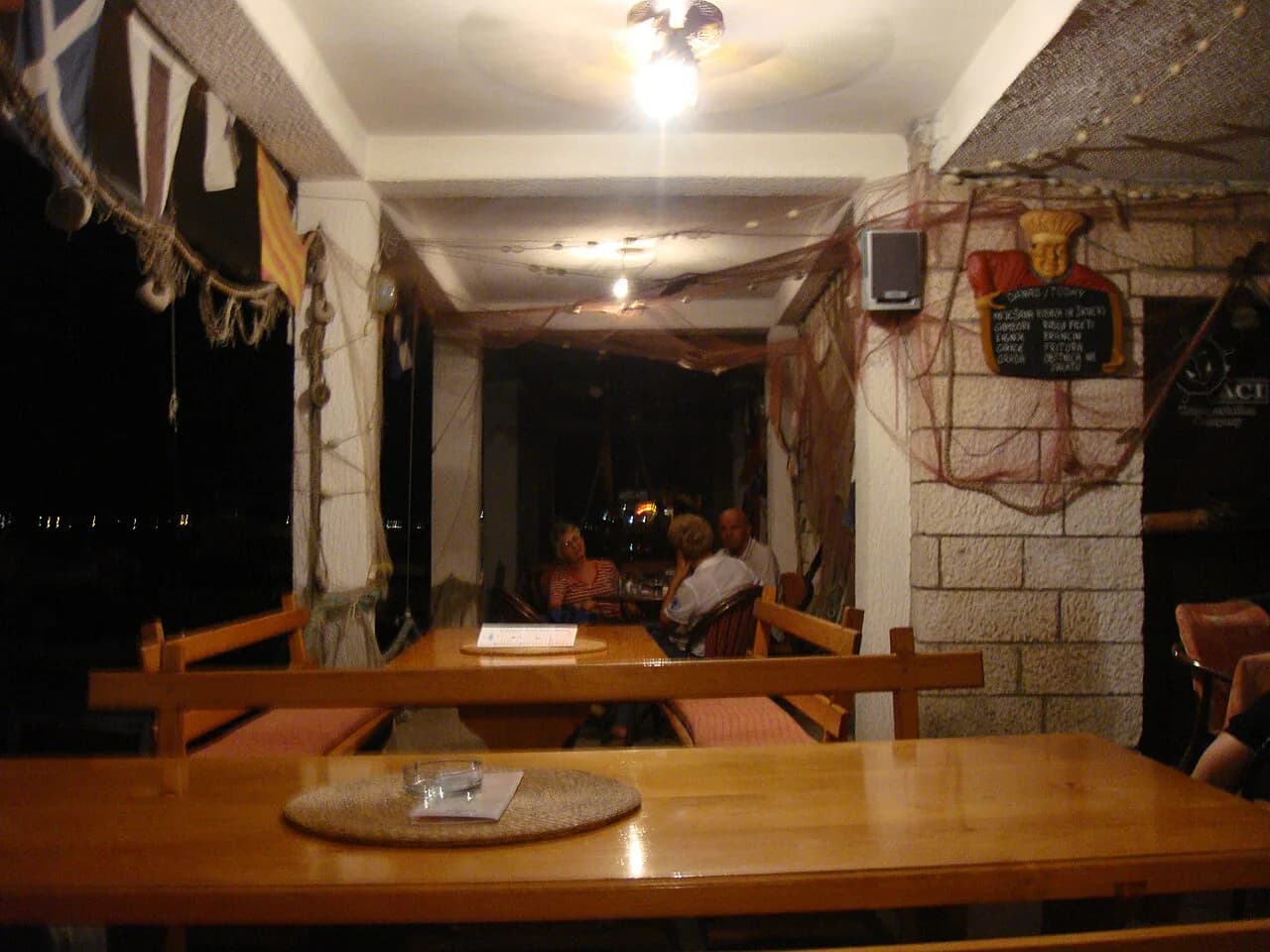
A konoba is Croatia's traditional tavern, and the word comes from the room in a Dalmatian house where a family kept its wine, oil and produce. That origin explains the atmosphere: the best konobas feel like someone's dining room rather than a restaurant with a printed menu. This guide explains what a konoba serves, how fish is priced and ordered, and how to pick between a village konoba and a harbour terrace.
What a konoba actually is
The name began as a storage room, which is why a konoba reads as domestic rather than designed. Time Out describes the konoba as the place in a Dalmatian house where people kept wine, oil and anything else they produced, and treats the tavern as a natural extension of that room.
In everyday use the term now covers a tavern, the Croatian equivalent of an Italian trattoria or a French bistro. That comparison is a useful shorthand: the cooking is regional, the setting is plain, and the menu tends to follow what is available rather than a fixed card.
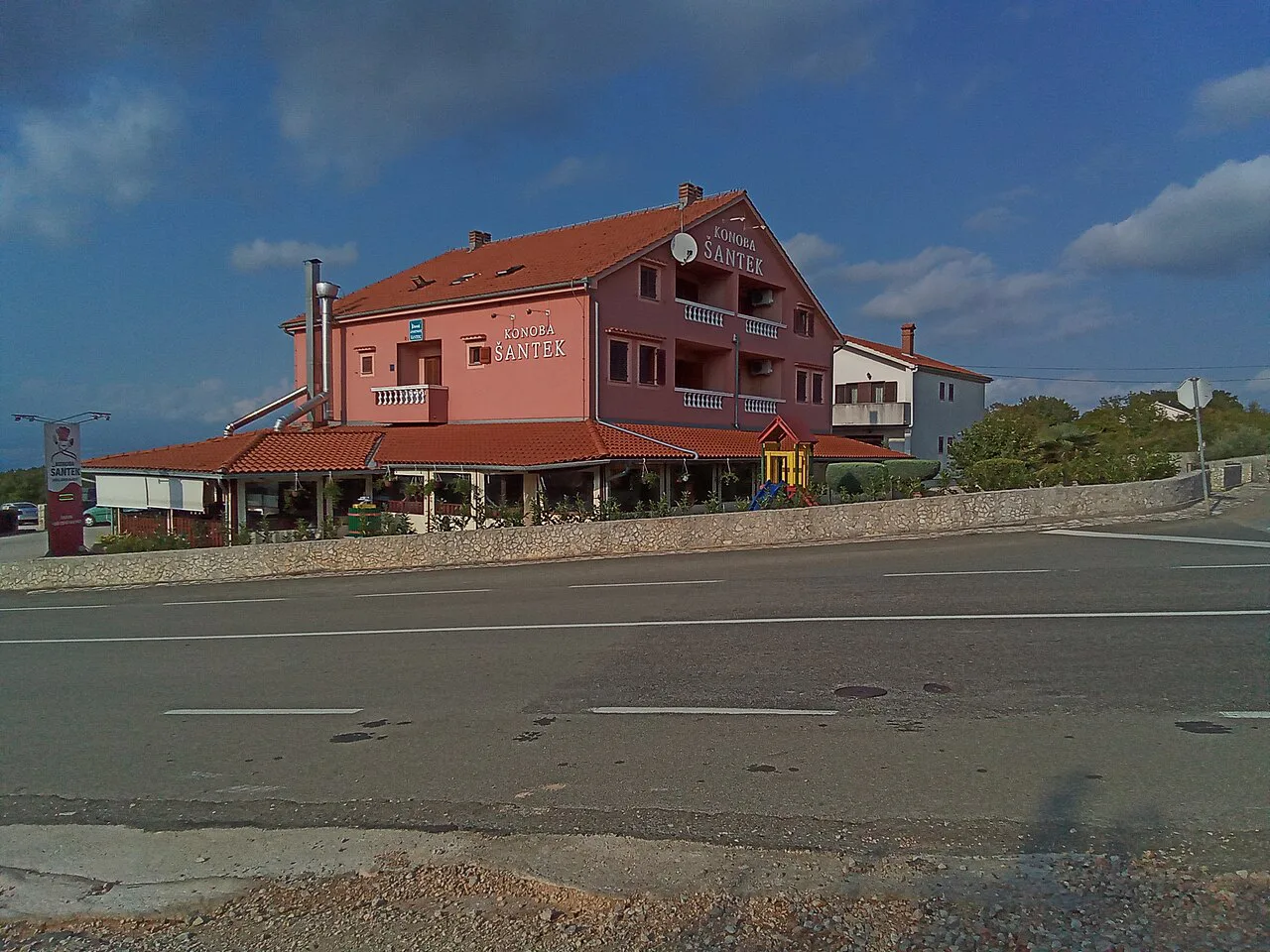
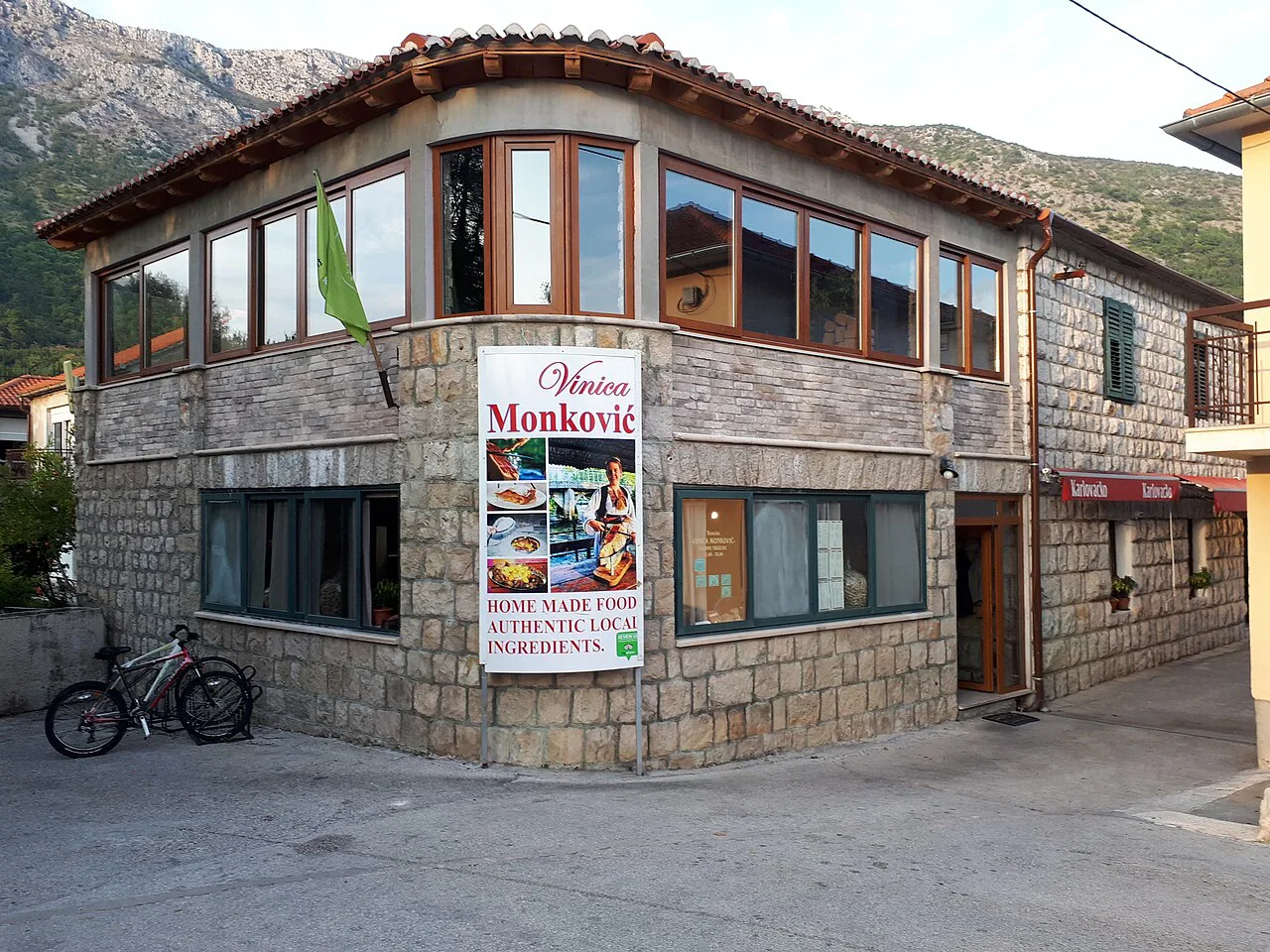
You will meet the word across Dalmatia and the islands, and it does not carry a formal grading. A konoba can be a ten-table room in a stone village or a waterfront spot with a view, so the label tells you about style rather than standard. For the wider picture of how eating out works across the country, the guide to restaurants in Croatia sets konobas alongside pekaras, slastičarnicas and cafés.
How a konoba differs from a restaurant
The clearest difference is the menu. Konoba in Vranjic, the village on the peninsula between Split and Solin, was opened in 2015 by Davor and Nataša Grabovac in the space of the former Konoba Mala Venecija, and it runs with no strict menu at all: staff simply tell you what was delivered to the kitchen that day.
What does konoba mean in Croatian? It comes from the room in a Dalmatian house where a family stored wine, oil and other produce. The word now means a traditional tavern serving simple regional cooking, usually fish and seafood in Dalmatia, in a domestic setting rather than a formal restaurant.
Do you need to book a konoba in Croatia? For dinner in July and August, yes, especially at small konobas with only ten or so tables. A morning call on the day is often enough midweek, but book a few days ahead at weekends or for a group.
That model works because the owner is often close to the supply. Davor Grabovac also supplies fish to the local market and to other restaurants, so the cooking is pure improvisation shaped by the daily catch. The trade-off is that you cannot plan a specific dish in advance; the reward is that what arrives is what came in that morning.
A konoba's short menu usually means fewer dishes cooked properly rather than a long list cooked quickly. If you want a printed menu, a fixed three courses and a polished room, a conventional restaurant will suit you better. If you want to eat what the kitchen has and talk it through with the staff, a konoba is the right room.
What appears on a konoba menu
Seafood leads. Grilled and fried fish are the staples, and small blue fish such as sardines often appear simply grilled or fried when nothing grander has come in. Dalmatian konoba menus are generally built around fish and seafood, with grilled fish the most common order.
Stews matter as much as the grill. At Konoba in Vranjic the speciality is a conger eel cooked until the flesh turns pale, a version of brodetto, the Croatian fish stew usually made with several kinds of fish, wine, tomato and a little vinegar. It is the kind of dish a konoba does well because it can absorb whatever the boat brought back.
Meat appears too, and it is worth asking what is on that day if you are not a fish eater. Beyond the plate, the quality of what a konoba serves comes down to what the region produces, which the guide to Croatian food culture explains across olive oil, cheese and cured pork.
Ordering fish priced by the kilo
Whole fish is usually sold by weight, and the price of the fish is not the price of the plate. Before anything goes on the grill, ask the weight of the fish in front of you and the price per kilo, then multiply the two so you know what the dish will cost. A fish that looks modest can weigh more than you expect, and a large one can carry a bill to match.
Ask whether the quoted weight is cleaned or as it came off the boat, because the difference changes what you pay for. If you are ordering for two, say so before the fish is chosen: the kitchen will then guide you towards a size that suits rather than the largest specimen in the case.
The same logic applies to shellfish and to anything sold by weight rather than by portion. Grilled vegetables, bread and a salad are usually priced per portion, so those are the stable parts of the bill. If a figure sounds surprising, ask again before the cooking starts rather than after; this is normal practice and no one will be offended.
Ten-table village rooms versus harbour terraces
Small rooms are where konobas are at their most convincing. Konoba in Vranjic seats just ten inside, in a simple, pleasant and intimate setting, with parking between the restaurant and the sea and a bus connection. That scale is why the cooking can follow the catch rather than a stock list.
Harbour terraces in old towns trade that intimacy for the view and the convenience of walking to dinner. You will often pay more for the position, and the menu may be broader and more fixed to keep the terrace turning. Neither is wrong; decide whether you are buying the setting or the cooking, and choose accordingly.
Village settings have their own appeal. Vranjic was once nicknamed Little Venice, and the stone houses, narrow alleys and sunlit waterfront survive between Split and Solin despite the factories and cargo port nearby. A walk through that kind of place is part of the meal, which is rarely true of an old-town terrace.
Choosing a konoba by location
In cities, use the old-town geography to your advantage. In Split, the lanes around Diocletian's Palace hold plenty of konobas and restaurants, and the further you move from the busiest square the more the menu tends to follow local cooking rather than visitor traffic. Walking ten minutes out of the centre often changes the room entirely.
On the coast and islands, the waterfront konoba in a working village is often the best-value choice because the boats land nearby. Look for a short menu, a fish display you can inspect and a room that is busy with local diners early in the evening. Those signs tell you more than a chalkboard of specials ever will.
Location also shapes the bill. Waterfront positions, old-town squares and anywhere with a view carry a premium, while a konoba set back on a village street usually charges less for the same fish. Decide before you sit down which of the two you are paying for.
Booking and timing in high season
Book for dinner in July and August, particularly at small konobas where ten or twelve tables is the whole room. A same-day call in the morning is usually enough for a midweek table, and it also lets you ask what has come in from the boats. For a weekend or a group, book a few days ahead.
Croats tend to eat dinner later than British visitors expect, so a table at seven in the evening is often easier to secure than one at nine. If you want the room at its liveliest, aim for the later slot. If you want the pick of the fish, ask at the start of service rather than the end.
Lunch is the quieter meal at most konobas, and many coastal kitchens run their main service at midday. The daily catch shapes what is available, so the earlier you eat, the wider the choice. If you have your heart set on a particular fish or a stew that needs long cooking, say so when you book.
What to drink with the meal
House wine is the natural partner for grilled fish and brodetto, and most konobas pour a local white or red by the glass or the carafe. Ask what is open rather than reaching for the list. Dalmatian whites suit seafood; a light red works with grilled meat and with oily fish.
Local spirits are usually offered in small measures before or after the meal, and they are strong. A single glass is plenty if you are driving or walking back along dark coastal roads. Keep an eye on how much you drink alongside wine at the table.
Typical spend and judging value
Konobas range from cheap village rooms to harbour terraces with a view, and the bill follows the fish. Rather than hunting for a fixed figure, judge the menu: a short list with a fish display and prices by the kilo is a good sign, while a long list covering pizza, pasta, steak and seafood usually means a kitchen spreading itself thin.
Fixing the cost starts with the weight question. Ask the price per kilo and the weight of your fish, order vegetables and bread per portion, and keep the wine modest. A konoba that tells you the weight clearly and cooks simply is usually better value than one that quotes a single price for a fish plate.
Day-to-day costs are easier to control outside the restaurant. If you are self-catering or packing a picnic, Konzum is the supermarket chain you will see most often along the coast, and it is a practical stop for bread, cheese, olives and water before a long lunch.
Which konoba should you book?
Choose a small village konoba when the cooking matters most, and a harbour terrace when the setting is the point. Either way, ask the weight and the price per kilo before the fish is cooked, and let the daily catch guide your order. That single habit removes most of the uncertainty from a konoba meal.
A final practical point: the guide to tipping in Croatia explains what is customary when you settle up. A modest note on top of the bill is the usual recognition of good service.
Explore more Croatia guides
Frequently Asked Questions
What does konoba mean in Croatian?
It comes from the room in a Dalmatian house where a family stored wine, oil and other produce. The word now means a traditional tavern serving simple regional cooking, usually fish and seafood in Dalmatia, in a domestic setting rather than a formal restaurant.
Do you need to book a konoba in Croatia?
For dinner in July and August, yes, especially at small konobas with only ten or so tables. A morning call on the day is often enough midweek, but book a few days ahead at weekends or for a group. Lunch is usually easier to secure at short notice.
Sources
Notes on eating well in Croatia
Optional updates to our food guides.
You might also like



Continue reading
More guides you'll find useful





