
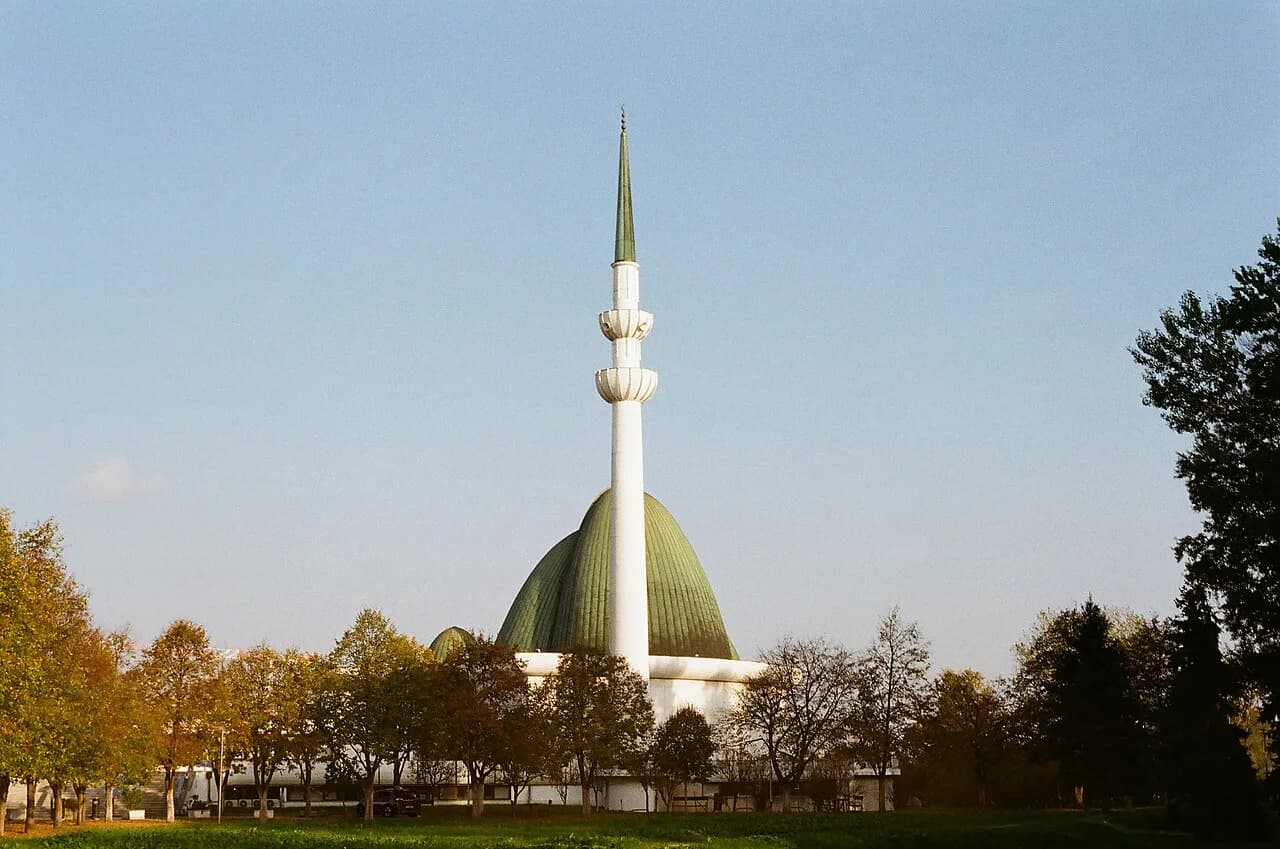
Halal Food in Croatia: Where to Eat and How to Plan Meals
Halal food in Croatia is easiest to find in Zagreb and Split, with certified halal kebabs, falafel and Turkish cooking. Here is how to plan meals.
On this page
Halal food in Croatia is easiest to find in Zagreb, which has the widest choice of halal restaurants of any Croatian city, followed by Split, where at least one kitchen holds a halal certificate. Dubrovnik offers Bosnian cooking near its mosque, while smaller coastal towns lean on seafood, vegetarian plates and pizza. This guide sets out the named venues city by city, the dishes to order at each, and the restaurant habits that matter when you avoid pork.
Croatia uses the euro, so all menus and bills are in euros and there is no currency conversion to think about. Dining out can be expensive, particularly in the summer peak from June to August, when prices rise and Dubrovnik's old town fills up. Planning a couple of self-catered meals into each day keeps the budget steady without narrowing your choices at dinner.
What halal food in Croatia looks like
Zagreb carries the strongest concentration of halal restaurants, with Turkish and Bosnian kitchens among the options. Split adds a certified halal kitchen serving kebabs, falafel and pizza. Outside those two cities, certified halal venues thin out quickly, so most days are built around fish, vegetables and simple pizza rather than a guaranteed halal kitchen.
It helps to separate two things: a venue with a stated halal certificate, and a venue that simply serves dishes free of pork. Only a certificate tells you how the meat was sourced and prepared. Elsewhere, ask directly about the ingredients in a dish and keep to seafood, vegetarian plates and cheese-based pizza when the answer is unclear.
Croatia's long coastline makes seafood the most dependable route for Muslim travellers, since fish and shellfish carry no pork risk. Pair that with the country's strong vegetarian tradition and a Margherita pizza, and you have a workable fallback in almost any town. For more meat-free options across the country, our guide to vegetarian food in Croatia names specific places and dishes.
Zagreb: Turkish and Bosnian cooking
Lokma, on Tkalčića in the upper city, is the Turkish option, with kebab wraps and shish kebabs served alongside fragrant Turkish rice. Its outdoor tables suit a quiet late afternoon, and the street itself is one of central Zagreb's busiest stretches for eating and drinking. Order the shish kebab if you want the simplest plate to read: grilled meat, rice and bread, with sauces on the side.
Taj Mahal Old Town serves Bosnian cooking and draws both local diners and visitors, so arriving early or reserving ahead is the sensible move at peak times. Bosnian plates tend to centre on grilled meat with bread, and the portions are hearty rather than delicate. It is a good introduction to the Balkan cooking that sits just beyond Croatia's own repertoire.
Zagreb's choice extends beyond these two, and the city rewards a little planning before you arrive. Tkalčića and the surrounding streets hold most of the casual options, while the centre is walkable enough to compare a few menus in an evening. If you keep a plant-based eater in the group, the same central streets work well for vegetarian food, and Toto's Burger Bar is one name worth knowing.
Split: the halal certificate at Kebabsito
Kebabsito Split, on Vukovarska ulica, states that its food carries a halal certificate, prepared without pork-derived ingredients and to halal standards. That makes it the clearest certified option in the city for travellers who want the sourcing confirmed rather than inferred. The menu covers beef and chicken kebabs, tortillas, falafel and a range of pizzas with sauces, so a mixed group can order widely from one kitchen.
Order the falafel or a chicken kebab if you want something light before an afternoon on your feet, and share a pizza if the table is hungry. Because the certificate covers the kitchen as a whole, you are not limited to one dish to stay within halal standards. It sits away from the seafront, in the wider city rather than the old town, which makes it a practical stop on a normal day rather than a detour from the sights.
Dubrovnik: Bosnian plates near the mosque
In Dubrovnik, Taj Mahal Old Town sits near the city's mosque, close to the tangle of lanes inside the walls, and serves Bosnian meals. It is popular with visitors and locals alike, and the queue builds quickly, so book or turn up early in high season. Summer in Dubrovnik is the busiest stretch of the Croatian coast, and the old town's restaurants fill accordingly.
Its central position means you can eat here between sights without crossing the city, which matters when the midday heat slows everything down. Portions are generous, so a shared starter and one main each is usually enough. Reserve for dinner in July and August, when walk-in tables inside the walls are scarce.
Coastal and island stops
Beyond Zagreb, Split and Dubrovnik, dedicated halal kitchens are thin on the ground, so build meals around what the coast does well. Grilled fish, shellfish, vegetable dishes and Margherita pizza appear widely, and a simple konoba menu usually has something that fits. Ask about the cooking fat and any cured meat in a dish before ordering, since Croatian cooking uses pršut, a dry-cured ham, as a flavour base in some kitchens.
Seafood carries the least risk and the best quality on the coast, and a plate of grilled fish with chard and potatoes is a complete meal. Vegetarian dishes such as grilled vegetables, fritters and pasta with tomato sauce are easy to find and easy to confirm. If you keep kosher, the same caution around pork does not apply, but shellfish is off the table, so it is worth reading our notes on kosher Croatia before you go.
For anyone avoiding gluten, the coastal emphasis on fish, vegetables and rice dishes helps, though bread arrives with almost every meal. Our gluten free Croatia guide covers what to say and which dishes to lean on. Drinking tap water is safe across Croatia, so fill a bottle rather than buying plastic, and check the Croatian water guidance if you are unsure about a particular region.
Fish by the kilo and other ordering habits
Fish in Croatian restaurants is often sold by weight rather than as a fixed plate, and the price is quoted per kilogram. Ask for the weight before the fish goes on the grill, and confirm how it will be charged, so there is no surprise at the end. This is normal practice on the coast rather than a tourist trap, but it pays to agree the figure out loud.
Bread, olive oil and small plates of olives sometimes arrive without being ordered and may appear on the bill; ask for them to be removed if you do not want them. Card payment is widely accepted in cities, but smaller konobas and island restaurants may prefer cash in euros. Keep some notes on you, particularly outside the main centres.
Budgeting and self-catering
Dining out in Croatia can be pricey, especially in Dubrovnik and on the islands during the summer peak. Self-catering apartments give you a kitchen and a fridge, letting you prepare breakfast and a light lunch and save restaurant meals for the evening. Markets and small bakeries, called pekara, supply bread, cheese and produce cheaply in most towns.
An apartment also solves the halal question at breakfast, when hotel buffets mix pork sausages and cured meats into the spread. Cooking your own eggs, vegetables and bread removes the guesswork. Tourist-board listings for apartments are the most reliable starting point for a town you have not visited before.
Fasting and prayer on long days
If you are fasting, plan the day around a late dinner, since Croatian kitchens serve through the evening rather than at a fixed early hour. Coastal towns are compact enough to return to your apartment between activities, which helps on long summer days. Carry water and dates rather than relying on shops being open on quieter stretches of coast.
Dubrovnik has a mosque near the old town, which makes the Taj Mahal Old Town area a practical base for prayer as well as a meal. In other towns, ask at your accommodation about the nearest prayer space. Build a little slack into travel days during Ramadan, when ferry timetables and heat both eat into the schedule.
Which city should anchor your halal eating plan?
Make Zagreb your base if halal choice matters most, with Turkish cooking at Lokma and Bosnian meals at Taj Mahal Old Town giving you the widest range. Split is the better single-city option if you want a certified kitchen, since Kebabsito states a halal certificate for its whole menu. Dubrovnik works for a short stay built around Bosnian food near the mosque and a booking made well ahead.
On the coast and islands, keep expectations practical: seafood, vegetarian plates and pizza will carry most meals, and an apartment kitchen makes breakfast simple. Where no price or hours are confirmed in advance, ask when you arrive rather than planning around assumptions.
Sources
Notes on eating well in Croatia
Optional updates to our food guides.
You might also like



Continue reading
More guides you'll find useful





