
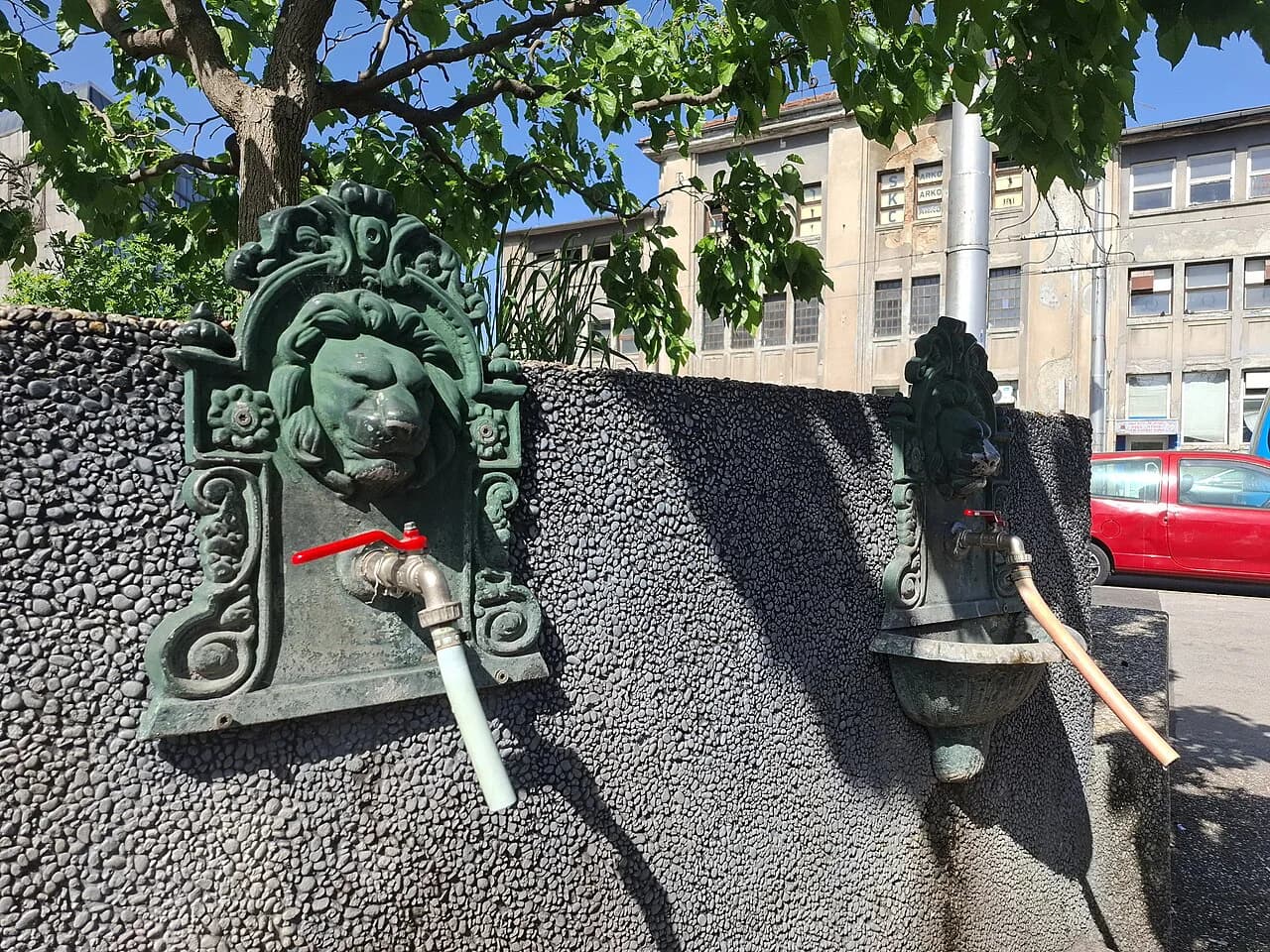
Is Croatian Tap Water Safe to Drink? What to Know
Tap water in Croatia is safe to drink and the country leads the EU for water resources per capita. Here is what that means for meals, jugs and bottles.
On this page
Yes, tap water in Croatia is safe to drink, and you can ask for it from the tap in restaurants and cafés across the country. Croatia also ranks first in the EU for water resources per capita, according to Eurostat figures reported by Croatia Week. This guide explains where that abundance comes from and how to ask for water at the table.
It covers the difference between still and sparkling bottled water, what you may be offered at the table, and the brandies that traditionally close a Croatian meal. It is written for travellers who want to drink well without paying for something the tap already delivers.
Is tap water in Croatia safe to drink?
Croatian tap water is safe to drink, and the Visit Croatia information pages state this plainly. Tap water is safe to drink throughout the country, so asking for it with a meal is straightforward.
The supply is treated as a public health matter, not left to individual venues. Croatia's Ministry of Economy and Sustainable Development has described improving access to drinking water through public supply systems, and adding public water taps in larger towns and municipalities, as an obligation under the EU Drinking Water Directive. The ministry says tap water in Croatia is safe to drink.
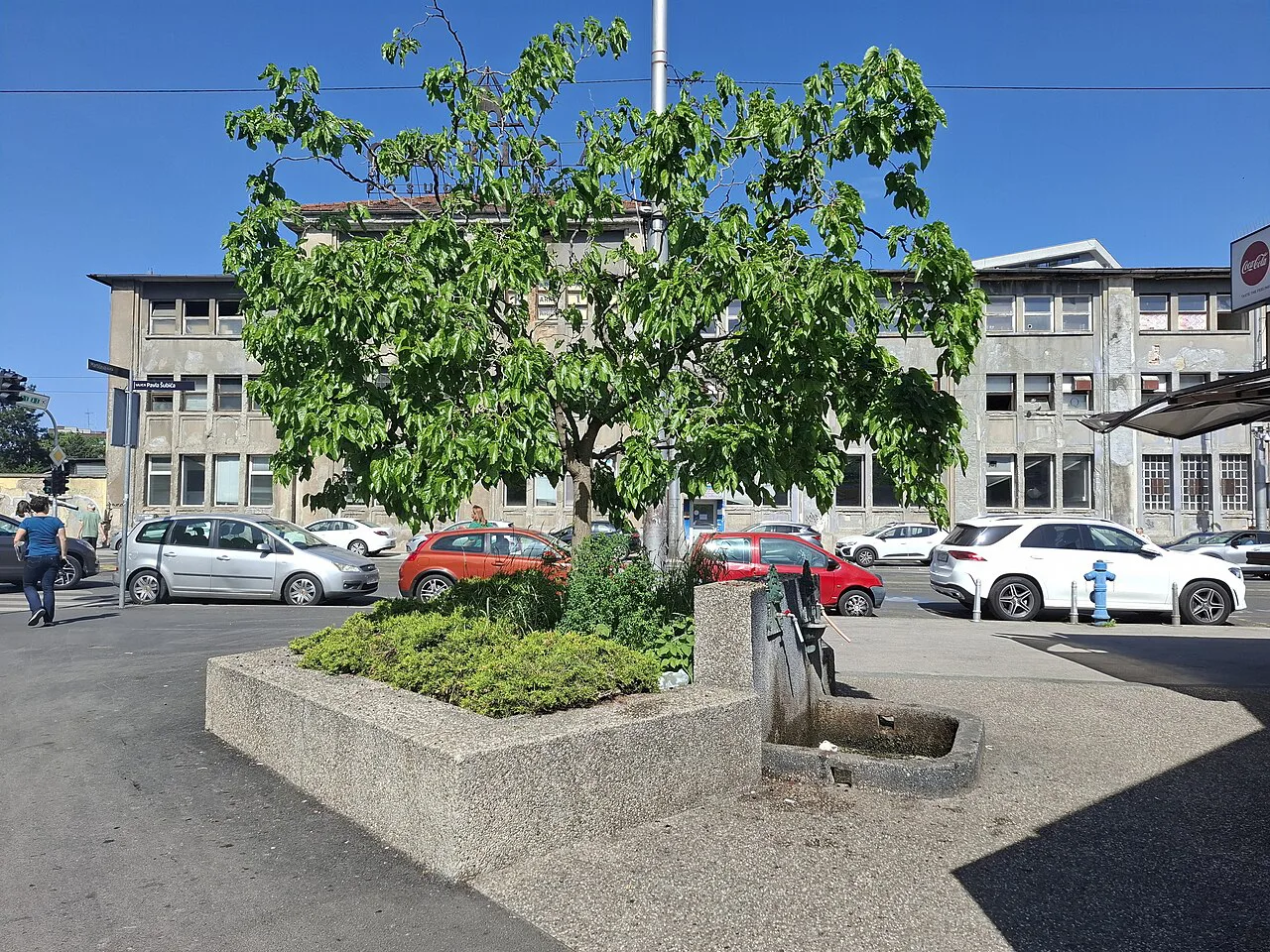
Why Croatian water is so abundant
Worldometer puts Croatia's total renewable water resources at around 106 billion cubic metres a year, and renewable water per inhabitant at roughly 25,000 cubic metres a year. The Croatian ministry's Eurostat-based figure is 30,000 cubic metres per capita, the highest in the EU. On either measure the country sits at the top of the European table for water availability.
Do Croatian restaurants charge for tap water? Practice varies by venue, so it is not possible to say generally. Bottled water appears on the bill.
What is the difference between negazirana and gazirana water? Negazirana means still and gazirana means sparkling. Naming the type you want avoids being handed the wrong one, and the same words work for bottled water in supermarkets.
Is Croatian tap water hard or soft? The sources confirm only that Croatian tap water is safe to drink and that the country is rich in water resources; they do not describe its hardness. Water varies by region, but the safety holds wherever you are.
That abundance is not spread evenly. The ministry notes that Croatia's 22.16 billion cubic metres of renewable groundwater a year are distributed unevenly across space and time, which is why water management matters even in a wet country. A ranking for water resources per capita measures supply, not the quality of any restaurant's cooking.
Long-term annual precipitation of about 1,113 mm feeds Croatia's reserves, according to Worldometer, and that rainfall is the source of the country's plentiful supply.
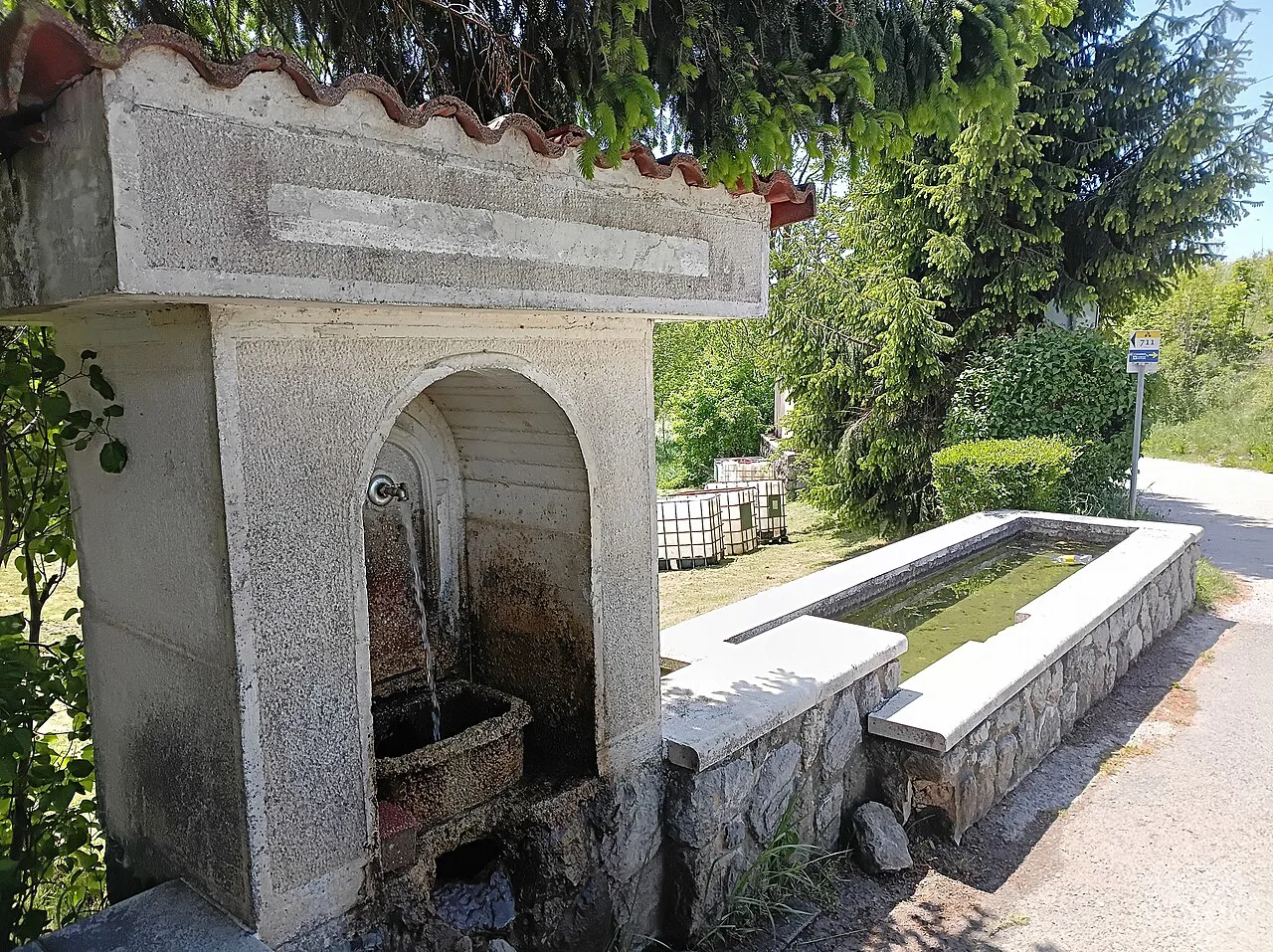
What makes the water clear and good-tasting
The evidence supports safety plainly: Croatian tap water is safe to drink, and the country ranks first in the EU for water resources per capita. What that abundance means at the table is simple — there is no need to buy bottled water to drink safely in Croatia.
Croatia has 94% of its population with access to healthy water from public supply systems, according to the ministry. The weak spot is not the water itself but the network that carries it, where average losses run at around 50%.
Tap water and the Croatian food culture
Croatian cooking leans on simple, fresh flavours, and water is the everyday drink at the table. Fish grilled simply, pršut (dry-cured ham) and sheep's cheese, or a plate of štrukli (baked cheese dough) sit well with a glass of cold water. In a konoba (a traditional tavern), water alongside a bottle of local wine is a natural pairing.
For travellers with dietary restrictions, water is a useful constant. Anyone ordering vegetarian food in Croatia can ask for tap water alongside the meal, and the same holds for Kosher Croatia visitors checking a kitchen's arrangements. What to order beyond the water is the part worth discussing with the kitchen.
Bottled water vs tap water in Croatia
Bottled water is sold widely, still or sparkling. Sparkling is a common choice when you order gazirana voda, so say negazirana if you want it still. The practical case for tap is strong: buying bottles adds up over a week, and Croatia has said it wants public water taps to reduce plastic waste from bottled water.
Croatian water at the table in restaurants and cafés
In most restaurants and cafés, asking for voda may bring a bottle from the fridge or a glass from the tap. Saying 'obična voda, iz slavine' (ordinary water, from the tap) makes the request clear. In summer, led is the word for ice if you want a glass chilled.
Many konobas outside the busiest old-town terraces will put a jug of tap water on the table. Cafés serving coffee often bring a small glass of water alongside it. Coastal konobas often bring water with bread and olive oil before you have ordered.
Water with meals in coastal towns
Water is safe to drink wherever you sit on the Dalmatian coast, whether it arrives chilled or at room temperature. If you prefer it cold, ask for it with ice.
When the meal ends, the traditional drinks are brandies rather than water. Travarica is a herbal brandy and šljivovica is made from plums; both are usually served in small glasses and sipped slowly. One is plenty.
Water for special diets and restricted kitchens
Water is the one thing a kitchen handles the same way whatever the cuisine, which makes it a reliable choice if you are managing a restricted diet. For Gluten Free Croatia travellers, it is safe to drink while you work out which dishes on the menu fit. For Halal Food Croatia visitors, the drink itself raises no issue; the questions belong with the meat and the cooking.
If you are ordering around a dietary need, mention it when you ask for water, since it is often the moment the waiter takes the rest of the order. That gives the kitchen time to flag dishes rather than improvising at the pass. It also helps to know the Croatian words for the ingredients you avoid before you sit down.
Should you order tap water in Croatia?
Yes, it is safe to drink, plentiful and easy to order in restaurants and cafés, so order it by default and save your budget for the food. Bottled water is easy to find when you want sparkling or something cold for the road, but it adds little beyond convenience.
The one habit worth building is saying clearly whether you want still or sparkling, because that is the only decision the table asks of you. Beyond that, refill your bottle and finish with a small glass of travarica if the mood takes you.
Frequently Asked Questions
Do Croatian restaurants charge for tap water?
Practice varies by venue, so it is not possible to say generally. Bottled water appears on the bill. If you want water from the tap, name it when you order rather than leaving it to be assumed.
What is the difference between negazirana and gazirana water?
Negazirana means still and gazirana means sparkling. Naming the type you want avoids being handed the wrong one, and the same words work for bottled water in supermarkets.
Is Croatian tap water hard or soft?
The sources confirm only that Croatian tap water is safe to drink and that the country is rich in water resources; they do not describe its hardness. Water varies by region, but the safety holds wherever you are.
Sources
Notes on eating well in Croatia
Optional updates to our food guides.
You might also like



Continue reading
More guides you'll find useful





