
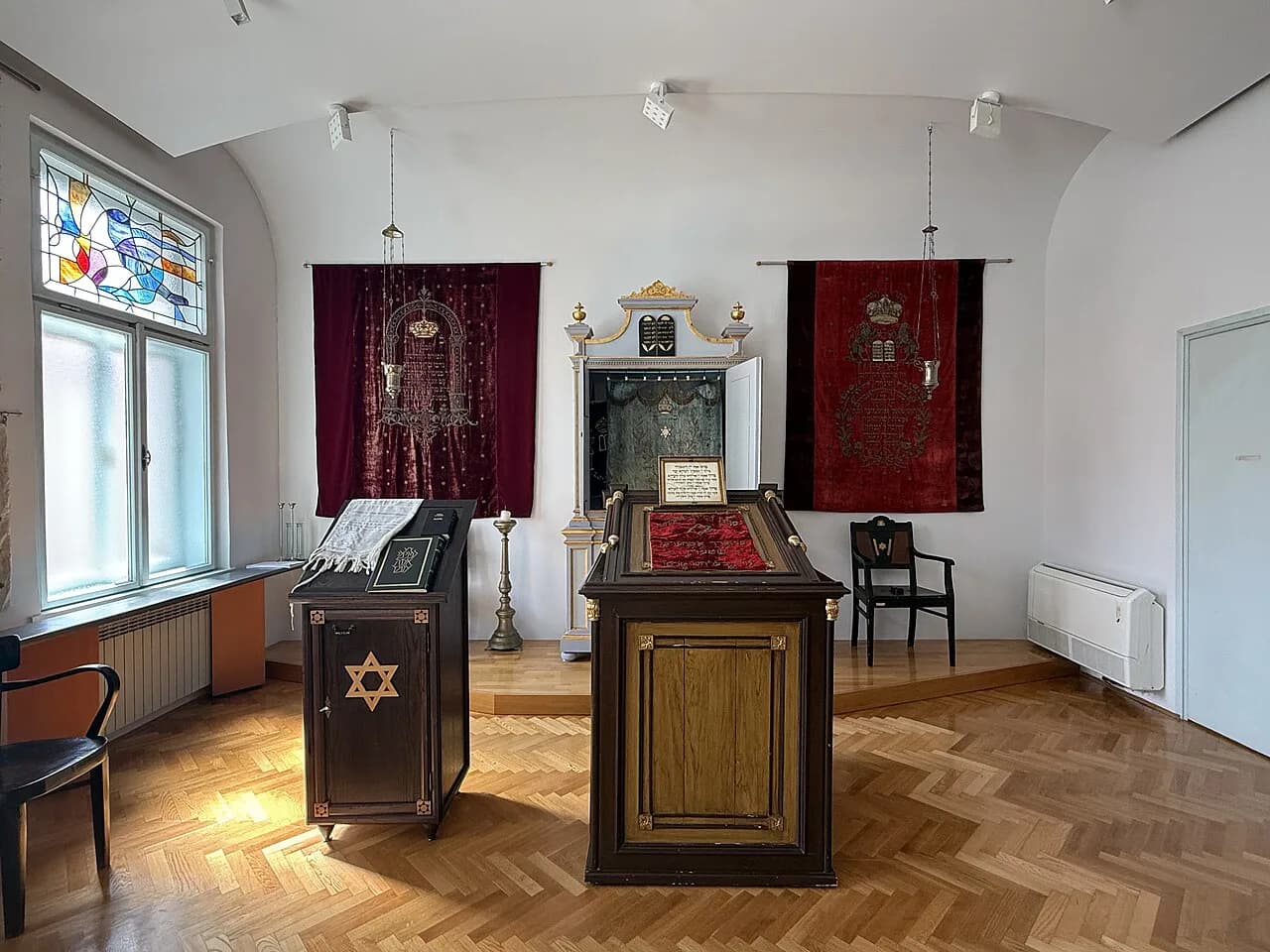
Kosher Croatia: Finding Kosher Food and Jewish Heritage
What kosher food in Croatia really looks like, from Jewish heritage in Dubrovnik, Split and Zagreb to how kosher tours and catering handle meals.
On this page
There is no established kosher restaurant scene in Croatia to plan a trip around, so most kosher visitors eat either from self-catered supplies or through a catered tour. The practical route is to treat Dubrovnik, Split and Zagreb as your bases, buy certified products where the Jewish community publishes them, and let a catered operator handle the coastal seafood-and-meat problem. This guide covers what the community list is for, which cities carry the strongest Jewish heritage, and how Shabbat shapes the itinerary.
Is there kosher food in Croatia?
There are no kosher restaurants in Croatia, so the everyday answer for independent travellers is supermarket and market shopping rather than dining out. The Bet Israel Community in Zagreb publishes an annual list of kosher products available in the country, which is the practical document to work from before you travel. Ask the community directly for the current list rather than relying on any copy you find online, since product ranges change between seasons.
Treat that list as a shopping aid, not a restaurant guide: it tells you which packaged goods are sold as kosher, and it does not convert an ordinary konoba kitchen into a kosher one. Coastal kitchens work with fish, shellfish, olive oil and cured pork, and inland kitchens lean on pork and creamy dairy dishes, so cross-contact is the normal state of affairs. If you keep kosher strictly, assume you will cook or be catered for.
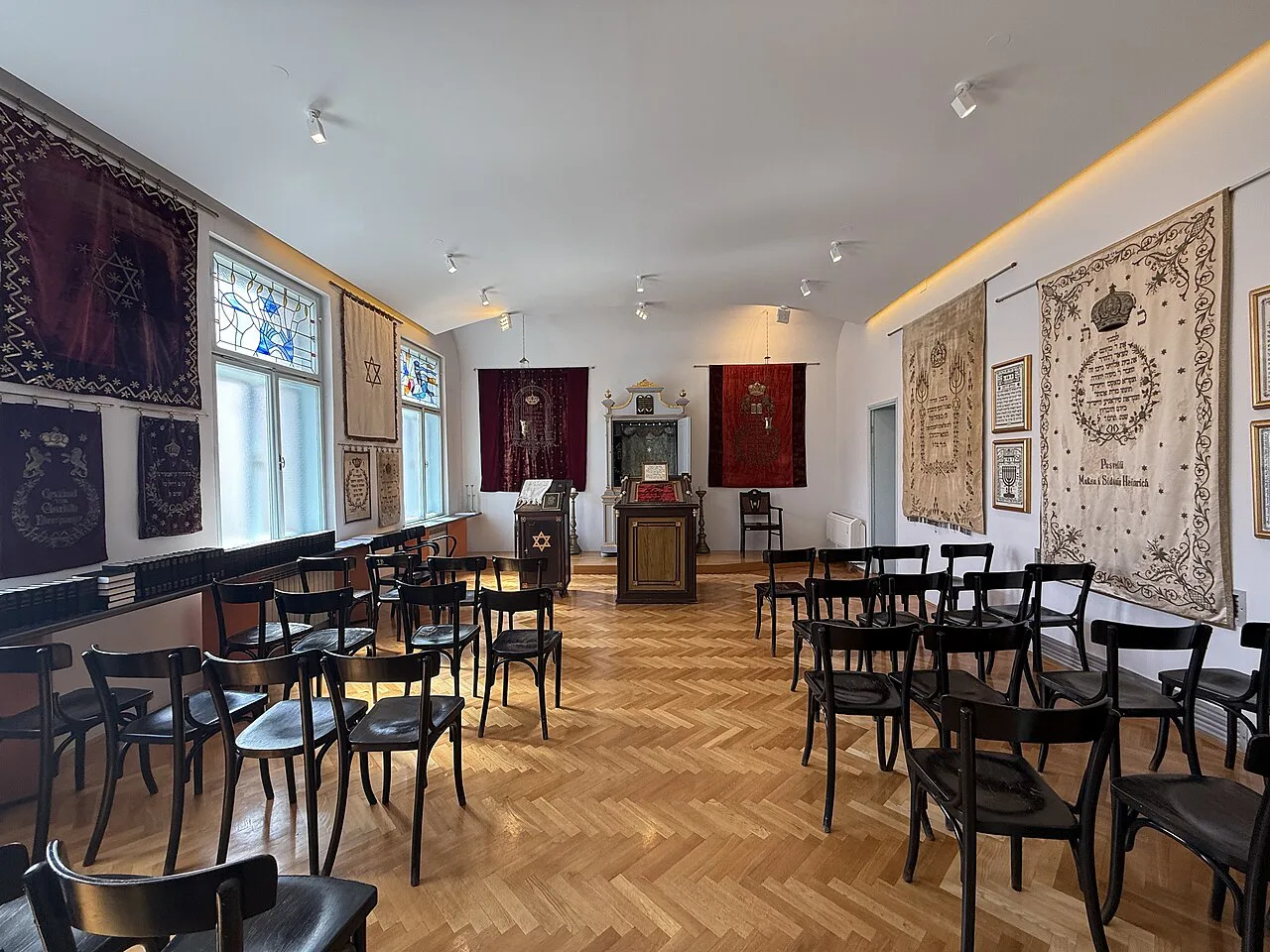
What the Bet Israel Community kosher product list covers
The list is a catalogue of products rather than places, so it is most useful when you have a kitchen. Self-catering flats and apartments with a hob and fridge turn a supermarket run into a workable eating plan, and larger coastal towns have the widest stock. Build meals around plain fish, vegetables, rice, eggs and fruit, and use the list to confirm which oils, dairy items, biscuits, conserves and dry goods are included.
Is there kosher food in Dubrovnik? Dubrovnik has the strongest Jewish heritage in Croatia but the weakest kosher food options of the main bases, because there is no established supervised kitchen in the old town. Bring certified supplies from Zagreb, or travel with a catered group that provides meals.
Is there a Chabad in Dubrovnik? A Chabad house in Dubrovnik is not something you should assume. Ask the local Jewish community or a kosher tour operator directly about current arrangements before you rely on one for meals or Shabbat.
Product lines shift between seasons, so check anything unfamiliar against the current edition before you buy in quantity. This is also the honest dividing line: buying kosher products is most straightforward in Zagreb, while smaller islands and village shops carry a thinner range. If your diet has further restrictions, our guide to vegetarian food in Croatia covers meat-free ordering and produce markets that overlap with kosher shopping.
Which cities have Jewish heritage to build a trip around
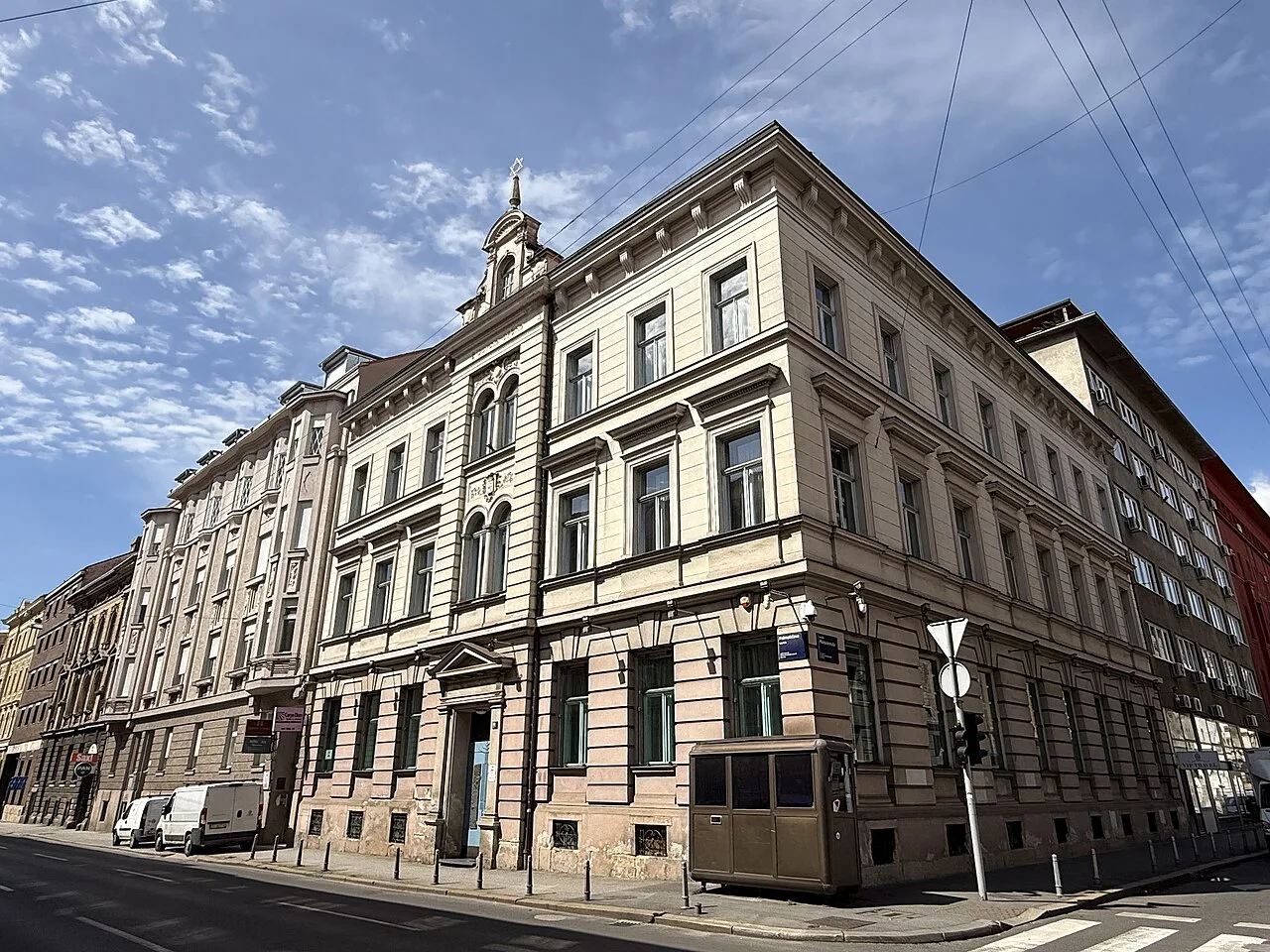
Dubrovnik, Split and Zagreb carry the deepest documented Jewish history and are the three sensible bases for a heritage-led trip. Each has a story that fits a different part of the itinerary: Dubrovnik for Sephardic life inside a walled trading republic, Split for a community living within Roman ruins, Zagreb for inland community institutions. Spreading yourself thinner across the coast adds travel days without adding much heritage.
If you keep kosher, the city sequence also shapes logistics, because Zagreb is where the community publishes its product list and Split is a larger coastal city with more shops than the small islands. Plan the coast last, when you already know what you can cook and carry. That order also keeps Shabbat manageable, since you can position yourself in a city rather than a small island.
Dubrovnik: the old synagogue and the Jewish museum
Dubrovnik's synagogue was established in 1352 and is among the oldest Sephardic synagogues still in use in the world, tucked into the old town's tight streets. Sephardic Jews arrived in numbers after the 1492 expulsion from Spain and found relative tolerance under the Republic of Ragusa, and a formal ghetto was laid out in the sixteenth century. Those two dates, 1352 and 1492, are the spine of any visit.
The synagogue's small Jewish museum holds ritual objects and documents from centuries of communal life inside the walls, which makes it a compact and worthwhile stop rather than a full afternoon. For kosher eating, Dubrovnik is the hardest of the three bases: rely on self-catering supplies brought from Zagreb or Split, or on a catered tour that provides meals. Do not count on finding a supervised kitchen in the old town.
Split: Jewish life inside Diocletian's Palace
In Split, Jewish families once lived and worshipped within Diocletian's Palace itself, so the community's history sits inside the Roman complex. That layering is what makes Split worth a day of anyone's heritage itinerary: you are walking through imperial Roman stonework to reach the traces of Jewish life. The palace is a lived-in neighbourhood, not a museum set, so the heritage sits alongside ordinary shops and flats.
Split is also a useful coastal base for a kosher traveller, since it is a larger city with more shops than the small islands and easy onward connections north to Zagreb. Use it to restock before continuing down the Dalmatian coast. If you are managing coeliac disease as well as kashrut, our guide to vegetarian food in Croatia covers meat-free ordering and produce markets that overlap with kosher shopping, and our Gluten-Free Croatia guide tackles the bread and flour question that matters when so much Croatian food is baked.
Zagreb: the Jewish community and its institutions
Zagreb is the administrative heart of Jewish life in Croatia, home to the Bet Israel community, and it is that community which publishes the annual list of kosher products available in the country. Ask the community directly for the current edition, because it is the body that issues it. A day or two in the capital also gives you the best supermarket choice in the country before you head for the coast.
Plan Zagreb as a working stop rather than a sightseeing highlight, and treat that as a genuine trade-off: it lacks the old-town drama of Dubrovnik but solves the practical problems. Travellers who keep strictly kosher often find the capital the most relaxed part of the trip for exactly that reason.
How kosher tours and full catering work on the Adriatic coast
Catered kosher tours solve the central coastal problem by bringing the kitchen with them. Companies such as Bespoke Kosher Travel run Croatian itineraries with full kosher catering, tailor-made itineraries and Shabbat arrangements across Dubrovnik, Split, Zagreb and the Adriatic, which means meals are planned as part of the route rather than found on the day. That shifts the work from you to the tour company and makes the coast genuinely viable.
The trade-off is flexibility: a catered group moves on a schedule and eats where the programme says, so you lose the freedom to linger in a konoba or follow a market morning. Some operators also offer guided Jewish heritage touring alongside the food arrangements, which suits travellers who want the Dubrovnik and Split stories explained rather than read from a plaque.
Scheduled group departures are advertised by specialist kosher tour companies, but dates, prices and inclusions change, so treat any advert as a starting point rather than a fixed offer. Ask specifically how many meals are covered, whether the kitchen is under supervision for the whole trip, and what happens on travel days. Those three answers tell you more than the brochure.
Shabbat arrangements on a Croatian itinerary
Shabbat is the constraint that shapes the route more than any other. Friday needs to end somewhere you can stay put, with food in hand and, ideally, a community nearby, which points to Zagreb or Split over a small island or a moving day. Build the week so that travel happens Sunday to Thursday and Friday is a short hop at most.
Catered programmes handle this by design, since the tour company plans the Friday position and the meals around it. Independent travellers should treat Friday as a hard boundary when booking ferries and buses, and check whether an apartment has a fridge large enough for two days of food. That single piece of planning prevents most of the friction a kosher visitor meets on the coast.
Coastal seafood, olive oil and inland meat dishes through a kosher lens
Croatian cooking splits cleanly along the mountains. Coastal kitchens lean on seafood, olive oil and fresh herbs, while inland kitchens are heartier, with meat, stews and paprika, and much of that meat is pork. For a kosher traveller this means the coast looks easier than it is, because shellfish and mixed fish kitchens create their own problems, while the inland classics are mostly off the table.
The workable coastal plate is a plainly grilled fish with vegetables and bread you have verified, with olive oil as the fat throughout. Keep wine to a glass alongside the meal rather than making it the point of the evening. Inland, a catered kitchen is the realistic answer, because the region's signature dishes are built on ingredients a kosher diet excludes.
Kosher-friendly accommodation and self-catering
Self-catering apartments are the most useful base for kosher travellers, because they give you control over pans, surfaces and storage. Prioritise a full-size fridge, a hob and a shop within walking distance, and ask the host plainly whether the kitchen has been used for pork and shellfish. In Zagreb and Split you can combine that with kosher product shopping; in Dubrovnik, plan to carry supplies in.
Catered tours handle accommodation and food together, which suits travellers who would rather not negotiate kitchens in a second language. Croatian water is safe to drink from the tap in the main cities, which simplifies one more thing in a self-catered flat; our piece on Croatian water explains where that holds.
Practical trade-offs: coast versus inland, season and planning lead-in
The coast gives you the heritage and the scenery but the thinnest kosher infrastructure, while inland Zagreb gives you the community and the shopping but less of the drama. A workable shape is two or three days in Zagreb, a few in Split, then Dubrovnik with supplies or as part of a catered group. That order front-loads the practical work.
Season matters too: coastal towns empty out from late autumn to spring, when many kitchens and rooms close, so a shoulder-season trip needs more self-catering and less hope. Summer brings the widest choice and the biggest crowds. Confirm dates, prices and what a catered trip includes with the tour company before booking, since supervised kitchens and heritage guiding fill up.
Should you book a catered kosher trip or self-cater?
Book a catered tour if you keep strictly kosher and want the coast without carrying your own kitchen: it solves supervision, Shabbat and the coastal seafood problem in one decision. Self-cater from Zagreb and Split if you want freedom over your days and are content to cook. Either way, put Zagreb or Split at the start, keep Friday still, and confirm the current kosher product list with Bet Israel before you travel.
Explore more Croatia guides
Frequently Asked Questions
Is there kosher food in Dubrovnik?
Dubrovnik has the strongest Jewish heritage in Croatia but the weakest kosher food options of the main bases, because there is no established supervised kitchen in the old town. Bring certified supplies from Zagreb, or travel with a catered group that provides meals. Check the current Bet Israel product list before you pack.
Is there a Chabad in Dubrovnik?
A Chabad house in Dubrovnik is not something you should assume. Ask the local Jewish community or a kosher tour operator directly about current arrangements before you rely on one for meals or Shabbat.
Sources
Notes on eating well in Croatia
Optional updates to our food guides.
You might also like



Continue reading
More guides you'll find useful





