Split Cooking Class: What a Dalmatian Cooking Session Involves
Split Cooking Class runs a morning market session and an afternoon kitchen class, plus pastry, vegan and master classes. Here is what each one involves.
On this page
Split Cooking Class runs twice daily, Monday to Saturday, with sessions starting at 9 AM and 5 PM. Split Cooking Class separates a morning class built around a market shop from an afternoon session that goes straight into the kitchen. This guide sets out what each format involves, where the class sits in the city, and what the pastry, vegan, Mediterranean and private formats add.
Split Cooking Class lists a morning class built around a market shop and an afternoon session that goes straight into the kitchen. The Green Market and fish market stops belong to the morning class, so anyone who wants to see how Dalmatian produce and fish are bought should book the earlier start.
What Split Cooking Class is
Split Cooking Class is a hands-on cooking school in Split built around Dalmatian cuisine, teaching Croatian dishes to visitors. Split Cooking Class publishes its own class schedule covering a morning session, an afternoon session and several specialist formats, from pastry to vegan cooking. Classes run twice a day from Monday to Saturday.
The class is a food-first way to spend half a day in the city, and it pairs naturally with eating your way around Split food for the rest of the trip. If you would rather be led to the best plates than cook them, a Split food tour is the alternative.
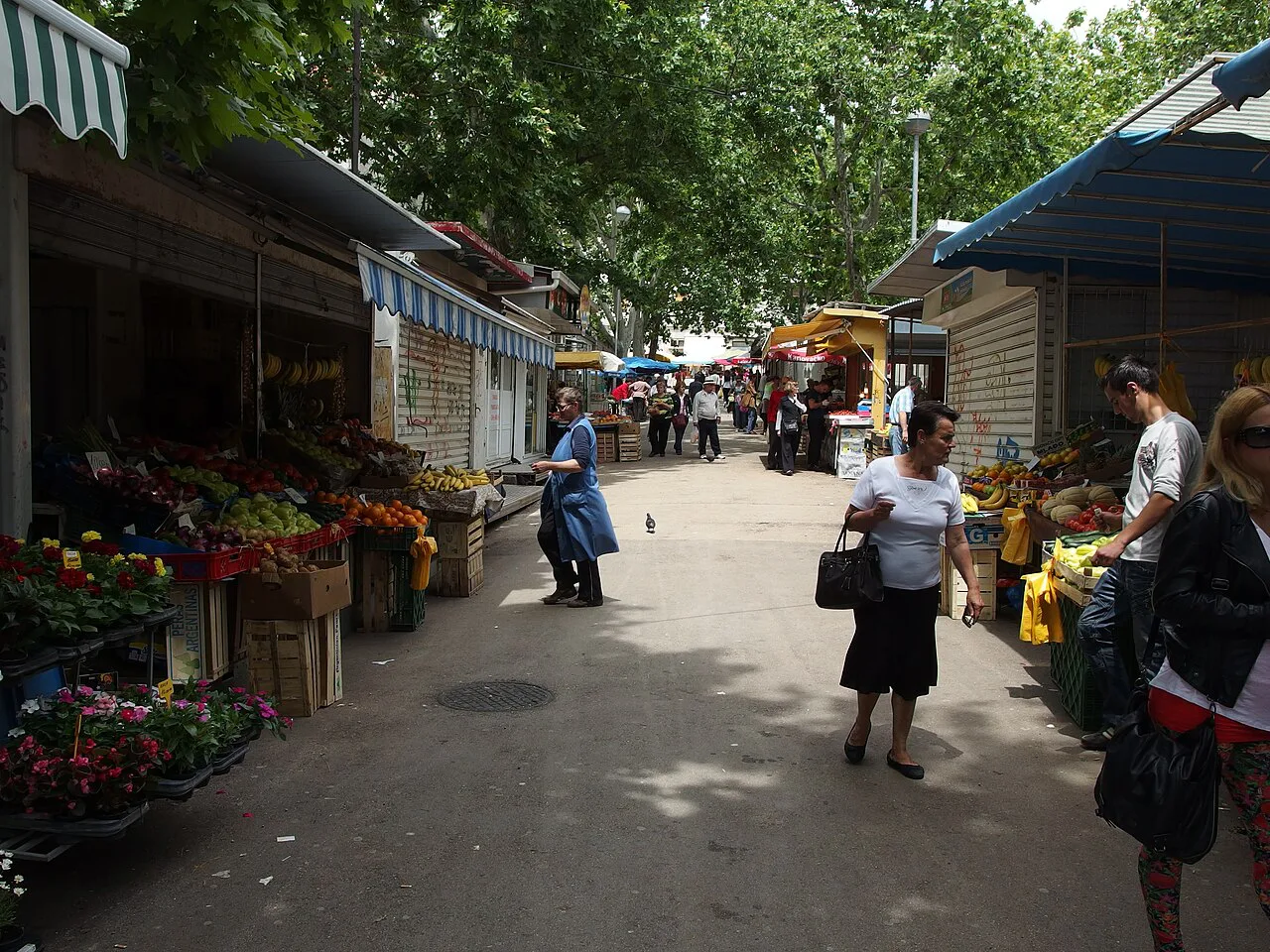
Morning Class & Markets: shopping before you cook
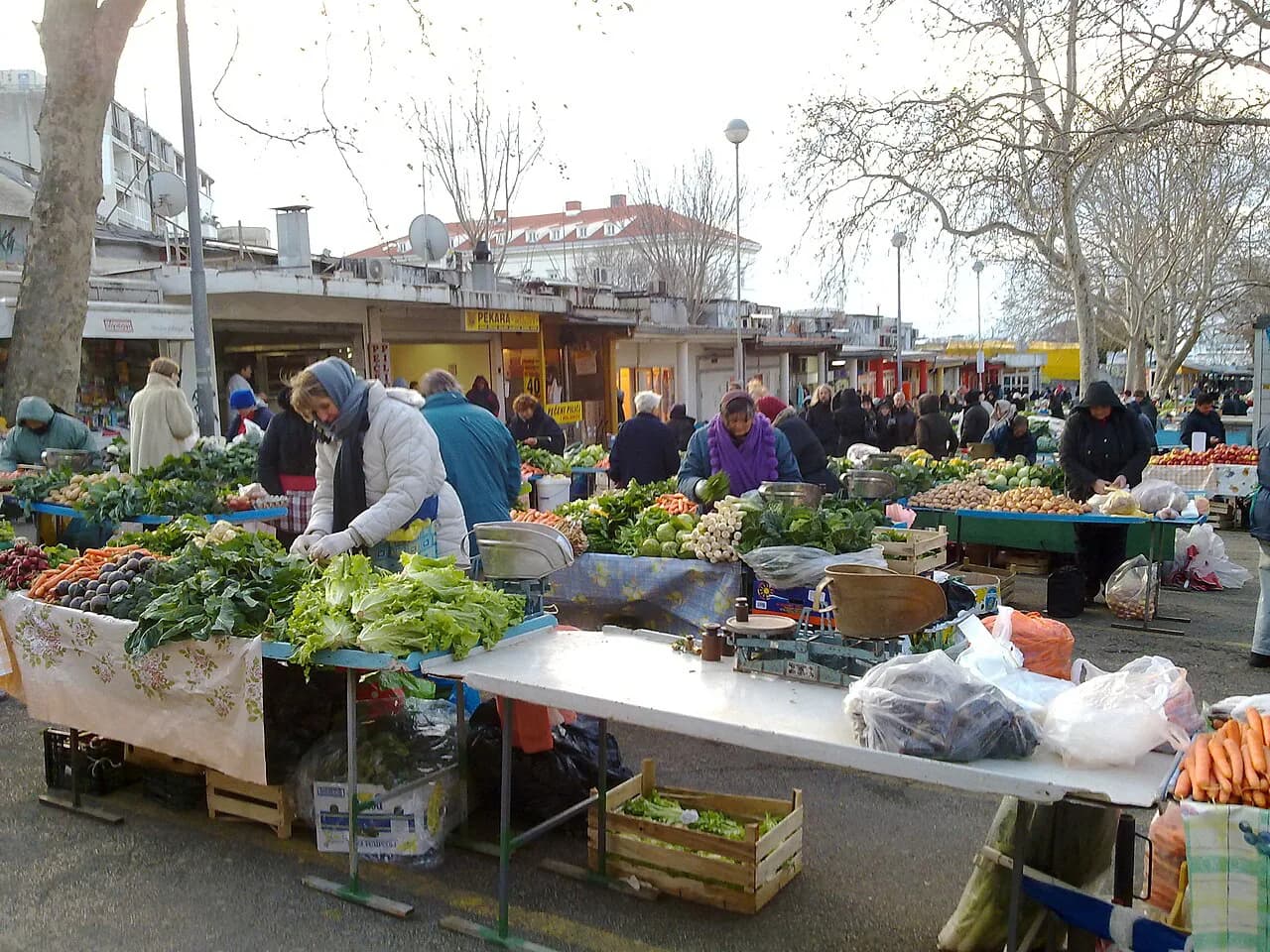
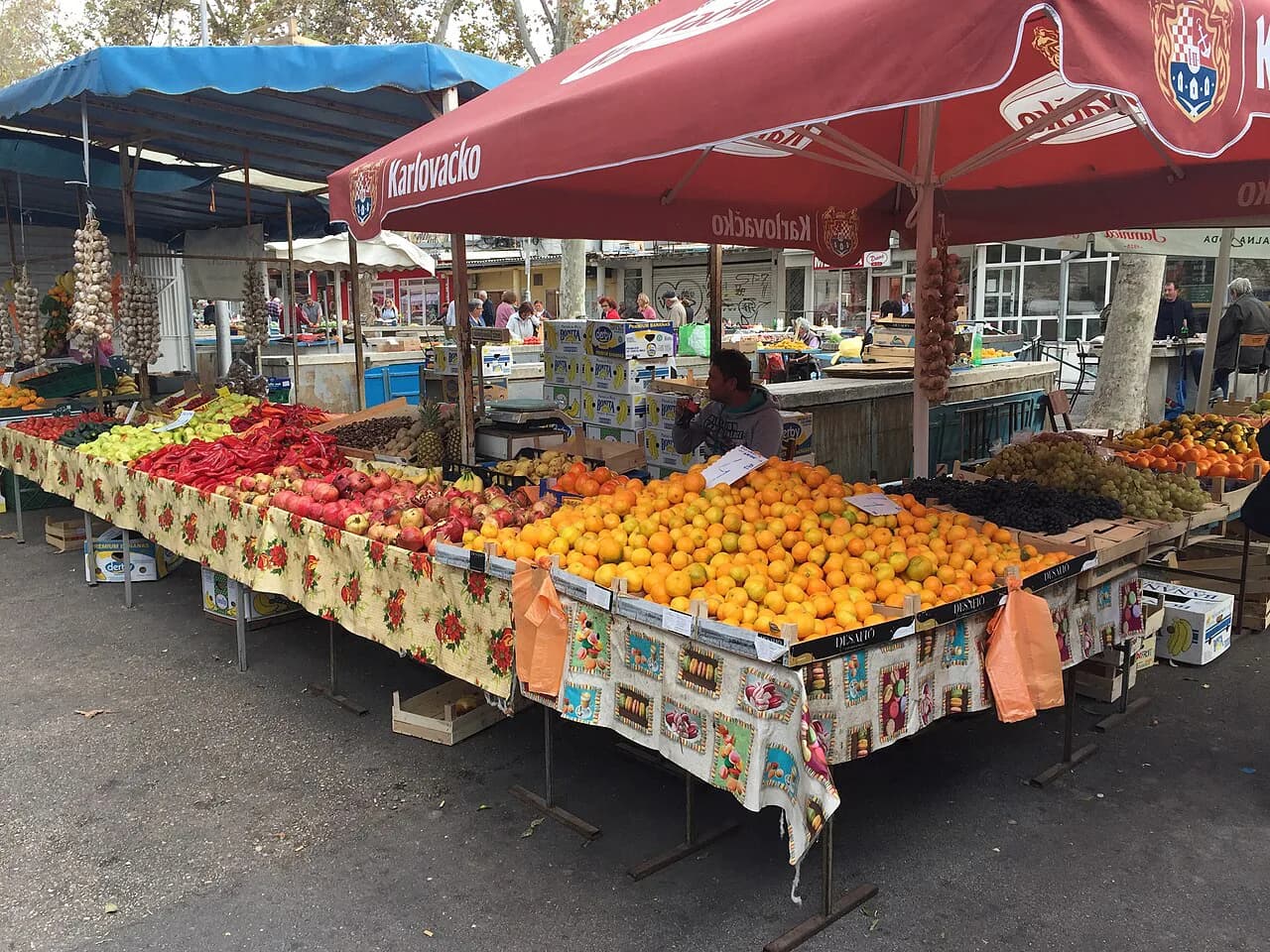
The morning class starts at 9 AM and opens with a market shop, beginning at the Green Market, the open-air Pazar in the centre of Split where locals buy produce. In a first-person account of the class, the group met its instructor just outside the market and shopped for vegetables before moving on to the fish market, known locally as Ribernica, to buy fish for the session.
That same account describes market produce as coming largely from within about 20 km of the city and fish being sold whole, with the catch shifting by season — white fish in summer, oily blue fish such as tuna in winter. Treat that as one visitor's description rather than a formal set of market rules, and go along ready to look, ask and carry. Swiss chard is a fixture of Dalmatian cooking and was among the vegetables the class bought.
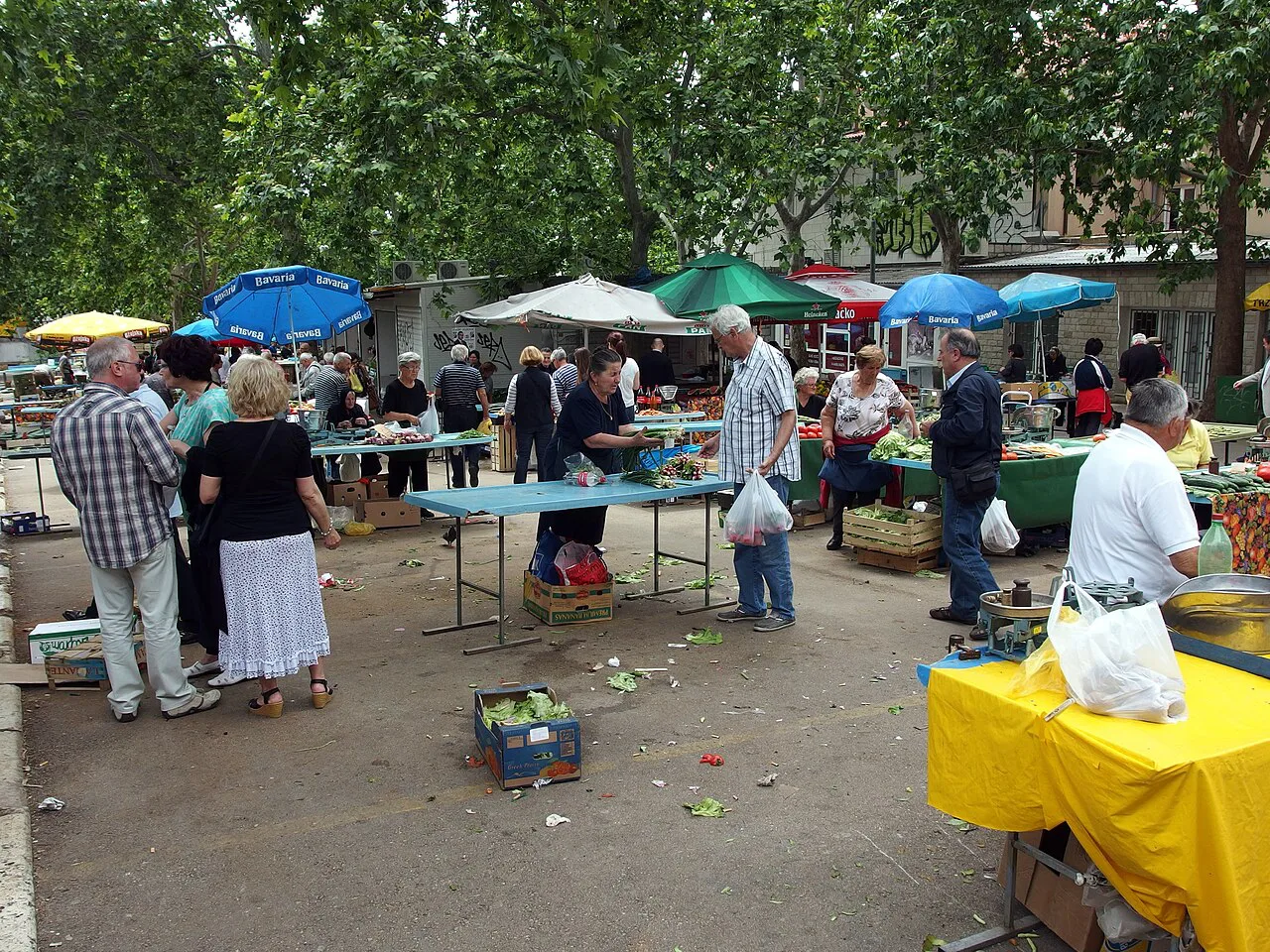
Afternoon Cooking Class: the kitchen session
The afternoon class starts at 5 PM and skips the market, so the shopping is done before you arrive and the session is spent at the stove. Expect a taught, hands-on format: you prepare dishes under instruction rather than watching a demonstration from a seat. The exact menu changes with the class type.
Choose the afternoon slot if you want a slower morning, if you have already walked the Pazar on your own, or if you are travelling with children who will not last a market shop plus a cookery session. The morning class suits anyone who wants the market to be part of the day rather than a separate outing.
Pastry, vegan, Mediterranean and wine classes
Beyond the two standard sessions, the school runs a Split Pastry Class and a Split Pastry Master Class for anyone drawn to desserts, a Split Vegan Class for plant-based cooking, and a Mediterranean Master Class that widens the brief past Dalmatia. A Wine Master Class and a Private Cooking Class also appear on the schedule. All of these sit alongside the standard Monday-to-Saturday, twice-daily rhythm.
The pastry class is the pick for anyone who would rather finish with something sweet. The private format suits groups who want the instructor to themselves. Wine appears as an accompaniment in the account of the standard class rather than the point of the day.
How a class runs from start to finish
On the morning format the sequence is market first, kitchen second, tasting last. The account of the class describes buying vegetables at the Green Market, then fish at Ribernica, then walking to the school's studio, where the group was greeted with wine and snacks before cooking. The instructors talk through the history behind Dalmatian dishes as they teach, which frames the food rather than leaving it as a set of steps.
Chef Željko Neven Bremec is the instructor named in that account, and the class is taught rather than merely hosted. Come hungry, wear something you do not mind splashing, and bring a bag for the market if you plan to buy anything beyond the class ingredients.
Booking a Split cooking class
Because classes run only twice daily and only from Monday to Saturday, the choice of class type matters: the pastry, vegan and master formats are separate sessions and not interchangeable with the standard morning or afternoon class. Split Cooking Class lists an email address and phone number for enquiries and reservations.
If your dates are fixed around a short city break, sort the booking before you travel and keep the confirmation with your accommodation details. If you are flexible, match the slot to the class type you actually want rather than taking whichever time is offered first.
Which session suits you
Couples and keen cooks get the most from the Mediterranean Master Class and the morning market session, where the shopping and the teaching both count. Families with younger children do better in the afternoon class or the pastry session, which avoid an early start and a market walk. Anyone new to Croatian cooking can start with either standard format and build from there.
If cooking is not the goal and you simply want to eat well, spend the budget on a table instead: Konobas in Split covers the everyday grilled-fish and meat places, and a plate of Ćevapi in Split is the cheap, filling option between classes.
Morning market class or afternoon kitchen session?
Pick the morning class if you want the Green Market and Ribernica to be part of the day and you do not mind a 9 AM start. Pick the afternoon class if you want the cooking without the shopping, or if you are booking for a group that will not manage both. The pastry, vegan and master classes are worth choosing deliberately when the standard session is not quite the fit.
Sessions start at 9 AM and 5 PM, Monday to Saturday, so either format fits around a lunch or an evening in the city.
Explore more Split guides
Frequently Asked Questions
Do you visit the market on the morning Split cooking class?
Yes. The morning class starts at 9 AM and opens with a shop at the Green Market for produce before moving on to the fish market, Ribernica, for fish. The afternoon class starts at 5 PM and does not include the market stop.
Is the Split cooking class hands-on?
Yes. The sessions are taught, hands-on classes in which you prepare Dalmatian dishes under instruction, rather than demonstrations you watch from a seat. The morning format adds the market shop before the cooking begins.
How do I book a Split cooking class?
Contact Split Cooking Class directly using the email address or phone number published on its site, and choose the specific class type you want rather than a generic slot, because the pastry, vegan, Mediterranean, wine and private formats are separate sessions. Classes run twice daily, Monday to Saturday, at 9 AM and 5 PM.
Sources
Notes on eating well in Croatia
Optional updates to our food guides.
You might also like
Continue reading
More guides you'll find useful