
Primošten Restaurants: Where to Eat in This Dalmatian Town
Where to eat in Primošten: seafood at Kamenar and Panorama, old-town konobas and the seafront along Mala Raduća, with fish-by-the-kilo advice.
On this page
For Primošten restaurants, the seafood decision comes down to two names: Kamenar and Restoran Panorama, which the Time Out guide pits against each other for the town's best seafood table. The difference is the setting, since Panorama trades on sea views while Kamenar is praised for the food. This guide covers those two, the old-town and island core, the seafront at Mala Raduća, and how a Dalmatian fish bill works.
Where to eat in Primošten: the short answer
Pick Kamenar if the food is what you are coming for, and Restoran Panorama if you want the sea views while you eat. Both are seafood houses, and the choice between them is the main decision a visitor to Primošten has to make. Everything else in town sits around that pair: café and bar life along the seafront and the small car-free core.
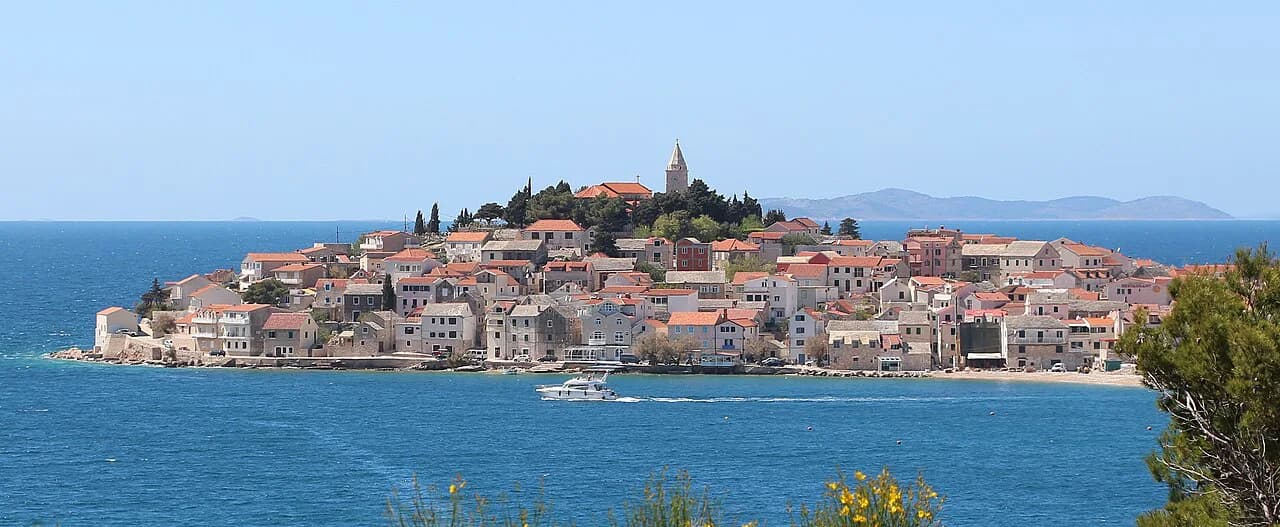
The town itself is compact. Primošten is an easy hop from Šibenik, with buses leaving every couple of hours and taking about 25 minutes, so it works as a lunch stop as well as an evening out. The car-free core sits on a small island joined to the mainland by a short causeway, which shapes how you move between the old streets and the waterfront. For a wider sweep of the coast's cooking, the best restaurants in Dalmatia make a useful companion to this page.
Seafood restaurants: Kamenar and Panorama compared
Kamenar and Restoran Panorama are the two names that come up for seafood here, and they pull in different directions. Panorama has the gorgeous sea vistas, which is exactly what you are paying for when you book a table with a view. Kamenar is the one reviewed on its food, so it suits anyone who would rather judge a restaurant on the plate than the horizon.
Order the same way at either: a whole fish by weight, grilled and dressed with olive oil and lemon, or a seafood risotto if you want something you can eat with a spoon. Fish on this coast is priced by weight, so ask to see the day's catch and confirm the price per kilo, or the total for a whole fish, before you commit. That single question is the difference between a pleasant evening and a shock at the end.
Konobas and old-town cooking
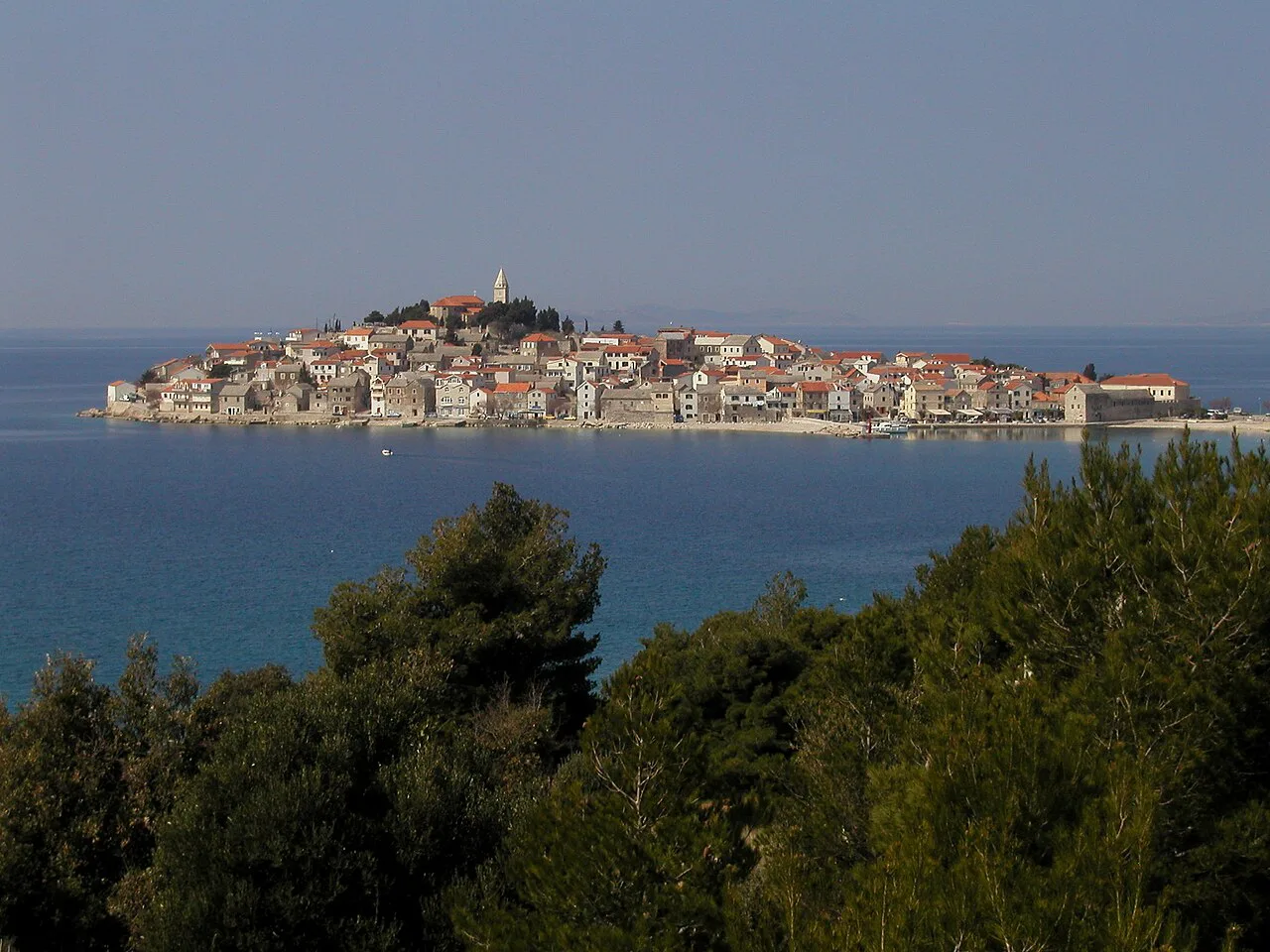
A konoba is a simple, family-run tavern, and it is the form of restaurant that suits Primošten's old streets best. The car-free island core is small but holds a few good places to stay and eat, and walking it in the evening is part of the pleasure. Look for a short menu, a chalked fish of the day and tables that are not all facing the water.
Konoba cooking along this coast means pašticada, beef slow-braised in a sweet-sour sauce with dried fruit, served with gnocchi or macaroni; pršut, Dalmatian dry-cured ham, with cheese and olives; and peka dishes, meat or octopus cooked under a bell-shaped lid of hot coals, which usually need ordering a day ahead. These are the plates to seek out when you want a long, unhurried lunch rather than a quick seafood grill.
Seafront cafés and spots along the Mala Raduća front
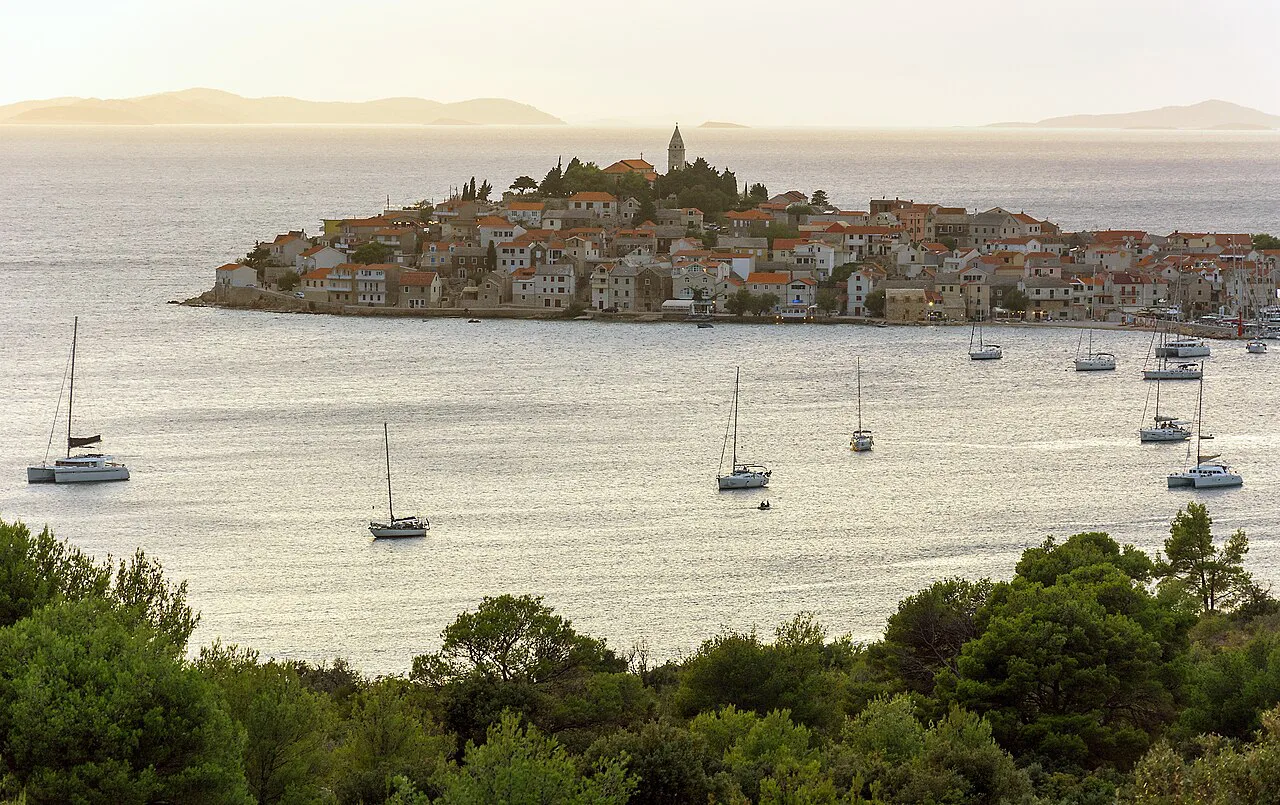
Mala Raduća is the seafront where Primošten's bars line up, and it is where younger visitors head before a night out. That makes it the liveliest stretch after dark rather than a quiet dining street, so choose it for a drink and a light bite rather than a long dinner. Seafront cafés around town fill with locals, which is a good sign for a morning coffee and a pastry.
If you are driving the coast, Primošten slots neatly between Šibenik and the towns to the south. Trogir makes a natural pairing, since its old town is a compact maze of stone lanes and its waterfront is lined with konobas worth comparing with Primošten's.
What to order: fish by the kilo, Dalmatian dishes and sides
Fish in Dalmatia is sold by the kilo, and the price varies with the species and the day, so a menu that lists only 'fish' tells you very little. Ask what came in that morning, choose your specimen from the display if there is one, and confirm the weight and the per-kilo price before it goes on the grill. Sea bass, sea bream, red scorpionfish and John Dory are the usual names you will hear.
Alongside the fish, order a plate of blitva, chard cooked with potatoes and olive oil, and a bowl of Dalmatian bread to mop up the juices. Mussels cooked in white wine and garlic, squid grilled whole, and octopus salad are the other safe bets in a seafood town. A carafe of house white, served cold, is the standard drink with all of it, and drinking it slowly with food is the local habit.
Prices and how a Primošten bill works
Croatia uses the euro, and coastal towns like Primošten run to tourist-season prices in July and August. There is no published tariff for Kamenar or Panorama to quote here, so read the menu and ask about the fish price before ordering. The bill usually includes a cover charge for bread and service, and cards are widely accepted in restaurants though carrying some cash is still sensible.
The biggest single variable is the fish, so a shared whole fish, a couple of sides and a carafe of wine will always come in cheaper than two separate fish mains. If the price per kilo is higher than you want, switch to squid, mussels or a risotto and put the money into a starter instead. There is no shame in that calculation; it is how locals order too.
Bookings in high season and terrace trade-offs
In July and August, Primošten's restaurants fill up, and a sea-view terrace at Panorama is the kind of table worth reserving a day or two ahead. The terrace trade-off is simple: you get the view, but you also get more passing foot traffic and a menu pitched at visitors. An old-town konoba off the waterfront is the quieter alternative when you want to talk over dinner.
Primošten is a small place, so a single popular restaurant can absorb most of the evening's demand. Call ahead in season, or eat early or late to dodge the rush. If you want to compare the town with its neighbours up the coast, the restaurants around Skradin, gateway to Krka, make a useful contrast for a day out of town.
Seasonal closures and eating out outside summer
This stretch of the Dalmatian coast runs on a summer season, and many seafront places close or cut back once it ends. Smaller towns thin out faster than Split or Hvar, so out-of-season options can be fewer. If you are visiting outside June to September, plan your meals around the places that stay open for locals, and expect shorter menus.
Autumn and spring are good months for the fish itself, since the catch follows the season rather than the tourist calendar. Ask what is landing and cook your plans around it, rather than around a particular restaurant's terrace. For a wider read on how coastal towns handle the shoulder months, the towns along the Makarska Riviera make a useful comparison.
How Primošten fits into a coastal food route
Primošten works best as a lunch stop on a coastal drive rather than a destination in its own right for food. The bus from Šibenik takes about 25 minutes, so you can base yourself there and still eat in Primošten in the evening. Coming from the south, the towns of the Omiš riviera make an easy first stop before you reach this stretch.
The town's car-free island core and causeway make it a pleasant place to walk off lunch, and the pine-backed beaches are the reason many people stay for the afternoon. Eating early and walking the waterfront afterwards is the pattern that suits the town's scale. Further north, Trogir's restaurants offer another compact old-town alternative on the same coastline.
Kamenar or Panorama?
Choose Kamenar when the seafood is the point of the meal, and Panorama when the view is worth more to you than the last word in cooking. Both do the Dalmatian staples, both reward asking about the day's fish, and in July and August it pays to book a table ahead. Whichever you pick, order a whole fish by weight, add blitva and bread, and keep the wine slow and cold.
Explore more Croatia guides
Sources
Notes on eating well in Croatia
Optional updates to our food guides.
You might also like



Continue reading
More guides you'll find useful





