
Kaštela Restaurants: Where to Eat in the Seven Kaštela
Kaštela restaurants range from seafront konobas to village pizzerias. Here is what to order, from grilled fish and peka to pašticada and kroštule.
On this page
Kaštela restaurants are best chosen by village, not by ranking: the riviera is seven settlements strung along the coast between Split and Trogir, each with its own seafront tables and old lanes. Eating well here means knowing which village you are in and which Dalmatian dish suits the room. This guide groups the named places by village, explains what to order, and sets the seafront view against the village-centre table.
The cooking is firmly Dalmatian: grilled fish, seafood stews, peka dishes cooked under a metal bell, and celebration plates such as pašticada with gnocchi. Menus lean on olive oil, vegetables, broad beans and the fruit and nuts grown on the land behind the coast. If you are touring further along the coast, the wider picture of the best restaurants in Dalmatia helps you place Kaštela in context.
What Kaštela restaurants are like: seven villages between Split and Trogir
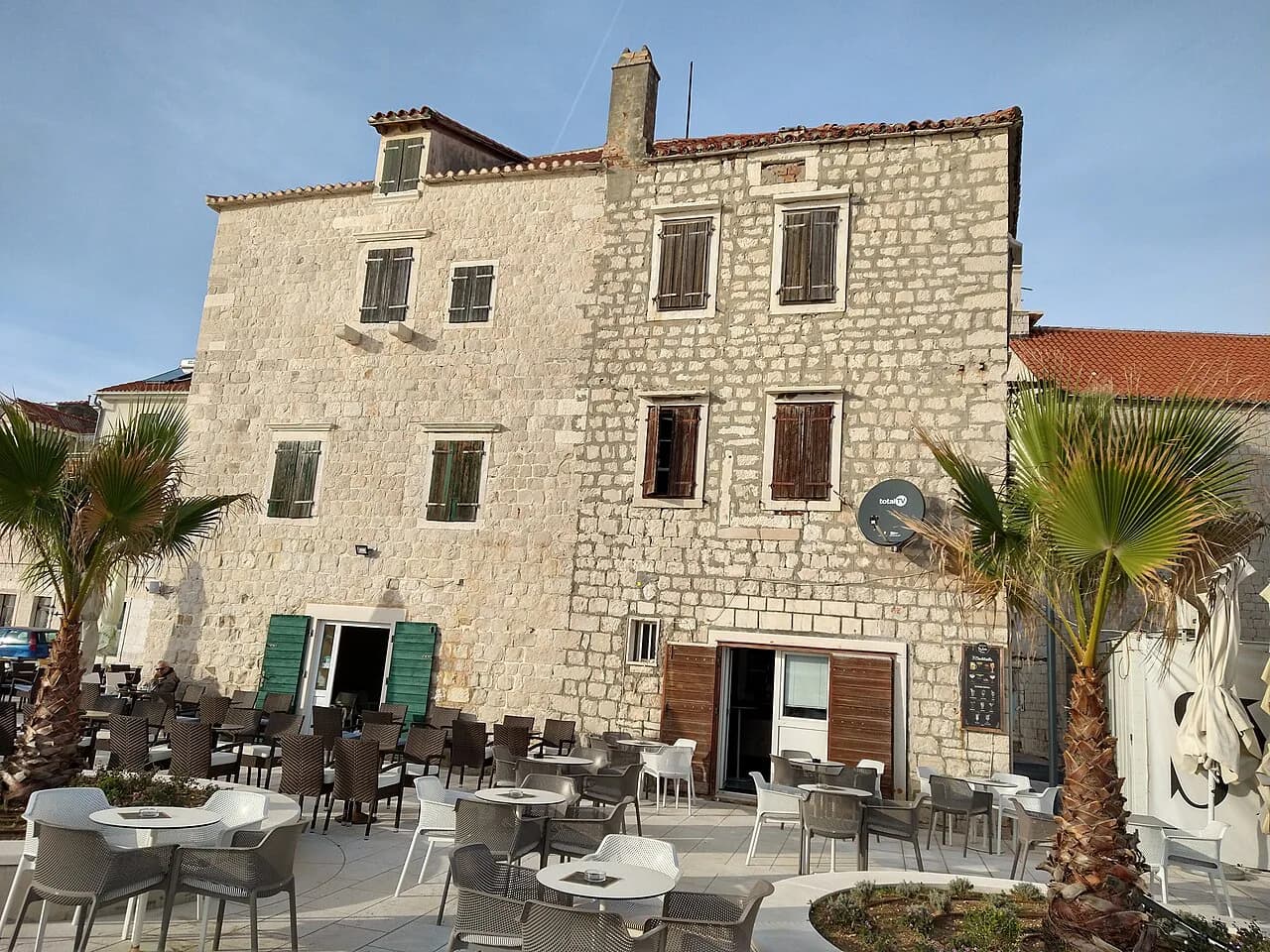
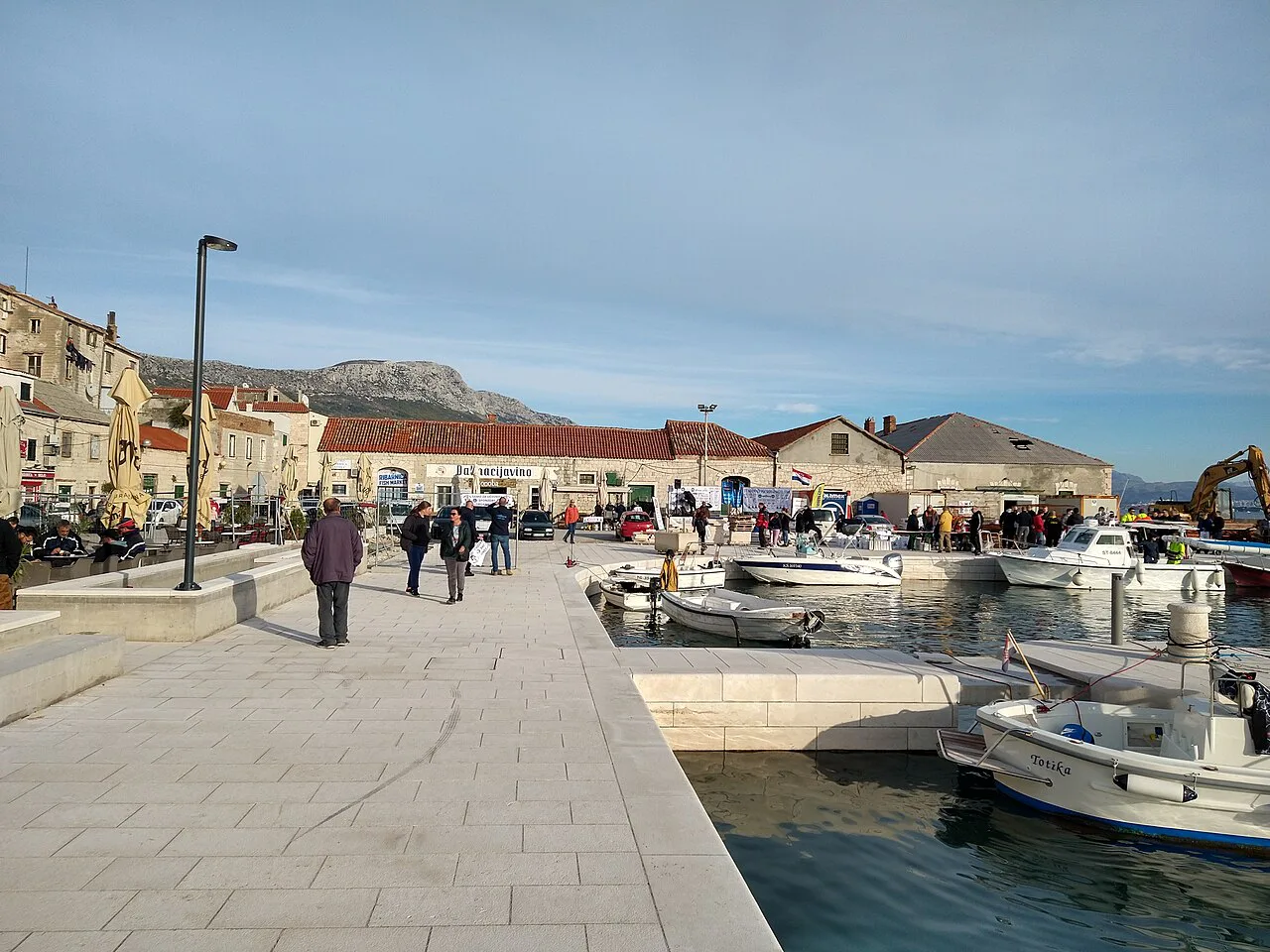
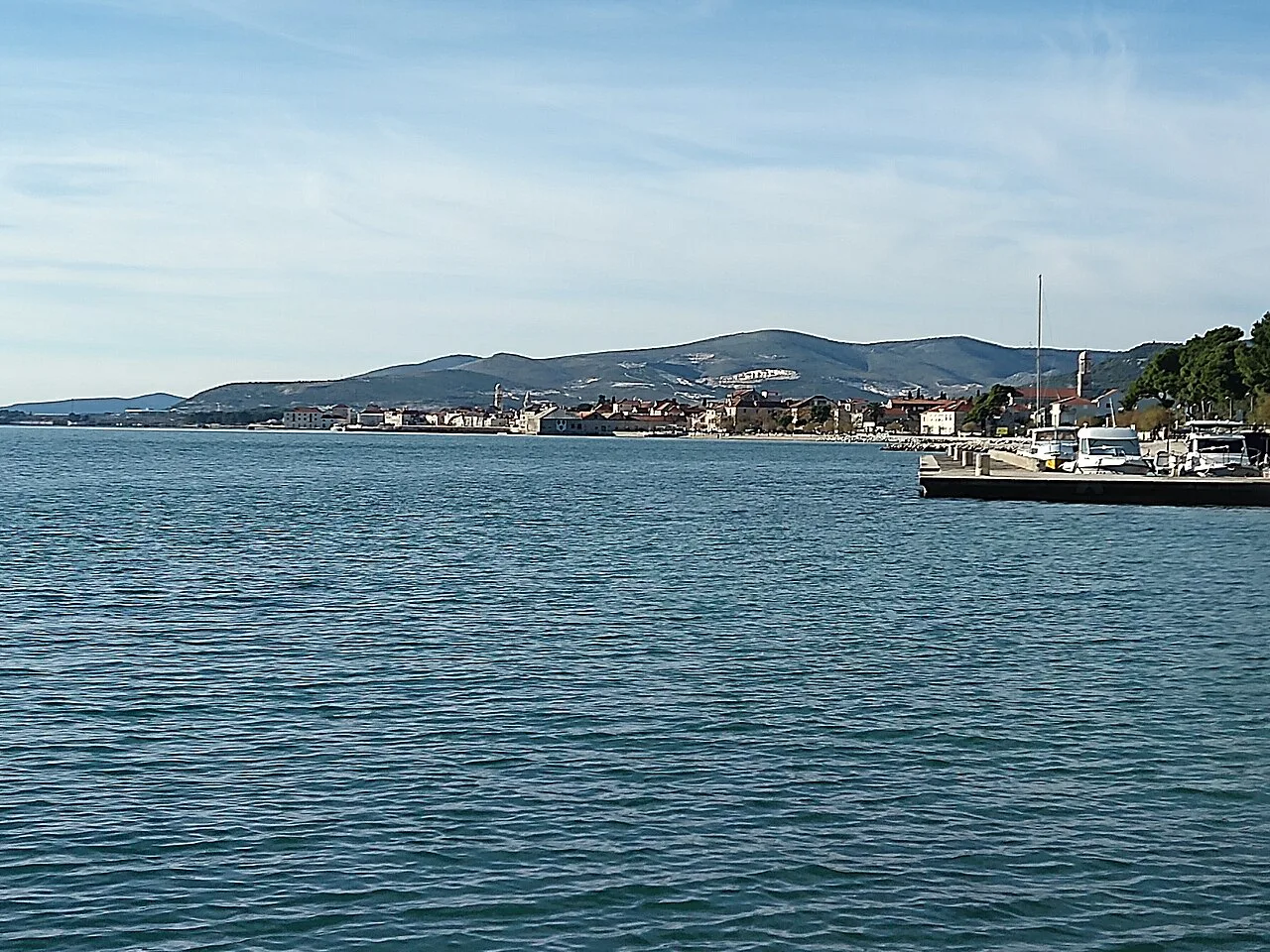
Kaštela grew around seven settlements, each clustered around a castle: Kaštel Štafilić, Kaštel Novi, Kaštel Stari, Kaštel Lukšić, Kaštel Kambelovac, Kaštel Gomilica and Kaštel Sućurac. Several restaurants sit right on the water with views across Kaštela Bay, while others occupy old-town lanes a street or two back. That geography is the main decision you make: pick the village closest to where you are staying, then choose between the sea view and the lane.
Because the strip runs between Split and Trogir, it suits anyone based at either end of the bay who wants a proper sit-down meal without the old-town crush. The trade-off is that Kaštela is a residential coast rather than a resort, so the dining is local in character and the villages are small enough to walk through in an evening. If you are staying near Trogir instead, the Trogir restaurants guide covers the old town and Okrug Gornji.
What to order in a Kaštela restaurant
Start with grilled fish, the backbone of the coast's cooking: dentex, gilt-head bream, grouper, mackerel, hake and pilchard are the fish that turn up most, grilled or cooked, and sometimes marinated, stewed or fried. Seafood is just as central, from octopus and squid to mussels and oysters. For a first meal, grilled fish or grilled calamari with a plate of Swiss chard and potatoes is the clearest introduction to how the region eats.
Two dishes deserve special attention. Buzara is a mussel stew, a shellfish dish you mop up with bread; black squid risotto, coloured with cuttlefish ink, is the other classic order. Restaurants in the area also serve roast veal and octopus salad, so a mixed table can cover grilled, stewed and cold seafood in one sitting.
Peka is the dish to plan around: meat, calamari or octopus with potatoes and onion is placed on a shallow plate, covered with a metal or clay bell and cooked over a wood fire. It is a slow, shared preparation rather than a quick single portion, so it makes sense for a group ordering together. Ask what is under the bell that day before you commit the table to it.
The dishes to seek out: pašticada, octopus salad and chard
Pašticada is the traditional festive dish of the area: beef marinated before cooking and served with gnocchi, rich and slow-cooked rather than light. It is the plate to order when you want the celebration end of Dalmatian cooking, and it pairs naturally with the home-made sweets that follow. Octopus salad, by contrast, is the lighter cold starter that opens many meals.
Cooked vegetables are part of the traditional menu rather than an afterthought, especially Swiss chard with potatoes, along with spinach, cabbage and tomato sauce. Broad beans are a particular local favourite, eaten with squid or lamb and turned into pâté. If you are eating meat elsewhere on the coast, baked lamb is the equivalent centrepiece in the Makarska restaurants further south.
The Dalmatian ingredients behind the menus
The traditional Dalmatian diet is built on cereals, fruit, vegetables, beans and nuts, with plenty of olive oil, fish, dairy and red wine, and the cooking is mostly boiled or grilled. That is why the plates read as light even when they are generous. Prosciutto here is dry-cured and dried in the cold north wind, the bura, which is why it appears so often as a starter.
Behind the villages, the land has been worked for olives, figs, almonds, walnuts, cherries and grapes, and the local wines include Plavac Mali, Babica and crljenak among the reds and Vlaška among the whites. Order a glass with the fish or the pašticada rather than treating wine as the point of the meal. The inland side of the coast, around Omiš and its mountain backdrop, has its own eating tradition covered in the Omiš restaurants guide.
Konoba Intrada in Kaštel Novi: seafront fish and peka
Konoba Intrada sits on the seafront in Kaštel Novi with a view across Kaštela Bay, and its menu runs on fresh fish and seafood alongside grilled and peka dishes. You also find lasagne, pizza, gnocchi, risotto and spaghetti, which makes it a practical choice for a mixed group where not everyone wants fish. The setting is described as cosy and pleasant, so it works for a relaxed evening rather than a formal dinner.
Labinezza in Kaštel Stari: old-town seafront and gelato
Restaurant-pizzeria Labinezza is in the old town on the seafront in Kaštel Stari, with a menu that mixes national and international cooking rather than staying strictly Dalmatian. It is the place to choose when the table splits between pizza and something more substantial, and it also serves a wide selection of home-made gelato. That makes it a sensible stop for families who want one venue to cover the whole meal.
Stari Dvor in Kaštel Stari: an intimate room facing the bay
Konoba-pizzeria Stari Dvor is also on the seafront in Kaštel Stari, but it is pitched as an intimate setting with a view of Kaštela Bay. The combination of konoba and pizzeria means you can eat simply or settle in for a fuller Dalmatian meal in the same room. Between Labinezza and Stari Dvor, Kaštel Stari gives you two seafront options with different moods.
Villa Žarko in Kaštel Lukšić: cooking from local producers
Restaurant Villa Žarko is in Kaštel Lukšić in a pretty seafront setting, and its menu is built on fresh ingredients from local food producers. That focus on sourcing is the reason to choose it over a menu that ranges widely: expect the cooking to follow what the producers supply rather than a long international list. It suits a quieter meal in a village setting rather than a busy old-town terrace.
Bimbijana in Kaštel Gomilica: Dalmatian specialities in the marina
Restaurant Bimbijana is in Kaštel Gomilica, set in Marina Gomilica with a view of the sea. Its menu lists Dalmatian specialities prepared in the traditional manner, which makes it a good fit if you want the classic dishes without moving far from the water. The marina setting gives it a different atmosphere from the village-centre rooms.
Baletna škola in Kaštel Kambelovac: dinner metres from the sea
Restaurant Baletna škola in Kaštel Kambelovac stands only a few metres from the sea and serves Dalmatian specialities in a natural setting. Its name comes from the first ballet school opened in Dalmatia at that very spot in the last century, which gives the room a story beyond the menu. It is described as a must for fans of Dalmatian cuisine and for first-time visitors, and it makes a natural base for trying the village's broad-bean cooking in season.
Sweet endings: kroštule, rafioli and the almond Kaštela cake
The sweet side of a Kaštela meal is home-made and local: kroštule are thin sweet fritters, rafioli are small filled pastries, and there is a croquant alongside them. The area also has an almond Kaštela cake and a walnut cake, both of which turn up at celebrations rather than as an everyday dessert. Order one to share at the end of a long lunch, when the table is still talking.
If you are travelling down the coast afterwards, the sweets change with the region: Primošten restaurants and Brela restaurants each sit in a different stretch of the Dalmatian coast with their own versions of the same finish.
How to choose between a seafront terrace and a village-centre table
The seafront tables in Kaštel Novi, Kaštel Stari, Kaštel Lukšić, Kaštel Gomilica and Kaštel Kambelovac give you the bay view and the evening air, and they are the obvious pick for a first night. The trade-off is that these rooms are often the busiest, and the view can carry a meal that the kitchen would otherwise have to earn. Village-centre tables in the old lanes trade the view for quieter surroundings.
A practical rule is to match the room to the meal: peka and long family lunches belong at a seafront table where you can sit for hours, while a quick pizza or gelato suits the old-town pizzerias. If you are staying further down the coast, Vodice restaurants and Skradin restaurants show how the same choices play out elsewhere in Dalmatia.
Which Kaštela village should you eat in?
Choose Kaštel Stari if you want two seafront options in one evening, Kaštel Novi for a fish-and-peka konoba with a bay view, and Kaštel Kambelovac if you want Dalmatian cooking metres from the water at Baletna škola. Kaštel Lukšić and Kaštel Gomilica suit a quieter meal built on local produce or traditional specialities. Wherever you land, order the grilled fish, the buzara or the peka, and finish with kroštule.
If your trip continues south, Makarska Riviera and Baška Voda give you the next stretch of coast, while Tučepi restaurants cover the quieter end of the same bay.
Frequently Asked Questions
Do you need to book Kaštela restaurants in summer?
Booking is worth arranging for a group or for a peka, which is cooked slowly and is best ordered ahead; call the venue directly on the day to confirm a table.
Is Kaštela good for seafood?
Yes. The coast's cooking is built on fresh fish and seafood, with grilled fish, mussel buzara, black squid risotto and octopus salad all part of the local repertoire.
What is peka and how is it cooked?
Peka is a dish cooked under a metal or clay bell over a wood fire, with meat, calamari or octopus layered with potatoes and onion on a shallow plate. It is a shared, slow preparation rather than a quick single portion.
Sources
Notes on eating well in Croatia
Optional updates to our food guides.
You might also like



Continue reading
More guides you'll find useful





