
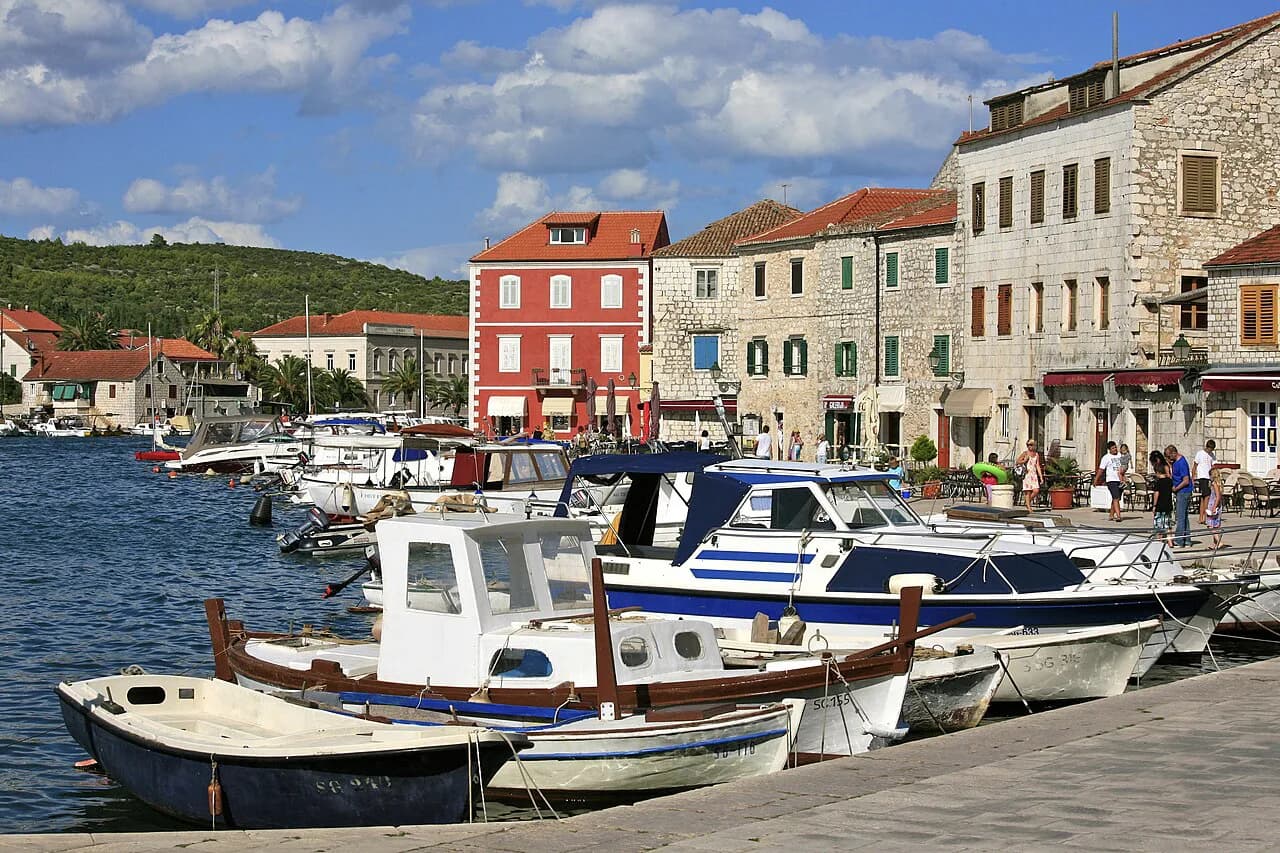
Best Restaurants in Dalmatia: Where to Eat on the Coast
Plan where to eat on Croatia's Dalmatian coast: konobas and seafood terraces, the dishes to order, fish priced by the kilo and booking in high season.
On this page
The best restaurants in Dalmatia are the ones that cook what the Adriatic gives them that morning and charge you for it without theatre: a konoba, or tavern-style local restaurant, with grilled fish, a plate of pršut and a bottle of house white. This guide works through the decisions that actually shape a meal on the Croatian coast, from how a fish is weighed and priced to which Split rooms take cash only, and it starts in the old town and ends on the Makarska Riviera.
Dalmatian cooking rewards a little planning. The season runs roughly May to October, and a good number of places open only for it, so May, June and October are easier months to walk in while July and August reward booking ahead.
What Dalmatian cooking means on the plate
Dalmatian food is coastal cooking built on three things: fish and shellfish from the Adriatic, olive oil, and vegetables grown close by. Grilling over charcoal is the default treatment for fish, squid and meat, and the seasoning stays light so the ingredient leads.
Inland from the water, the cooking turns to cured pork and lamb. Pršut is Dalmatian dry-cured ham, sliced thin and served as a starter with cheese and olives, and paški sir is the hard sheep's cheese from the island of Pag, salty and firm enough to sit alongside it.
The konoba is the format to understand. It is Croatia's answer to the Greek taverna: independently owned, often family-run, with a short menu, wooden tables and a house wine poured by the glass or litre.
Ordering well at a first Dalmatian meal is simple. Start with pršut and cheese, share a grilled fish or a plate of fried smelts, add chard and potatoes cooked in oil, and finish with a slice of rožata, the local baked custard.
How to read a Dalmatian menu
Fish is usually priced by the kilogram rather than by portion, and you agree the weight before it goes on the grill. Ask to see the fish, ask what it weighs, and do the multiplication in your head before you say yes; that conversation is normal and no one will be offended.
What is Dalmatian cuisine in Croatia? It is coastal cooking built on grilled fish and shellfish from the Adriatic, olive oil, vegetables and a light hand with seasoning. Inland, it turns to pršut, the Dalmatian dry-cured ham, paški sir, the hard sheep's cheese from Pag, and slow-cooked lamb.
Is Croatia expensive to eat out? It depends on what you order and where you sit. A plate of fried smelts or a pizza costs far less than a whole fish priced by the kilo on an old-town terrace, so set your budget by choosing the cheaper format for most meals and saving the by-weight fish for one evening.
What is special about eating on the Dalmatian coast? The fish is grilled fresh, the olive oil is local, and the konoba format keeps portions generous. Many rooms open only from roughly May to October, so out of season you may find fewer places open.
Peka is the other menu word to know. It means a heavy lid is placed over meat or octopus with potatoes and the dish is cooked slowly under embers, which is why it is ordered in advance, often by the whole table. Order it only when you have the time and the appetite for it.
Grilled fish, fried smelts and a charcuterie board are the safe, affordable way into a Dalmatian menu, and they are the dishes most konobas do consistently well. Save the by-the-kilo fish and the peka for the meal you have budgeted for.
Konobas worth seeking out
The Fife Konoba sits by the marina in Split and is a popular pick for the taverna format without leaving the centre. It is the kind of room where you order grilled fish, a plate of pršut and a carafe of house white.
Konoba Kod Joze sits outside Split's Old Town and cooks for a local lunch crowd rather than the day-trip trade. Its beef with gnocchi is slow-cooked for two days before it reaches the table, and a small shot of rakija, the local fruit brandy, often comes with it.
If you are working the coast west of Split, the Trogir Restaurants guide is a better base than the city for an evening meal, with the old town and Okrug Gornji giving you two different moods within a few minutes of each other.
Villa Spiza in Split: cash only, no reservations
Villa Spiza in Split's Old Town is the room most worth planning around. It is family-run, spread across rooms on both sides of an alleyway, and it writes its menu by hand each day around what is growing and what came off the boats.
Two rules shape the evening: the restaurant takes cash only and it does not accept reservations. Bring euros, arrive early or come on a weekday, and accept that the queue is part of the deal. The reward is a shrimp or spaghetti plate, a beef steak or a plate of fried smelts cooked for the room rather than for a photograph.
Seafood restaurants and the fish-by-weight decision
A seafood restaurant on the coast will usually show you the catch before it is cooked, and you should treat that moment as the negotiation. Ask the price per kilo, ask the weight, and decide whether the whole fish or a fillet is the better buy for your table.
Whole fish carries bone and head, which is why a fillet or a plate of smaller fish can be the smarter order for two people. A plate of fried smelts or squid is the cheaper way to eat seafood well in Dalmatia.
Wine belongs with the fish rather than as its own outing: ask for the house white, which is usually a young local grape served cold and priced modestly. It is the right drink for a grilled fish and a plate of chard.
Pizzerias and cheaper meals
Dalmatia eats pizza well, and a pizzeria is a reliable answer to a cheap family meal or a late arrival. Pizzeria Skipper in Split is a casual pick.
A bakery, or pekara, covers breakfast and a picnic lunch for very little: buy a burek, a cheese or meat pastry, eat it while it is warm. It is a cheap and good meal on the coast.
Bookings in July and August versus walking in off-season
July and August are when the coast fills up, and the rooms worth eating in go first. Book your two or three priority dinners before you travel, especially for a weekend, and keep the rest of your evenings flexible for whatever looks good on the day.
The coast is highly seasonal, with many places opening only from roughly May to October. Some owners take a break in November before returning for Christmas. May, June and October are the easier months for walking into a good konoba without a plan.
Down on the Makarska Riviera the season is short and concentrated, so a booked table matters more in August than almost anywhere else on the coast.
Old-town terraces versus local rooms
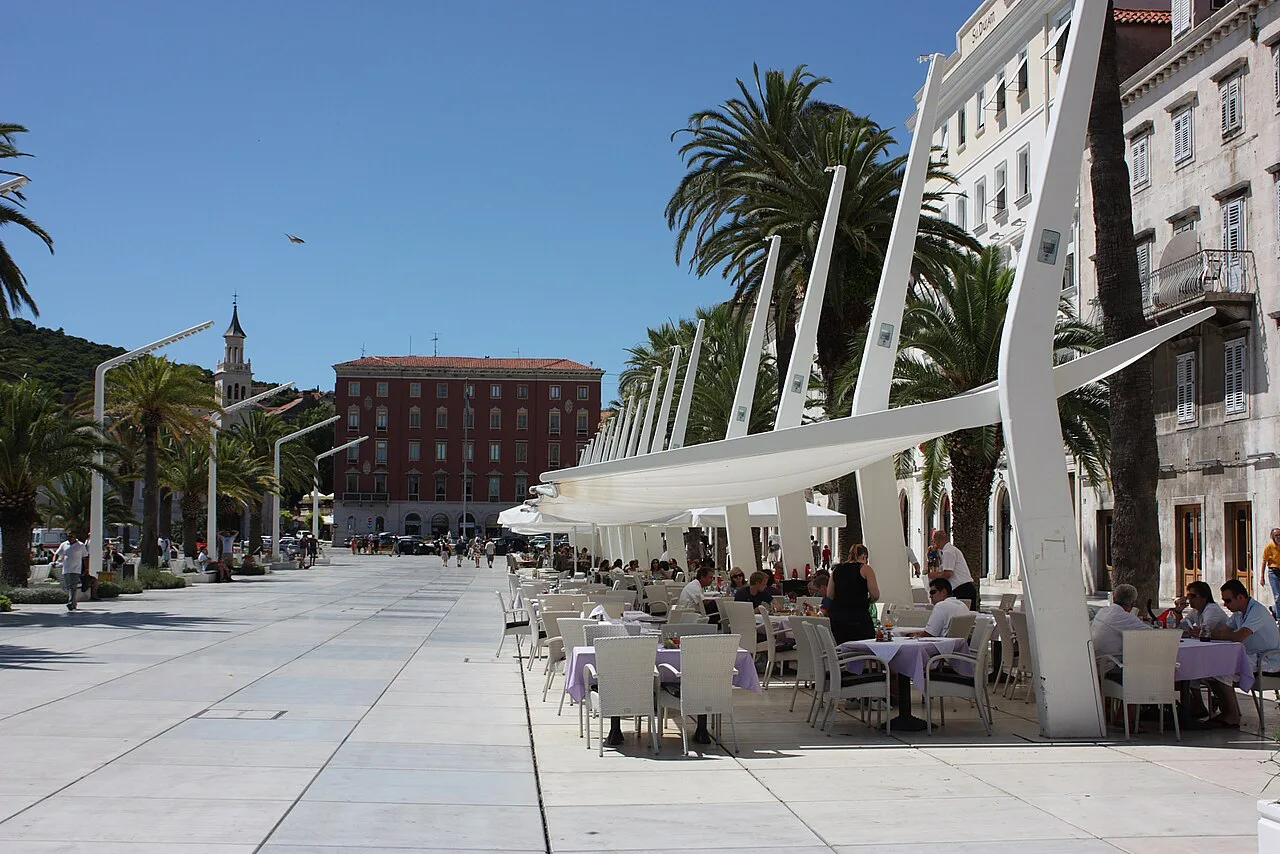
The old-town terrace buys you the view and the convenience, and you pay for both. That is a fair trade for a first evening or a slow lunch, but it is rarely where the cooking is most interesting.
The local room outside the centre buys you better ingredients and a lower bill, at the cost of a walk or a taxi and a menu in Croatian. Konoba Kod Joze is the example to hold in mind: a lunch spot for people who work nearby, not a stage set.
A sensible Split is one terrace meal for the setting and the rest of your evenings in the local places. You will eat better on the second night than the first.
Cash versus card
Card acceptance is wide on the coast, but not universal, and the small family rooms are the ones most likely to take cash only. Villa Spiza in Split is cash only, so carry euros for exactly that kind of evening.
A practical habit is to draw cash once a day and keep enough for one dinner for two, so a cash-only room never forces you to change plans. Croatia uses the euro, so there is no currency conversion to worry about at the till.
A short route down the coast
Start in Split, where Villa Spiza, The Fife Konoba, Konoba Kod Joze and Pizzeria Skipper give you four different ways to eat well in one city. That is enough for a first visit, and it teaches you the menu vocabulary you need for the rest of the trip. For the full set of picks, the guide to the best restaurants in Split goes deeper on each room.
West of Split, stop in Trogir for an evening, then head inland to the Skradin restaurants, where the setting near Krka National Park and Skradinski Buk makes a lunch worth the detour. The town is small and the cooking is confident.
Southeast along the Makarska Riviera, the eating turns toward grilled meat and baked lamb, and the Makarska restaurants reward a booked table in high summer. Further down the coast, Brela restaurants make a good stop between swims.
Between Split and the riviera, the Omiš restaurants sit under the cliffs of Omiška Dinara and give you a quieter evening than the city.
Which Dalmatian table should you book first?
Book Villa Spiza for your first Split evening if you can eat early and pay in cash, then keep Konoba Kod Joze for lunch and The Fife Konoba for the night you want the marina, the fish and the house white. That combination covers the range of Dalmatian eating without a single wasted evening.
Outside Split, pick one coast town and eat there properly rather than moving every night. Trogir, Omiš and Makarska all reward a booked table and a long lunch more than a quick stop.
Explore more Croatia guides
Frequently Asked Questions
What is Dalmatian cuisine in Croatia?
It is coastal cooking built on grilled fish and shellfish from the Adriatic, olive oil, vegetables and a light hand with seasoning. Inland, it turns to pršut, the Dalmatian dry-cured ham, paški sir, the hard sheep's cheese from Pag, and slow-cooked lamb. The konoba, a tavern-style family restaurant, is where most of it is served.
Is Croatia expensive to eat out?
It depends on what you order and where you sit. A plate of fried smelts or a pizza costs far less than a whole fish priced by the kilo on an old-town terrace, so set your budget by choosing the cheaper format for most meals and saving the by-weight fish for one evening. Ask the weight and price per kilo before the fish goes on the grill.
What is special about eating on the Dalmatian coast?
The fish is grilled fresh, the olive oil is local, and the konoba format keeps portions generous. Many rooms open only from roughly May to October, so out of season you may find fewer places open.
Sources
Notes on eating well in Croatia
Optional updates to our food guides.
You might also like



Continue reading
More guides you'll find useful





