
Restaurants in Bol, Brač: Where to Eat and What to Order
Restaurants in Bol on Brač, from harbour-terrace Dalmatian cooking to plant-based bistros, with the dishes to order and how to plan around the season.
On this page
Bol is small enough to walk across, but its restaurants split into two clear groups: harbour terraces with the view built into the price, and inland Brač konobas where the cooking carries the evening. The short version: book a harbour table for one night, then spend another driving to Nerežišće or Gornji Humac for lamb and island specialities. This guide names the venues worth your time, the dish to order at each, and how a shared fish platter works out in euros.
Prices here come from the menus the venues publish themselves and are given as they appear, so treat them as a reference point rather than a fixed quote for your visit. Fish by the kilo and seasonality change the bill far more than the printed menu does.
What eating out in Bol is like
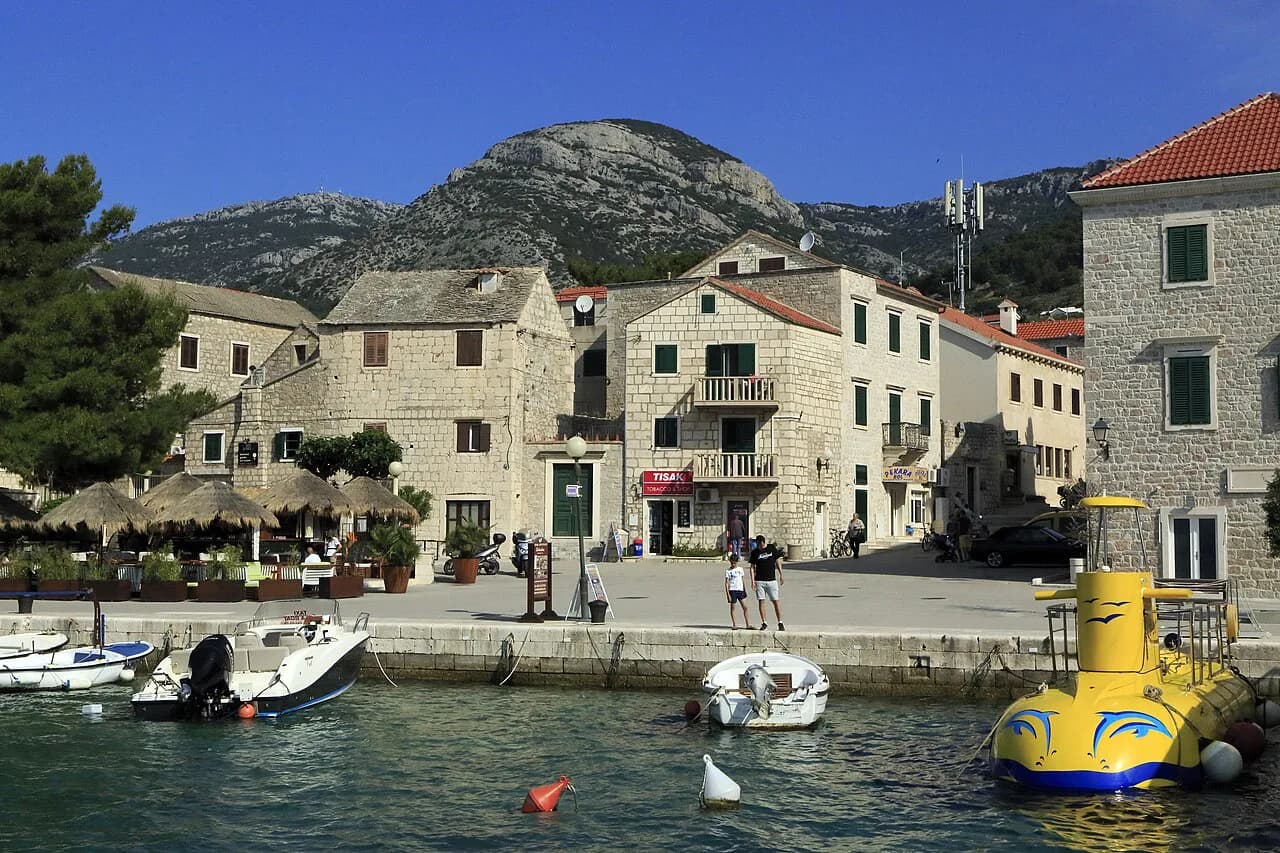
Bol's dining is compressed into a few streets around the harbour and the promenade leading towards Zlatni rat, which means competition for the sea-view tables is fierce in July and August and almost absent in winter. The terrace view and the kitchen quality do not always match: several places lean on position rather than cooking, so it pays to pick by the dish you want rather than the panorama alone.
The town also has a plant-based bistro, which is unusual for a place this size, though it currently lists itself as closed for the season. If you are eating across the island, the wider [Dalmatian islands restaurants](/dalmatian-islands-restaurants) picture helps you see how Bol compares with Hvar, Korčula and Vis.
Dalmatian dishes to order in Bol
Start with the fish stews. Brodet (also spelled brudet) is fish simmered with wine, tomato, parsley and garlic, usually served with polenta, and it is the dish that tells you most about a kitchen's patience. Gregada is the island cousin: white fish cooked slowly with potatoes, olive oil and white wine, lighter and more delicate.
Beyond the stews, look for fish and scampi cooked buzara style, a shallow bath of white wine, garlic, parsley and breadcrumbs, and for lamb or veal under the baking lid, cooked slowly under a domed metal cover with embers on top. Grilled scampi here are typically dressed with olive oil, lemon and a little paprika rather than a heavy sauce.
On the sweet side, Brač has its own answer to a dense nut cake: Dol cake, made from almonds, walnuts and caramelised sugar, sold in the villages behind Bol. Order it with a coffee rather than as a dessert course if you have already eaten heavily.
Restaurant Santo: family Dalmatian cooking above the harbour
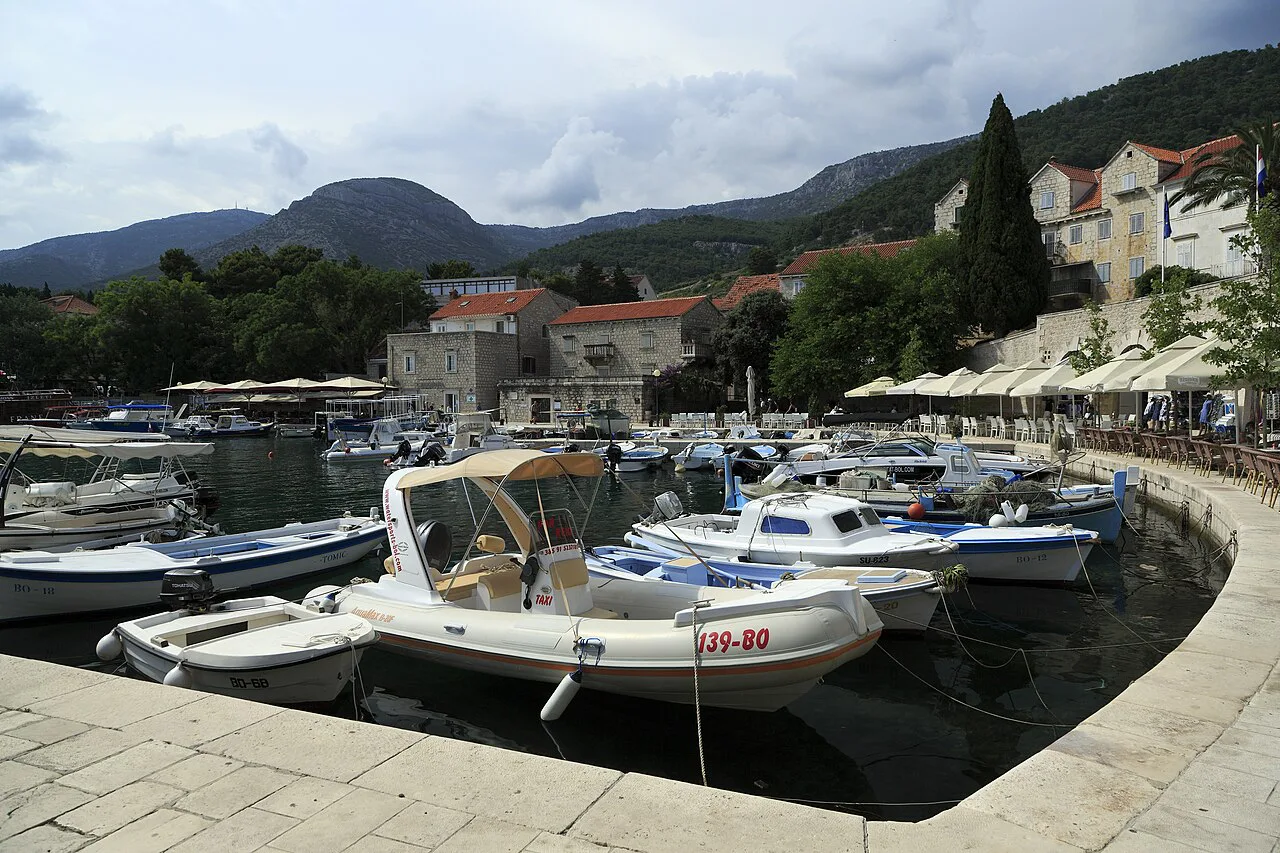
Restaurant Santo sits on an elevated terrace above the Bol harbour, looking across towards Hvar, and describes itself as a family business now in its third generation, founded by Jerkica and Franjo Santo and still run by their children, grandchildren and relatives. The cooking is traditional Dalmatian with a modern trim, and its signature fish brodetto is based on a family recipe.
The dish to order is Nona Temeljka's fish brodetto, listed at 30,00 €, which comes from a family recipe rather than a standard menu template. Grilled sea bass with Swiss chard is 23,00 €, grilled lamb with fries and vegetables is 33,00 €, and a fish platter for two with chard is 67,00 €. The restaurant lists tables from 12:00 to 24:00 daily and recommends booking during the summer season.
Restaurant Gust: traditional cooking on Frane Radića
Gust is the address for classic Dalmatian gastronomy in the town centre, on Frane Radića, and its menu leans on traditional dishes: lobster salad, lobster with spaghetti, and gregada. If you want one sit-down meal that covers the island's repertoire, this is a sensible choice.
Order the gregada here rather than a grilled fish if you are a table of two or more, because it is a shared dish built around one pot of fish and potatoes. Lobster with spaghetti is the celebration order and will dominate the bill, so decide early whether the evening is about that or about the stew.
Restaurant Mlin: an old mill by the sea
Mlin occupies an old mill on the seafront, with a cascading terrace stepping down towards the water on Ante Starčevića. The kitchen works the slow-cooked end of the menu: brudet with cornmeal, fish marinade, and veal or lamb under the baking lid, plus spit-roast lamb.
This is a good pick when you want the seaside setting with a more old-fashioned plate than the harbour terraces offer. Lamb under the baking lid is the dish to aim for from this short, slow-cooked menu.
Restaurant Ribarska kućica: seafood and grilled scampi
Ribarska kućica on Starčevićeva is the seafood-first option, with lobster salad, home-made gnocchi in prosciutto sauce, and scampi either grilled or buzara style. It suits a group that wants to build a meal from several small plates rather than commit to one main each.
The gnocchi with prosciutto sauce is a useful bridge between seafood eaters and anyone in the party who would rather not have fish. The menu also lists a grilled version of the same scampi for anyone avoiding the buzara sauce.
BioMania: plant-based cooking near the harbour
BioMania runs a bistro in central Bol on Rudina, overlooking the harbour, built around plant-based cooking with organic, locally sourced ingredients from Brač. The menu runs to a BioMania burger, a falafel bowl and a serious cake selection, which makes it the obvious choice for vegetarians and vegans who are tired of choosing between grilled vegetables and a side salad when it is open.
Note the season: BioMania Bol is currently listed as closed for the season, and its street-food outlet at the Zlatni rat food court is temporarily closed, both on the company's own site. That pattern of closing outside summer is standard on the Dalmatian coast and worth building into your plans.
Konobas on Brač beyond the town
Konoba Kopacina, between Nerežišće and Donji Humac, is known for lamb and a range of native Brač specialities, with a lamb festival in summer and a strong line in soups. Nono Ban in Gornji Humac cooks indigenous Brač food from its own ingredients, with home-made wines and brandy alongside. Both are inland, so they need a car or a taxi and they make a different evening from a harbour table.
For more of the island's inland cooking, including Donji Humac and the konobas around it, the [Brač restaurants](/brac-restaurants) guide covers the villages behind Bol. The short drive is worthwhile precisely because the menus lean on lamb and local produce rather than the fish that dominates the port.
Tavern Toni in Dol and what Dol cake is
Tavern Toni in Dol, near Postira, serves Dalmatian cuisine and Brač specialities with lamb as the centrepiece, and it is the place to try the island's Dol cake. The cake is a dense, sweet combination of almonds, walnuts and caramelised sugar.
Come here for lunch after a morning on the coast road rather than as a dinner run from Bol, since Dol is on the northern side of the island. Order lamb and finish with the cake instead of a heavier dessert.
Tavern Kod Tonca on the riva at Splitska
Kod Tonca in Splitska is an old stone tavern run by one family, with seating out on the riva, and the menu is built on risottos, stew with dumplings and lobster stew. It is the kind of place where the room does most of the work: thick walls, waterfront tables, no view of Hvar required.
Splitska is a short drive from Bol on the northern coast, so this pairs well with a day when you have a car. The stew with dumplings is the dish to order if you want something other than fish after a run of seafood lunches.
Seafood by the kilo and shared platters
In Dalmatia, whole fish and scampi are commonly priced by weight, which means the figure on the menu can be per kilo and the final cost depends on the fish you choose from the counter. Ask the weight and the price per kilo before it goes on the grill, because a larger fish for four can double the cost of the table's main course.
A shared platter is the easiest way to see what that means. At Santo, a fish platter for two with Swiss chard is listed at 67,00 €, which puts a mixed seafood spread at a predictable price instead of a by-weight guess. If you want the theatre of choosing a whole fish, do that instead, but ask for the weight and the price per kilo first.
Booking in high season versus walking in
In July and August, the harbour terraces fill early and Santo recommends reserving a table during the summer season, so a same-day walk-in is a gamble on the best-positioned rooms. Book your one harbour-view dinner ahead and leave the rest of the week flexible.
Outside high season the calculus flips: plenty of coastal kitchens close altogether, and the ones that stay open rarely need a booking. The practical rule is to book the view in summer and to wing the rest in winter, but confirm the venue is trading before you drive inland.
Harbour terraces versus inland konobas
The harbour terraces sell position: you are paying for the boats, the light and the walk home. The inland konobas sell cooking and, often, better value on lamb and slow-cooked dishes, at the cost of a drive. Neither is wrong; the mistake is spending every night on the port and wondering why the food feels samey.
A good Split is two harbour evenings and two inland, with lunch on the riva at Splitska in between. If you are island-hopping, the same tension plays out elsewhere, and our guide to [restaurants in Korčula](/korcula-restaurants) shows how a walled old town handles the view-versus-kitchen trade-off.
Lighter and vegetarian meals
BioMania is the vegetarian and vegan option in the centre, with a burger, a falafel bowl and desserts that are not an afterthought, when its summer season is running. For a lighter fish meal, ask for grilled fish with chard rather than the fried or stewed versions, and share a plate of octopus salad to start.
If you are heading north afterwards, the [Supetar restaurants](/supetar-restaurants) guide is useful for the ferry port side of the island, where the menu shifts towards quicker, everyday cooking.
Eating in Bol in the quieter months
Bol empties after September, and the seasonal shutdown is real rather than partial: BioMania Bol, for instance, currently lists itself as closed for the season. What remains open tends to be the family-run places in the town centre and the inland konobas that serve locals year-round.
Plan a winter or early-spring visit around lamb and stews inland rather than seafood on the water, and expect a shorter list of open kitchens overall. The upside is quieter waterfront tables and a more local crowd.
Is a harbour table or an inland konoba the better night out?
Book one harbour dinner for the view, then spend your second evening inland at Kopacina or Nono Ban for lamb and island cooking. That pairing gives you both versions of Bol without paying terrace prices every night.
Order brodet or gregada at least once, share a fish platter if you want a fixed price, and treat Dol cake as the island's dessert to try. Keep one evening free for whichever place is actually open outside summer.
Explore more Croatia guides
Frequently Asked Questions
Is Croatia expensive to eat out?
It depends on what you order. Grilled fish and scampi commonly sold by weight push a bill up quickly, while stews, lamb under the baking lid and inland konobas tend to be gentler. In Bol, you can get a firm figure by checking the restaurant's own price list, whereas a whole fish chosen from the counter is priced by the kilo.
Is Bol a party town?
Bol is a harbour town with a beach-resort rhythm rather than a clubbing destination. In summer the terraces are busy late into the evening and the promenade stays lively, but the appeal is eating by the water, not nightlife.
Sources
Notes on eating well in Croatia
Optional updates to our food guides.
You might also like



Continue reading
More guides you'll find useful





