
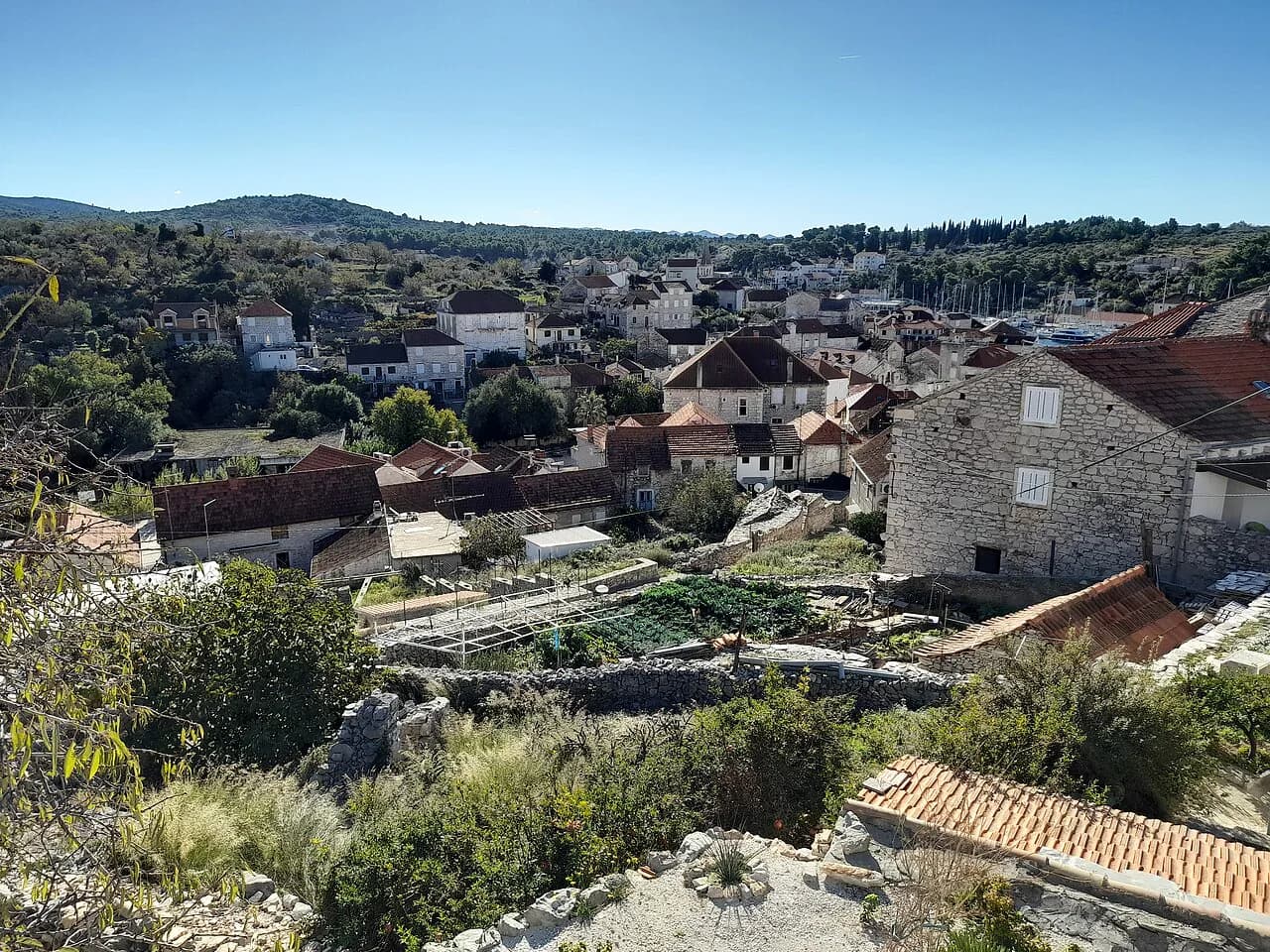
Brač Restaurants: Where to Eat on the Island of Brač
A practical guide to Brač restaurants, from Konoba Vinotoka in Supetar to the tavernas of Bol, with the dishes to order and how to book in high season.
On this page
Brač restaurants reward picking by where you are staying rather than chasing a single best table. Supetar has the lane-bound konoba, Bol has the polished waterfront taverna, and the interior village of Donji Humac has the lamb-driven country room. This guide groups the island's named kitchens by base, explains the fish-and-lamb divide that shapes most meals, and covers how to book when July and August fill the terraces.
Two eating styles dominate. Fish kitchens cook what the boats bring in, while inland konobas lean on lamb and meat from the island's pastures. Knowing which one suits the evening ahead is more useful than a ranked list.
Where to eat on Brač: the short answer
Head to Supetar for Konoba Vinotoka, to Bol for Taverna Riva and Mali Raj, and into the hills at Donji Humac for Konoba Kopacina. Those four cover the island's main bases and the split between waterfront fish cooking and inland village tables.
The wider island group follows the same logic, with konobas strung through harbour towns and village squares rather than clustered on one strip. If you are island-hopping, see the Dalmatian Islands Restaurants guide for where to eat across the archipelago.
Supetar: Konoba Vinotoka and the lanes behind the harbour
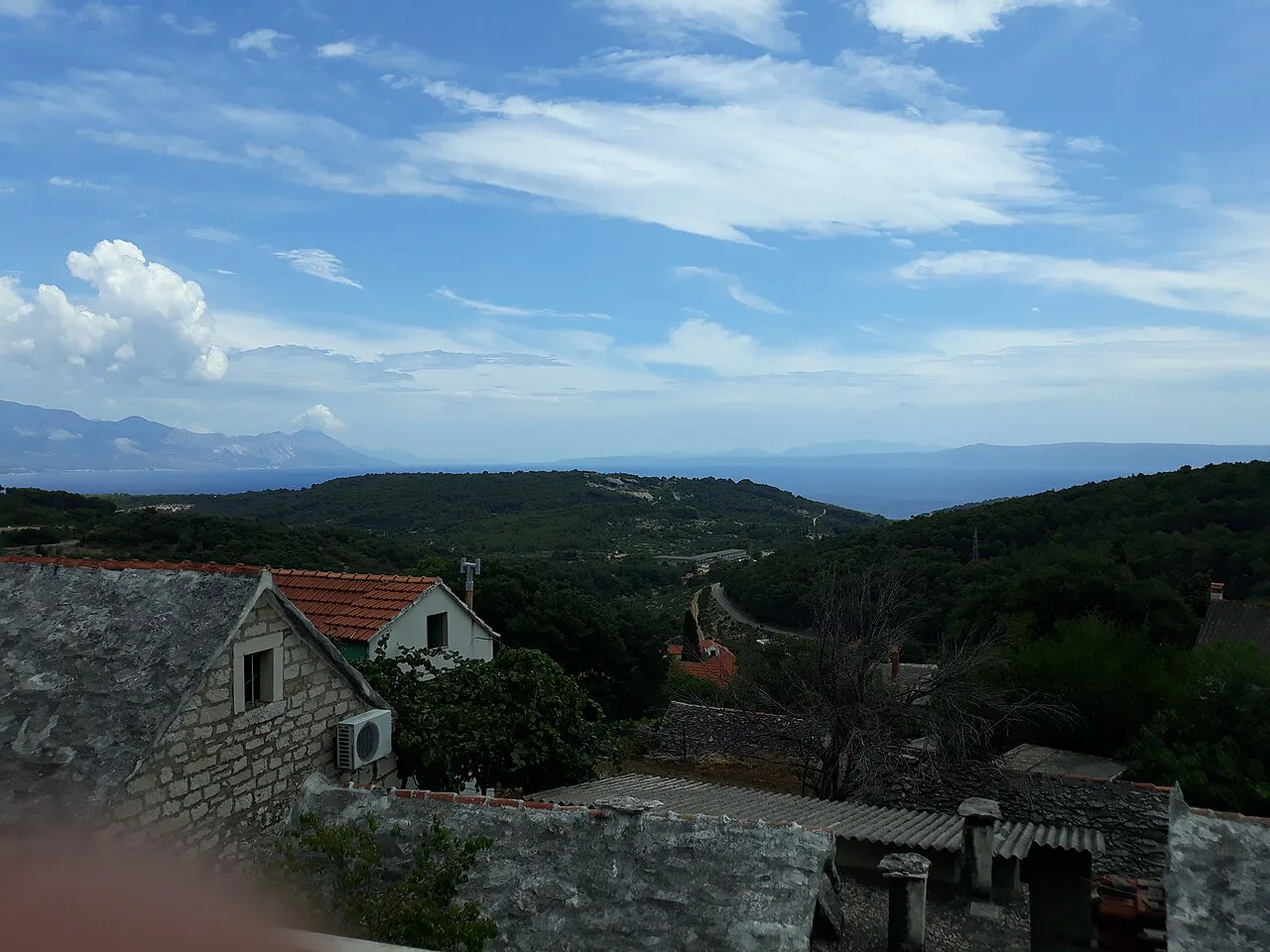
Konoba Vinotoka sits away from the Supetar waterfront rush, in a pebbled lane of stone steps and greenery that the town calls a kala. The family behind it runs its own fishing boat, so the kitchen is built around the day's catch. For more options nearby, see our guide to Supetar restaurants.
Meat dishes hold their own alongside the fish, and the konoba pours its own olive oil and its own red and white wine. Desserts change and are treated as a point of pride rather than an afterthought. Order a fish from the boat, share a meat plate, and finish with whatever sweet is on that day.
Supetar works well as a base because the ferry from Split lands here and the town stays lived-in outside August. Staying in town puts Vinotoka and a handful of other Supetar restaurants within walking distance of most of the accommodation.
Bol: Taverna Riva and Mali Raj
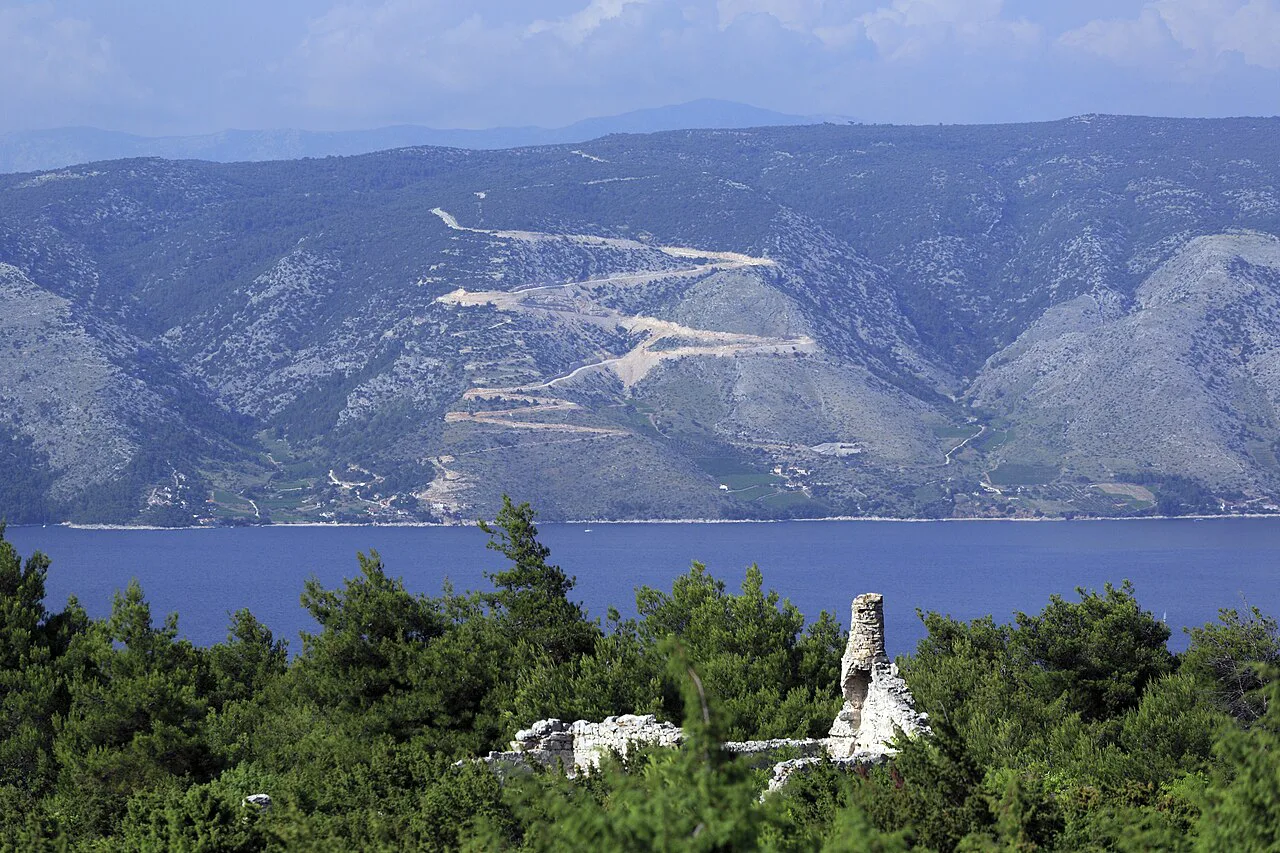
Taverna Riva occupies a marble terrace on the first floor right on the Bol waterfront, looking across the sea towards Hvar. The cooking blends traditional Dalmatian dishes with modern presentation across carpaccio and tartare, creamy risottos, pasta, grilled fish and meat.
Vegetarian and gluten-free menus are part of the offer at Taverna Riva, which matters if your group mixes diets. In summer the terrace is heavily in demand, so booking ahead is the sensible move rather than chancing a walk-in.
Mali Raj is the second Bol name included in the island's restaurant round-ups, giving you another option alongside the waterfront. In July and August Bol is the island's busiest base, with the harbour filling with boats from Hvar and Split.
Donji Humac: Konoba Kopacina in the village interior
Konoba Kopacina sits in Donji Humac, a stone village in the island's interior rather than on the coast. That inland setting is the point: you come here for the quiet and the lamb, not for a sea view.
The shift from fish to meat is the reason to drive inland. Brač lamb, olive oil and locally grown vegetables feature across the island's village tables, and Donji Humac is the clearest example of the pattern.
Pair an inland lunch with a drive back through the olive groves and stone walls rather than treating the village as an evening-only trip. It suits a day when the coast is crowded and you want a slower table.
What to order: fish from the boat, lamb, olive oil and local wine
Start with the fish. Konoba Vinotoka's boat and Taverna Riva's grilled fish both point to a kitchen that treats seafood as the main event. Order whole fish, ask for it grilled simply, and let olive oil and lemon do the rest.
Then consider the meat. Brač lamb and locally grown vegetables appear across the island's village tables, and the inland villages are where lamb makes most sense. Olive oil is produced by many local families, and konobas such as Vinotoka pour their own wine alongside it.
Desserts at the better tables change with the season, so ask what is being made that day instead of ordering from memory. The strength of a Brač meal is the short distance between boat, garden and plate.
Seafood versus meat: choosing between the island's fish kitchens and lamb
Choose a fish kitchen when you want a long lunch by the water and are happy to pay for what the boat brought in. Choose a village konoba when you want lamb, a slower pace and a shorter menu.
The two styles rarely overlap well in one room. A konoba with its own boat will always lead with fish, and an inland table will always lead with meat. Decide which meal you want before you book, and the choice between Supetar, Bol and Donji Humac becomes straightforward.
Booking a table in July and August
Bol is the pressure point. Taverna Riva's terrace is popular enough in summer that people are constantly asking for an extra table, so book before you travel rather than on the day. Supetar and Donji Humac are easier, but a call ahead still helps in peak weeks.
Book directly with the restaurant and confirm the day before, especially if you are arriving on an afternoon ferry. For the wider island picture, the restaurants in Korčula follow a similar rhythm of summer demand and quieter spring tables.
Village konobas versus waterfront terraces: the trade-off
The waterfront buys you the view and the convenience of walking home. It also buys you the crowd, the higher demand and, in Bol, the need to book well ahead. The village table buys you quiet, lamb and a slower evening, at the cost of a drive.
A sensible Brač stay mixes both. Book one waterfront evening in Bol, spend another in Supetar's lanes, and drive inland once for the village experience. That way you get the island's two eating cultures rather than one repeated.
If you are extending the trip to other islands, Komiža restaurants on Vis show the same pattern of harbour tables and village kitchens, with the added pull of a fishing town's daily catch.
Which Brač table should you book first?
Book Bol first if you want the waterfront evening, then build the rest of the week around Supetar and one inland lunch at Donji Humac. If you are staying near the ferry, start with Konoba Vinotoka and work outwards.
The island rewards splitting your meals between fish and lamb rather than repeating the same style. Pick one dinner by the water and one in the hills, and you will have eaten Brač properly.
Explore more Croatia guides
Frequently Asked Questions
Is Croatia expensive to eat out?
Croatia uses the euro, and prices on the coast rise in July and August when demand peaks. Brač mixes konoba cooking with waterfront tavernas, so the bill depends heavily on whether you order whole fish, which is often sold by weight, or a meat dish. Ask for the weight and the price per kilo before a whole fish is cooked.
What is Croatia's famous food?
Croatian cooking varies by region: Dalmatia leans on grilled fish, olive oil and lamb, while inland Croatia is known for heavier meat dishes and freshwater fish. On Brač, the fish kitchens and the inland lamb tables cover the two styles most travellers come for.
Do you need to book restaurants on Brač in summer?
In Bol, yes. Taverna Riva's terrace is heavily in demand in July and August, and walk-ins often find it full. Supetar and the inland villages are more forgiving, but a booking ahead still helps in peak weeks.
Which Brač restaurant is best for lamb?
Konoba Kopacina in Donji Humac is the inland village table that puts the island's meat cooking first. It suits a lunch or a slower evening away from the coast.
Where can you eat fish on Brač?
Konoba Vinotoka in Supetar is built around the family's own fishing boat, and Taverna Riva in Bol grills fish alongside carpaccio, tartare and risotto. Both put seafood at the centre of the menu.
Sources
Notes on eating well in Croatia
Optional updates to our food guides.
You might also like



Continue reading
More guides you'll find useful





