
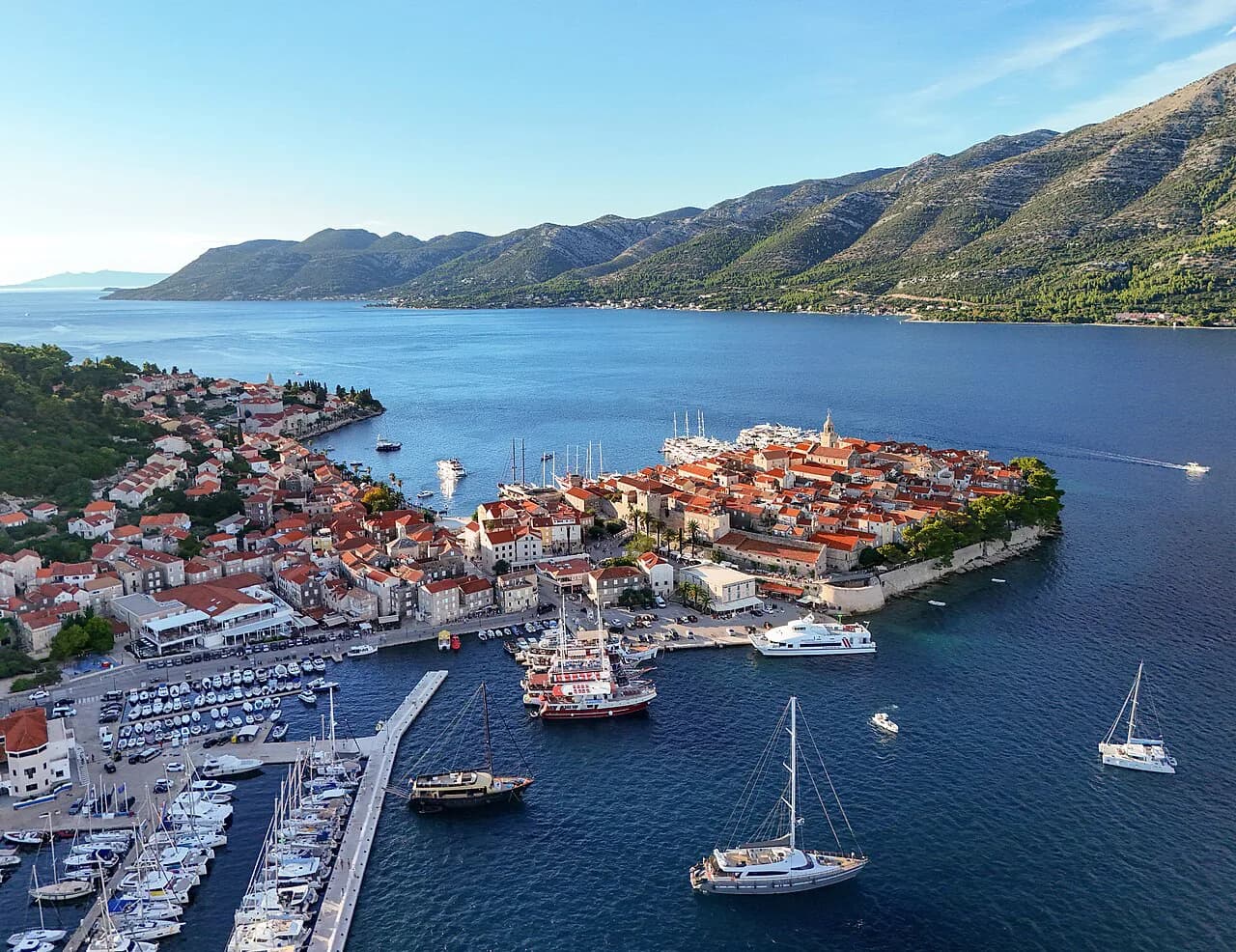
Restaurants in Korčula: Where to Eat in the Old Town and Beyond
Plan where to eat in Korčula with named restaurants and konobas, the island dishes to order and how a Dalmatian fish menu works, from the old town to the coast.
On this page
The best eating in Korčula splits into two halves: the walled old town for a single well-chosen dinner, and the rest of the island for konobas where fish, shellfish and Dalmatian cooking take their time. Four restaurants appear on the Michelin Guide listing for Korčula — Filippi, LD Restaurant, Konoba Mate and Nicolo Polo — a short starting shortlist of places the guide includes.
This guide separates old-town dining from the wider island, names the venues worth knowing, and explains the fish-by-the-kilo convention so the bill at the end of the night is not a surprise. It also covers what to order, how bread and cover charges work in Dalmatia, and why booking matters in high season.
What Korčula food is known for
Korčula sits in the Dalmatian culinary mainstream: grilled and stewed fish, shellfish, olive oil, vegetables from small plots and slow-cooked meat. The Michelin Guide files the island's listed restaurants under Mediterranean cuisine, which is the most useful single description of what to expect on a menu.
Because Korčula is a working island rather than a resort, the strongest cooking often leans on what comes off the boats and out of island gardens that morning. Look for menus that change with the catch and with the season rather than long printed lists that never move.
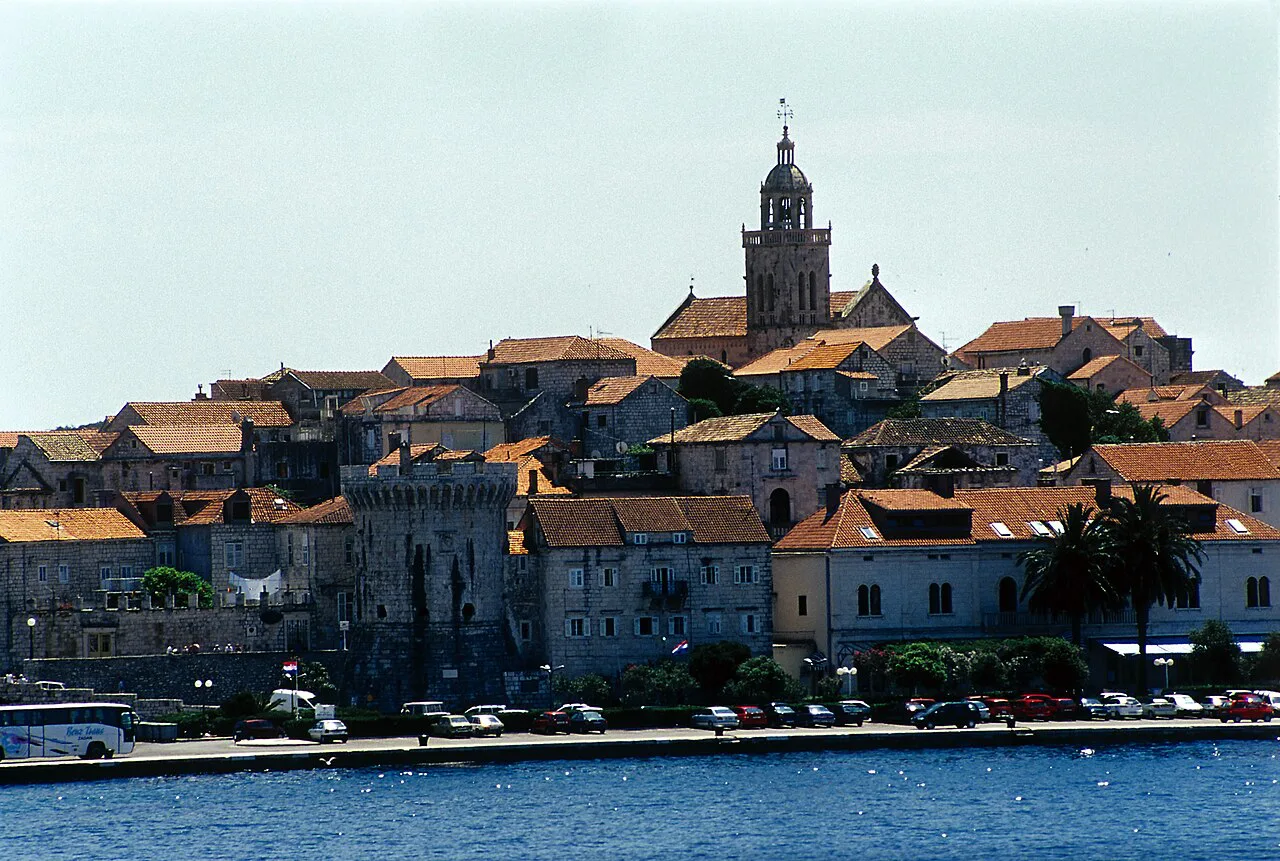
Where to eat in Korčula old town
The old town is a tight grid of limestone lanes, small squares and terraces tucked against the walls, so almost every restaurant is within a few minutes' walk of the next. That density is the appeal: you can compare menus in an evening and eat somewhere different each night without leaving the walls.
The trade-off is that old-town terraces carry the setting premium, and the busiest squares in July and August trade some calm for atmosphere. If you want a quieter table, walk the lanes away from the main through-routes and look at the smaller side streets before committing.
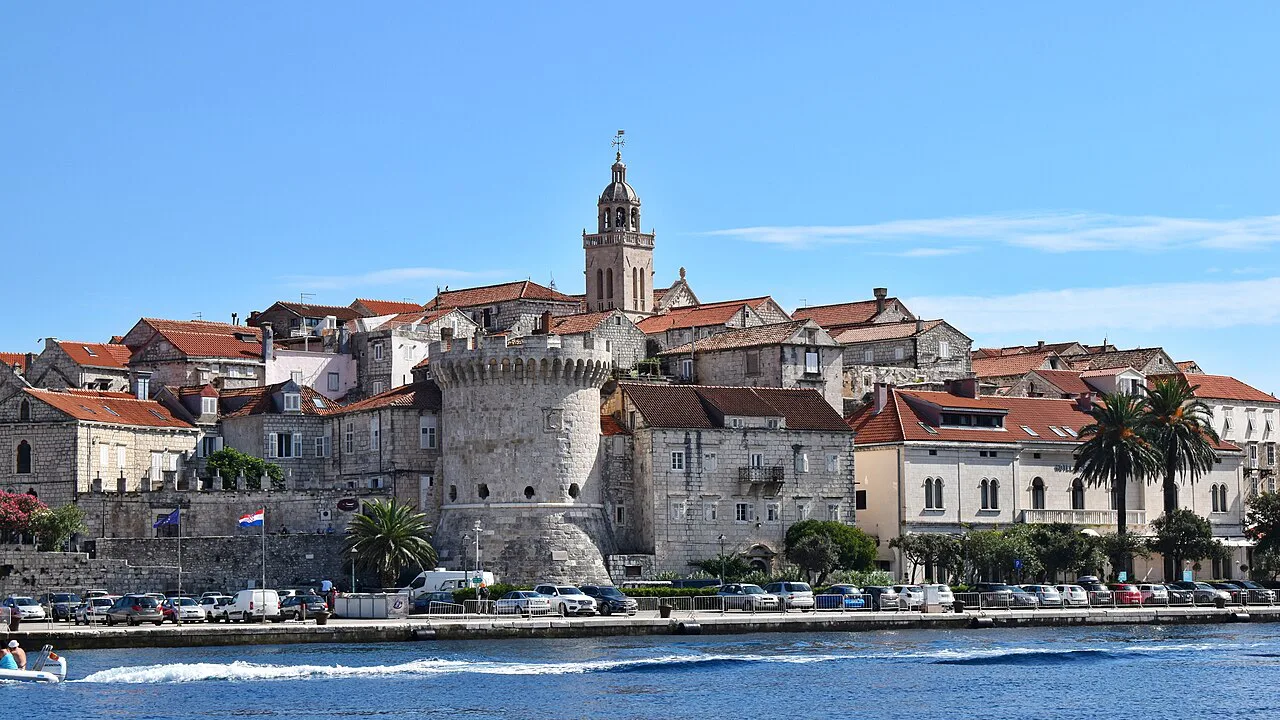
Michelin-listed restaurants in Korčula and what the listing means
The Michelin Guide lists four restaurants for Korčula: Filippi, LD Restaurant, Konoba Mate and Nicolo Polo. Read the listing as a shortlist of places the guide includes — it tells you who is in the directory, not what each kitchen serves on the night, so check the menu before you commit.
A listing is not a star, and it is not a Bib Gourmand. The page is a directory of restaurants the guide includes, so read it as a signal of quality rather than an award, and let your own reading of the menu decide.
Konobas and traditional restaurants on the island
A konoba is a traditional tavern, usually family-run, with a short menu of grilled fish, meat and local wine served without ceremony. On Korčula they are the natural counterweight to old-town terraces, and the drive or boat ride to one is part of the evening.
If you are stringing together several island stops, the wider Dalmatian islands restaurants guide is a useful map of which islands reward which kind of eating, from Korčula and Brač to the smaller car-free spots. It helps you decide where to spend your best dinner rather than spreading good meals thinly.
Brač makes a natural onward hop, and the restaurants in Bol give you a harbour town where konobas and waterfront tables sit within a short stroll of each other. Read that guide alongside this one if your ferry route or island-hopping plan puts Brač next on the list.
What to order: fish by the kilo, shellfish and Dalmatian classics
Fish is usually sold by weight, not by portion: you choose the whole fish from a tray or ice, the waiter weighs it, and the price per kilo determines what lands on the bill. That is why a modest-looking fish for two can cost more than a steak — ask for the weight before it goes on the grill.
Shellfish and simpler plates are a safer way to keep the bill predictable: mussels, clams, squid and octopus are usually priced per portion rather than by weight. Dalmatian classics such as pašticada (beef braised in a sweet-sour sauce) and grilled vegetables round out a menu that is not all seafood.
Bread and a small cover charge are normal in Croatian restaurants, and they appear on the bill rather than being offered as a free extra. If you do not want bread, say so when you order; it is a courtesy, not a trap.
Prices in euros and how fish is charged by weight
Croatia uses the euro, and menus across Korčula quote prices in euros, so there is no currency conversion to wrestle with. The variable that moves a bill most is the weight of the fish you choose, which is why the per-kilo price on the menu matters more than the headline price of a dish.
Ask the waiter to weigh the fish in front of you and to confirm the total before it is cooked. That single habit turns an uncertain bill into a known one, and any restaurant used to serving visitors will do it without fuss.
Booking a table in high season
In July and August, the old town fills up in the evening and the best tables go early, so booking a day or two ahead is sensible for dinner. Konobas outside the walls are often quieter but can still be full at weekends, so a phone call the same morning is a cheap hedge.
If you are travelling without a booking, eat earlier in the evening, when tables are freer and kitchens less rushed. A late lunch is the other reliable strategy on the island, when the same kitchens have more time for you.
Seasonal closures and eating out outside summer
Coastal and island restaurants across Dalmatia commonly close from late autumn to spring, and Korčula shares that seasonal rhythm. In winter the old town is quiet and many kitchens shut, so the choice narrows sharply to places that stay open for locals.
That means shoulder seasons — late spring and early autumn — are the sweet spot for eating well without the crush. The weather is still warm, the boats still run, and the kitchen is not yet running at full summer speed.
Old town or the rest of the island?
Choose the old town for one standout dinner where the setting matters, and save the konobas for the nights when you want a slower, cheaper, more local meal. If your trip is short, book the old-town table first and let the rest of the island fill in around it.
For a wider sweep of the Dalmatian coast, the Dalmatian islands restaurants guide connects Korčula to the rest of the archipelago, so you can match each island to the kind of meal it does best.
Explore more Croatia guides
Sources
Notes on eating well in Croatia
Optional updates to our food guides.
You might also like



Continue reading
More guides you'll find useful





