
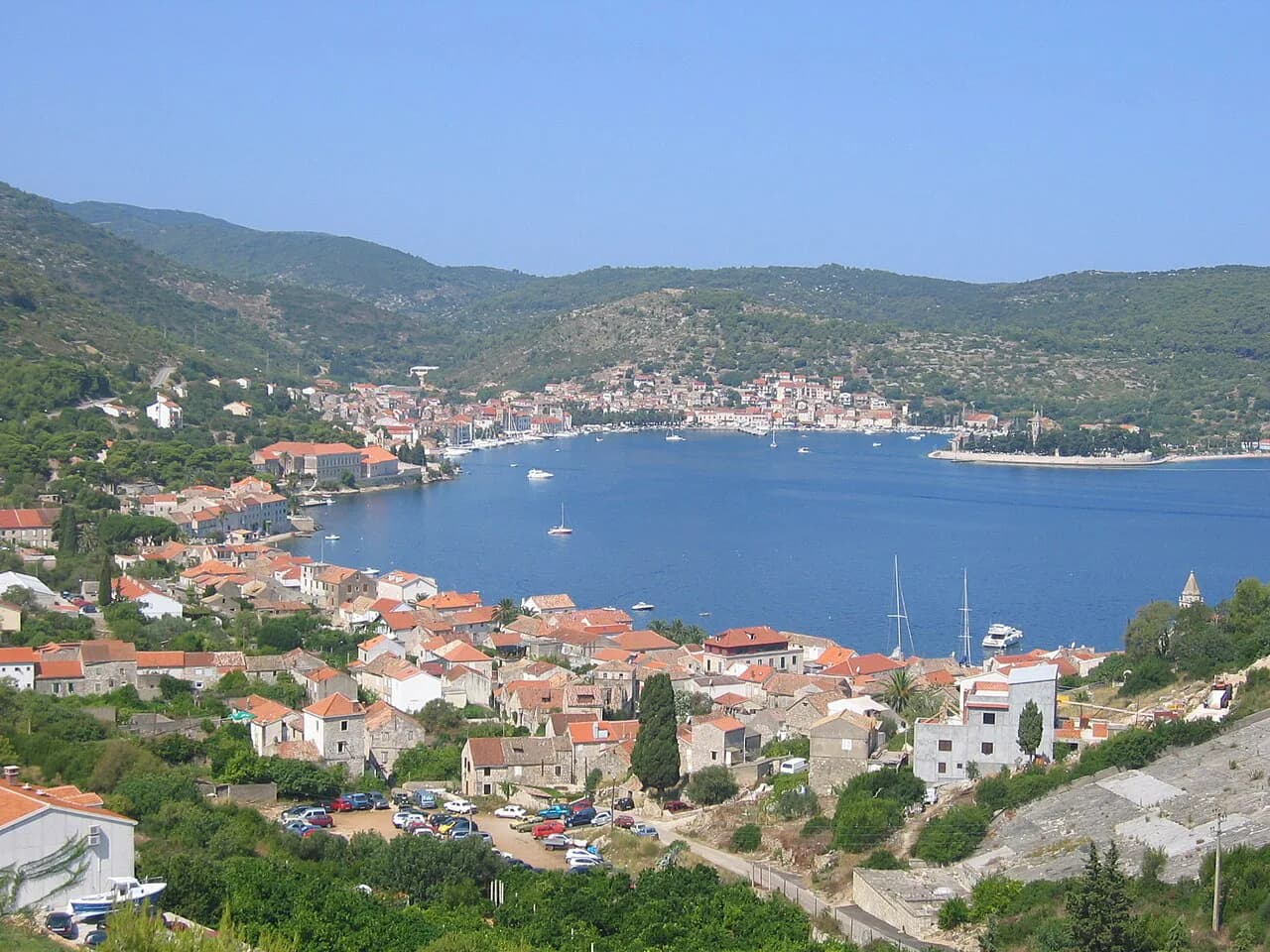
Restaurants in Vis: Konobas, Seafood and Peka Picks
A pick of restaurants and konobas on Vis, from Komiža fish terraces to peka in the vineyards, with what each place does best and how to plan around tables.
On this page
The quick answer for restaurants in Vis is to Split your meals between the island's village konobas and its seaside fish kitchens. The most rewarding picks are Konoba Roki's and Konoba Magić for peka cooked under embers, Konoba Stončica and Konoba Barba for fish by the water, Konoba Senko for a kitchen with no menu at all, and Restaurant Pojoda in Vis town for a table of small starters. This guide explains how a Vis konoba works, which dishes to order and how to decide between a Komiža fish terrace and a vineyard lunch.
Restaurants in Vis: the quick answer
Start with what kind of meal you want rather than a list of names. Peka is a slow-cooked dish of meat, fish or octopus with potatoes and vegetables, assembled in a pot, sealed with a cast-iron lid and cooked under the embers of an open fireplace, so it sets the shape of an evening rather than filling a gap. Fish is best eaten near the water at Komiža or Stončica bay, and a handful of small plates suits Vis town.
Peka is the dish that anchors most first visits, and two konobas here build their reputation on it: Roki's in Plisko polje and Magić among the vineyards near Stončica. Order it once as the centre of a meal rather than as an extra, because the pot arrives as a main course for sharing and everything else becomes a starter or a side. Beyond that, the picks below are the guide's own, sorted by setting and purpose.
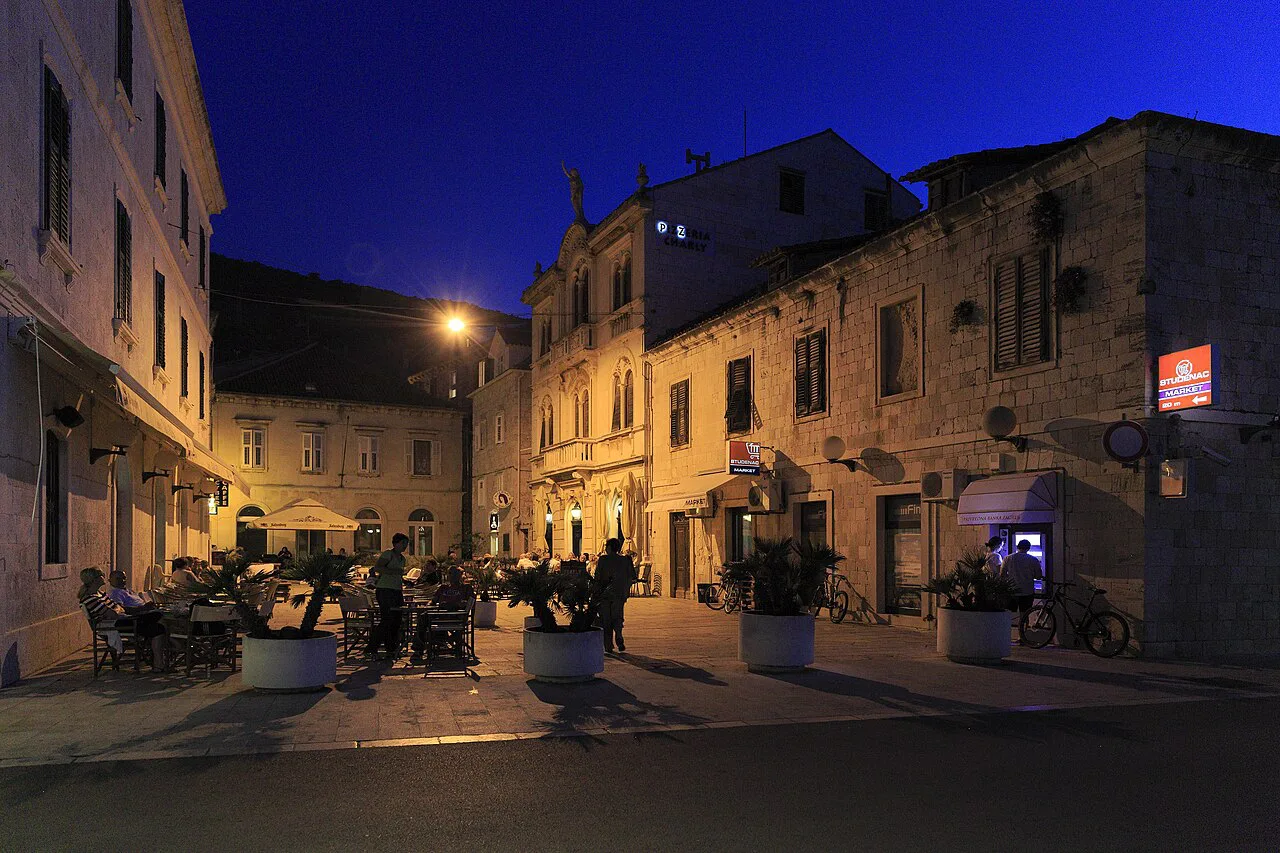
How eating out on Vis works: konobas, agriturizam and gradele
A konoba is a traditional restaurant, usually a rustic room or garden built around a large open fireplace called a gradele, where most of the cooking happens. That matters when you order: grilled fish and meat come straight off the gradele, while anything braised or cooked under a lid was started hours earlier. An agriturizam is a working farm open to visitors, where the menu tends to be short because the ingredients are homegrown, and it suits a long lunch rather than a quick stop.
Expect island cooking to lean on the sea and the garden. Locally grown capers turn up in cold starters such as octopus salad, fish pate and cheese platters, and also in hot dishes, while anchovies are a common ingredient across the menu. Dining on Vis is geared towards yachting visitors and is not cheap, so it pays to decide before you sit down whether you are ordering a shared peka, a whole grilled fish or a spread of small plates, as each produces a very different bill.
Vis spent decades closed as a military base, and the village of Komiža is often described as the cradle of fishing in the Adriatic, which explains how strongly seafood shapes the table here. The same isolation helped preserve small-scale farming and viticulture, so the produce behind a short menu is often genuinely local rather than a marketing line.
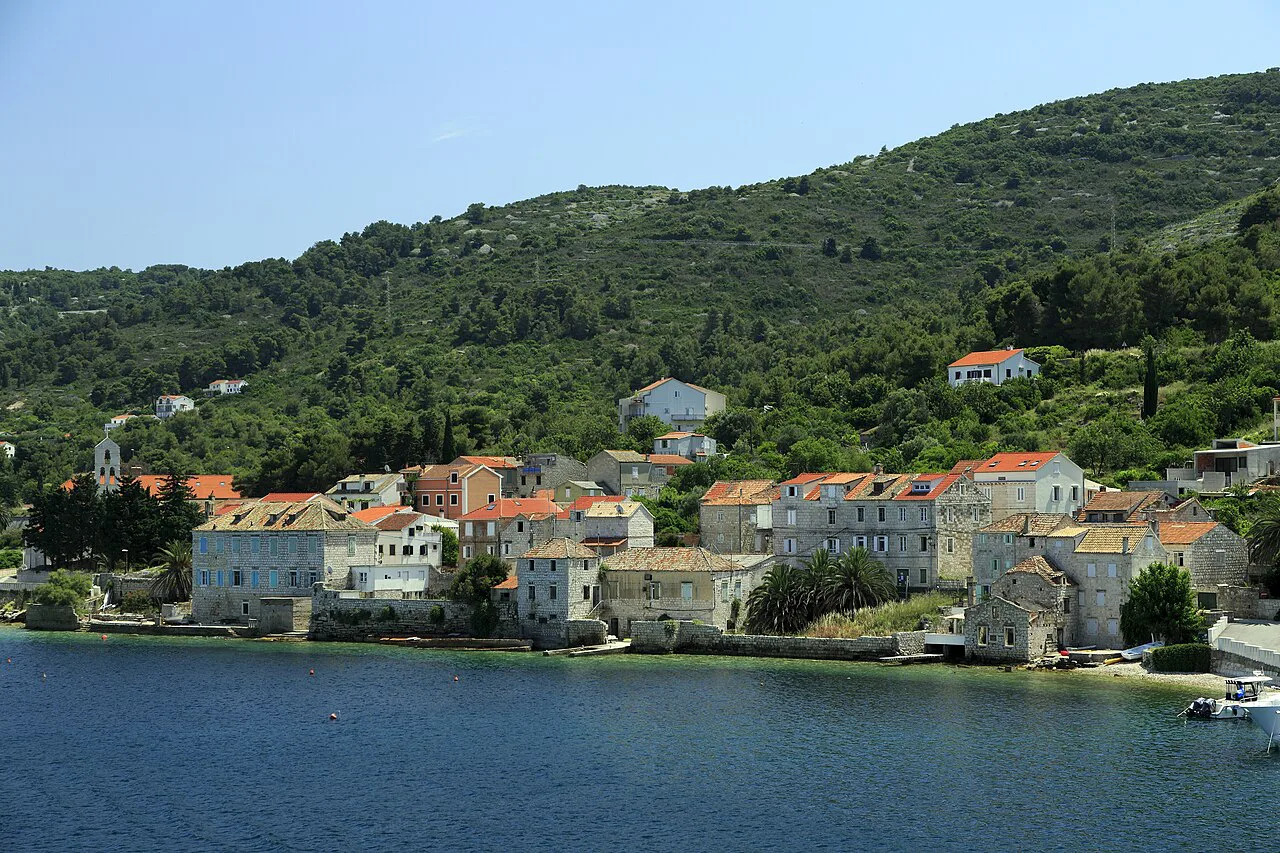
The dishes to order: peka, savur, capers, anchovies
Peka is the one dish to try at least once. Meat, fish or octopus goes into a pot with potatoes and vegetables, the lid goes on and the whole thing cooks slowly under the embers, which is why it usually needs ordering ahead and why it arrives as a generous shared main. Octopus cooked this way is the version most worth seeking out, and Konoba Magić does it tenderly among the vineyards near Stončica.
Away from the fireplace, order savur, a marinade of bluefish that is a house speciality at Konoba Stončica and a clean, sharp way to start a meal in the heat. Capers and anchovies do the rest of the work on the cold side of the menu, and both appear across starters and main dishes rather than in one dedicated section, so ask what is in a dish before assuming it is plain.
Konoba Roki's, Plisko polje
Roki's is a family-run restaurant and vinery in Plisko polje, inland from the coast, and its tables sit in a shady garden where peka is the reason most people come. The monkfish cooked in the pot shows how well the method works with fish as well as meat, and the garden setting makes it a natural choice for a long, unhurried dinner rather than a quick plate before moving on.
Tables for dinner are usually booked days in advance, so this is the one place in this pick where you should sort out your evening before you arrive on the island. If you leave it until the same afternoon in high season, you are gambling on a cancellation. Plan Roki's for the evening you care most about and build the rest of the day around it.
Konoba Magić, Stončica
Konoba Magić sits in the middle of vineyards near Stončica, which gives it a different feel from the harbour-side places in Komiža: you eat among the vines, with the countryside as the main view. Peka is again the draw, and the octopus version is tender enough to justify the wait. It is a strong pick for anyone who wants one inland, vineyard meal alongside a day on the Stončica side of the island.
Konoba Stončica, Stončica bay
Stončica bay is known for its sandy beach and clear water, and the konoba of the same name is the place to eat when you have settled there for the day. Savur, the marinated bluefish, is the house speciality and the best possible introduction to the local way with cold fish starters. Order it alongside other cold plates rather than treating the meal as a single main, and you get the most out of a lunch here.
Konoba Barba, Komiža
Konoba Barba is in Komiža, the fishing village on the western side of the island, and its terrace looks out over the water, so the setting is half the reason to book. The fish matches the view, and the waiting staff are knowledgeable without pushing extras, which is a relief when you are ordering by the kilo. It is the pick if you want a straightforward seafood dinner with a harbour in front of you.
Konoba Senko, Mala Travna
Konoba Senko at Mala Travna works differently from every other place here: there is no menu. You are served what the owner, Senko, has prepared for the day, which takes the decision out of your hands and makes the visit about what the kitchen has rather than what you fancied. It rewards a flexible attitude, so arrive without a fixed idea of the meal, and if you want a swim between courses, the sea is right there.
Restaurant Pojoda, Vis town
Pojoda in Vis town suits a different kind of meal: instead of one grilled fish, build a table of as many starters as the kitchen will bring. Barley risotto with shrimps and peas and a chickpea stew with fish are the sorts of dishes that make skipping the grill feel like the right call. It is the place to choose when you want to taste widely rather than commit to a single large plate.
Which one to pick: Komiža fish versus vineyard peka
Choose by the shape of your day. If you want a plate of fish and a view, Konoba Barba in Komiža and Konoba Stončica in the bay deliver it, with savur on the table at Stončica and staff at Barba happy to talk you through the catch. If you want the slow theatre of a pot under embers, book Roki's in Plisko polje or Magić near Stončica and make the meal the centre of the evening. For something entirely different, let Senko decide at Mala Travna.
For a broader set of island alternatives beyond Vis, compare the wider picture in these Dalmatian Islands Restaurants, and if your trip continues along the coast by ferry, the Restaurants in Korčula make a natural next stop. Each island has its own balance between harbour fish and inland cooking, so it is worth matching your meals to your ferry days.
Booking a table in high season, and the yachting crowd
In high season, book ahead for dinner, and treat Roki's as the priority: its dinner tables are usually reserved days in advance. Because restaurants on Vis are geared towards yachting visitors and are not cheap, a booked table also protects you from ending up with an expensive last-minute compromise in the harbour.
Vugava and Plavac with your meal
Two local wines are worth knowing for the table. Vugava is a dry white that is enjoyed in the restaurants of Vis and Komiža with molluscs, grilled fresh fish or seafood pasta, and also with artisan cheeses and pršut, the Dalmatian ham. Plavac is the better-known local red, strong and full, and it suits a slow-cooked evening more than a hot lunch.
Plavac is not the best choice on a very hot day, which is why the white Vugava tends to win at midday, while the red earns its place alongside the slow-cooked pot in the evening. Order by the glass or a bottle to share, keep the drinking modest and let the food lead.
Where to find the addresses
The villages are small and most of these places sit on or near the main waterfront streets of Komiža and Vis town, or on the lanes inland towards Plisko polje and Stončica. Use the village as your pin rather than a street number and navigate by the harbour or square. The island's pedestrian villages along the sea make the search part of the evening rather than a chore.
Which table to book first
Book Roki's first. It is the table most clearly worth reserving in high season, and peka in a shady garden is the sort of meal visitors remember from Vis. Fill the other evenings with Konoba Barba or Konoba Stončica for fish and savur, and Konoba Senko at Mala Travna when you want to be surprised.
Keep the list short and let one long meal anchor each day. With five or six restaurants across a week, you can spend the rest of your time on the water without turning every night into a search, and the order above gives you a fish night, a vineyard night and one kitchen that decides for you.
Explore more Croatia guides
Sources
Notes on eating well in Croatia
Optional updates to our food guides.
You might also like



Continue reading
More guides you'll find useful





