
Tučepi Restaurants: Where to Eat on the Makarska Riviera
Plan where to eat in Tučepi on the Makarska Riviera, from seafront konobas to olive-grove restaurants, with Dalmatian dishes and fish sold by the kilo.
On this page
Tučepi is a small Makarska Riviera village with two distinct eating zones: the seafront promenade and the inland slopes above it. The promenade suits grilled fish and a quick seafood risotto, while the inland places, set among olive groves, reward a slower lunch. Plan around which of those meals you want rather than chasing a long list of venues.
This guide separates promenade restaurants from inland konobas, names the Dalmatian dishes worth ordering and explains how whole fish is sold by the kilo. It also covers booking in high season, how the village empties outside summer and how payment works.
What eating out in Tučepi is like
The village runs along a narrow coastal strip, with the Biokovo mountain rising directly behind the houses. That geography splits eating into two patterns: tables facing the water, and terraces on the lower slopes where olive trees and kitchen gardens surround the building. The promenade is busiest at lunch and early evening, when families and day visitors move through, while the inland places fill more slowly and suit a long, unhurried meal.
A konoba is a Croatian tavern, traditionally family-run and built around local ingredients rather than a wide menu. In Tučepi, expect the inland versions to lean on olive oil, herbs and whatever the kitchen has from the garden or the market, with fish and meat cooked simply. The seafront places tend to run a broader menu aimed at holiday appetites. Neither style is better; they answer different moods.
Seafront konobas and restaurants
On the promenade, the default order is grilled fish with blitva, the Swiss chard and potato side that comes with olive oil and garlic. Seafood risotto is the other reliable choice: a wet, slowly stirred rice dish coloured by shellfish and finished with a drizzle of oil. Order one of each between two people and you cover both the grilled and the cooked-seafood sides of the kitchen.
For a wider range of Dalmatian cooking, from konobas to city restaurants, the best restaurants in Dalmatia guide is a useful place to compare what Tučepi offers with Split, Trogir and the islands. Use it to calibrate expectations: a village of this size keeps its menus tight, and the strongest plates are usually the simplest. The same seafood grammar applies up and down the coast.
If you are driving the coast, Trogir restaurants make a good comparison point for old-town cooking, though the setting is a walled island rather than a beachfront strip. In Tučepi the promenade is the whole stage, so pick a table by position: morning shade for lunch, or a spot that catches the evening breeze off the water. Ask whether the fish is sold by weight before you commit.
Eating away from the promenade
Head inland, up the lanes behind the main road, and the noise drops away. These restaurants sit among olive groves and smallholdings, and the cooking tends to follow the seasons more closely than the seafront menus: spring vegetables, lamb in the cooler months, and olive oil that comes from trees you can see from the table. Allow two hours for lunch and you get the most from the setting.
This inland style is shared across the Makarska Riviera, and Makarska restaurants give a sense of how the larger town handles it. In Tučepi the pleasure is the smaller scale: fewer tables, a shorter menu and a kitchen that can talk you through each dish. Walking up from the promenade takes only a few minutes, but the change of pace is immediate.
Baked lamb is the inland reward when it is on: meat cooked slowly under a lid, traditionally with potatoes, so it is ordered for a table rather than one person. It suits a group lunch and rarely appears on the promenade menus. If a place is cooking it that day, everything else in your order should shrink to leave room.
Dalmatian dishes worth ordering in Tučepi
Start with pršut, the Dalmatian dry-cured ham, sliced thin and served with olives and cheese. On the coast it is a cold starter before fish; the Istrian version is wind-dried for at least six months in the bura and then aged for another six to eight months in a dark room. Both are worth ordering, but they are different products from different regions.
Pašticada is slow-braised beef, marinated in vinegar, wine and dried fruit, then cooked for hours and served with gnocchi or njoki. It is a winter dish in spirit, so it appears more often outside high summer. Rozata, a caramel custard set in a mould and turned out with dark syrup, is the classic finish; it is the Dalmatian cousin of crème caramel.
Order whole grilled fish with blitva rather than chips, and ask for the fish to be filleted at the table if you prefer. Seafood risotto makes a good shared first course, but it is filling; two people sharing one risotto and one fish is a better balance than a risotto each. These are the plates that show a kitchen's real standard, more than anything with a sauce.
How fish is priced by the kilo
Whole fish in Croatia is usually sold by weight, not by portion. The kitchen weighs your fish before cooking and charges the weight at the day's rate, so the final price depends on the size of the fish you choose. Ask to see the fish and be told its weight and rate before it goes on the grill; a good restaurant will show you the fish and talk through the options without pressure.
A two-kilogramme gilt-head bream feeds two generously once it is cooked, so a fish weighing more than that is usually a table dish. If the price worries you, ask whether they have a smaller fish or suggest a seafood risotto instead. Do the multiplication before you agree: weight times rate is the number that lands on the bill, and sides are charged separately.
Booking a table in high season
Tučepi fills up in July and August, when the promenade restaurants turn tables quickly and the inland places book out for dinner. Book a day ahead for supper anywhere inland, and call in the morning for a promenade table if you want one at the water's edge. Lunch is usually easier to walk into, especially before one o'clock.
For a quieter meal, eat early, at opening time, or later, after nine. The gap between those windows is the peak, when larger groups arrive and service stretches thin. A promenade lunch after the beach clears, around two or three, often gives you a shaded table and a calmer kitchen. Outside July and August, booking rarely matters, but a phone call never hurts.
How eating out works across the year
Tučepi is a summer village, and many places on the coast and islands close from late autumn to spring. A restaurant that is open in July may be shuttered by November, so a winter visit needs a different plan: expect fewer tables and check before you rely on a particular place. Dining hours in Croatia generally run late, with lunch around noon to two and dinner from seven or eight.
For a wider choice in the shoulder months, look down the coast: Baška Voda restaurants and Brela restaurants are a short drive away and give you more options to compare when you want a confirmed table outside peak season. Treat any summer opening calendar as a summer document, not a year-round one.
Paying in Tučepi
Croatia has used the euro since 2023, and restaurant bills are settled in euros rather than the old kuna. Card acceptance is common in Tučepi but not universal, and some smaller inland places take cash only. Carry enough euros for one meal and you will not be caught out at a konoba with no card machine.
Ask before you sit down whether the bill can be Split and whether service is included. Croatian restaurants often include a cover charge for bread and oil, and tipping is customary at around ten per cent when you are happy with the meal. If the fish is priced by weight, the bill arrives with that calculation on it, so check the weight matches what you agreed.
Promenade or olive grove?
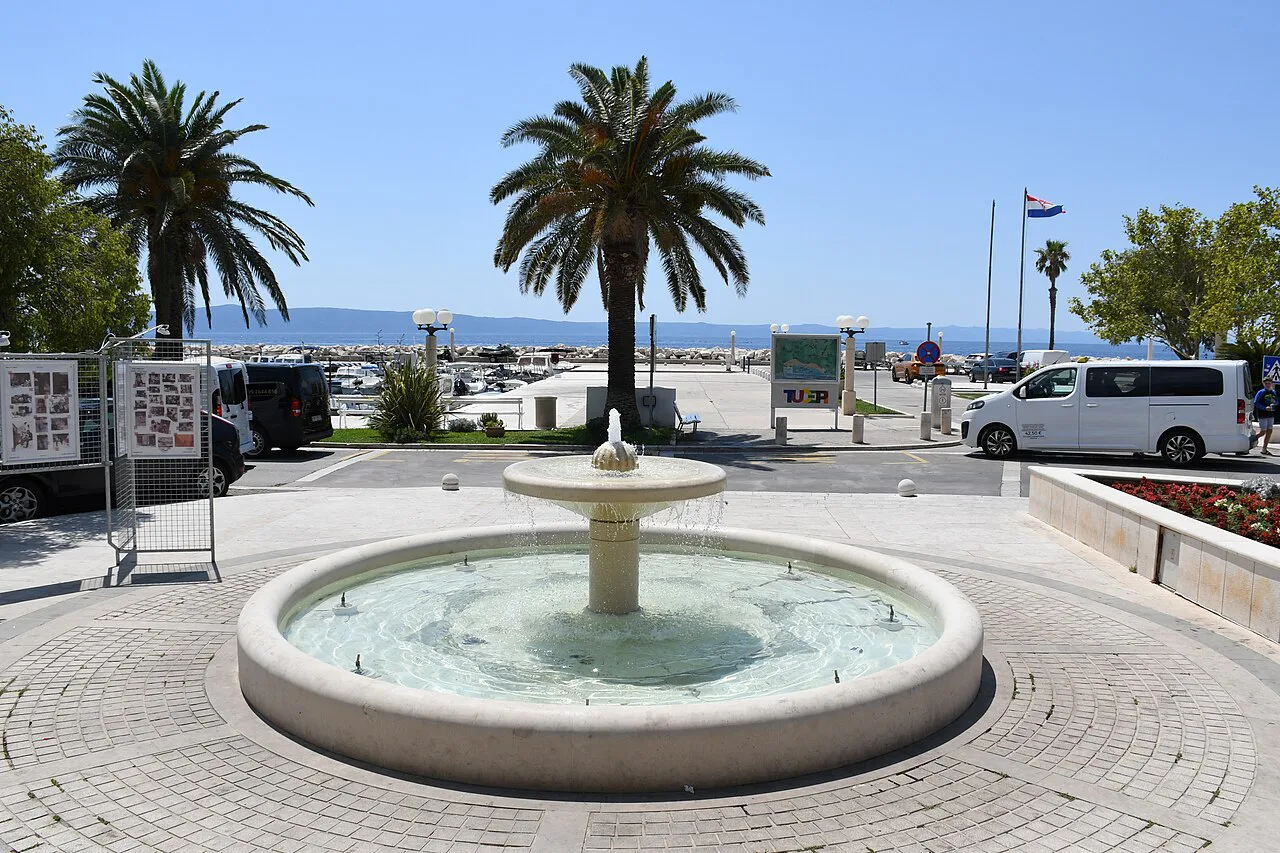
Choose the promenade for grilled fish and a view of the water, and the inland slopes for baked lamb and a long lunch among olive trees. If you only have one evening in Tučepi, book a table inland and eat early. If you have a beach day, a late promenade lunch after two is the easier pleasure.
Explore more Croatia guides
Frequently Asked Questions
Is Tučepi good for seafood?
Yes. Grilled fish with blitva and seafood risotto are the standard orders along the promenade, and a whole fish sold by weight is the centrepiece of many tables. Ask to see the fish and be told its weight before it is cooked.
Do you need to book restaurants in Tučepi in summer?
Book a day ahead for dinner at the inland places in July and August, and call in the morning for a promenade table at the water's edge. Lunch before one o'clock is usually easier to walk into.
Are restaurants in Tučepi open in winter?
Many places on this stretch of coast close from late autumn to spring, so a winter visit needs checking ahead. Outside peak season, Baška Voda and Brela a short drive away give you more options to compare.
Sources
Notes on eating well in Croatia
Optional updates to our food guides.
You might also like



Continue reading
More guides you'll find useful





