
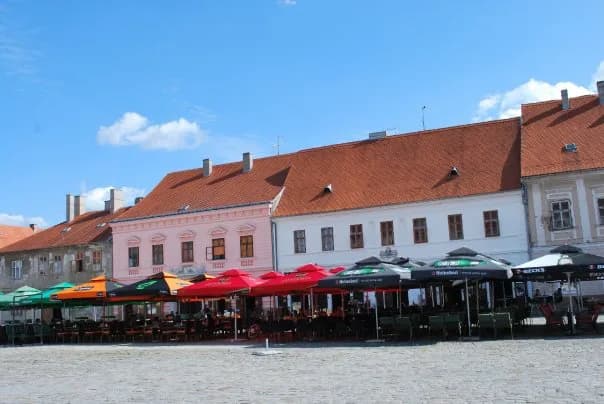
Coffee in Croatia: How to Order Kava Like a Local
In Croatia, kava means a small strong espresso, not a mug of filter coffee. Here is how to order bijela kava, produžena kava, macchiato and decaf.
On this page
Order kava in Croatia and you get a small, strong espresso, not a mug of filter coffee. That single default explains most of the confusion visitors feel at a Croatian café counter, so it is worth learning the handful of drink names before you sit down. This guide covers the main coffee types, the phrases that get you the right cup, and the slow sitting ritual that surrounds it.
Croatian café coffee is typically built on an espresso base, which is why the menu reads as variations on one drink rather than a list of brewing methods. Once you know which variation you want, ordering becomes a short sentence.
What you get when you order kava
Kava is the Croatian word for coffee, and on its own it delivers a short espresso in a small cup. Locals drink it standing at a bar in the morning and sitting on a terrace later, but the liquid in the cup is the same concentrated shot. If you are used to a large mild filter coffee, say so explicitly or you will spend your first morning with a thimble of something far stronger than you expected.
The main coffee types and what each one is. Crna kava is black coffee, effectively the espresso again, while produžena kava is that same espresso lengthened with hot water for a milder, Americano-style cup.
How to order in Croatian. The most useful phrase is molim jednu kavu, which means one coffee please and gets you the default espresso.
Milk, explained: bijela kava, kava s mlijekom and macchiato. Bijela kava, literally white coffee, is an espresso with a generous amount of steamed milk in a larger cup, the closest thing to a latte.
The espresso is not a stepping stone to something else here; it is the drink. That is why asking for milk without specifying how much tends to produce a puzzled waiter, and why the milk-based names below matter more than they would at home.
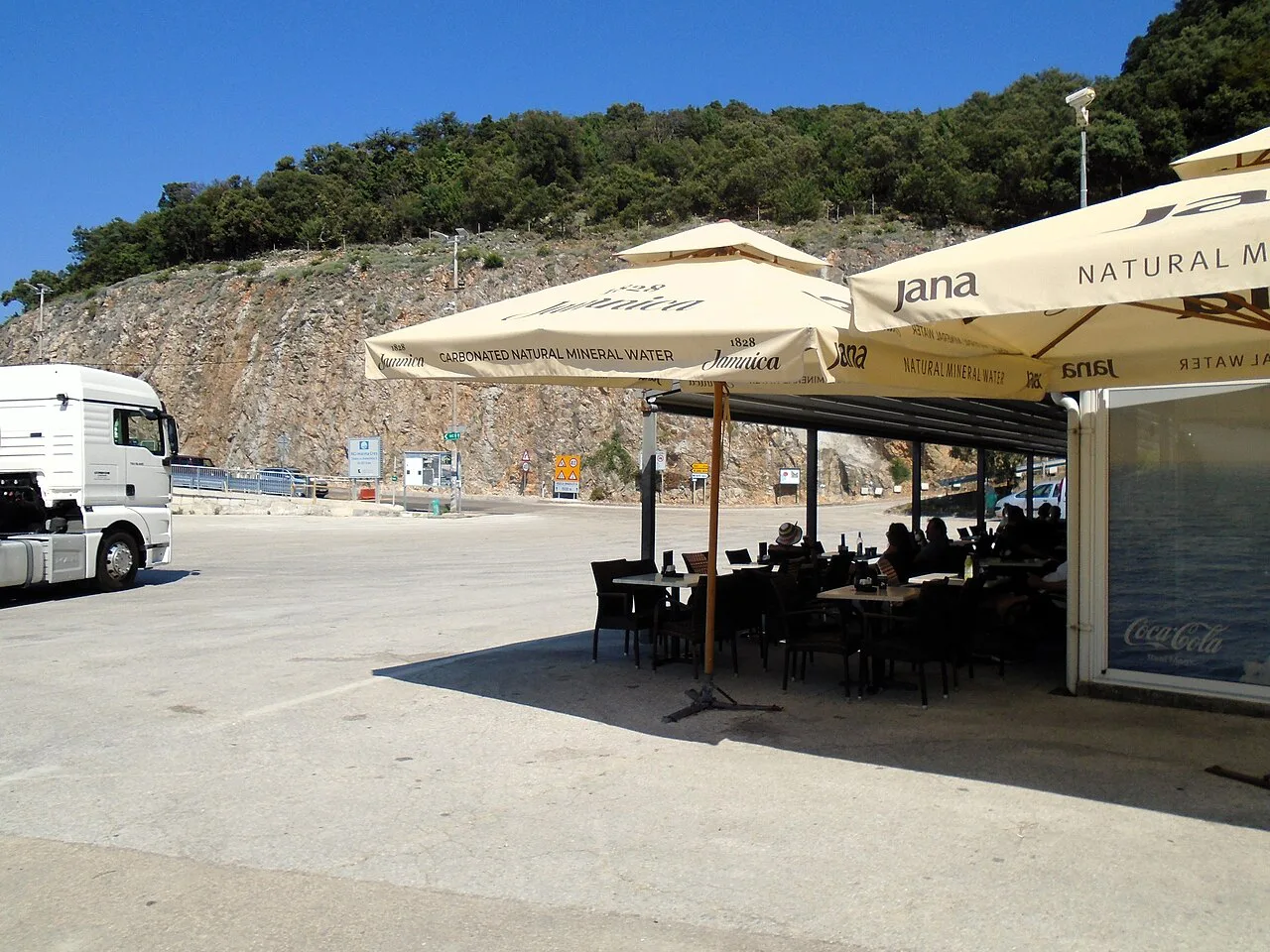
The main coffee types and what each one is
Crna kava is black coffee, effectively the espresso again, while produžena kava is that same espresso lengthened with hot water for a milder, Americano-style cup. Kratka kava goes the other way, a short, intense shot with minimal water. Bečka kava is the Viennese style, topped with whipped cream rather than milk.
Ledena kava is iced coffee, easier to find in tourist areas and specialist cafés than in a neighbourhood bar. Espresso, cappuccino and ristretto keep their international names, so you can order them as you would anywhere in Europe.
How to order in Croatian
The most useful phrase is molim jednu kavu, which means one coffee please and gets you the default espresso. For a black coffee say crnu kavu, molim; for an espresso, uzet ću espresso; for a decaf, imate li kavu bez kofeina. Add za van if you want it to take away, though few Croats do.
Pronunciation is forgiving and a rough attempt is appreciated more than an English sentence. Keep the phrases short, point at the menu if needed, and the order will land.
Milk, explained: bijela kava, kava s mlijekom and macchiato
Bijela kava, literally white coffee, is an espresso with a generous amount of steamed milk in a larger cup, the closest thing to a latte. Kava s mlijekom uses less hot milk, landing nearer a flat white. A macchiato is an espresso with only a small splash of milk or foam in a small cup.
Choose bijela kava if you want volume and a mild drink, kava s mlijekom if you want the coffee to still lead, and macchiato if you basically want espresso with a softening edge. Getting this right first time is the difference between a drink you enjoy and one you nurse politely.
Decaf, iced coffee and other hot drinks
There is no separate decaf menu to hunt for: add bez kofeina after any drink name, so kava bez kofeina or bijela kava bez kofeina both work. The same pattern applies to iced coffee, where molim jednu ledenu kavu gets you a ledena kava.
If you want nothing to do with espresso, Croatian cafés also pour čaj for tea, zeleni čaj for green tea, biljni čaj for herbal tea and vruća čokolada for hot chocolate, the last often thick and rich rather than watery.
The ritual: sitting, sipping and standing na šanku
Coffee in Croatia is a social activity first and a caffeine delivery system second. It is normal to sit over a single cup for an hour or more, talking or watching the street, and takeaway coffee is far less common than in Britain or the US. Sitting and savouring is the norm.
If you are short of time or watching your spending, drink it na šanku, standing at the bar, which is the quicker option locals use. Some cafés price differently depending on whether you sit inside, sit outside or stand at the bar, so the same drink can cost more on the terrace.
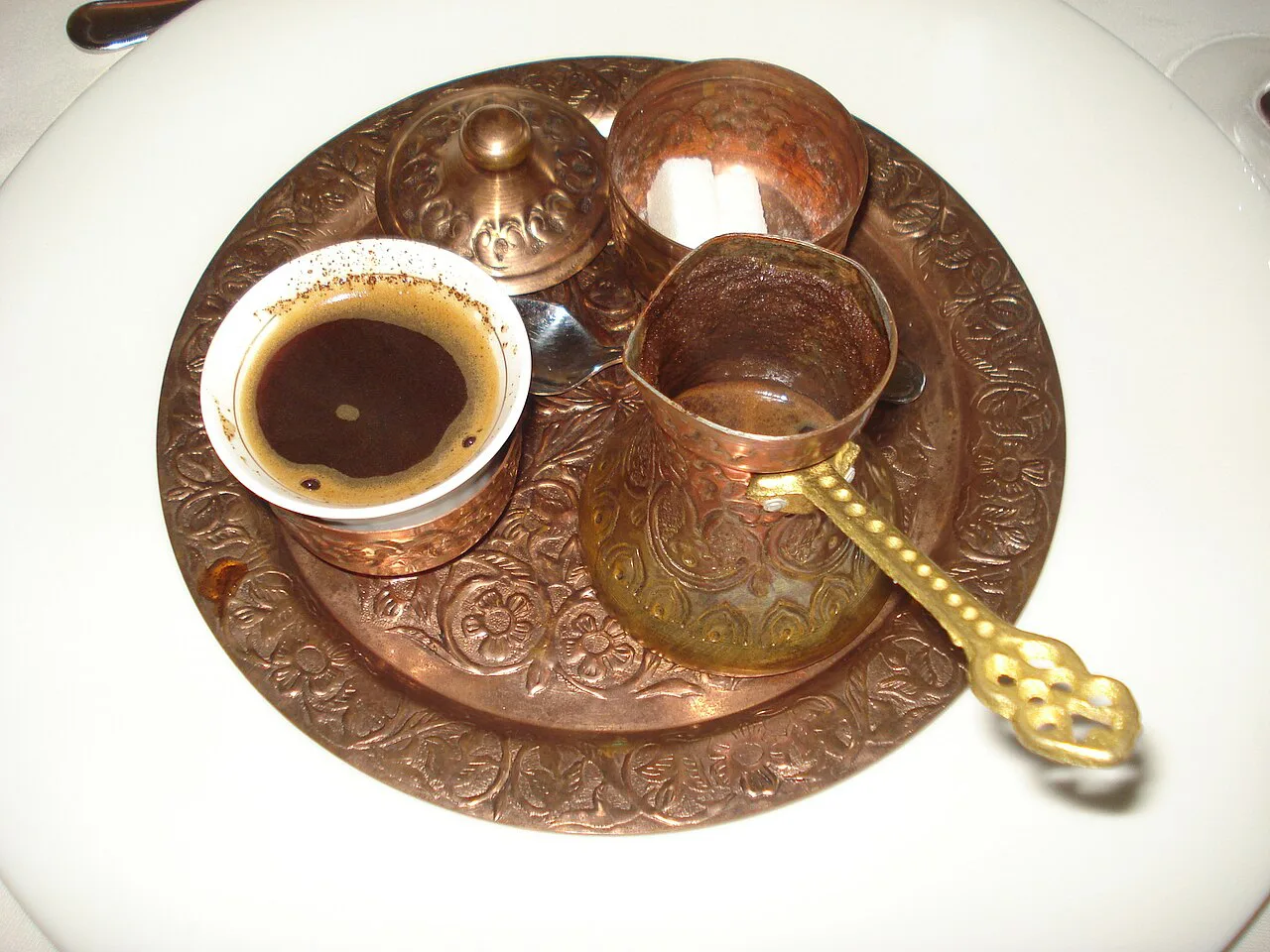
Sugar arrives with the coffee
You rarely need to ask for sugar, because it comes with the cup in packets or cubes. The local habit worth trying is umakanje šećera: dip a sugar cube briefly into the coffee, let it soak up the flavour, then eat it as a sweet accompaniment.
Coffee is only one part of what Croatia drinks, and an evening table usually turns to something stronger once the cups are cleared. If you want to know what joins it after dark, the guide to Croatian alcohol covers the spirits, beers and aperitifs you will meet, from Štrukani pelinkovac to the honey liqueur Medica and rakija more broadly, so you can order with the same confidence you have just learned at the café.
Coffee on a Zagreb or Split morning
In Zagreb the café is a winter institution as much as a summer one, with indoor tables full through the cold months and terraces packed the moment the sun appears. In Split, the morning espresso is a brief stand-at-the-bar affair before the day properly starts, and the same order that works inland works on the coast. Both cities run on the espresso default rather than a long filter menu.
Wherever you are, the practical rule is the same: name the drink, decide whether you are standing or sitting, and settle in. Croatia's café culture rewards slowness more than speed, so treat the coffee as the excuse for the pause rather than the point of it.
Which coffee to order first
Order a plain kava on your first morning to see what the local default tastes like, then move to bijela kava if you want a larger, milky cup or produžena kava if the espresso is too fierce. Standing at the bar keeps it quick, and sitting on the terrace turns it into the hour-long ritual Croats actually enjoy.
Learn four words, kava, bijela, produžena and bez kofeina, and you can order confidently anywhere from Zagreb to Split. Add na šanku when you are in a hurry.
Explore more Croatia guides
Sources
Notes on eating well in Croatia
Optional updates to our food guides.
You might also like



Continue reading
More guides you'll find useful





