
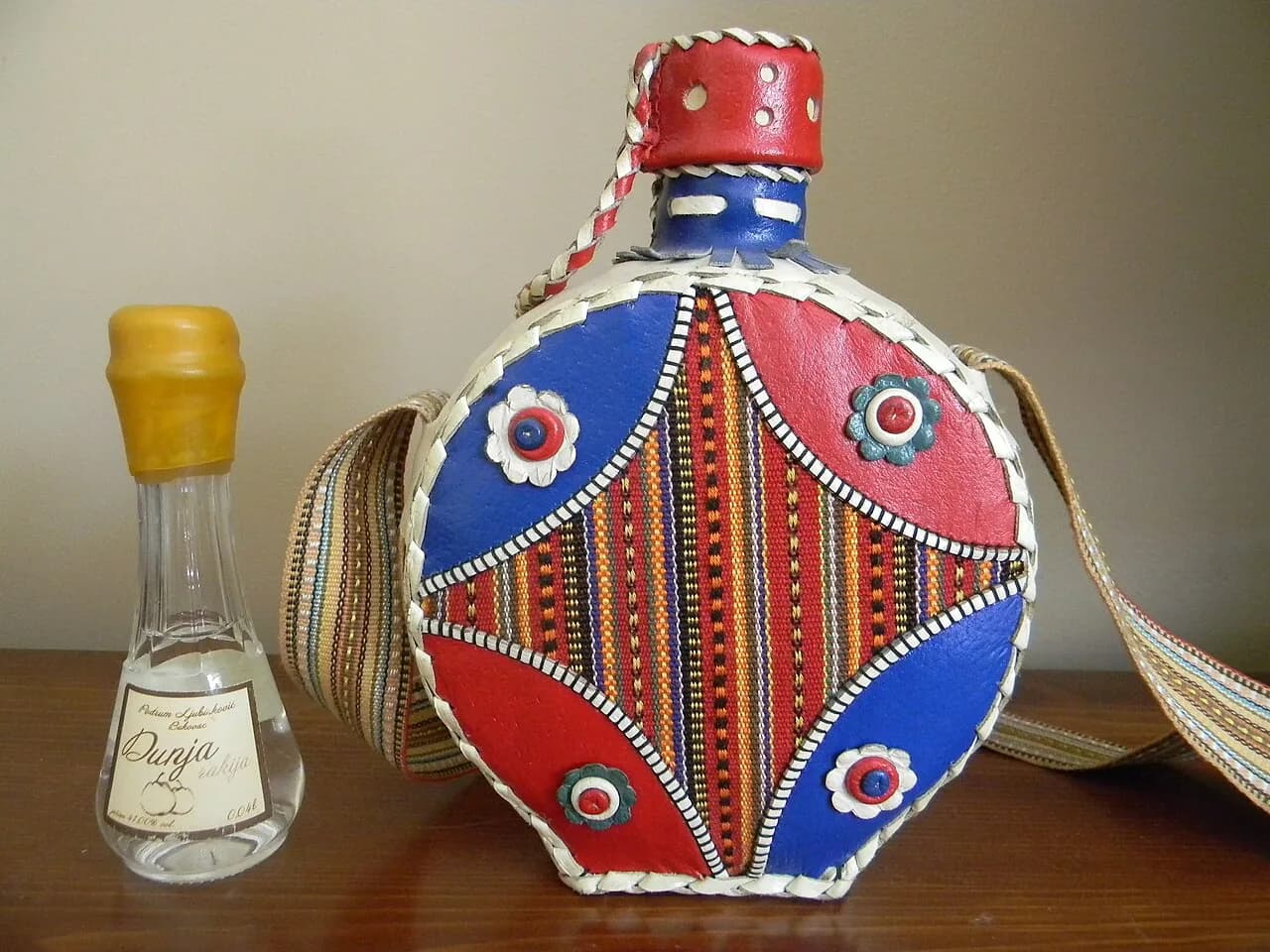
Rakija: Croatia's Fruit Brandy, Types and How to Drink It
Rakija is Croatia's fruit brandy, from grape loza to herbal travarica. Learn the main types, how strong it is and how it is drunk with a meal.
On this page
Rakija is a fruit brandy, and in Croatia it works as an aperitif: a small glass before the meal, not a drink to work through afterwards. It is a traditional fruit brandy deeply rooted in Croatian culture, served at family occasions and celebrations. This guide sorts the main styles by flavour so you can pick one at the table, and explains how it is served and what to eat with it.
What rakija is and why it is on the table
Rakija is distilled from fermented fruit, which makes it a brandy in the same broad family as grappa, calvados and plum brandy. In Croatia it carries real cultural weight, served at family occasions and celebrations rather than ordered like a cocktail. The glass usually arrives before the food, marking the move from the working day to the table.
The main types of rakija. Loza is the Croatian coast's most common rakija, distilled from grape pomace, the skins, seeds and stems left after pressing grapes for wine.
How strong rakija is. Rakija is a strong spirit, generally falling somewhere between about 40 and 55 per cent alcohol, with homemade versions sometimes climbing higher.
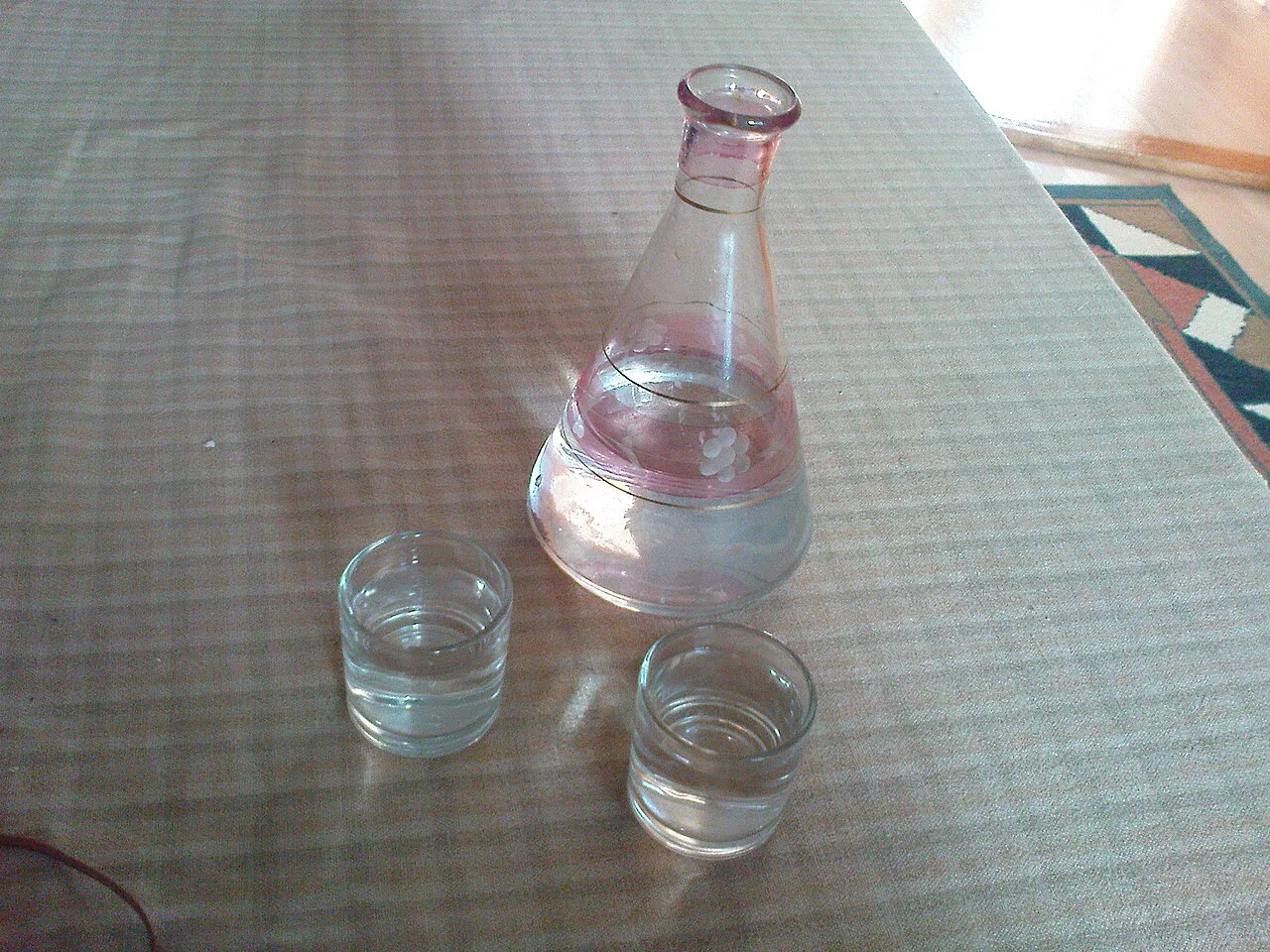
How rakija is served and how to drink it. Rakija is poured into a small glass, often a narrow one, and served before the meal as an aperitif.
Every Balkan country distils its own and each household tends to favour a particular fruit, which is why no two bottles taste quite the same. Rakija is a fruit brandy deeply rooted in Croatian culture. The drink is part of a wider drinking culture that includes bitter herbal spirits and wine, covered in the guide to Croatian Alcohol. Rakija is the fruit side of that tradition, and the one most likely to be offered to you first.
Among the many herbal and bitter drinks in the country, rakija holds a particular place as the homemade spirit shared between families and neighbours. Its strength is worth knowing before the first sip, because it is poured in small measures for a reason and is not sipped like wine. Treat it as a short, warming opener and it fits the meal perfectly.
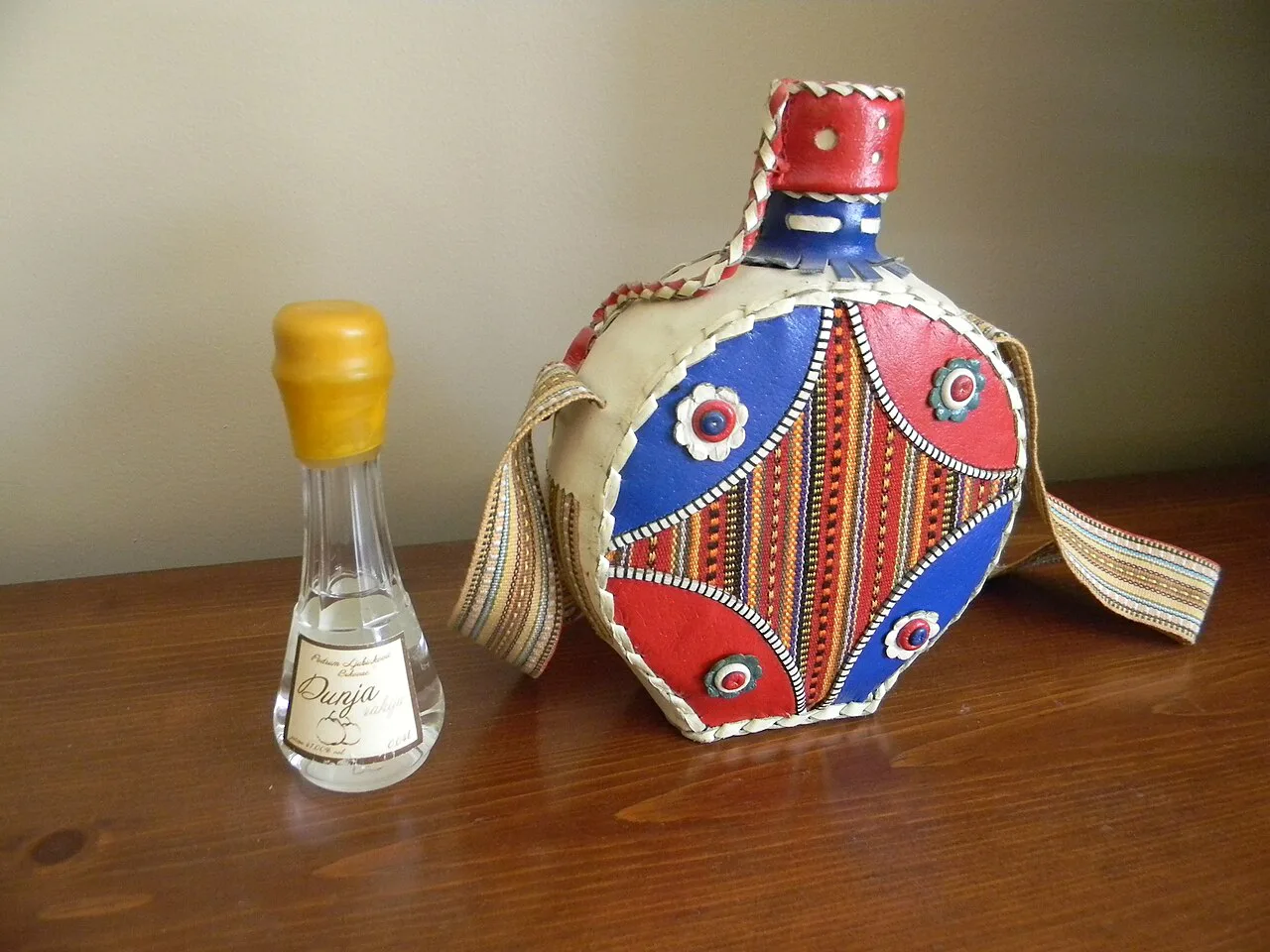
The main types of rakija
Loza is the Croatian coast's most common rakija, distilled from grape pomace, the skins, seeds and stems left after pressing grapes for wine. The result is clear and clean-tasting, roughly the Balkan answer to Italian grappa. Loza's flavour is dry and slightly floral when well made, with a warmth that spreads rather than burns. It is the natural starting point for anyone who wants to understand what rakija is about.
Šljivovica is plum rakija and probably the most widely met version across the Balkans, including inland Croatia. It tastes rounder and fruitier than loza, with a sweetness that comes from the fruit rather than added sugar. If you find loza too austere, šljivovica is the friendlier introduction.
Kruška is made from pears and is prized for its aroma, which should smell distinctly of ripe fruit. It is made less often because pears give less juice, so it appears on fewer tables than loza or šljivovica. When you find a good one, the flavour follows the nose closely. Medica, the honeyed rakija, is a sweet, golden style where honey softens the spirit's edge; it is explained in the guide Medica: Croatia's Honey Rakija Explained.
Travarica is rakija steeped with wild herbs, so it tastes grassy, resinous and faintly medicinal rather than fruity. The blend changes from maker to maker, which means two bottles labelled travarica can taste quite different. It is the style to choose if you prefer something savoury and herbal to a sweet, fruity spirit.
How strong rakija is
Rakija is a strong spirit, generally falling somewhere between about 40 and 55 per cent alcohol, with homemade versions sometimes climbing higher. That is strong enough to be served in small glasses rather than mixed, and a single small measure before dinner is the traditional way to drink it.
Because so much rakija is distilled at home, strength varies more than it does with a standardised commercial spirit. A family bottle may be considerably stronger than a shop-bought one, and there is rarely a label to tell you. That is a good reason to sip slowly and to treat the first glass as a taste rather than a round.
How rakija is served and how to drink it
Rakija is poured into a small glass, often a narrow one, and served before the meal as an aperitif. You sip it slowly rather than knocking it back; the point is the flavour and the moment, not the strength. Holding the glass and warming it in your hand helps release the aroma of the more aromatic styles like kruška. The traditional toast is a simple raising of glasses, and a small sip is all that is expected.
The drink opens the appetite, which is exactly why it comes before the food rather than alongside it. One glass is the norm; a second is a matter of hospitality and personal choice, not a requirement. If you are driving or simply do not want more, a polite decline is understood.
On a Croatian table rakija often appears alongside wine, though not usually at the same moment. Wine accompanies the meal itself, and if you want to stretch it, the local habit of adding water to wine is covered in the guide to bevanda. Keep the rakija for the start and switch to wine once the food arrives.
Food to eat with rakija
Rakija is traditionally a partner to small savoury bites rather than a meal on its own. On the coast, that means cured meats, cheese and olives before the main course. The saltiness of the food balances the strength of the spirit and makes the small measure go further.
Inland, expect plum rakija to appear with smoked meats, pickles and bread. The fruitier styles work well with anything salted or cured, while travarica, with its herbal edge, stands up to stronger cheese. None of this is a strict rule, but it helps you choose which glass to accept when a host offers a choice.
The style you pick also shapes the rest of the meal. A light loza before a fish dinner makes sense, just as a warmer plum rakija suits heavier inland dishes. Think of it as the opening note rather than the main event. If you want to know what else is worth ordering alongside a meal, the guide to Croatian alcohol covers the wider picture of drinking in Croatia.
What rakija tastes like and how to choose
The biggest Split is between fruit styles and herbal ones. Loza, šljivovica and kruška all taste of their fruit, with a warmth that sits in the chest; travarica tastes green, bitter and herbal. If you like grappa, start with loza. If you like whisky or dark rum, šljivovica may suit you better.
Within the fruit styles, aroma is your best guide. A good kruška smells of pears from the glass, while a good šljivovica smells sweet and plummy. If a rakija smells sharp or chemical, that is a sign to take a small taste before committing to more. A clean, fruity nose is the mark of a well-made spirit.
Other Croatian spirits on a typical drinks list run in a different direction from rakija, and this guide sticks to the fruit and herb spirit at the table. Rakija is best approached as a flavour to explore slowly, one small glass at a time, rather than as something to rush.
Which rakija to choose
Start with loza if you want the coastal classic, choose šljivovica for a rounder, plum flavour, or ask for travarica if you prefer something herbal and savoury. Take one small glass before the meal, sip it slowly and let the food do the rest. That is how rakija is meant to be drunk in Croatia.
Explore more Croatia guides
Sources
Notes on eating well in Croatia
Optional updates to our food guides.
You might also like



Continue reading
More guides you'll find useful





