
Medica: Croatia's Honey Liqueur and How to Drink It
Medica is Croatia's honey liqueur, a grape spirit blended with acacia and chestnut honey. What it tastes like, how strong it is and how to order it.
On this page
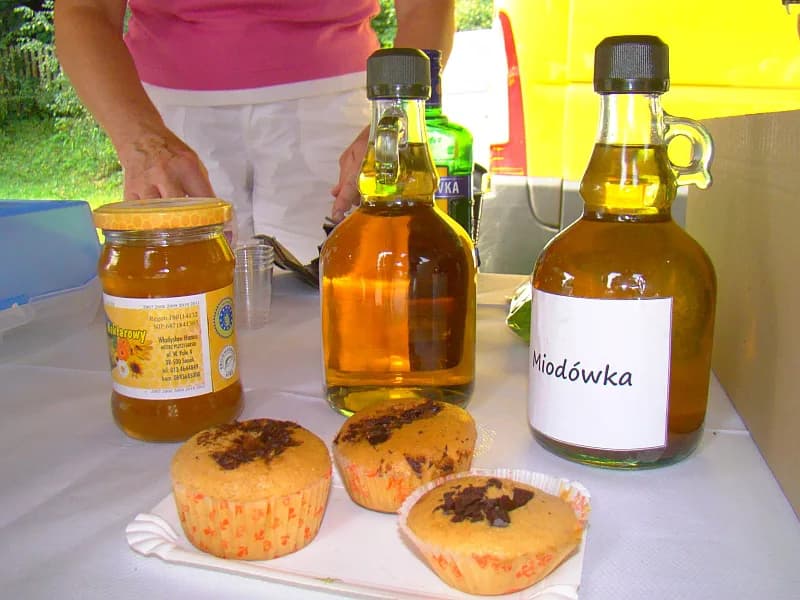
Medica is Croatia's honey liqueur, a sweet drink built on a grape-based spirit and blended with honey, served chilled in a small glass before or after a meal. Look for it on a menu under its regional names too: medenica, medovača and medovica all mean the same thing. This guide covers what it is made from, how it tastes, the two brands most travellers come across and how to order it without wincing.
The drink shares its name with several unrelated things online, including American health insurers, so the search results can be confusing. In a Croatian konoba or a bottle shop, medica means only honey liqueur. Order it when you want something sweeter and gentler than the neat spirit that usually ends a meal.
What medica is
Medica is a liqueur, not a brandy: a base spirit is sweetened with honey and brought down in strength to something you can sip slowly. Badel, the Zagreb drinks company, calls it a traditional Croatian liqueur and notes the regional synonyms medenica, medovača and medovica. That matters when you are reading a handwritten menu, because the same drink can appear under four different names within a hundred miles.
Because it is honey-led and relatively low in alcohol for a spirit, medica suits drinkers who find neat rakija too fierce. It is usually the sweet option on a drinks tray, alongside the bitter herbal liqueurs and the clear brandies. For the wider picture, see Croatian Alcohol.
What medica is made from
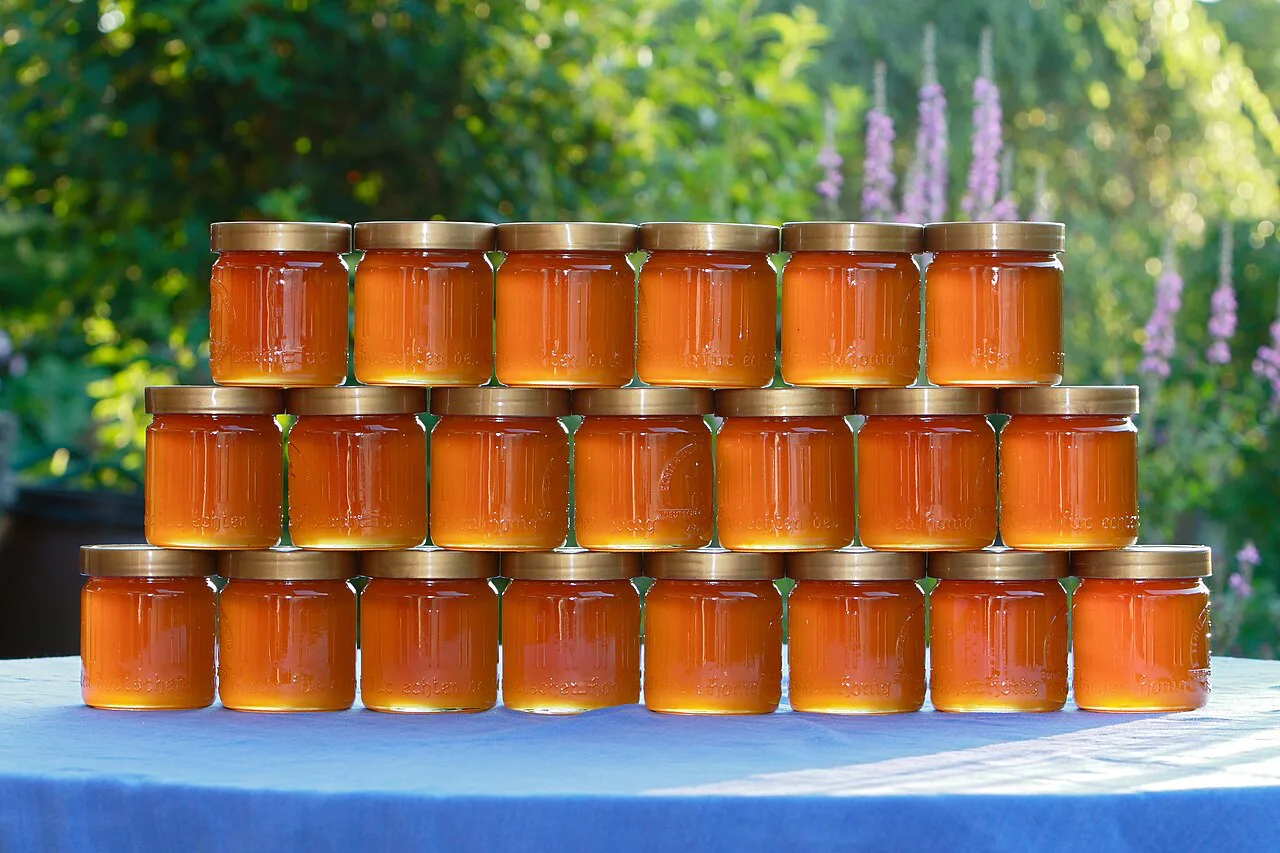
Honey is the defining ingredient, and Croatian producers tend to use two types for contrast. Badel builds its medica on acacia honey, which is light and floral, plus chestnut honey, which brings a slightly bitter edge that stops the drink tasting like pure sugar. Acacia alone would be one-dimensional; the chestnut is what gives the liqueur its shape.
Is medica the same as rakija? No, though the two are related. Rakija is the broad name for Croatian fruit and grape brandies, while medica is a liqueur made by sweetening a spirit such as komovica with honey.
How do I spot medica on a Croatian menu? Look for medica, medenica, medovača or medovica; all four names refer to the honey liqueur. It may appear in the aperitif section or with the digestifs at the back of the menu.
Can I drink medica with ice? Yes. It is normally served well chilled, and Šoškić recommends it either chilled or with added ice.
The base is a grape spirit rather than neutral alcohol. Liquor Barn describes Badel Medica as blending komovica, a pomace brandy from the Benkovac area of northern Dalmatia, with the two honeys. Komovica is the Croatian answer to grappa, distilled from what is left of the grapes after pressing, and it gives the liqueur a faint earthy backbone under the sweetness.
What medica tastes like
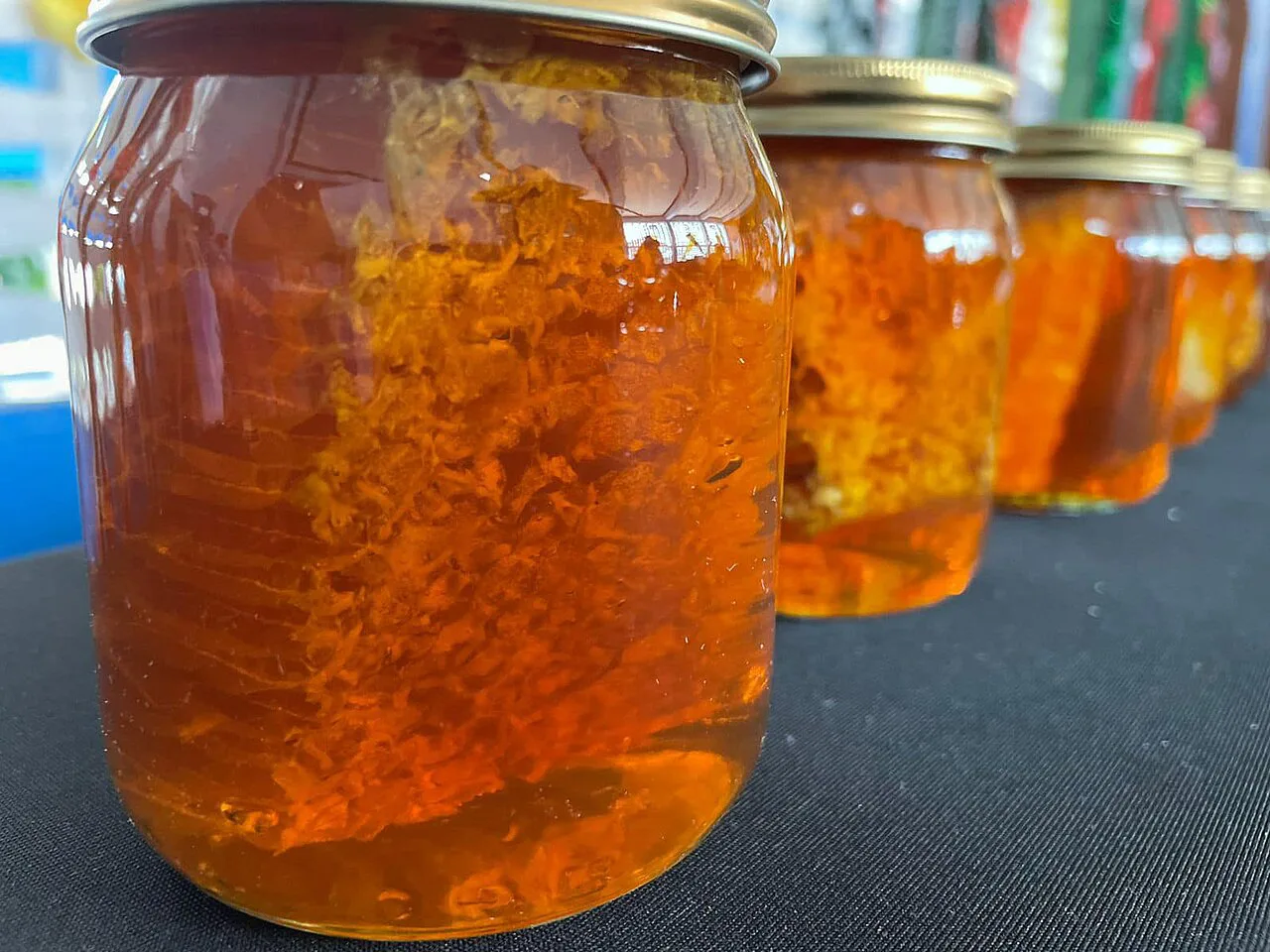
Expect honey first: a soft, floral sweetness that coats the tongue, followed by a mild warmth from the base spirit. The chestnut honey then shows up in the middle, leaving a gentle bitter-herbal note on the finish rather than a sugary aftertaste. It is a rounded drink, and the bitterness is the reason a second glass is easy rather than cloying.
Serve it cold and the sweetness tightens; serve it at room temperature and the honey spreads out and the alcohol shows more plainly. If you order it at a table in summer, it will usually arrive straight from the fridge. That cold serving is why it works as an opener as well as a finisher.
How strong it is and how it's served
Strength varies by producer, so read the label. Badel Medica is bottled at 24% alcohol and Badel recommends drinking it chilled, as an aperitif or a digestif. That range puts it well under neat rakija and closer to a fortified wine in effect, which is why it is sipped rather than knocked back.
The before-or-after question has a simple answer: both. As an aperitif it wakes up the palate before a plate of pršut or fried fish; as a digestif it closes the meal in place of dessert. A small glass is enough either way.
Badel Medica compared with Šoškić Medica
Badel Medica is the bottle you are most likely to meet: acacia and chestnut honey over a komovica base, bottled at 24% and sold in sizes from a miniature up to a three-litre bottle, with gift packs alongside. Its honey blend leans on the bitter chestnut note, which makes it the more structured of the two.
Šoškić Medica from the Šoškić family takes a different route. It is enriched with acacia and linden honey and bottled at 17% alcohol, with a recommended serving temperature of 8–10°C, drunk chilled or over ice. The linden honey gives it a softer, more floral profile, and the lower strength makes it the easier introduction if you are new to the drink.
The trade-off is straightforward: choose Badel for a bit more grip and bitterness, Šoškić for a gentler, cooler serve over ice. Both are legitimate, widely stocked Croatian bottles rather than tourist gimmicks.
Buying it in Croatia and taking a bottle home
Medica is sold in bottle shops, and the small bottles make sensible gifts because they travel well and do not need to be finished in one sitting. Badel's range includes 0.1-litre and one-litre bottles as well as three-litre and gift formats, so you can buy a taste before committing to a large one.
Read the label for the honey types and the alcohol percentage, since those two details separate a good bottle from a generic one. If you want to compare, buy a Badel and a Šoškić together and taste them chilled side by side.
Medica versus other Croatian drinks
Medica sits in the sweet corner of the Croatian drinks cabinet, and it is one entry in a longer list of Croatian alcohol worth knowing. Rakija is the umbrella term for the fruit and grape brandies served in tiny glasses; komovica is the grape-pomace member of that family, and medica sweetens a spirit like it with honey. If you already enjoy rakija, medica is the dessert version of the same tradition.
Other sweet options include Maraschino liqueur, the cherry spirit from Zadar on the Dalmatian coast, and Orahovac, made from green walnuts. The bitter end of the shelf is covered by pelinkovac, an herbal liqueur with a pronounced wormwood bite, and travarica, a grape spirit infused with herbs. Medica is the mildest of them, which is exactly why it makes a good first order.
Should you order medica?
Order medica if you want a sweet, honeyed drink that is easy to sip before or after a meal, and ask for it chilled. Badel is the safer find on a bar shelf, while Šoškić, served over ice, suits anyone who prefers a lighter, more floral pour.
If honey is not your thing, work through the rest of the drinks list instead: a bitter pelinkovac or a plain rakija gives you the same Croatian ritual with none of the sugar.
Explore more Croatia guides
Frequently Asked Questions
Is medica the same as rakija?
No, though the two are related. Rakija is the broad name for Croatian fruit and grape brandies, while medica is a liqueur made by sweetening a spirit such as komovica with honey. It is lower in alcohol and much sweeter than the rakija usually served neat.
How do I spot medica on a Croatian menu?
Look for medica, medenica, medovača or medovica; all four names refer to the honey liqueur. It may appear in the aperitif section or with the digestifs at the back of the menu.
Can I drink medica with ice?
Yes. It is normally served well chilled, and Šoškić recommends it either chilled or with added ice. Adding ice softens the sweetness and dilutes the alcohol slightly, which suits the lower-strength bottles.
Sources
Notes on eating well in Croatia
Optional updates to our food guides.
You might also like



Continue reading
More guides you'll find useful





