
Croatian Liqueur: Pelinkovac, Maraschino and What to Order
Croatian liqueur covers bitter pelinkovac, cherry Maraschino from Zadar and herbal Istrian amaro. Here is how each tastes and how it is served after a meal.
On this page
Croatian liqueur means two things: bitter herbal bottles led by pelinkovac, and sweeter fruit and nut liqueurs such as Maraschino from Zadar and orahovica, the walnut liqueur. Both are usually poured in small measures at the end of a meal, not as long drinks. This guide separates the bitter from the sweet, explains what each is made from and gives a simple rule for choosing one.
If you only learn one name, learn pelinkovac. It is the bottle most likely to be offered after a seafood lunch on the coast or a heavy meat dish inland, and its wormwood base makes it unmistakably bitter. Understanding that bitterness is the key to ordering it without surprise.
What Croatian liqueur covers
The shelf divides into three groups. Bitter herbal liqueurs are built on wormwood or mountain herbs and are drunk cold in small glasses. Cherry liqueurs are sweet, dark red and made from sour cherries, with Maraschino the best-known export. Nut liqueurs, especially orahovica made from green walnuts, sit at the sweet, syrupy end.
These sit alongside rakija, the fruit brandy family that includes travarica (herb brandy) and šljivovica (plum brandy), which are stronger and usually served neat. For the wider picture of what Croatia drinks, from brandy to wine, see the guide to Croatian alcohol.
A practical point when reading a shelf or drinks list: the herbal liqueurs are a family with several styles and strengths, so a brand name alone does not tell you how bitter or strong the pour will be. Knowing the family helps you choose between a punchy bitter and a milder herbal bottle.

Pelinkovac: wormwood bitterness, served chilled
Pelinkovac is a bitter-sweet liqueur derived from wormwood, and it is drunk chilled without ice. Expect a piney, herbal bitterness with a little sugar behind it, closer to a strong amaro than to a sweet cherry drink. It is the Croatian bottle to try if you like Campari or a bitter digestif.
What liquor is Croatia known for? Croatia is best known for rakija, the fruit brandy family, and for pelinkovac, the bitter wormwood liqueur. Maraschino from Zadar is the country's best-known sweet liqueur export.
Is pelinkovac served with ice? It is served chilled but without ice, in a small glass, usually at the end of a meal. Adding ice dilutes the herbal bitterness that defines it.
How strong are Croatian liqueurs? Pelinkovac contains up to about 35% alcohol, and other liqueurs vary by producer and style. Check the label on the bottle if the strength matters to you.
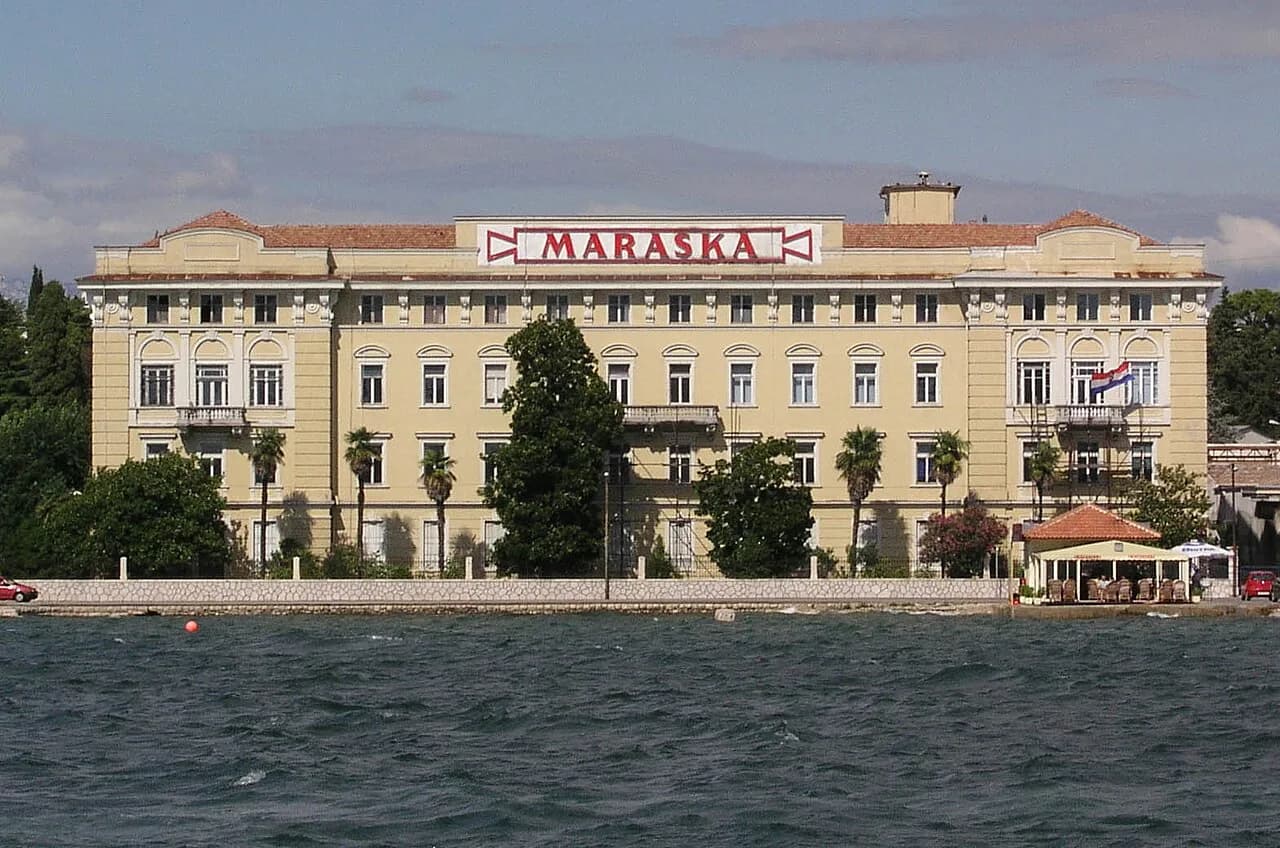
The best-known producer is Maraska of Zadar, whose version is described as a traditional and particularly intense wormwood liqueur with alpine herb and pine notes and a touch of sugar. Serve it well chilled in a small glass and sip it slowly; it is a digestive, not a drink to order by the pint.
Different producers bottle pelinkovac at different strengths and bitterness levels, so a drinks list showing only a brand name may still leave you choosing between styles. Ask which one is being poured before you order if the difference matters to you.
Maraschino and Maraska: the cherry liqueur from Zadar
Maraschino is the sweet, clear cherry liqueur most associated with Zadar. It is lighter and more aromatic than the dark cherry liqueurs, with a faint almond note from the crushed stones. Order it after dinner if you want something sweet rather than bitter.
Do not confuse it with the bright red cherry syrup sold for cocktails; Croatian Maraschino is a liqueur in its own right and is sipped in small measures. If you enjoy it, the fuller guide to Maraschino explains the cherry, the producer and how it is made.
Amaro Istriano and the Istrian bitter-herb style
Istria has its own bitter herbal liqueur, Amaro Istriano, made from a blend of local herbs and roots in the northern Italian amaro tradition. It is a gentler, more aromatic bitter than pelinkovac, which makes it a good entry point if the wormwood version feels too harsh. Look for it on Istrian drinks lists alongside biska, the mistletoe rakija from the same region.
The Istrian table also leans on pršut, the dry-cured ham dried in the bura wind for at least six months before ageing in a dark room, and a small bitter after a plate of it makes sense. Pairing is a matter of taste rather than rule, so treat the liqueur as a closing note rather than a required match.
Orahovica and hazelnut liqueurs: the sweeter end
Orahovica is the walnut liqueur, made by steeping young green walnuts in spirit with sugar and sometimes spices. It is dark, sweet and nutty, and it behaves more like a dessert drink than a digestive. Hazelnut liqueurs occupy similar ground and suit anyone who finds herbal bitters too aggressive.
This is also where medica belongs in spirit, though it is technically a honey rakija rather than a liqueur: sweet, golden and often served warm in winter. If your taste runs to honey rather than walnuts, start there and work towards the nut bottles.
How liqueurs are served in Croatia
In a konoba or restaurant, a liqueur is commonly served at the end of the meal in a small glass. Measures are short, roughly a digestive shot, so treat it as a closing ritual rather than a drink to linger over.
Pelinkovac is served well chilled and without ice; sweet cherry and nut liqueurs can be served at room temperature.
If you are pacing yourself, one small measure is the norm; nobody expects you to work through the shelf. The same moderation applies to the rest of the table, where wine is often diluted with water as bevanda and beer is a light pale lager rather than a strong one.
Bitter versus sweet: which bottle suits you
Choose bitter if you like espresso, dark chocolate or Campari: pelinkovac and Amaro Istriano are your bottles. Choose sweet if you prefer dessert wines, cherry brandy or limoncello: Maraschino, orahovica and hazelnut liqueurs fit better. The single question to ask yourself is whether you want the finish to sharpen your appetite or settle it.
As a souvenir, a small bottle of pelinkovac travels well and keeps, while nut and cherry liqueurs are heavier and sweeter, so buy only what you will actually drink.
Reading a Croatian drinks list
A Croatian drinks list may group spirits separately from wine, and liqueurs often appear at the bottom of the list. Names to recognise are pelinkovac, Maraschino, orahovica and amaro, and the house version is often homemade, so it can be stronger than the commercial bottle.
Rakija is the broader brandy family these liqueurs sit beside, and understanding it makes the list much easier to read. The guide to rakija explains the difference between travarica, šljivovica and the rest.
Which bottle to order first
Start with a chilled pelinkovac if you want the defining Croatian bitter, and move to Maraschino or orahovica if you prefer sweet. Amaro Istriano is the gentlest introduction for anyone unsure about wormwood, and it pairs naturally with an Istrian plate of pršut and cheese.
Order one small measure after the meal rather than a round, and let the house version be your guide to what locals actually drink. If you want the wider context before you travel, the guide to Croatian alcohol covers the rest of the shelf.
Explore more Croatia guides
Frequently Asked Questions
What liquor is Croatia known for?
Croatia is best known for rakija, the fruit brandy family, and for pelinkovac, the bitter wormwood liqueur. Maraschino from Zadar is the country's best-known sweet liqueur export. These are served in small measures rather than as long drinks.
Is pelinkovac served with ice?
It is served chilled but without ice, in a small glass, usually at the end of a meal. Adding ice dilutes the herbal bitterness that defines it.
How strong are Croatian liqueurs?
Pelinkovac contains up to about 35% alcohol, and other liqueurs vary by producer and style. Check the label on the bottle if the strength matters to you. Measures are short, so a single glass is a moderate end to a meal.
Sources
Notes on eating well in Croatia
Optional updates to our food guides.
You might also like



Continue reading
More guides you'll find useful



