
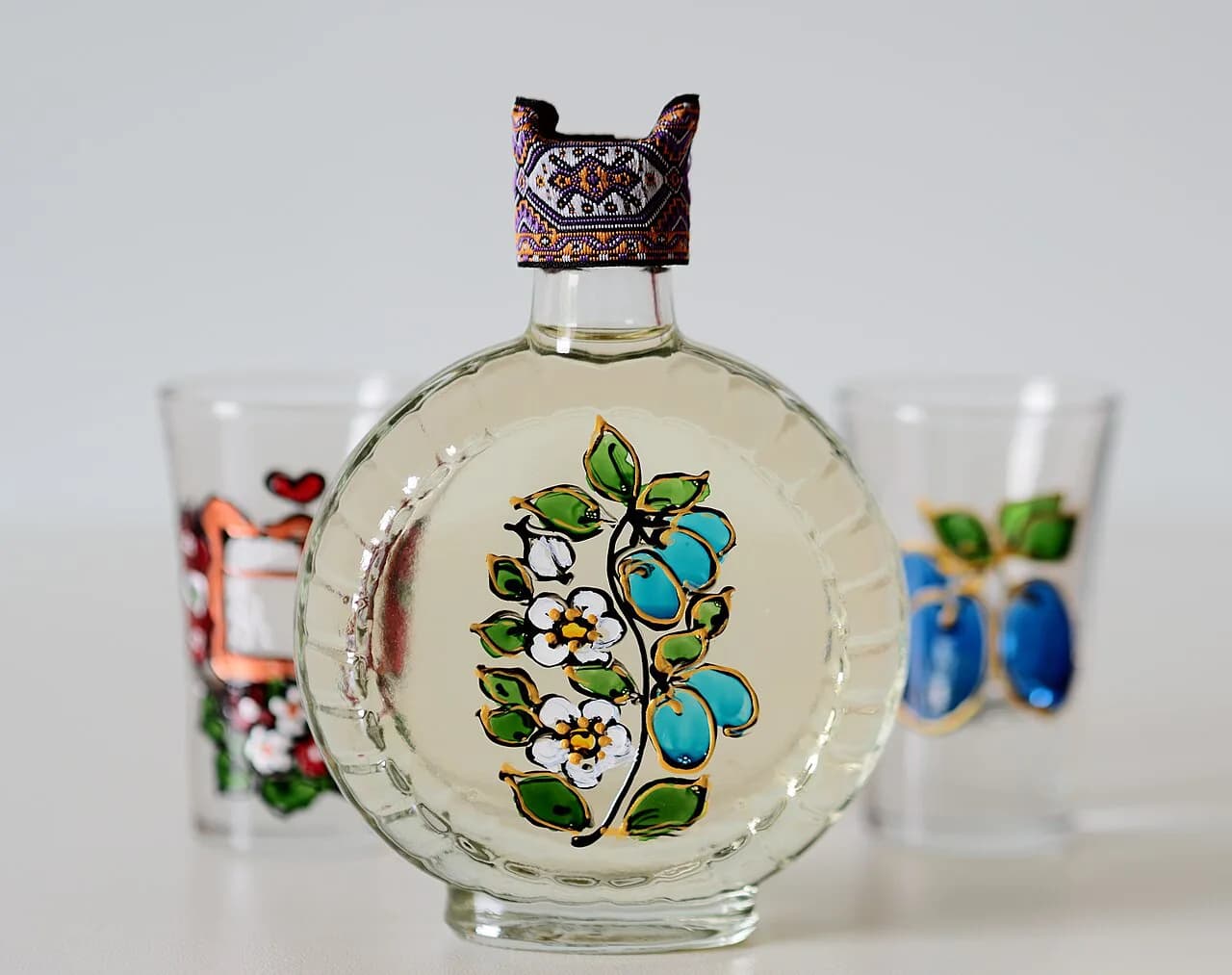
Šljivovica: Croatia's Plum Brandy, How It's Made and How to Drink It
Šljivovica is Croatia's plum brandy, distilled from ripe plums and usually around 40% alcohol. Here's how it is made, how it tastes and how to drink it.
On this page
Šljivovica is Croatia's plum brandy, a clear spirit distilled from fermented plums and usually around 40% alcohol. The name says what it is: šljiva is the Slavic word for plum, so the drink is simply plum brandy, and it is the most popular member of the wider rakija family in Croatia. This guide covers how it is made, what it tastes like, how to drink it and what to order when the tray offers something else.
What šljivovica is and where the name comes from
Šljivovica is a fruit brandy made from plums, part of the rakija family that Croatia shares with the rest of the Balkans and usually distilled to around 40% alcohol. The word comes from sljiva, the Slavic term for plum, which is why the drink's name tells you its raw material before you taste it. Versions of the same spirit appear across the region under similar names, and the Croatian bottling is often described as smoother and slightly sweeter than the robust Serbian style.
The drink belongs to the wider rakija group rather than standing alone, which matters when you read a menu or watch a tray come round. Rakija is the umbrella term for Croatian fruit brandies, and šljivovica is the plum branch of it. Knowing that saves you from mistaking it for a herbal or honey spirit with a very different taste.
How šljivovica is made
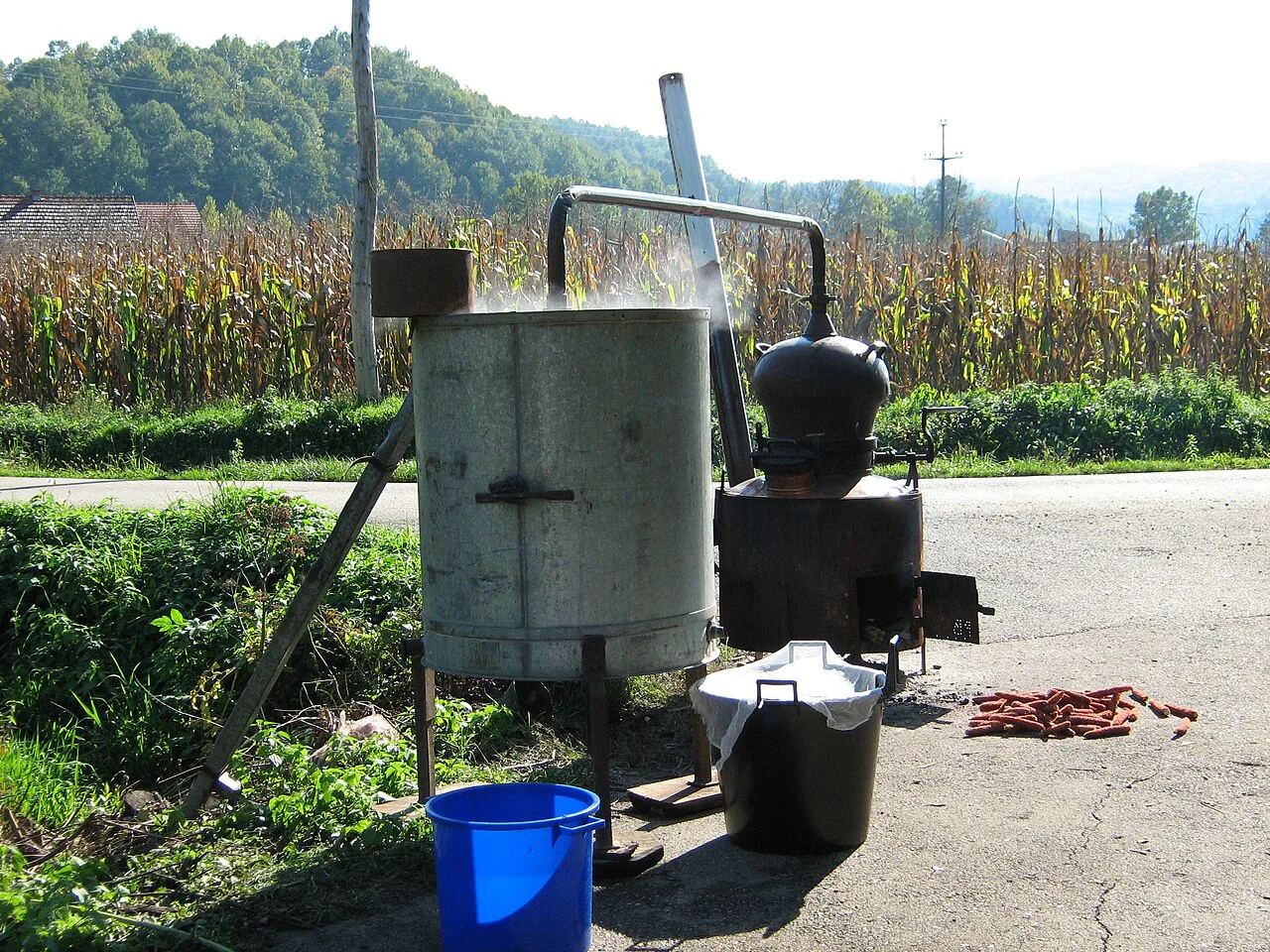
Plums are picked at full ripeness, crushed or pressed, and left to ferment until the fruit sugars turn to alcohol. The resulting mash is distilled in copper pot stills, which concentrate the alcohol and carry the plum aroma through. The fresh distillate is strong and sharp, so most of it is rested before it reaches a glass, either in stainless steel or in wooden barrels.
How do you pronounce šljivovica? Roughly SHLEE-voh-vee-tsah. The š is a sh sound, the v is a v as in very, and the c is a ts, so the ending sounds like 'tsa' rather than 'ka'.
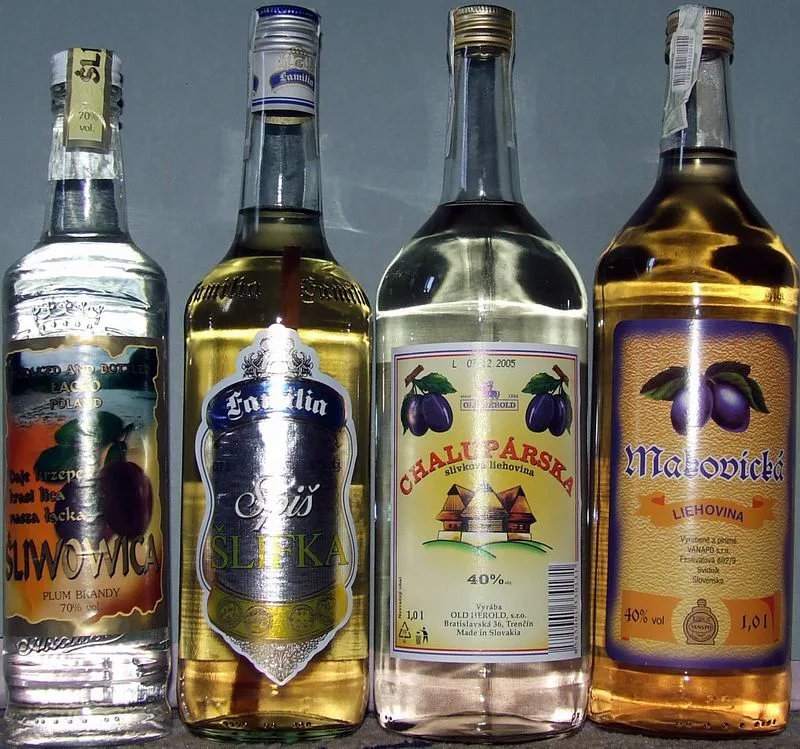
What is the best šljivovica? There is no single answer, because the drink spans clear young spirits and oak-aged bottlings, and much of what is served in Croatia is homemade. Judge by style rather than label: choose a clear one for pure plum fruit or a barrel-aged one for a rounder, vanilla-tinged pour.
Where can I buy šljivovica? It is easiest to buy in Croatia itself, where supermarkets, markets and konobas sell both commercial and homemade bottles, and it appears at Christmas markets and food shops. Outside the country, look for specialist spirits retailers that stock Balkan brandies; a general wine shop may not.
Ageing is the main fork in the road. A young šljivovica kept in stainless steel stays clear and tastes of pure plum, while a spell in oak softens the edges and adds vanilla, oak and spice notes. Neither style is better; the clear one is brighter and more direct, the barrel-aged one rounder and more complex.
Much of what you will be offered in Croatia is home-distilled, a household craft passed down through families with recipes kept close. That means quality varies enormously from one bottle to the next, and the label rarely tells you much. A small taste is the only reliable guide.
What šljivovica tastes like
Expect ripe plum first, then a warming sensation as it goes down, with the alcohol clearly present rather than hidden. A barrel-aged bottling adds layers of vanilla, oak and spice on top of the fruit, and the best examples balance the plum against the wood instead of letting either dominate. A clear young one is sharper and more fruit-forward.
If you find the strength bracing, the drink is sometimes mixed with soda water into a longer, more refreshing serve. That dilutes the punch while keeping the plum flavour, which suits a hot afternoon better than a neat measure. Otherwise, sip it slowly and in small amounts.
How strong it is and how it is served
The figure to hold in your head is around 40% alcohol, which is roughly the strength of a neat spirit anywhere. It is poured as a small measure, not a full glass, and sipped rather than knocked back. You may be offered it neat, over ice, or as a welcome glass before a meal.
In Croatian hospitality the drink carries a social role as much as a culinary one: it is the thing raised in a toast at celebrations and offered to a guest as a gesture of welcome. Accepting a small glass is part of the ritual, though there is no obligation to finish it. Pace yourself, because a second and third offer often follow.
The rakija family: what else is on the tray
Šljivovica rarely travels alone. Lozovača is grape brandy, clear with a strong fruity flavour; travarica is a herbal brandy, amber in colour with a bitter, medicinal edge from herbs such as wormwood, mint and rosemary; viljamovka is made from Williams pears, floral and sweet with a long finish; and medica is steeped with honey, sweet with a hint of bitterness. Each is a rakija, and each tastes nothing like the plum original.
If you want the honeyed end of the family instead of the plum one, medica is the gentlest introduction and is often served at Christmas markets. It goes down easily, which is worth remembering given the alcohol behind the sweetness.
Bitter herbal liqueurs are a separate Croatian tradition worth knowing when a bar list gets confusing, and pelinkovac is the one you will see most often. It is a different drink from rakija, but it turns up in the same after-meal moment. For the full spread of bottles beyond rakija, the Croatian alcohol guide is the place to start.
A few other local drinks round out a Croatian drinks order: Maraschino liqueur from the Dalmatian coast, light pale lager with a meal, and the coffee culture that follows it. None of these replaces šljivovica, but they explain the rest of the table.
How to order and drink it in a konoba
Ask for šljivovica by name and expect a small glass, often brought unbidden with the bill or before the food. If the list breaks rakija down by fruit, šljivovica is the plum one and the easiest to find. Say domaća if you want the homemade pour, which is where the variation lives.
Food-wise it works best as a bookend: a small glass before a meal to open the appetite, or one after eating rather than alongside a delicate fish dish that it would overwhelm. In winter, a measure in coffee or tea is a common way to take it. Keep to one or two small glasses and let the meal do the rest.
Between courses, a soft drink such as bevanda or a Cedevita is the practical way to slow down if the rakija keeps coming. They are standard on Croatian tables and cost little. Ordering one is not a refusal of hospitality.
Šljivovica or another rakija?
Start with šljivovica if you want the benchmark Croatian plum brandy, ideally one clear and one oak-aged side by side to taste the difference. If the plum proves too fiery, move to viljamovka for something softer or medica for something sweeter. Ask for a small measure rather than a large one, and drink it before or after the meal.
Explore more Croatia guides
Frequently Asked Questions
How do you pronounce šljivovica?
Roughly SHLEE-voh-vee-tsah. The š is a sh sound, the v is a v as in very, and the c is a ts, so the ending sounds like 'tsa' rather than 'ka'. The stress falls on the first syllable.
What is the best šljivovica?
There is no single answer, because the drink spans clear young spirits and oak-aged bottlings, and much of what is served in Croatia is homemade. Judge by style rather than label: choose a clear one for pure plum fruit or a barrel-aged one for a rounder, vanilla-tinged pour.
Where can I buy šljivovica?
It is easiest to buy in Croatia itself, where supermarkets, markets and konobas sell both commercial and homemade bottles, and it appears at Christmas markets and food shops. Outside the country, look for specialist spirits retailers that stock Balkan brandies; a general wine shop may not.
Sources
Notes on eating well in Croatia
Optional updates to our food guides.
You might also like



Continue reading
More guides you'll find useful





