
Marenda: Croatia's Mid-Morning Meal and What to Order
Marenda is Dalmatia's warm, unfussy mid-morning meal, now served in konobas. Here is what it is, how it works and which dishes to order with it.
On this page
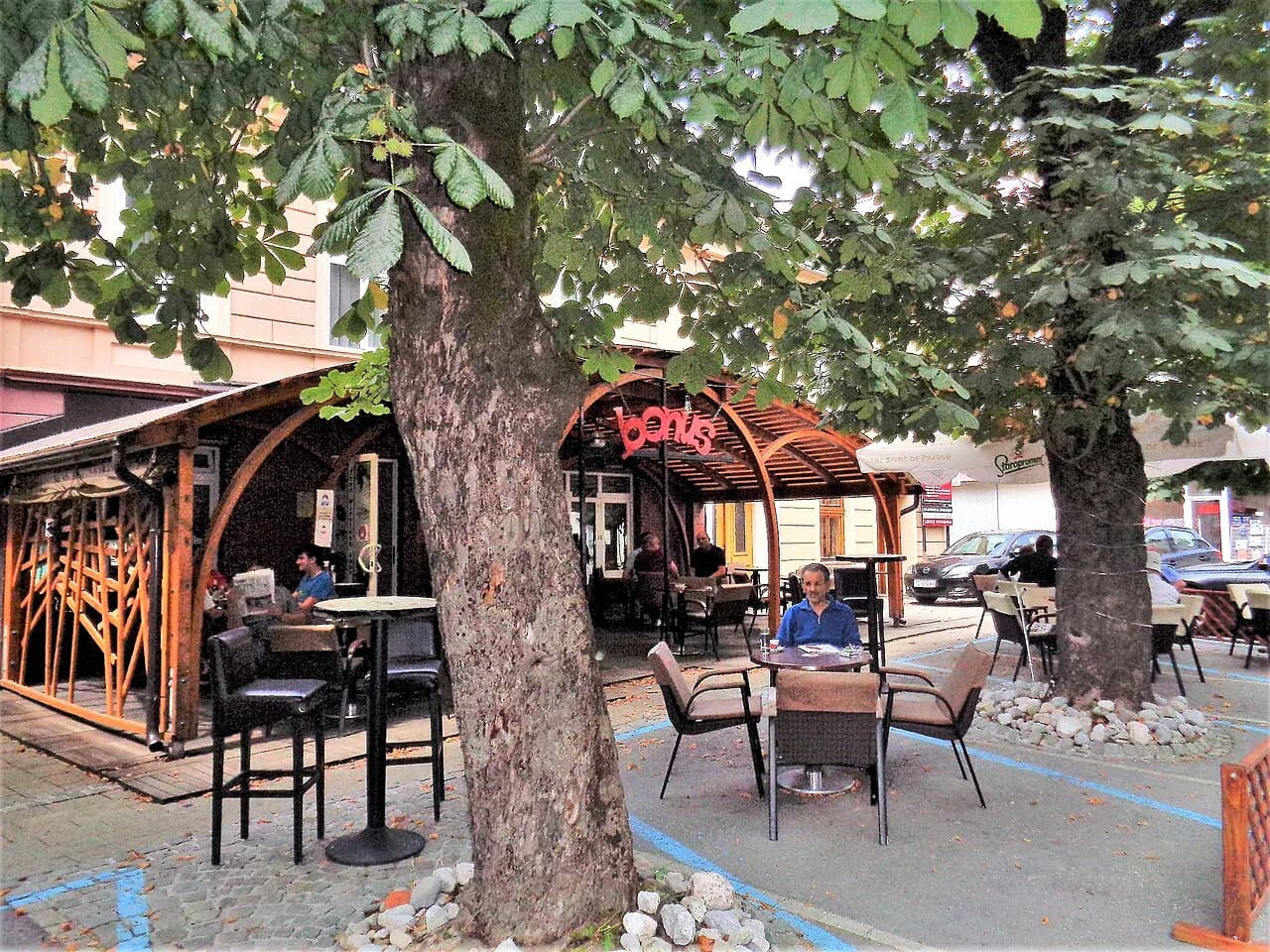
Marenda is Dalmatia's warm, filling meal between breakfast and lunch, eaten mid-morning and built around inexpensive local food rather than ceremony. It began as a work break and has become a settled coastal ritual, served in the homely taverns known as konobe. This guide explains what marenda is, how a konoba works, which dishes to order and which Dalmatian wines go with them.
Marenda in one answer
Marenda is a meal occasion, not a dish on a menu. Croatian dictionaries define it as a meal between breakfast and lunch, and in Dalmatia that means something warm, savoury and unhurried rather than a pastry grabbed on the way to the water. Expect a small number of dishes, plain local ingredients and a table you are not rushed away from.
For a visitor, the practical point is timing: aim for the late morning, before the lunch trade builds, and treat marenda as your main savoury meal of the day. It sits closer to an early lunch than to a British brunch, and portions are usually generous enough that you will not need a full lunch afterwards.
From a labourer's snack to a Dalmatian ritual
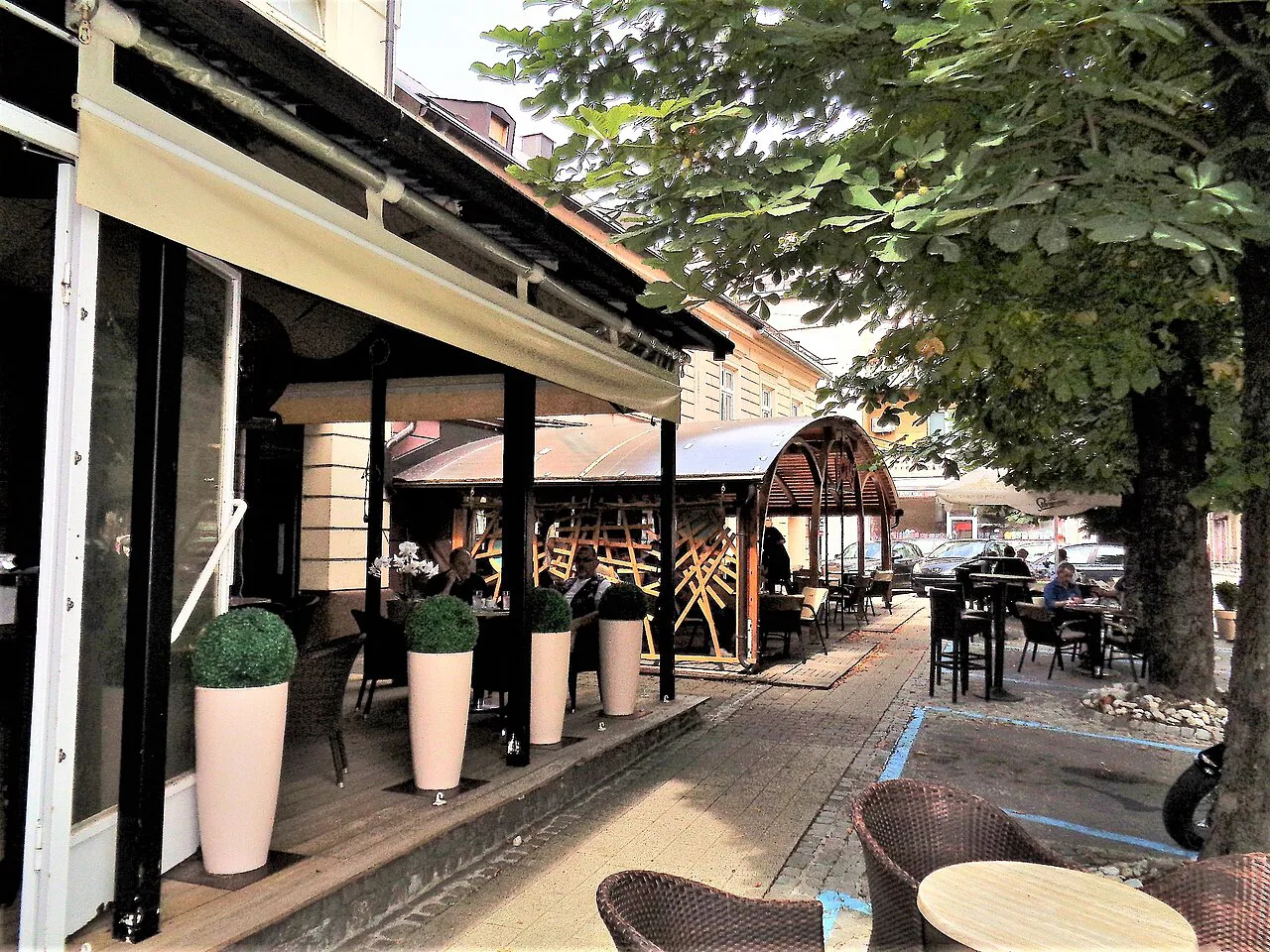
The name comes from the Italian merenda, and the meal started out as a mid-morning snack for labourers working in the fields or on the water. Over time it hardened into a Dalmatian habit: a warm, satisfying but unpretentious plate, a glass of something local and a few minutes of friendly talk.
What time is marenda eaten? Marenda falls between breakfast and lunch, so late morning is the right window. Arrive before the lunch trade builds and treat it as your main savoury meal of the day.
Is marenda the same as brunch? Not quite. Brunch is a British and American habit built around eggs, toast and coffee, while marenda is a Dalmatian working meal of mussels, sardines, lamb or stew with bread and a glass of wine.
Do I need to book a konoba for marenda? Some konobe take reservations and some do not, and it varies by town and season. Telephone ahead if you have a particular place in mind, or turn up early in the late morning when tables are still free.
That working origins still shape what turns up on the table. Marenda leans on cheap, plentiful coastal ingredients such as mussels, sardines, lamb and vegetables, and it is meant to be eaten in company rather than lingered over alone. If you want the wider picture of how these dishes fit together, our guide to Croatian food maps the coastline's cooking by region and season.
What a konoba is and why marenda is served there
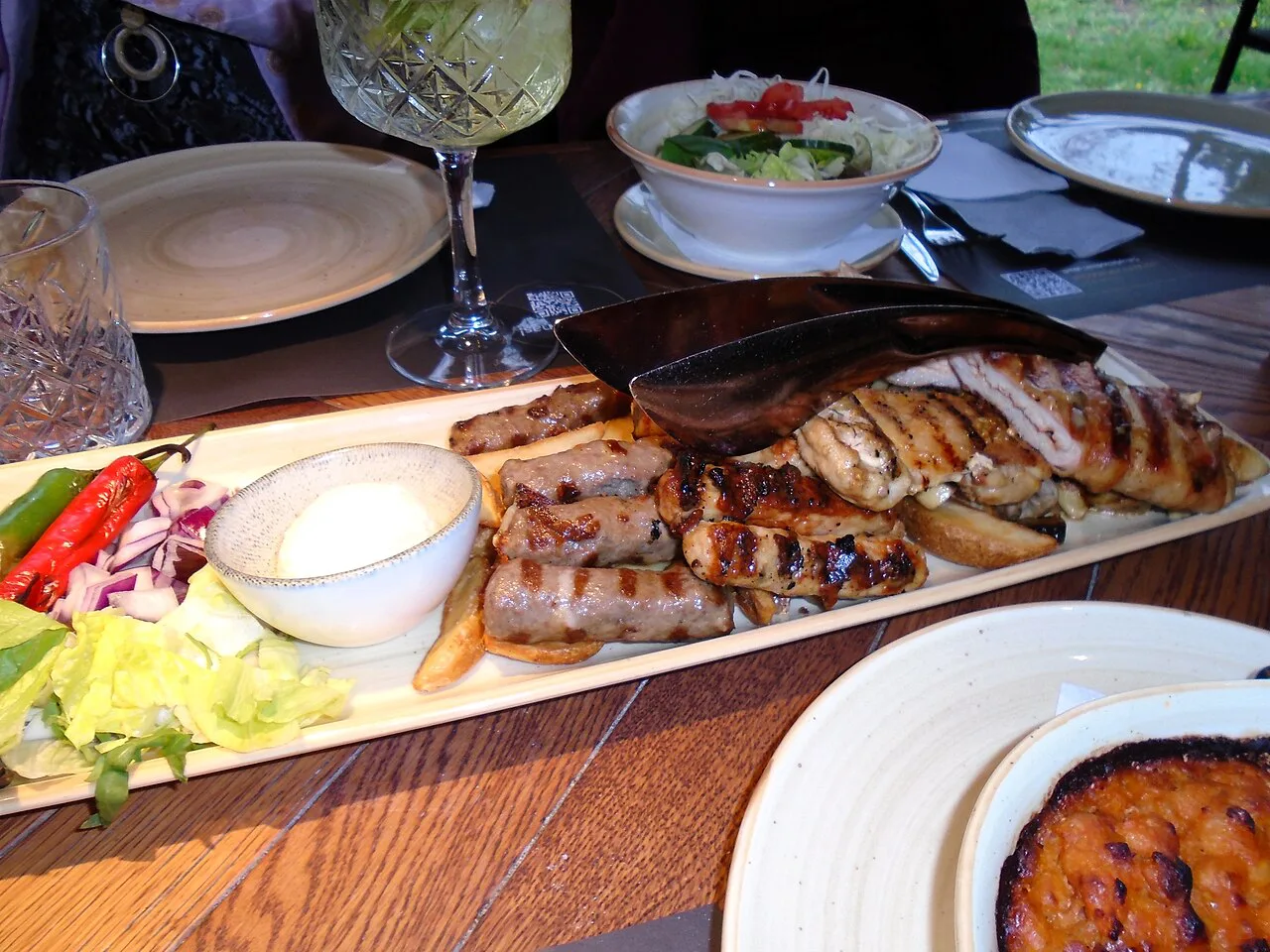
A konoba originally meant a stone cellar where a family kept wine, olive oil and cured meat. Many of those cellars turned into rustic, family-run eating places, and the word now covers taverns serving marenda-style food. That history explains the feel of the room: cool, plain, often family-run, with a short menu rather than a long one.
For marenda, a konoba is the right venue type because the food is cooked in bulk and served simply, not plated to order for a dinner service. Look for the word konoba on the sign, a chalked or spoken daily list, and a room with more locals than day-trippers. Our guide to traditional Croatian food explains the wider repertoire these kitchens draw on, from the Adriatic Sea to the inland plains.
Pidoće na buzaru: mussels with garlic, wine and breadcrumbs
Pidoće are mussels, and na buzaru describes the method: tossed in a pan with olive oil, garlic, white wine and parsley, with breadcrumbs stirred in to thicken the sauce at the end. It is the archetypal marenda dish because it is cheap, fast and made for bread. Order it with a light white and use the bread to finish the juices.
Buzara is a technique rather than a single recipe, and you will see the same treatment given to prawns and clams elsewhere on the coast. If you are building a marenda around seafood, this is the safest first order, since it depends on good mussels and fresh garlic rather than a long list of ingredients. For the fish side of Dalmatian cooking more broadly, crni rižot, the black cuttlefish risotto, is the other dish worth knowing.
Srdele four ways: grilled, fried, salted and marinated
Srdele are sardines, a staple of Dalmatian cooking that is plentiful, affordable and filling. They turn up in four guises: na gradele, grilled over smouldering embers; frigane, fried; slane, salted; and u marinadi, marinated in vinegar, garlic, bay leaf, onion and olive oil, with raisins for sweetness. Knowing these four words lets you read a marenda chalkboard without help.
Salted and marinated sardines are the version to look for if you want something closer to a British or Scandinavian cured-fish habit, while grilled and fried ones are the hot plate. They are the most economical way to eat well at marenda, and a plate of them with bread and a glass of white is a proper meal rather than a starter.
Janjetina s bižima: lamb and green pea stew
Janjetina s bižima is a hearty lamb and green pea casserole, stewed with onions and garlic until the peas go sweet and soft. It is the richest of the classic marenda dishes, and the natural choice on a cool or windy day when the terrace is not inviting. Order it when you want one substantial plate rather than several small ones.
Lamb also appears elsewhere in Croatian cooking, so if the stew is not on that day, ask what lamb dish the kitchen has. The peas are the point of this one: they balance the fat of the meat, which is why a red with acidity works better here than a heavy one.
How marenda is eaten: food, wine and conversation
Marenda is served as inexpensive local fare with a glass of wine and a moment of banter, and the pace matters as much as the plate. It is not a tasting menu or a long lunch, but a short, warm pause in the middle of the day with people talking across the table. Wine is part of the ritual rather than the reason for it, so one glass alongside the food is the usual register.
If you are eating several light dishes, this is also a good moment to try a manestra, the Istrian bean and pasta soup, which fills the same role of plain, warming food in a different region.
Pidoće and Debit: the Šibenik pairing
Debit is a light-bodied white grape from the Šibenik area, zesty with citrus peel, green apple and Mediterranean herbs, and a slight saline edge from coastal soils. It is the classic match for pidoće na buzaru, and the combination is celebrated at the Pidoća & Debit festival, held each June in Šibenik. Producers to look for include Ante Sladić Vino, Baraka, Birin, Prgin, Sladić Marko, Ško Vina and Testament.
Šibenik is the obvious base for this pairing, and Skradin, a short way inland along the Krka, is where Ante Sladić Vino works with Debit from a second-generation organic family winery close to the river. Skradin is also a handy stop on the road between Šibenik and the Krka gorge, so it fits naturally into a morning built around marenda.
For a broader Dalmatian white beyond Debit, Pošip is the grape you will see most often, with apricot, white peach and honey notes in the versions from Posedarje and Petrčane near Zadar.
Plavina with sardines and Crljenak with lamb
Plavina, also called Plavka, is a light-to-medium red with soft tannins and lively acidity, showing sour cherry, wild strawberry and dried herbs. Serve it young and slightly chilled with sardines in any of their four forms, where the acidity cuts through the oil and salt. Producers include Ante Sladić Vino, Delmati, Gašpar and Glavić.
Crljenak Kaštelanski is the fuller red: rich, fruity and round, with velvety tannins and good ageing potential. It is the natural partner for janjetina s bižima, where the sweetness of the peas balances the richness of the lamb. Producers include Kairos, Kotari, Kraljevski vinogradi, Saints Hills and Stina.
Where to find marenda on a Dalmatian trip
Marenda is served across Dalmatia in konobe, with Šibenik, Zadar and Skradin as natural stops for the dishes described here. Šibenik gives you the pidoće-and-Debit combination, Zadar sits close to the Pošip country around Petrčane and Posedarje, and Skradin adds the Krka valley to a morning out. If you are planning more than one meal, our pick of the best food in Croatia helps you decide where to spend your appetite.
Treat any single recommendation as a lead rather than a booking. Menus at konobe change with the catch and the season, and the coastal ones commonly close from late autumn to spring, so a shortlist of two or three places in each town is more useful than one fixed plan.
Should you build a morning around marenda?
Yes, if you want the most characterful cheap meal of a Dalmatian day: mussels na buzaru, sardines or lamb with peas, a glass of Debit or Plavina, and no rush. Go late morning, order from the day's short list and skip a full lunch afterwards. If you only have one free morning, spend it in Šibenik and pair pidoće with a local Debit.
Explore more Croatia guides
Frequently Asked Questions
What time is marenda eaten?
Marenda falls between breakfast and lunch, so late morning is the right window. Arrive before the lunch trade builds and treat it as your main savoury meal of the day.
Is marenda the same as brunch?
Not quite. Brunch is a British and American habit built around eggs, toast and coffee, while marenda is a Dalmatian working meal of mussels, sardines, lamb or stew with bread and a glass of wine. It is a sit-down plate of savoury food rather than a late breakfast.
Do I need to book a konoba for marenda?
Some konobe take reservations and some do not, and it varies by town and season. Telephone ahead if you have a particular place in mind, or turn up early in the late morning when tables are still free.
Sources
Notes on eating well in Croatia
Optional updates to our food guides.
You might also like



Continue reading
More guides you'll find useful





