
Croatian Street Food: The Dishes to Look For
A practical guide to Croatian street food, from ćevapi and burek to grilled sardines and kremšnita, with the dishes to order and what each one is.
On this page
The quickest Croatian street food is a burek from a bakery counter, followed closely by ćevapi tucked into flatbread at a grill stand. Everything else sits somewhere between snack and sit-down meal, so it helps to know which is which before you start queuing. This guide sorts the dishes worth seeking out, explains what each one actually is, and keeps the coastal and inland picks separate so the list works whether you are in Zagreb or Split.
What counts as Croatian street food
Croatian eating runs on two regional kitchens. Coastal cooking leans on seafood, olive oil and Mediterranean flavours, while inland Croatia serves hearty meat stews, sausages, paprika dishes and filo pastry shaped by Central European and Ottoman influences, as Croatia's national tourist board sets out in its food and drink pages. That Split decides what you can buy standing up: bakeries and grill counters dominate inland, while coastal towns add fried fish and quick seafood bowls.
Ćevapčići and ćevapi: grilled minced meat in flatbread. Ćevapi, also called ćevapčići, are small grilled rolls of minced meat, usually served in a soft flatbread with chopped onion and a spoon of ajvar, the red pepper relish.
Burek and other filo pastries from the bakery. A pekara, the Croatian bakery, is where street food starts in the morning.
Peka: slow-cooked under a bell, ordered ahead. Peka is not a dish but a method: meat, seafood and potatoes slow-cooked in a tray under a heavy bell-shaped lid with embers piled on top.
The useful distinction is between food built for eating on the move and dishes that only look casual. Burek, ćevapi and a slice of savoury pie belong in the first group, bought at a counter and eaten warm. Peka, grilled fish sold by weight and a bowl of brodet are plates you sit down to, often with a table booked.
Ćevapčići and ćevapi: grilled minced meat in flatbread
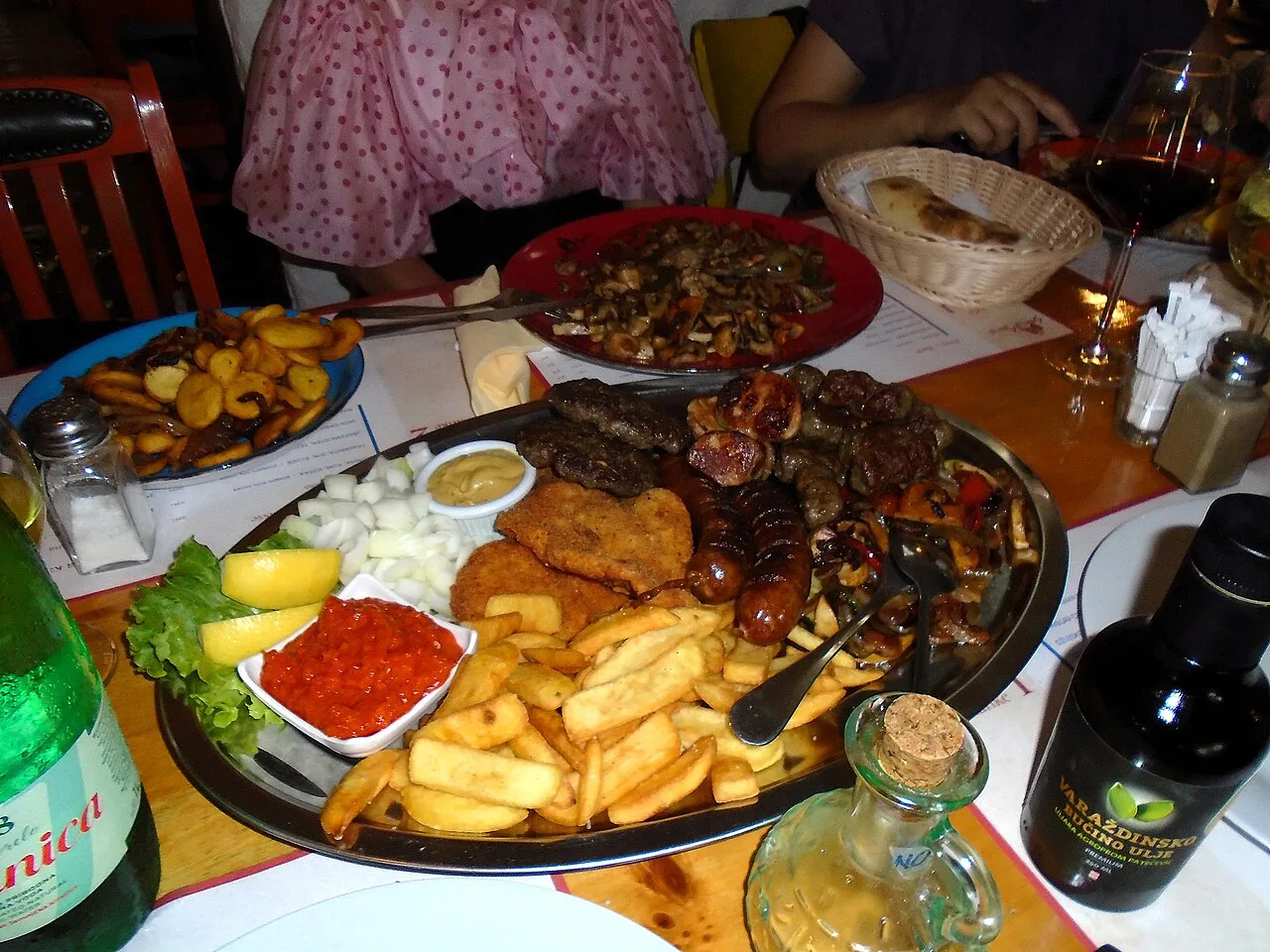
Ćevapi, also called ćevapčići, are small grilled rolls of minced meat, usually served in a soft flatbread with chopped onion and a spoon of ajvar, the red pepper relish. They are the closest thing Croatia has to a universal quick bite and turn up on grill counters in every city. Order them by the piece or by the portion, and expect the bread to arrive underneath rather than alongside.
Ask for extra onion and, if you like heat, a scatter of chilli; both are usually free at the counter. The meat is normally a mix of beef and pork inland, though some places serve beef only, so say so if you avoid pork. Eat them with your hands and use the bread to mop up the juices, because a fork here is missing the point.
Burek and other filo pastries from the bakery
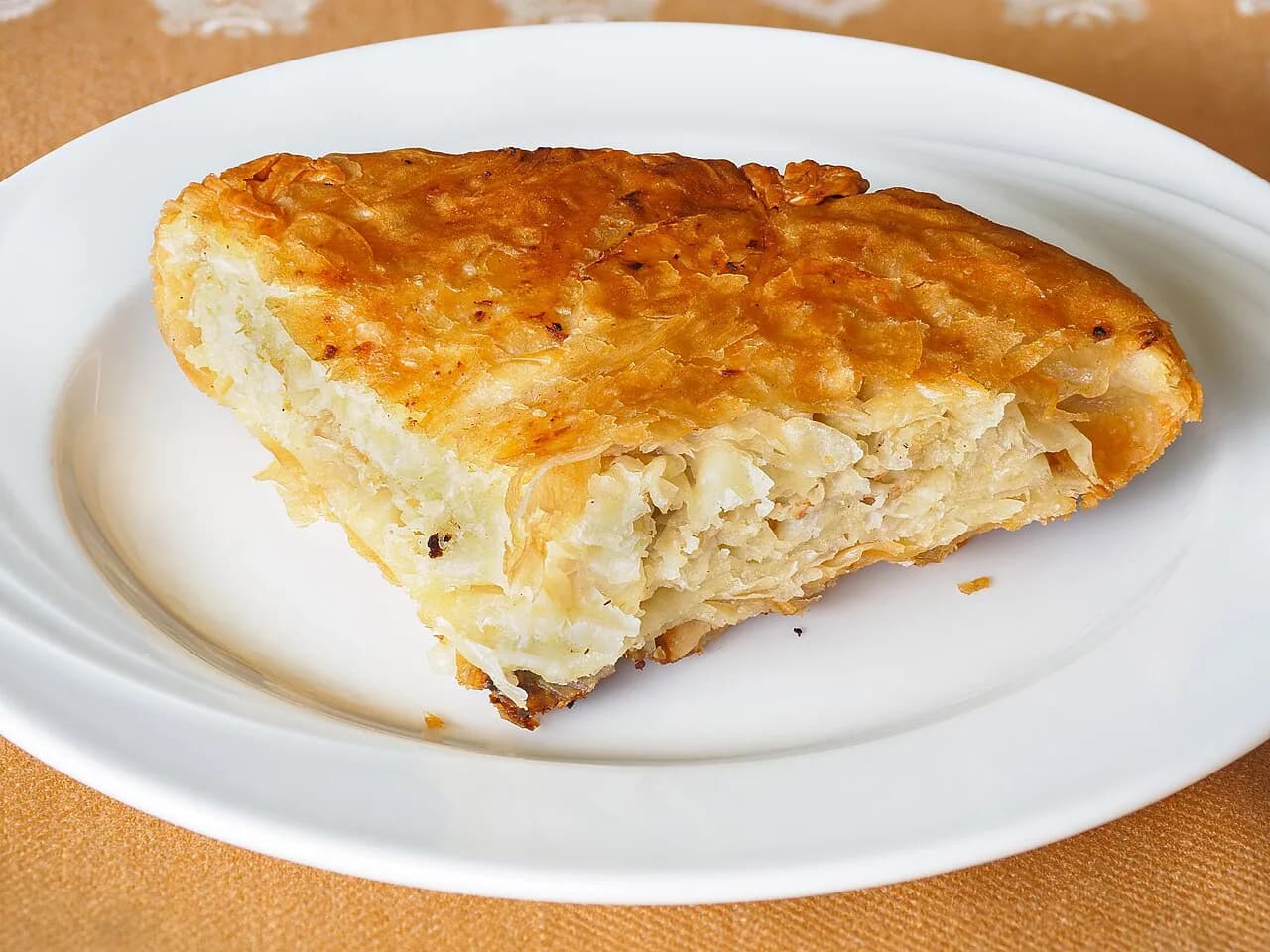
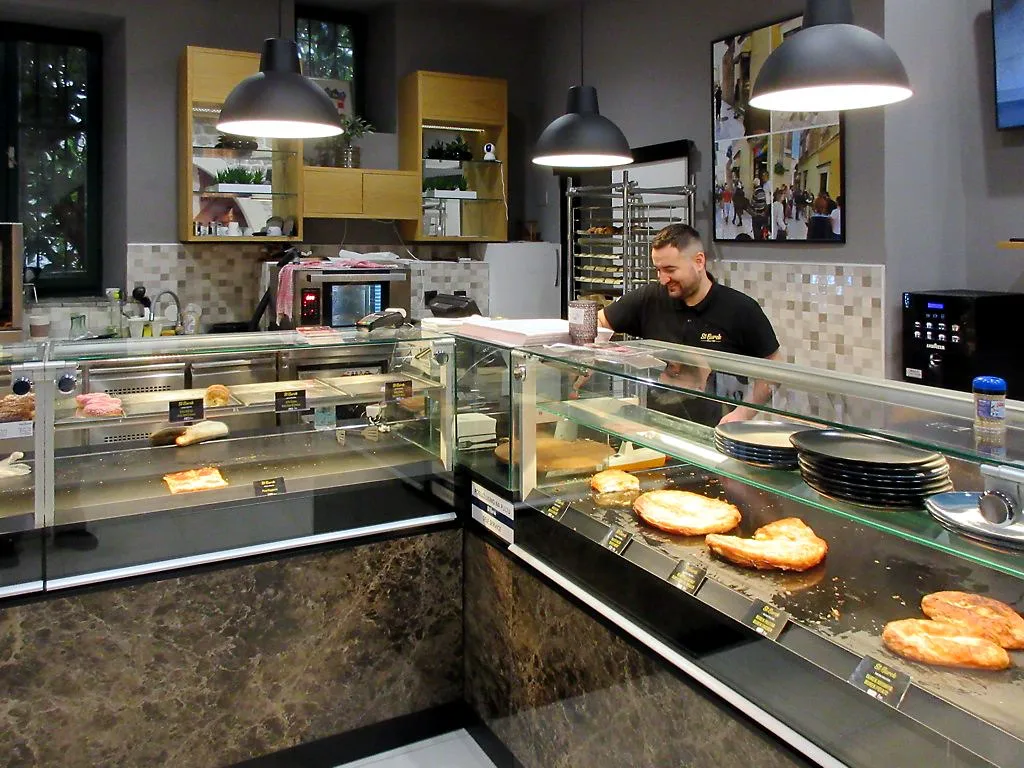
A pekara, the Croatian bakery, is where street food starts in the morning. Burek is a coiled or rolled filo pastry filled with minced meat, sold by the slice or the whole round and eaten hot from the paper. The same shops sell cheese, spinach and potato versions; strictly speaking the meat one is burek and the others carry different names, but asking for burek with cheese will still get you fed.
Sirnica is the cheese filo pie, zeljanica the spinach one and krumpiruša the potato one. Buy a slice of each to share and you have a cheap breakfast for two. They are best within an hour of coming out of the oven, so watch which tray the locals are reaching for.
Peka: slow-cooked under a bell, ordered ahead
Peka is not a dish but a method: meat, seafood and potatoes slow-cooked in a tray under a heavy bell-shaped lid with embers piled on top. The result is soft meat, fish that falls off the bone and potatoes that soak up every drop of juice. It takes hours, which is exactly why it does not work as an impulse buy.
Treat peka as a sit-down meal for a group and phone or ask at the konoba earlier in the day to put one on. Octopus peka and lamb peka are the versions to look for, and the potatoes are often the part everyone fights over. If you are travelling as a couple, ask whether a smaller peka is possible rather than committing to a portion built for four.
Grilled sardines and small fried fish by the water
Along the Adriatic coast, the cheapest seafood is the smallest: sardines grilled whole over charcoal, sprinkled with salt and served with lemon and bread. They arrive head-on and bone-in, so eat them with your fingers and pull the spine out in one piece. Small fried fish, often whitebait-sized, come in a pile with lemon wedges and disappear fast.
Buy them from a konoba with tables facing the harbour rather than a formal restaurant, where the same fish costs more for the view. A plate of sardines and a glass of something cold is a full lunch. If the fish are sold by weight, ask for the weight before they go on the grill, because the price follows the scales.
Crni rižot and brodet as quick coastal bowls
Crni rižot is squid-ink risotto, a glossy black bowl of rice cooked with squid, white wine and a little tomato. It is richer than it looks and stains everything, so keep napkins handy. Brodet is the coastal fish stew, usually served with polenta or potatoes to soak up the broth. Both come as a bowl or plate rather than a sandwich, but they are quicker than a full fish dinner.
Order one of each between two people and share, since the risotto is heavy and the brodet is soupy. Neither is a walking-around food, so pick a konoba where you can sit outside. If the menu lists fish by weight as an add-on, decide before ordering so the bill does not climb.
Soparnik and viška pogača: savoury pies by the slice
Soparnik is a thin savoury pie from the Dalmatian hinterland, made with filo and a filling of chard, onion and olive oil, baked flat and cut into wedges. It is lighter than burek and travels well, which makes it a good picnic buy from a bakery. Viška pogača comes from Vis and is closer to a flatbread topped with tomato, onion and anchovy, sold in slices.
Both are worth buying by the slice rather than the whole tray, because they are best warm and the pastry softens as it cools. Ask for them cut and wrapped if you are taking them away. They travel better than a bowl of anything.
Pršut, paški sir and olives from a market stall
Pršut is Croatian dry-cured ham, sliced thin and eaten with cheese, olives and bread. Paški sir is the hard sheep's cheese from the island of Pag, and it is the one to ask for by name at a market or deli counter. Together they make the easiest market lunch in the country: buy a small piece of each, a handful of olives and a bread roll, and you are set.
Ask the stallholder to slice the pršut to order and to cut the cheese into wedges rather than pre-packaged pieces. Buy only what you will eat that day, since both want to be eaten fresh once cut. This is also where you pick up a jar of olives or a little olive oil if you are self-catering.
Kremšnita and rafioli for something sweet
Kremšnita is a custard slice: a puff pastry base and top with a thick layer of vanilla custard in between, best eaten with a fork and a napkin. It is a bakery and pastry-shop staple across Croatia. Rafioli are small baked parcels of sweet almond or fruit filling, dusted with icing sugar and sold by the piece.
Buy a kremšnita from the slastičarnica rather than a pre-boxed one if you can, and eat it the same day, because the pastry loses its snap once chilled. Rafioli keep longer and travel better in a bag. A single one is enough after a bowl of crni rižot.
What to drink with it
The everyday drink with street food is water, a fruit juice or a small glass of local wine or beer rather than anything elaborate. Inland, ask for a glass of the house white or red with ćevapi; on the coast, a light white goes with sardines and squid. Keep it to one glass if you still have driving or a ferry to catch.
For something soft, look for mineral water, freshly squeezed lemonade or a small coffee afterwards. Croatia takes coffee seriously, and a short espresso at the counter is part of the street-food rhythm. The Croatian food pages on this site explain the wider menu if you want to match dishes to drinks.
How ordering works and what it costs
At a bakery or grill counter you order at the till or the counter itself, pay, and wait for your number or your name. At a konoba you sit down, and many places bring bread and sometimes a small cover charge whether you ask or not, so check the menu before tucking in. In market halls, the price for cheese and ham is per kilo, and you can ask for a smaller weight.
Croatia uses the euro, so there is no conversion to do at the till; card payment is common in cities but less reliable at small market stalls, so carry some cash. Portions are generous, and one burek or a portion of ćevapi is usually enough for a single meal. If you are on a budget, the bakery breakfast and the market lunch are the two cheapest ways to eat well.
Ćevapi or burek: your first Croatian street bite
Start with the bakery: a slice of burek or sirnica is the cheapest introduction and shows you what the local dough is like. Follow it later with ćevapi at a grill counter, when you want something hot and savoury and are happy to eat standing up. On the coast, swap the second stop for grilled sardines by the water.
If you want to explore further, the guide to the wide spread of Croatian food and the round-up of traditional Croatian food cover the dishes that sit beyond the counter. Those pages help you decide what to order in a konoba once you have tried the street versions. The best food in Croatia is often the simplest, and this list is a good place to begin.
Which street food to try first
Go to the bakery first and buy a slice of burek or sirnica while it is hot. That gives you the taste of the local dough and the price level without a sit-down commitment. Then find a grill counter for ćevapi, or a harbour-side konoba for sardines if you are on the coast.
Leave peka and a fish sold by weight for an evening when you have a table and time to sit, and finish with a kremšnita from a pastry shop rather than a boxed slice. That sequence gives you the full range of Croatian street food in one day without over-ordering.
Explore more Croatia guides
Sources
Notes on eating well in Croatia
Optional updates to our food guides.
You might also like



Continue reading
More guides you'll find useful




