
Traditional Croatian Food: The Dishes to Know, Region by Region
A practical guide to traditional Croatian food, from peka and pašticada to štrukli and fritule, with the regions and settings where each dish belongs.
On this page
Traditional Croatian food is regional rather than national: the coast cooks with olive oil, fish and shellfish, while the inland north leans on pork, cheese and pastry. The dish that best sums up the coastal kitchen is peka, a long slow roast under a domed lid, but you will meet just as much character in a bowl of crni rižot or a plate of štrukli. This guide works through the dishes worth knowing, region by region, and explains how each one turns up on a menu.
The aim is practical recognition. When a konoba lists pašticada or fuži, you should know what will arrive and roughly how it is cooked, so ordering for two people becomes straightforward. Croatian menus are long, and the difference between a tourist version and a properly made one usually comes down to the cooking method rather than the ingredients.
Coastal, continental and regional cooking
Croatia sits between the Adriatic and the inland borders, and the food follows that geography. Dalmatia and Istria cook in the Mediterranean mode: grilled fish, olive oil, shellfish and vegetables. Inland, in Zagreb and the Zagorje hills, the kitchen is heavier, with pork, cream, cheese and rolled pastry.
The quickest way to read a Croatian menu is to ask which region it belongs to. A coastal konoba will build around fish and seafood, while a continental restaurant will offer roast meats and štrukli. Many menus mix the two, so look at the starters and sides to see which tradition the kitchen actually follows.
Peka: the domed slow roast
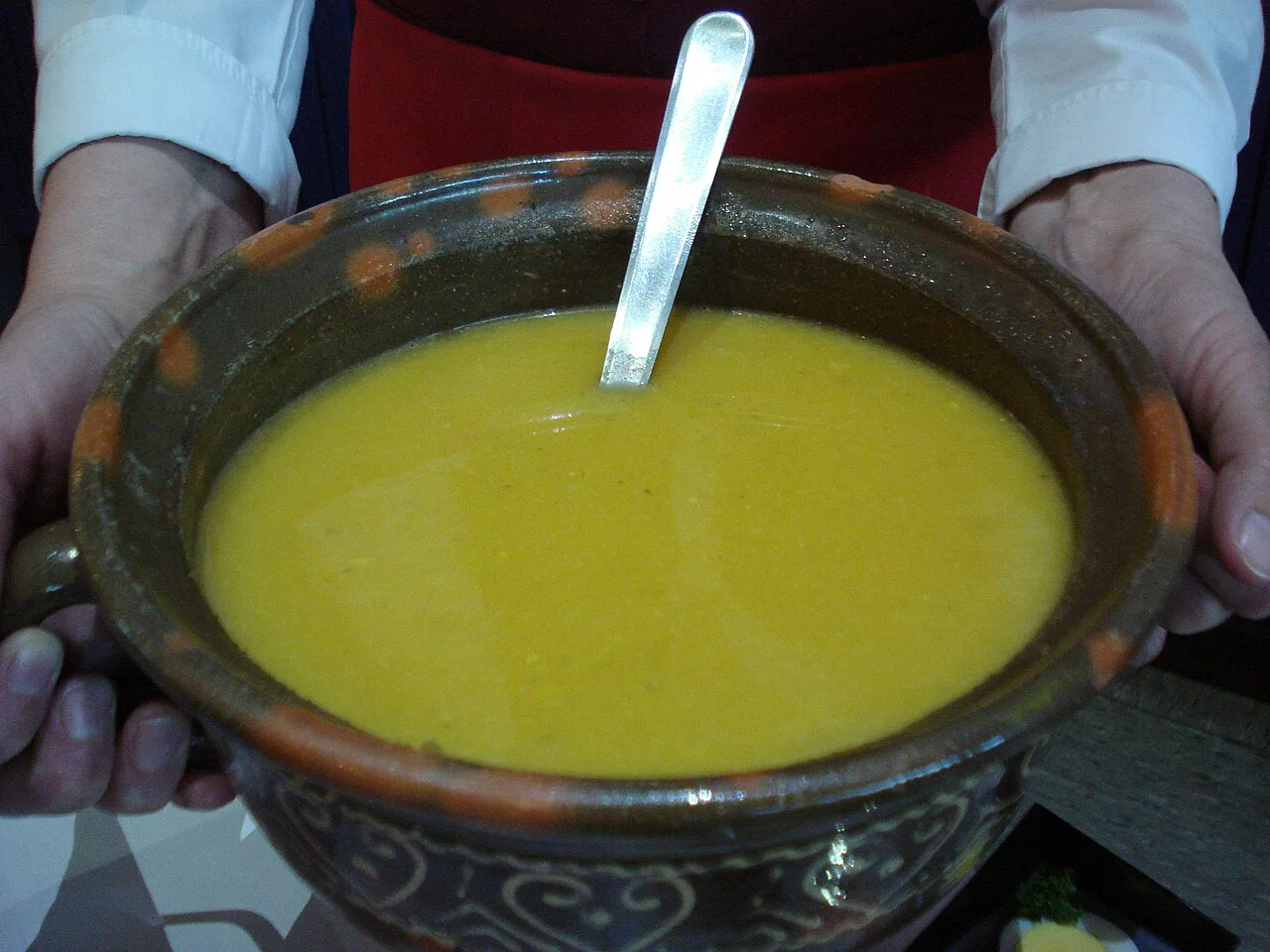
Peka is a long, slow cook under a domed lid, with lamb, beef or octopus layered with potatoes and root vegetables and left to stew for hours. The pot is covered with hot coals and the meat ends up soft, with potatoes that have taken on the juices, served family-style from the pot. It is a Sunday dish in much of the coastal hinterland, and traditionally the men of the family do the cooking.
What is the traditional dish of Croatia? There is no single national dish, because Croatian cooking splits between the coast and the inland north. Peka, the slow roast under a domed lid, is the most famous coastal dish, while štrukli and pork-based plates belong to the inland kitchen.
What is the most eaten food in Croatia? Bread, fish and pasta are everyday foods on the coast, while pork and pastry are common inland. Seafood and grilled meats appear on most menus, and a simple grilled fish with vegetables is a reliable order.
What is the unspoken rule in Croatia? Fish is often sold by the kilo, so ask for the weight and total before agreeing to a whole fish. Bread may be charged, and peka usually needs ordering a day or two ahead.
Because of the cooking time, a konoba may ask for a day or two of notice before it will serve peka, so ask when you book rather than when you sit down. It is not a dish to order on a whim at the end of a long lunch. If you want it, plan the meal around it.
Pašticada: Dalmatian braised beef
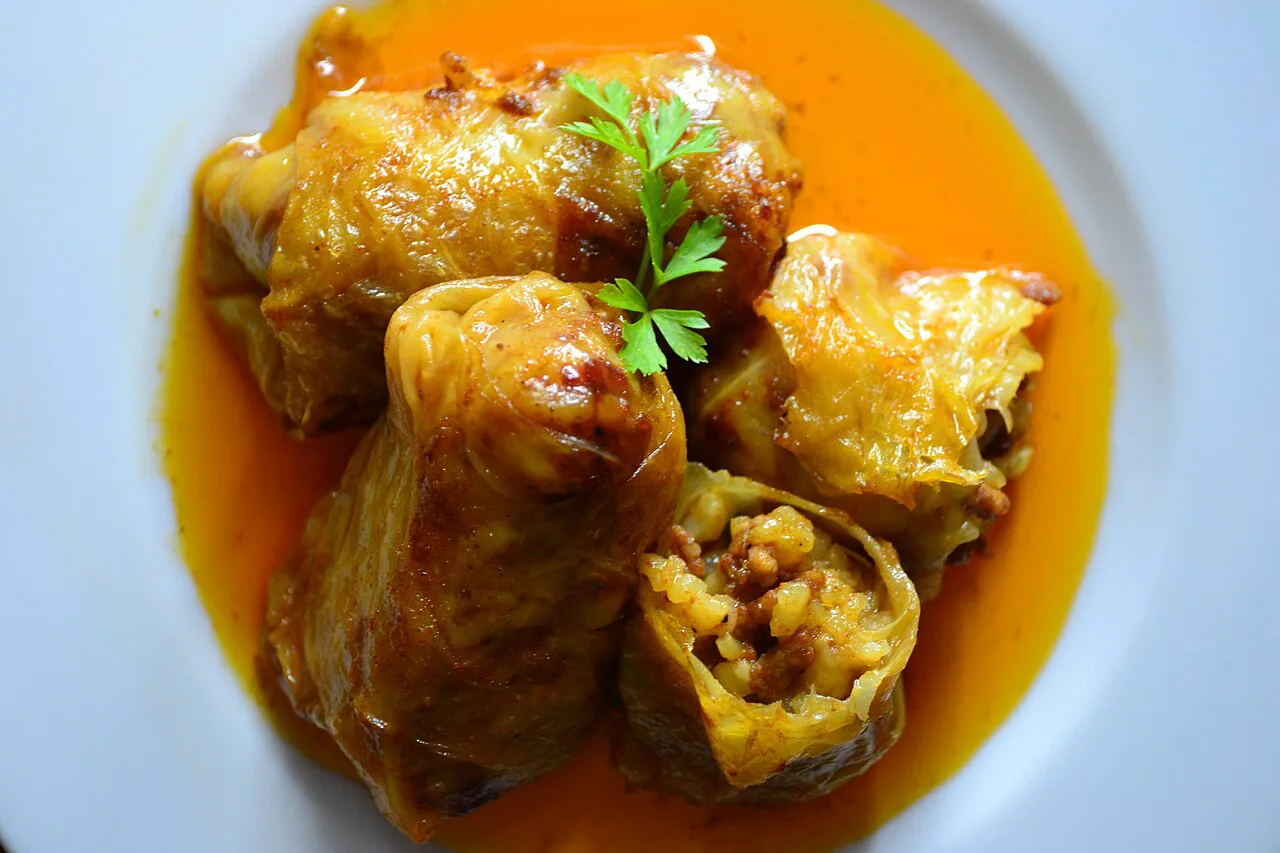
Pašticada is a Dalmatian braised beef dish, cooked slowly with wine, vinegar, dried fruit and spices until the sauce is dark and rich. It is usually served with gnocchi or pasta, which soak up the sauce, and it appears on special-occasion menus along the coast. The sweet-savoury balance is the point of the dish, so expect something closer to a stew than a steak.
Look for pašticada on the menu of a konoba in Split or on the islands rather than at a quick-service counter. It is a slow dish, and its presence usually signals a kitchen that cooks properly. If you are ordering for two, one portion with an extra side of gnocchi works well.
Crni rižot: black risotto
Crni rižot takes its name from the cuttlefish ink that turns the rice black. The dish is built on squid, cuttlefish or shellfish, with the ink stirred through at the end, and it arrives glossy rather than dry. It is a coastal staple and a useful test of a kitchen, because the rice should be loose enough to spread on the plate.
When a menu lists crni rižot, check whether it is described as a starter or a main, because portions vary a lot. It works well shared as a first course before a grilled fish, and the ink stains, so keep napkins to hand.
Fish and seafood on the coast
Fish and seafood are the heart of coastal cooking, with sea bass, sardines, mackerel and prawns among the most common catches. A simple grill with a side of greens and potatoes is often better than a complicated sauce, and the fish is usually sold by weight rather than as a fixed plate.
Fish is sold by the kilo in many restaurants, so the price on the menu is often a rate rather than the final bill. Before you agree to a whole fish, ask for the weight and the total, and then decide. Prawn pasta and risotto are the safer fixed-price orders if you want to know the cost in advance.
Markets are where the coastal catch is most visible, and the fish market in Split is a good place to see what is in season. Look at the display and the turnover rather than a printed menu. If you are cooking, buy what looks fresh that morning and keep the preparation simple.
Pršut and cheese boards
Pršut is Croatian cured ham, sliced thin and served as a starter with cheese, olives and bread. Dalmatian and Istrian versions differ in cure, and both belong on a board with a hard sheep's cheese such as Paški sir, a firm cheese from the island of Pag with a salty, nutty edge. A shared platter makes a good lunch or a first course for two.
The portions are usually generous, so one board between two is enough before a main course. Ask what the cheeses are if the menu does not say, because the local hard cheeses are the point of the plate.
Štrukli: the zagorski pastry
Štrukli is a rolled dough pastry from the Zagorje region, filled with fresh cheese and either boiled or baked. The boiled version is softer and often served with cream, while the baked one has a crisp top. It is a northern dish and a good one to order as a starter when you are inland.
If you see štrukli on a coastal menu, treat it as a sign that the kitchen is leaning continental. It is rich, so a single portion to share is usually enough before a main course.
Istrian truffle pasta and fuži
Istria is known for truffles, and the inland restaurants build simple pasta dishes around them, including fuži, a rolled Istrian pasta similar to a short, rolled tube. The sauce is usually butter or cream with shaved truffle rather than a heavy ragu. The dish is at its best when the pasta and the truffle are the whole point.
Truffle dishes are among the more expensive items on an Istrian menu, so check the price before ordering rather than assuming it is a cheap pasta course. A plate of fuži with truffle and a glass of local white is a complete lunch in itself.
Lamb on the spit and under the lid
Lamb is cooked two ways in Croatia: on a spit over an open fire, and under the domed lid of a peka with potatoes. Both suit the mountain pastures of the hinterland, and the meat is usually served with potatoes and a green salad. In a good konoba, the lamb is the centre of the table and the sides are simple.
Spit-roast lamb is often sold by weight, so ask for a portion size rather than a whole animal unless you have a table of six or more. The peka version usually needs notice, so the spit is the easier option for a spontaneous lunch.
Soparnik and savijača
Soparnik is a savoury pastry filled with greens and baked in a round, and it is a useful vegetarian order in a region dominated by meat and fish. Savijača is the sweet counterpart, a rolled pastry filled with apple or cheese and sliced like a strudel.
These pastries are usually sold by the slice in bakeries and served as a dessert or a snack. If you see them on a menu, order one to share so you still have room for the main course.
Autumn shellfish and Ston oysters
Mussels and oysters are at their best in the cooler months, and the Ston area on the Pelješac peninsula is known for its shellfish. Autumn and early winter are when the coastal menus lean into mussels and oysters rather than the summer fish. If you are on the coast in that window, order a plate of mussels cooked simply with garlic and wine.
Oysters from Ston are usually served raw with lemon, and the smaller ones are the sweetest. Ask whether they are from the area before you order if the provenance matters to you, because the same dish can appear across the coast.
Fritule, kremšnita and rožata
Fritule are small fried dough balls, often flavoured with lemon or brandy and dusted with sugar, and they are the most common coastal sweet. Kremšnita is a custard slice with a thick cream filling between layers of pastry, and rožata is a caramel custard similar to crème caramel. Each one gives a different finish to a meal, so pick based on appetite rather than habit.
Kremšnita is a substantial slice, so one between two is usually enough after a large main. Fritule are lighter and easier to share, and rožata is the gentlest option if you want something small.
What to drink with these dishes
Pošip, a white wine from Korčula, is a natural match for fish and shellfish, while Maraschino, the cherry liqueur from Zadar, is a sweet finish rather than a drink with the main course. Rakija, a fruit brandy, is often served in small glasses before a meal or alongside pršut. The sensible approach is a glass of local wine with the food and a small taste of the stronger things afterwards.
Croatian wine lists are usually short and regional, so ask for the local white rather than choosing by label. That keeps the order in proportion with the dish and with the pace of the meal.
How a Croatian menu is laid out
A Croatian menu usually runs from cold starters and pršut through soups and pasta to fish, meat and desserts, with side dishes listed separately and bread often charged or brought without asking. The portion sizes are generous, so two people can order a starter, one main and a side and still be comfortable. If you are unsure of the size, ask before ordering two mains.
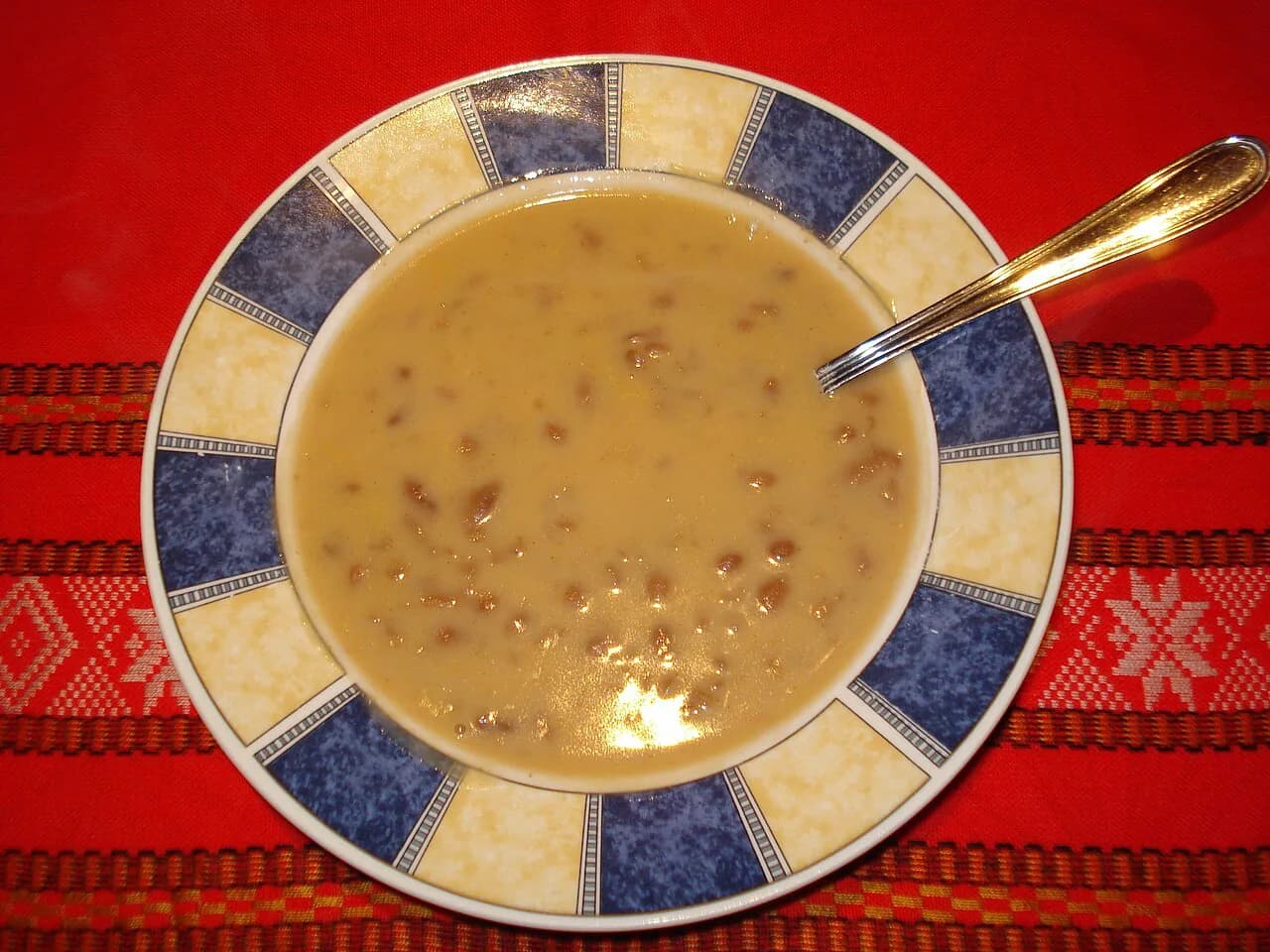
Bread is part of the table on the coast, and it is worth asking whether there is a cover charge if the bill matters to you. For a lighter meal, a bowl of manestra, a vegetable and bean soup, with bread is a good low-cost order in a konoba.
Croatian food compared with Italian and Greek cooking
Croatian coastal cooking shares olive oil, grilled fish and pasta with Italy, but it is simpler and more direct, with less sauce and more reliance on the grill. Compared with Greek food, it uses less tomato and more cured ham, cheese and shellfish. The strongest parallel is with the Adriatic coast of Italy, which is hardly surprising given the shared sea.
The inland kitchen is further from both, with its pastry, cream and pork, so a single trip that moves from the coast to the Zagorje will feel like two different cuisines. If you want a broad sense of the best food in Croatia, sample both rather than staying on the coast.
Is there traditional Croatian vegetarian food?
Yes, though it is easier inland than on the coast. Soparnik, the green-filled pastry, is vegetarian, and so are many pasta dishes made with truffle or vegetables. On the coast, grilled vegetables, salads and risotto without fish are the reliable options.
If you are vegetarian, look for the side dishes and starters rather than the mains, and ask whether a pasta dish can be made without anchovy or fish stock. A plate of grilled vegetables with bread and a salad is a safe order in most konobas.
Which dish to order first
Start with peka if you are eating in a coastal konoba and can give notice, and with crni rižot or grilled fish if you want a simpler meal. Inland, order štrukli and a plate of pršut with Paški sir before a main course. One or two dishes eaten properly tell you more about Croatian cooking than a long tasting menu.
Finish with fritule or a slice of kremšnita, and keep the wine local and modest. The point is to eat what the region cooks rather than chasing a single dish across the country.
Explore more Croatia guides
Frequently Asked Questions
What is the traditional dish of Croatia?
There is no single national dish, because Croatian cooking splits between the coast and the inland north. Peka, the slow roast under a domed lid, is the most famous coastal dish, while štrukli and pork-based plates belong to the inland kitchen.
What is the most eaten food in Croatia?
Bread, fish and pasta are everyday foods on the coast, while pork and pastry are common inland. Seafood and grilled meats appear on most menus, and a simple grilled fish with vegetables is a reliable order.
What is the unspoken rule in Croatia?
Fish is often sold by the kilo, so ask for the weight and total before agreeing to a whole fish. Bread may be charged, and peka usually needs ordering a day or two ahead.
Sources
Notes on eating well in Croatia
Optional updates to our food guides.
You might also like



Continue reading
More guides you'll find useful





