
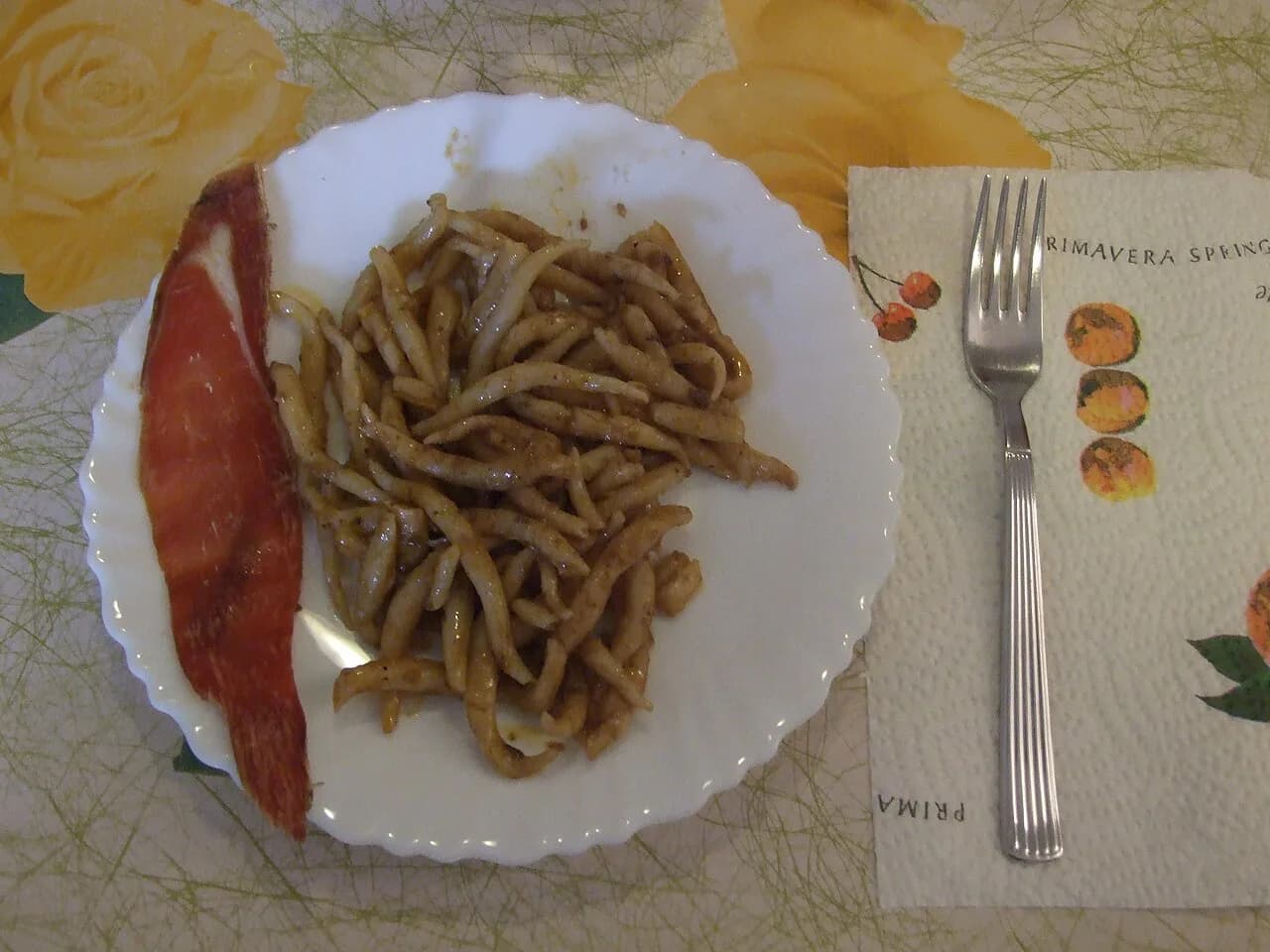
Croatian Pasta: Fuži, Pljukanci and Other Shapes to Order
Croatian pasta is built on fuži, pljukanci and makaruni. Here are the regional shapes to know, the sauces they come with and how to order them.
On this page
Croatian pasta is not one dish but a family of hand-rolled shapes that changes with the region. Istria gives you fuži and pljukanci, Dalmatia gives you makaruni, and each arrives with a sauce built from what the surrounding countryside and sea provide. This guide names the shapes worth ordering, explains the dishes they turn up in, and sets out the difference between pasta as its own course and pasta served beside meat.
Where Croatian pasta sits between Italian and Central European cooking
Croatia's cooking sits at a crossroads of Latin, German, Slavic and Turkish influences, and pasta reflects all of them rather than following a single Italian template. The coastal strip leans Mediterranean, while the interior takes on the meat, pastry and dairy habits of Central Europe. That makes Croatian pasta a useful test of where you are: a bowl of fuži with truffles on an Istrian terrace feels close to Italy, while a plate of štrukli near Zagreb is another cuisine entirely. Our guide to Croatian Dishes covers the wider repertoire beyond pasta.
Fuži: the Istrian rolled pasta
Fuži is the best-known Istrian shape: a strip of dough rolled into a quill, thicker than most Italian pasta and built to hold a heavy sauce. In Istria it is most often matched with meat ragù, game or truffles, and it carries the region's flavours without needing much else on the plate. If you order one pasta dish in Istria, make it the fuži.
What is a famous dish from Croatia? Pašticada, beef braised in a sweet-sour sauce and served with pasta or gnocchi, is the dish most associated with Dalmatia, while Istria is known for fuži and pljukanci with truffles or meat sauce.
Is Croatian food similar to Italian food? The coastal cooking shares ingredients with Italy, particularly olive oil, fish and pasta, while the interior draws more on Central European meat, pastry and dairy dishes. Think of Croatian pasta as its own tradition rather than a version of Italian food.
Istria's pantry is what makes its pasta distinctive: wild asparagus in spring, truffles from the forests, good olive oil, pršut (dry-cured ham) and the local Malvazija white and Teran red. Istrian restaurants tend to build pasta sauces from these ingredients, and the dish you receive tells you most about what the region values. Ask whether the fuži is served with a meat sauce or a mushroom one and order accordingly, since the portions are generous either way.
Pljukanci: hand-rolled shapes and what they are served with
Pljukanci are short, uneven rolls made by twisting a strip of dough between the palms, and the rustic shape traps sauce in its ridges. They belong to the same Istrian repertoire as fuži and might come with a meat ragù, game, mushrooms or a simple butter and cheese dressing. The unevenness is the point: this is a shape made for generous sauce rather than a delicate one. Order it when the kitchen is serving a slow-cooked meat sauce, as that is what the shape handles best.
Makaruni and other Dalmatian pasta shapes
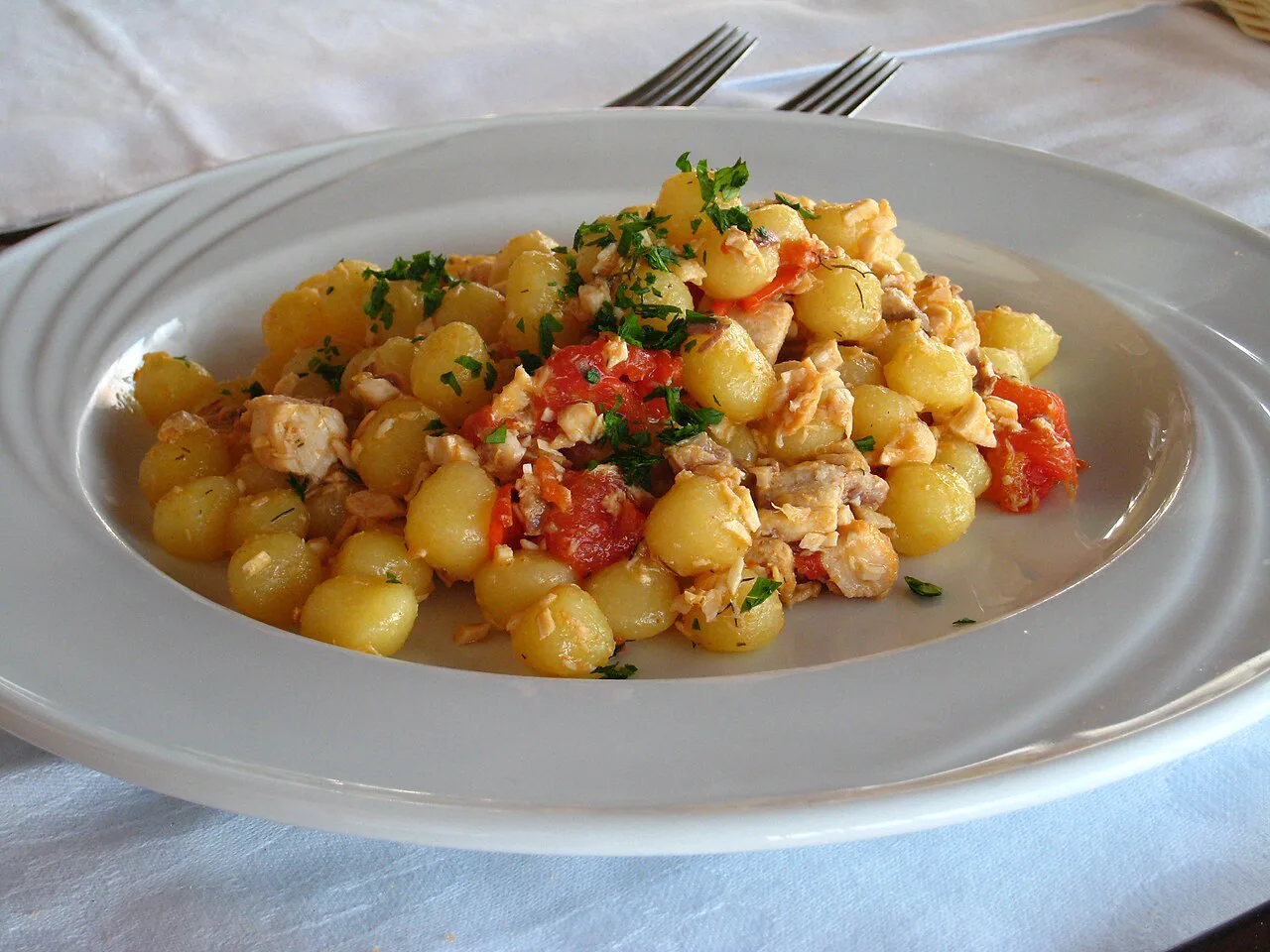
Dalmatian cooking is simpler and more direct than Istrian, and its pasta follows suit: makaruni are slender hand-rolled tubes, often served with a tomato sauce or with meat. The region's olive oil, cheese and dry-cured ham sit alongside seafood, and pasta appears mostly as a supporting act rather than the star. In Dalmatia, expect the pasta to be plainer and more likely to come with a straightforward tomato sauce than with truffles.
A Dalmatian tomato sauce — šalša or paradajz sos — is a simple affair: fresh tomatoes cooked down with olive oil and a few aromatics until rich and thick. Where it appears alongside pasta, it is usually the sauce rather than the shape that defines the dish. Ask what the sauce is made from that day before choosing, and you will know whether you are getting a long-simmered version or something lighter.
Labinski krafi and the Istrian stuffed pasta tradition
Istria also gives you stuffed pasta: Labinski krafi are named after the town of Labin and appear among the region's indigenous pasta shapes alongside fuži and pljukanci. In a region with so much pasta, stuffed shapes are less everyday than the hand-rolled ones, so they are worth ordering when you see them.
How Croatian pasta differs from Italian pasta
Croatian pasta tends to be thicker and more rustic than the Italian equivalents, made from flour and eggs with a coarser texture that holds up to heavy meat sauces. Sauces lean towards long-simmered ragùs, game and mushrooms in Istria, while Dalmatia keeps things simpler with tomato and seafood. Portions are generally generous, and pasta often arrives with a spoon for serving rather than already plated. That makes it closer to home cooking than to restaurant pasta in Italy.
Pašticada and pasta: the Dalmatian pairing to know
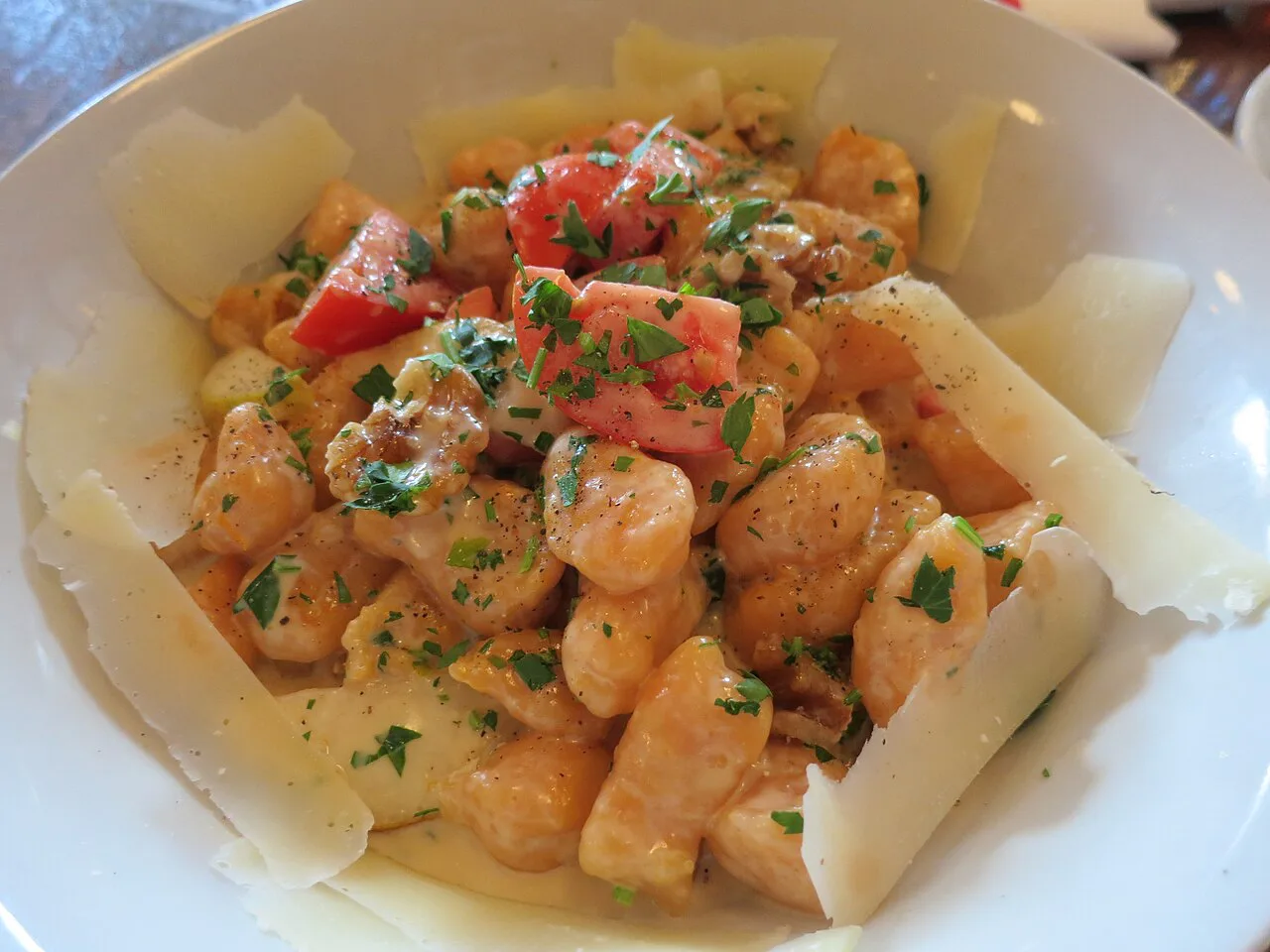
Pašticada is Dalmatia's celebration dish: beef slowly braised in a sweet-sour sauce with dried fruit and wine, traditionally served with pasta or gnocchi. It is the pairing that best explains how Dalmatians use pasta, as the shape is there to carry the sauce rather than to be the main event. Order it when you want a single dish that shows you what the Dalmatian kitchen does with meat and long cooking.
Peka, gradele and the wider Dalmatian table
Peka is the Dalmatian method of cooking meat or seafood under a clay or metal bell covered with hot coals, and it is the other dish that defines the region's table. Gradele means simply grilled seafood, and it is the yardstick for any coastal kitchen. Both usually come with a side of blitva, the chard and potato dish that appears alongside most Dalmatian mains.
Where pasta fits on a Croatian menu
In Istria and Kvarner, pasta is often a first course, listed under a heading for pasta and risotto and served before the meat or fish main. In Dalmatia, it may be a standalone dish or the accompaniment to pašticada, in which case it arrives on the same plate. Menus usually make clear whether a price is for a plate or for a portion to share, so read the line before you commit.
Croatian pasta is konoba food, and a few places are noted for serving traditional pasta dishes. Konoba Stari Podrum, Konoba Dolina, Humska Konoba, Konoba Zora, Toklarija and Gostionica Ficlek all appear in a list of traditional restaurants serving pasta in Croatia, though it is worth ringing ahead before travelling to a specific village. Treat them as starting points and judge the bowl in front of you.
Croatian pasta on the coast versus inland
Istria and Kvarner are the strongest pasta regions, with fuži and pljukanci recurring on menus and a developed restaurant culture along the coast. Dalmatia turns pasta into an accompaniment to meat and seafood, with makaruni and simple tomato sauces. Inland, pasta shares space with štrukli and other pastry and dairy dishes, and the pasta you find is more likely to be a side than a course.
How to order pasta in a konoba
A konoba is a family-run tavern, and the pasta on the menu is usually the one the kitchen makes by hand that day. Ask which shapes are available before deciding, then ask whether the sauce is meat, seafood or vegetable, as that determines how heavy the dish will be. If you are sharing, order one pasta to start and follow it with a main, which is how most local tables eat. Bread and oil may arrive without ordering. If you want the same flaky pastry tradition in a bakery context, see Burek: A Guide to Croatia's Favourite Bakery Pastry.
Which Croatian pasta to order first
Start with fuži in Istria and makaruni in Dalmatia, and let the sauce decide the rest. If you see Labinski krafi or a plate of pašticada with pasta, order one of them, as both show you the dish in its proper context. Elsewhere, treat pasta as a first course and leave room for the main.
Explore more Croatia guides
Frequently Asked Questions
What is a famous dish from Croatia?
Pašticada, beef braised in a sweet-sour sauce and served with pasta or gnocchi, is the dish most associated with Dalmatia, while Istria is known for fuži and pljukanci with truffles or meat sauce.
Is Croatian food similar to Italian food?
The coastal cooking shares ingredients with Italy, particularly olive oil, fish and pasta, while the interior draws more on Central European meat, pastry and dairy dishes. Think of Croatian pasta as its own tradition rather than a version of Italian food.
Sources
Notes on eating well in Croatia
Optional updates to our food guides.
You might also like



Continue reading
More guides you'll find useful





